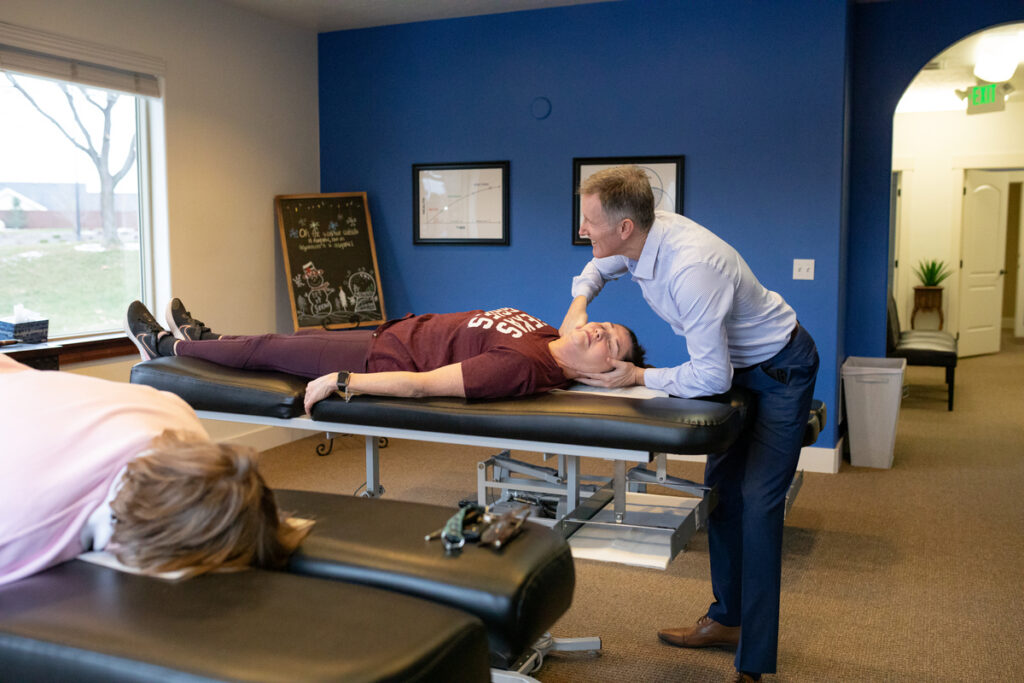

You understand the importance of a strong immune system, but are you leveraging professional care to enhance it? Healthcare experts can offer personalized insights and strategies that go beyond general advice. From tailored dietary plans to innovative stress management techniques, your path to improved immunity can be uniquely designed for you. Regular check-ups can reveal hidden deficiencies and empower you with proactive measures. So, what specific steps can you take to guarantee your immune health is at its peak? Let's explore the key components that can make a real difference.
Importance of Professional Care
When it comes to boosting your immunity, seeking professional care is essential. You can't rely solely on over-the-counter supplements or the latest health trends. A healthcare professional can provide insights tailored to your unique health needs. They'll assess your current health status, identify potential deficiencies, and recommend appropriate interventions that suit your lifestyle.
Regular check-ups allow you to stay informed about your immune health. During these visits, your doctor can run necessary tests, like blood work, to pinpoint any areas that need attention. It's not just about preventive measures; it's also about understanding how your body responds to various stressors and environmental factors.
By working with a professional, you'll gain a clearer picture of your immune function and how to enhance it effectively. Moreover, professionals can help you navigate the complex world of nutrition and lifestyle changes. They're trained to debunk myths and provide evidence-based recommendations.
For example, they can guide you on which vitamins and minerals are critical for immune support, ensuring you're not wasting your time or money on ineffective products. In addition, having a professional to consult can offer peace of mind. You'll feel more confident in your choices when you know an expert is behind your plan.
Ultimately, investing in professional care isn't just a smart decision; it's a proactive step toward a healthier immune system and overall well-being. So, don't hesitate to reach out and prioritize your health.
Tailored Dietary Plans
A personalized dietary plan can greatly enhance your immune function. By focusing on the nutrients your body specifically needs, you can support your immune system more effectively. Every individual's nutritional requirements vary based on age, gender, lifestyle, and health conditions. That's why a tailored approach is imperative.
When designing your dietary plan, consider incorporating a variety of whole foods rich in vitamins and minerals. Foods high in vitamin C, like citrus fruits and leafy greens, can boost your immune response. Zinc, found in nuts and seeds, plays a significant role in immune cell function.
Don't forget about antioxidants from colorful fruits and vegetables, as they help combat oxidative stress in your body. Moreover, healthy fats from sources like avocados and olive oil can reduce inflammation and promote a healthier immune system.
Adequate protein intake is also essential; lean meats, legumes, and dairy products can provide the amino acids your body needs for immune cell production. It's important to minimize processed foods, sugar, and excessive alcohol, which can negatively impact your immune health.
Staying hydrated is equally important, so drink plenty of water throughout the day. Lastly, consider consulting a nutritionist or healthcare professional who can help you craft a dietary plan that aligns with your specific needs and goals.
With the right foods, you can't only enhance your immune function but also improve your overall well-being. Start today by taking small steps toward a healthier, more immune-supportive diet.
Exercise and Immunity
When it comes to boosting your immunity, exercise plays a vital role. Engaging in the right types of workouts consistently can enhance your body's defenses.
Let's explore the most beneficial exercises and how often you should be doing them.
Types of Beneficial Exercises
How can you boost your immune system through exercise? Engaging in the right types of exercises can greatly enhance your body's defenses.
Aerobic workouts, like walking, jogging, or cycling, increase your heart rate and promote blood circulation, helping immune cells travel more efficiently. Aim for at least 150 minutes of moderate-intensity aerobic exercise each week.
Strength training is another beneficial option. Lifting weights or using resistance bands strengthens not just your muscles but also supports your immune function by reducing inflammation. Incorporate strength training exercises at least two days a week.
Flexibility and balance exercises, such as yoga or tai chi, also play an essential role. These practices not only improve your overall fitness but can also reduce stress levels, which is crucial for a healthy immune system.
They help you unwind and promote better sleep, both of which are important for immune health.
Finally, don't underestimate the power of short, high-intensity interval training (HIIT). These bursts of intense activity followed by rest periods can boost your immune system by enhancing your body's ability to respond to stressors.
Choose a mix of these exercises to create a balanced routine that keeps your immune system strong.
Exercise Frequency Recommendations
Finding the right exercise frequency is essential for maximizing your immune benefits. Regular physical activity can help bolster your immune system, but how often should you work out?
Here are some recommendations to keep you on track:
- Aim for at least 150 minutes of moderate-intensity exercise each week.
- Break it down into 30 minutes on most days, fitting into your schedule easily.
- Include strength training at least twice a week to enhance overall health.
- Consider incorporating high-intensity interval training (HIIT) sessions for efficient workouts.
- Listen to your body; if you feel fatigued or under the weather, adjust your routine accordingly.
Stress Management Strategies
Stress management is essential for maintaining a strong immune system. When you're under stress, your body produces hormones like cortisol, which can weaken your immune response. To counteract this, you need effective strategies to manage stress in your daily life.
First, practice mindfulness. Just a few minutes of meditation or deep breathing can help ground you and reduce anxiety. Focus on your breath, letting go of distractions. This simple practice can create moments of calm, helping you reconnect with your body and mind.
Next, consider regular physical activity. Exercise releases endorphins, which are natural mood boosters. Whether it's a brisk walk, yoga, or a dance class, find an activity you enjoy and make it a part of your routine. Aim for at least 30 minutes most days; you'll notice the difference it makes in your stress levels.
Don't underestimate the power of a good night's sleep. Lack of sleep can heighten stress and weaken your immune system. Create a sleep-friendly environment by keeping your bedroom dark and cool, and establish a consistent bedtime routine to help signal your body that it's time to wind down.
Lastly, connect with others. Share your feelings with friends or family, or consider joining a support group. Building a strong social network can provide emotional support and reduce feelings of isolation.
Preventive Health Screenings
Regular health screenings are essential for catching potential issues early and maintaining your overall immunity.
You'll want to know which types of preventive tests are right for you, as they can vary based on age and risk factors.
Importance of Regular Screenings
Preventive health screenings play an essential role in maintaining your overall well-being and catching potential health issues early. By regularly scheduling these screenings, you empower yourself to take control of your health and make informed decisions.
Here are some key benefits of regular screenings:
- Early Detection: Identifying health problems before they escalate can lead to more effective treatment options.
- Peace of Mind: Knowing your health status can alleviate anxiety and help you feel more secure about your well-being.
- Customized Health Plans: Screenings provide valuable information that allows your healthcare provider to tailor advice and treatment to your unique needs.
- Health Education: Regular check-ups give you the chance to learn about risk factors and lifestyle changes that can boost your immunity and overall health.
- Cost-Effective: Preventive care often costs less than treating advanced diseases, saving you money in the long run.
Don't wait for symptoms to arise; take charge of your health today. Make regular screenings a priority, and you'll be taking a significant step toward a healthier, happier life.
Types of Preventive Tests
Understanding the various types of preventive tests can greatly enhance your health management strategy. These tests aim to catch potential health issues before they develop into serious problems. Regular screenings can help you stay proactive about your health.
First, consider blood pressure screenings. High blood pressure often goes unnoticed but can lead to severe complications.
Next, cholesterol tests help you understand your heart health and determine your risk for cardiovascular diseases.
Don't overlook cancer screenings, like mammograms for women and prostate exams for men. These tests are essential for early detection and can greatly improve treatment outcomes.
Additionally, vaccinations are a key preventive measure. Keeping your immunizations up to date protects you and those around you from various diseases.
Finally, diabetes screening is critical, especially if you have risk factors like obesity or a family history of diabetes. Catching it early can make a world of difference in your management plan.
Long-term Health Benefits
Boosting your immunity offers a wealth of long-term health benefits that can greatly enhance your quality of life. When you prioritize your immune system, you're setting yourself up for a healthier future. Here are some key benefits you can expect:
- Reduced Risk of Chronic Illness: A strong immune system helps fend off various diseases, lowering your chances of developing chronic conditions like diabetes or heart disease.
- Improved Energy Levels: When your body's defenses are strong, you'll likely experience increased energy and liveliness, enabling you to engage more fully in daily activities.
- Better Mental Health: A robust immune response can influence your mood and mental clarity, promoting a positive outlook and reducing the risk of anxiety and depression.
- Faster Recovery Times: When illness strikes, a well-functioning immune system allows you to bounce back quicker, minimizing downtime and disruptions to your life.
- Longevity: By maintaining a healthy immune system, you can potentially extend your lifespan and enjoy a higher quality of life in your later years.
Incorporating healthy habits such as a balanced diet, regular exercise, and stress management techniques can considerably support your immune system.
Remember, it's not just about preventing sickness; it's about nurturing your body for long-term health. By focusing on your immunity today, you're investing in a healthier, more vibrant tomorrow.
Conclusion
Investing in professional care is a smart move for boosting your immunity. With tailored dietary plans, effective exercise routines, and stress management strategies, you'll empower yourself to make healthier choices. Regular health screenings can catch potential issues early, leading to better long-term outcomes. By prioritizing your health with expert guidance, you're not just enhancing your immune function; you're also setting the stage for a vibrant, healthier future. Don't wait—start your journey to better health today!