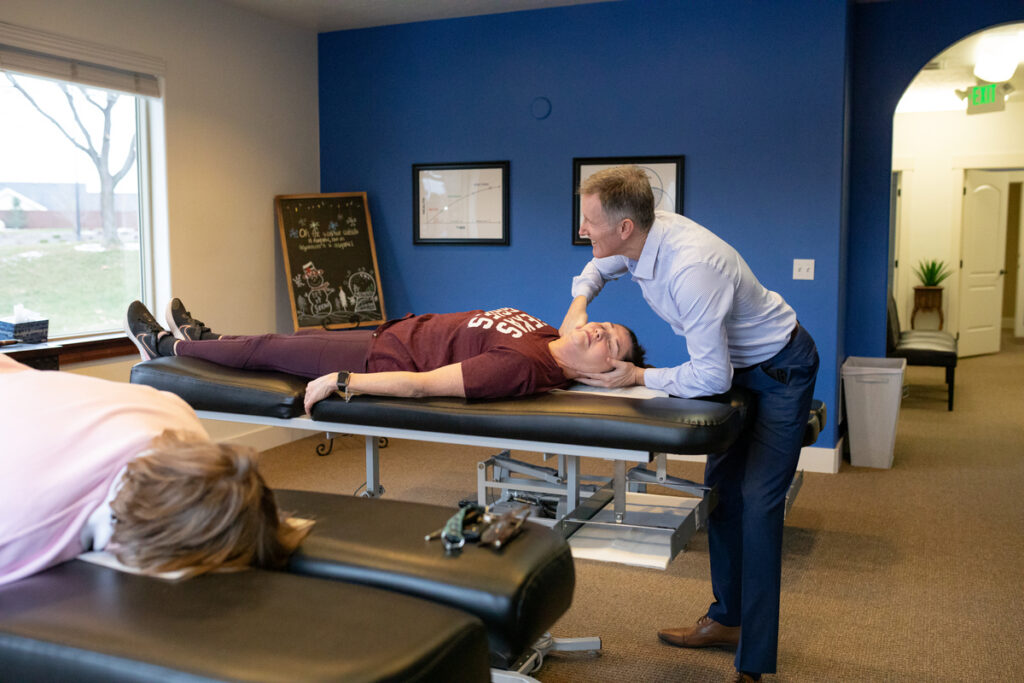

As a local chiropractor, I want to share some insights into how back pain can often heal without the need for medication. Many of my patients have experienced significant relief through natural methods such as chiropractic adjustments, physical therapy, exercise, and mindfulness practices. But how do these approaches actually work?
Chiropractic care focuses on correcting misalignments in the spine that can contribute to pain and discomfort. By realigning the vertebrae, we can alleviate pressure on the nerves and surrounding tissues, promoting better function and healing. Additionally, incorporating targeted exercises can strengthen the muscles that support your spine and improve your overall posture.
Mindfulness techniques, such as meditation or deep breathing exercises, can also play a crucial role in managing pain by reducing stress and promoting relaxation.
Understanding the root causes of your back pain and exploring these alternative therapies can be essential to your recovery journey. I encourage you to consider these natural options as part of your path to wellness. Let’s work together to find the best strategies for your back pain relief!
Understanding the Causes of Back Pain
As a local chiropractor, I want to help you understand the various causes of back pain and how we can work together towards effective healing.
Many of my patients experience discomfort as a result of muscle strain, which is often triggered by improper lifting techniques or sudden movements. It’s important to recognize that poor posture—whether you’re sitting at a desk or standing for long periods—can contribute to chronic pain by putting unnecessary stress on your spine.
Injuries from sports activities or accidents can also lead to significant back issues, such as herniated discs or ligament sprains. Additionally, factors like obesity can worsen your back pain by adding extra pressure to your spine.
Have you noticed that stress or emotional tension affects your body? This can lead to muscle tightness in your back, which we can address together.
Certain medical conditions, such as arthritis or scoliosis, may also contribute to your discomfort. By identifying and understanding these sources of pain, we can create a tailored approach for your care.
Through chiropractic adjustments and natural healing methods, we can work towards alleviating your pain and helping you achieve a more comfortable, pain-free life.
The Role of Physical Therapy in Healing
As a local chiropractor, I want to share with you the vital role that chiropractic care plays in your healing journey from back pain.
Our approach focuses on targeted exercises and strengthening techniques that not only build resilience but also support the health of your spine.
In addition to these exercises, we utilize manual therapy, which can provide immediate relief by alleviating muscle tension and enhancing your mobility.
By understanding the natural healing processes of your body, we can help you regain your strength and improve your overall well-being.
Embracing chiropractic care is a step towards a healthier, pain-free lifestyle.
Exercise and Strengthening Techniques
As a local chiropractor, I want to share how engaging in targeted exercise and strengthening techniques can significantly aid in your recovery from back pain.
When you visit our office, we’ll collaborate to create a personalized program that focuses on exercises designed to enhance your flexibility, strength, and posture. Incorporating core-strengthening workouts is vital, as they help support your spine and alleviate pressure on surrounding muscles.
Additionally, simple activities like walking, swimming, or practicing yoga can greatly improve your mobility and reduce stiffness.
It’s crucial to listen to your body and progress at a comfortable pace to prevent any further injury. Remember, consistency is essential; even short daily sessions can lead to remarkable improvements over time.
Manual Therapy Benefits
As a local chiropractor, I want to share with you the remarkable benefits of manual therapy for back pain recovery. If you’re not familiar with chiropractic care, let me explain how it works and how it can help you feel better.
By collaborating with a knowledgeable chiropractor, you can experience both immediate relief and lasting improvements in your condition. Manual therapy involves hands-on techniques used to manipulate your muscles, joints, and soft tissues, which can significantly enhance your healing journey.
Here are some key benefits of incorporating manual therapy into your recovery:
- Pain Reduction: Manual therapy helps alleviate discomfort and tension in your back, providing you with much-needed relief.
- Increased Mobility: Through targeted techniques, we can enhance your range of motion and flexibility, allowing you to move more freely.
- Improved Posture: Chiropractic care can correct alignment issues that may be contributing to your pain, promoting better posture.
- Personalized Treatment: Every individual is different, and we tailor our techniques to meet your specific needs and conditions, ensuring optimal results.
By integrating manual therapy into your recovery plan, you could experience a transformation in your well-being, empowering you to regain control over your life without the need for medication.
Embrace the power of natural healing and discover how chiropractic care can support you on your journey to recovery.
Benefits of Regular Exercise for Back Pain Relief
As a local chiropractor, I often encounter patients who believe that rest is the best solution for back pain. However, I want to share with you how regular exercise can be a transformative approach to managing and alleviating discomfort. Engaging in physical activity is essential because it strengthens the muscles that support your spine, which not only enhances stability but also reduces pain levels.
When you exercise, you increase blood circulation to your back, delivering vital nutrients and oxygen that promote healing. This is crucial for recovery and overall spinal health. Additionally, exercise triggers the release of endorphins—your body’s natural pain relievers—which can significantly elevate your mood and lower the perception of pain.
Incorporating activities such as walking, swimming, or yoga into your routine can improve flexibility and encourage proper posture, which helps to alleviate strain on your back.
I encourage you to adopt a balanced exercise regimen as part of your daily life, as it not only targets pain relief but also enhances your overall health. By staying active, you take proactive steps toward managing your well-being, potentially reducing your dependence on medication.
Mindfulness and Its Impact on Pain Management
As a local chiropractor, I want to share with you the incredible benefits of incorporating mindfulness into your pain management approach. Many of my patients have found that mindfulness can significantly enhance their overall experience with discomfort, allowing them to focus on the present moment instead of getting overwhelmed by pain.
When you practice mindfulness, you can shift your perspective on pain. Rather than fixating on areas of discomfort, such as back pain, you learn to observe these sensations without judgment. This practice can lead to a calmer mind and a more relaxed body, both of which are essential for healing.
Here are a few key benefits of mindfulness that I’ve seen help my patients in managing pain:
- Increased awareness: By being more in tune with your body’s signals, you can respond to discomfort in a more effective manner.
- Reduced stress: Mindfulness techniques are proven to lower stress levels, which can directly impact how you perceive and manage pain.
- Improved emotional regulation: Many patients find that mindfulness helps them better manage their emotional responses to pain, giving them a greater sense of control over their experience.
- Enhanced coping skills: Mindfulness provides valuable strategies that empower you to navigate discomfort more effectively, making your pain management journey smoother.
Exploring Alternative Therapies: Acupuncture and Chiropractic
As a local chiropractor, I’m here to educate you about effective methods for managing back pain, particularly through natural healing practices like chiropractic care. Many people are unaware of the benefits of chiropractic treatment, which focuses on diagnosing and treating musculoskeletal issues, especially those related to the spine.
Chiropractic care involves hands-on adjustments to realign your spine, which can significantly enhance mobility and reduce pain. This approach not only alleviates discomfort but also promotes the proper functioning of your nervous system, allowing your body to heal more effectively.
In addition to chiropractic care, many individuals have found relief through acupuncture, an ancient practice that involves inserting thin needles into specific points on the body. While I primarily focus on chiropractic techniques, I appreciate that acupuncture can stimulate your body’s natural painkillers and reduce inflammation, contributing to overall wellness.
Both chiropractic care and acupuncture offer drug-free alternatives for managing back pain. I encourage you to explore these therapies as potential solutions on your journey to better health and well-being.
Together, we can discover the best path for your healing journey!
The Importance of Posture and Ergonomics
As a local chiropractor, I want to emphasize how vital your posture and workspace setup are to preventing and alleviating back pain. Many of my patients are surprised to learn that by simply practicing correct sitting techniques and maintaining proper standing alignment, they can significantly reduce strain on their backs.
Let’s delve into how making adjustments to your environment and daily habits can lead to lasting relief from discomfort.
Whether you’re working from home or sitting at a desk, ensuring your workspace is ergonomically designed can greatly improve your posture and overall well-being.
Correct Sitting Techniques
As a local chiropractor, I want to emphasize the importance of proper sitting techniques for your spinal health and overall well-being. Many people may not realize that how you sit can significantly impact your posture and contribute to back pain. By adopting the right sitting habits, you can alleviate strain on your back and promote a healthier spine.
Here are some essential tips to help you sit correctly:
- Ensure your feet are flat on the floor or use a footrest to support your feet.
- Your knees should be at or slightly lower than your hips to maintain proper alignment.
- Sit all the way back in your chair, utilizing lumbar support if it’s available, to support the natural curve of your lower back.
- Position your computer screen at eye level to prevent unnecessary strain on your neck.
By incorporating these techniques into your daily routine, you can take proactive steps toward better spinal health and reduce the risk of discomfort.
Standing Alignment Tips
As a local chiropractor, I want to emphasize the importance of good posture not just when you’re sitting, but also when you’re standing. Proper alignment is crucial for your overall health and well-being.
To maintain this alignment, I recommend standing tall with your feet shoulder-width apart. It’s important to evenly distribute your weight between both feet and avoid locking your knees, as this can lead to unnecessary strain on your joints.
Keep your shoulders relaxed and rolled back, and make sure your chin is parallel to the ground. Engaging your core muscles is essential for supporting your spine and preventing discomfort.
When you stand, visualize a straight line extending from your head down to your heels. If you find yourself in one position for an extended period, be sure to shift your weight from one foot to the other to alleviate pressure on your lower back.
Workspace Ergonomic Setup
As a local chiropractor, I often see the effects of poor workspace ergonomics on my patients’ health. Many individuals spend long hours at their desks, neglecting the importance of a well-organized and ergonomic setup.
A proper ergonomic arrangement can significantly enhance your posture and overall comfort, which is crucial for maintaining spinal health and preventing discomfort. Here are some key elements to consider for creating an ergonomic workspace:
- Chair Height: Ensure your chair is adjusted so that your feet rest flat on the ground. This helps distribute your weight evenly and reduces pressure on your lower back.
- Screen Position: Position your monitor at eye level. This will help you avoid unnecessary neck strain, which can lead to headaches and discomfort.
- Keyboard Placement: Set up your keyboard so that your elbows are at a 90-degree angle. This alignment reduces strain on your wrists and shoulders, promoting better posture.
- Support: Utilize lumbar support to maintain the natural curve of your spine. This can be a simple cushion or an ergonomic chair designed with support in mind.
By taking these simple yet effective steps, you can create a healthier workspace that not only boosts your productivity but also helps alleviate back pain.
Nutrition’s Role in Managing Inflammation
As a local chiropractor, I want to share with you the significant impact that nutrition can have on managing inflammation, especially when it comes to back pain. Adopting an anti-inflammatory diet can be a transformative step towards reducing your discomfort and enhancing your overall health.
Start by incorporating foods that are rich in omega-3 fatty acids, such as salmon, walnuts, and flaxseeds. These foods are known to help lower inflammation in your body. Additionally, leafy greens, berries, and nuts are packed with powerful antioxidants that can combat oxidative stress, which is often linked to pain and discomfort.
It’s equally important to be mindful of what to avoid. Processed foods, refined sugars, and trans fats can contribute to increased inflammation, so steering clear of these options is advisable. Staying hydrated is another crucial aspect; drinking plenty of water helps maintain joint health and supports all bodily functions.
I also recommend adding spices like turmeric and ginger to your meals. These spices are celebrated for their anti-inflammatory properties and can be a wonderful addition to your diet.
By making these simple nutritional adjustments, you can support your body’s natural healing processes and potentially experience relief from back pain—without relying solely on medication.
As you explore these dietary changes, know that chiropractic care can also play a vital role in your journey to health. Together, we can work towards a holistic approach to your well-being!
Stress Reduction Techniques for Back Pain Relief
As a local chiropractor, I want to emphasize the importance of managing stress for those experiencing back pain. Stress can significantly worsen your discomfort, so incorporating effective stress reduction techniques into your everyday life is crucial for finding relief.
By managing stress, you can ease muscle tension and enhance your overall well-being. Here are some techniques that I recommend:
- Deep Breathing: Taking just a few minutes each day to practice deep, mindful breathing can greatly benefit you. This technique helps to calm the mind and relax the body, which is essential for reducing pain.
- Meditation: Consider setting aside time for meditation. Even a few minutes can significantly lower stress levels and improve focus, helping you cope better with pain.
- Yoga: Gentle yoga stretches are fantastic for promoting flexibility and alleviating muscle tension. Plus, they provide a wonderful opportunity to quiet your mind.
- Nature Walks: Spending time outdoors can work wonders for your mood. A simple walk in nature can help reduce stress levels and improve your overall outlook.
By integrating these techniques into your routine, you can make a meaningful impact on your back pain and enhance your quality of life.
As your chiropractor, I’m here to support you on this journey toward natural healing and wellness.
The Power of Rest and Sleep in Recovery
As your local chiropractor, I want to emphasize the vital role that rest and sleep play in your recovery from back pain. When your body is at rest, it engages in important healing processes, including the release of growth hormones that support tissue repair. By prioritizing quality sleep, you can help reduce inflammation and enhance your pain tolerance, which is crucial in your journey towards feeling better.
To improve the quality of your rest, I recommend creating a sleep-friendly environment in your bedroom. Keep it dark, cool, and quiet to promote deeper sleep. Establishing a calming bedtime routine can also signal to your body that it’s time to relax. It’s best to avoid screens and stimulants in the evening, as these can interfere with your ability to achieve restorative sleep.
In addition to getting a good night’s sleep, it’s important to incorporate short periods of rest throughout your day. Pay attention to your body; if you start to feel fatigued or strained, take a break. Short naps can be incredibly beneficial for recharging your energy levels.
Building a Personalized Back Pain Management Plan
As a local chiropractor, I believe that creating a personalized back pain management plan can significantly enhance your recovery journey. By customizing your approach, you can effectively target your unique needs and symptoms. Here’s how you can build your plan with my guidance:
- Assess Your Pain: I encourage you to keep a journal where you can document your pain levels, identify triggers, and note what relief methods work best for you. This information will be invaluable in understanding your condition.
- Incorporate Physical Activity: Gentle exercises, such as walking, stretching, or yoga, are essential for strengthening your back and improving flexibility. I can help you develop a safe exercise routine that suits your abilities and goals.
- Explore Alternative Therapies: In addition to chiropractic adjustments, consider therapies like acupuncture or massage. These natural healing methods can complement your treatment and help alleviate discomfort.
- Establish a Routine: Consistency is key in your recovery. I recommend setting regular times for your exercises, rest, and relaxation techniques. By sticking to a routine, you can stay committed to your healing process and see better results.
Together, we can create a comprehensive back pain management plan tailored specifically for you, incorporating the best practices of chiropractic care and natural healing.
Conclusion
As a local chiropractor, I want to help you understand that back pain can often be healed without the need for medication. It’s essential to explore various natural approaches to address the underlying causes of your pain. By incorporating physical therapy, targeted exercises, mindfulness practices, and alternative therapies, you can play an active role in your recovery process.
In my practice, I emphasize the importance of nutrition and effective stress management as key components of healing. With commitment and a tailored plan suited to your individual needs, you can significantly enhance your back health and work towards living a pain-free life. I encourage you to embrace these holistic strategies for a stronger and healthier version of yourself!