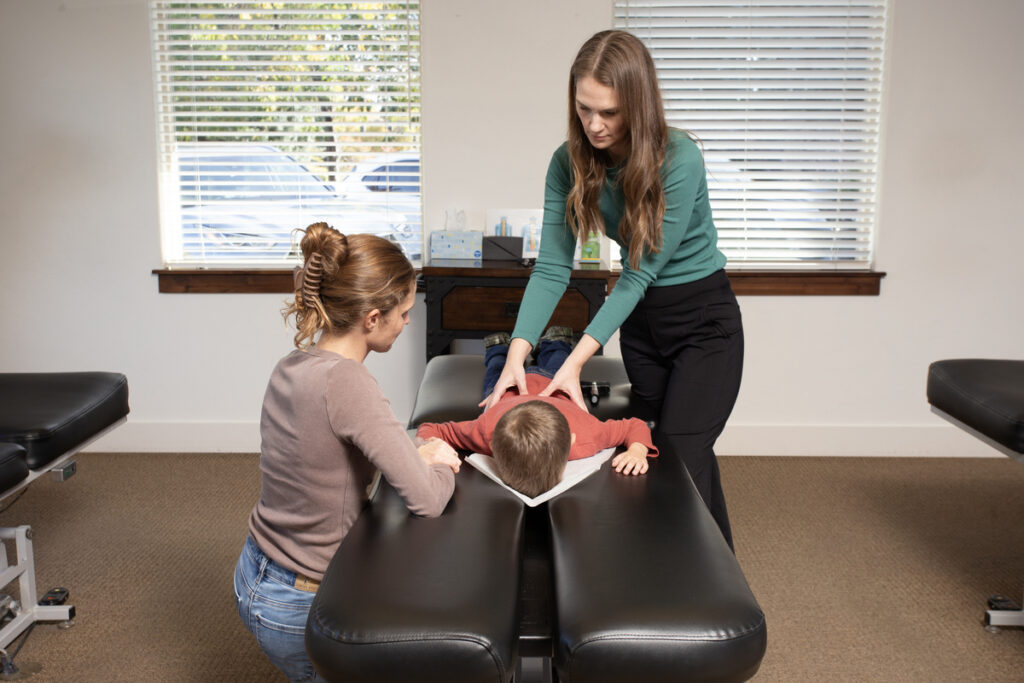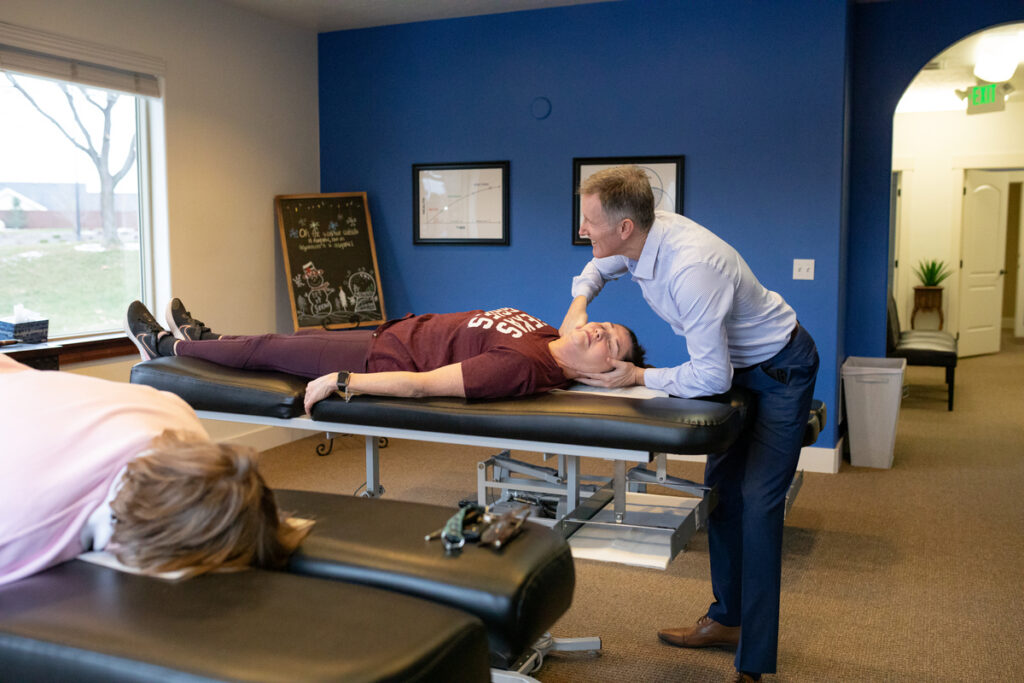

As your local chiropractor, I often hear questions about whether manual therapy can truly aid in your recovery from a sports injury. Techniques such as massage and joint mobilization are at the core of chiropractic care, and many athletes have experienced significant relief and enhanced mobility through these methods. While some individuals have found great success with manual therapy, others may be uncertain about its effectiveness.
Let's take a look at the latest research together. Studies indicate that manual therapy can be particularly beneficial for certain conditions, providing pain relief and improving function. However, there are also instances where its benefits may be limited. Understanding these nuances is crucial for developing a tailored recovery strategy that works best for you. Remember, my goal is to guide you through the healing process with natural, effective methods that support your body's innate ability to recover.
Understanding Manual Therapy
As a local chiropractor, I want to introduce you to the benefits of manual therapy, a hands-on treatment technique that can significantly alleviate pain and enhance your mobility. If you're recovering from a sports injury, understanding this natural healing approach is essential for your recovery journey.
Manual therapy involves the skilled manipulation of soft tissues and joints, designed to restore function and reduce discomfort. When you visit my practice, I'll use my hands to apply targeted pressure and mobilize your muscles, tendons, and ligaments. This technique helps stimulate blood flow to the affected area, promoting healing by delivering vital nutrients to the injured tissues.
Many of my patients report feeling an immediate improvement in muscle tension and overall mobility following a session.
It's important to recognize that manual therapy is holistic in nature. It goes beyond merely treating the injury; it also addresses underlying factors that may have contributed to your pain. Whether it's poor posture, muscular imbalances, or limited flexibility, we can work together to identify and correct these issues, supporting your overall recovery.
Incorporating manual therapy into your rehabilitation plan can truly be a game-changer. It complements other treatments I provide, such as chiropractic adjustments and rehabilitative exercises, to enhance your recovery process.
Types of Manual Therapy Techniques
As a local chiropractor dedicated to your healing journey, I want to introduce you to some valuable manual therapy techniques that can significantly aid in your recovery from sports injuries.
One of the most popular methods we employ is massage therapy. This technique focuses on manipulating soft tissues to alleviate tension, enhance circulation, and promote relaxation. It can be particularly beneficial for easing sore muscles after intense physical activity.
Another effective approach is joint mobilization, where we gently move your joints to help restore their range of motion and reduce pain. If you've been feeling stiff or uncomfortable, joint mobilization can be a fantastic option to incorporate into your recovery plan.
We also utilize myofascial release, which involves applying gentle pressure to the connective tissue surrounding your muscles. This technique aims to relieve tension and improve flexibility, especially if you're struggling with chronic pain or tightness in your body.
Trigger point therapy is another valuable technique we offer. It focuses on specific areas of muscle tightness, often referred to as "knots." By applying direct pressure to these points, we can help release tension and alleviate pain. If you're experiencing muscle spasms or discomfort in certain areas, this therapy may provide significant relief.
Lastly, I want to highlight osteopathic manipulative treatment (OMT). This hands-on approach not only helps diagnose and treat various conditions but also enhances your body's natural healing ability by improving alignment and overall function.
By exploring these manual therapy techniques, we can tailor a recovery plan that suits your unique needs and aids you in returning to peak performance.
Your journey to optimal health starts here, and I'm here to guide you every step of the way.
Benefits of Manual Therapy in Recovery
As a local chiropractor, I want to share with you the transformative benefits of manual therapy in your recovery from sports injuries. One of the most significant advantages you'll experience is pain relief.
Through techniques such as mobilizations and soft tissue manipulation, we can directly target muscle tension and joint restrictions to alleviate discomfort. This relief not only enhances your comfort but also makes it easier for you to participate in essential rehabilitation exercises that are crucial for your recovery.
Another important aspect of manual therapy is its ability to improve your range of motion. After an injury, you may notice stiffness or reduced mobility in the affected area.
With tailored techniques, I can help restore flexibility, allowing you to regain functional movement. This improvement not only enhances your athletic performance but also plays a vital role in reducing the risk of re-injury.
Moreover, manual therapy promotes better blood circulation. By stimulating blood flow, these techniques facilitate the delivery of vital nutrients and oxygen to injured tissues, which can significantly speed up the healing process.
Many of my patients report quicker recovery times, enabling them to return to their favorite sports sooner.
Manual therapy is also effective in reducing inflammation. Various techniques can help decrease swelling and promote lymphatic drainage, which is especially beneficial after acute injuries.
Lastly, I want to highlight the psychological benefits of manual therapy. The hands-on approach can provide a sense of reassurance and boost your confidence as you heal.
Feeling supported and cared for can greatly motivate you to adhere to your recovery plan.
Incorporating manual therapy into your recovery regimen can greatly enhance your healing journey and help you return to peak performance.
If you're curious about how chiropractic care can assist you, I invite you to reach out and explore the natural healing options available to you.
Limitations and Considerations
When considering manual therapy for recovering from sports injuries, it's essential to understand both its advantages and limitations. As a local chiropractor dedicated to educating my patients, I want to share three important points to keep in mind:
1. Individual Responses Matter: Every person is unique, and so is their response to treatment. Factors like age, overall health, and the specifics of your injury can all influence how well manual therapy works for you.
What might be effective for one person may not yield the same results for another.
2. A Holistic Approach is Best: Think of manual therapy as part of a broader recovery strategy. While it can be beneficial, it's most effective when used alongside other rehabilitation techniques such as exercise therapy, adequate rest, and a balanced diet.
Relying solely on manual therapy could slow down your healing process.
3. Choose a Qualified Professional: It's crucial to ensure that you're receiving care from a trained and certified chiropractor. The expertise and experience of your practitioner can significantly affect your treatment outcomes.
Choosing an unqualified provider may lead to less effective care, potentially prolonging your recovery or even worsening your condition.
Expert Opinions and Research Findings
As a local chiropractor dedicated to educating my patients about chiropractic care and natural healing, it's important to understand the role of manual therapy in your recovery journey. While many people find relief and benefits from manual therapy, it's crucial to recognize that it isn't a one-size-fits-all solution. Research shows that it can effectively help reduce pain and enhance mobility, but these benefits largely depend on your unique injury and the overall treatment strategy we create together.
I firmly believe in the power of a multidisciplinary approach to healing. Manual therapy can be a fantastic complement to other rehabilitation methods, such as exercise therapy and patient education. In fact, studies indicate that when we combine manual therapy with exercise, the results can be significantly better than if we rely on either method alone.
This holistic strategy not only addresses your symptoms but also helps to strengthen the muscles and tissues that support your recovery.
Additionally, I emphasize the importance of patient-centered care. When you take an active role in your recovery plan, you're more likely to stick with the recommended treatments and exercises, which can lead to improved outcomes. Open communication between us is key to optimizing your recovery.
I encourage you to ask questions and share your thoughts, as this collaboration can greatly enhance your healing process. Together, we can work towards a healthier, more active lifestyle.
Conclusion
As a local chiropractor, I want to share how manual therapy can significantly benefit your recovery from sports injuries. Techniques such as massage and joint mobilization are key components of our practice, designed to enhance your healing process. These methods not only help alleviate pain but also improve your overall mobility.
It's essential to understand that each individual has unique needs and limitations, which is why we tailor our approach to fit you personally. By incorporating manual therapy into your recovery plan, you can boost your confidence and get back to your sport with greater ease and efficiency. If you're eager to accelerate your recovery, consider the powerful benefits of manual therapy—it might just be the support you need to get back in the game!