
You might not realize it, but your flexibility and mobility can greatly impact your daily life. Chiropractic care offers a systematic approach to enhance these aspects by correcting spinal misalignments that affect your overall well-being. By understanding how adjustments and complementary therapies work together, you can open up a new level of physical capability. But what specific techniques do chiropractors use, and how can they tailor their methods to your unique needs? Exploring these questions can provide valuable insights into optimizing your movement and comfort.
Understanding Chiropractic Care
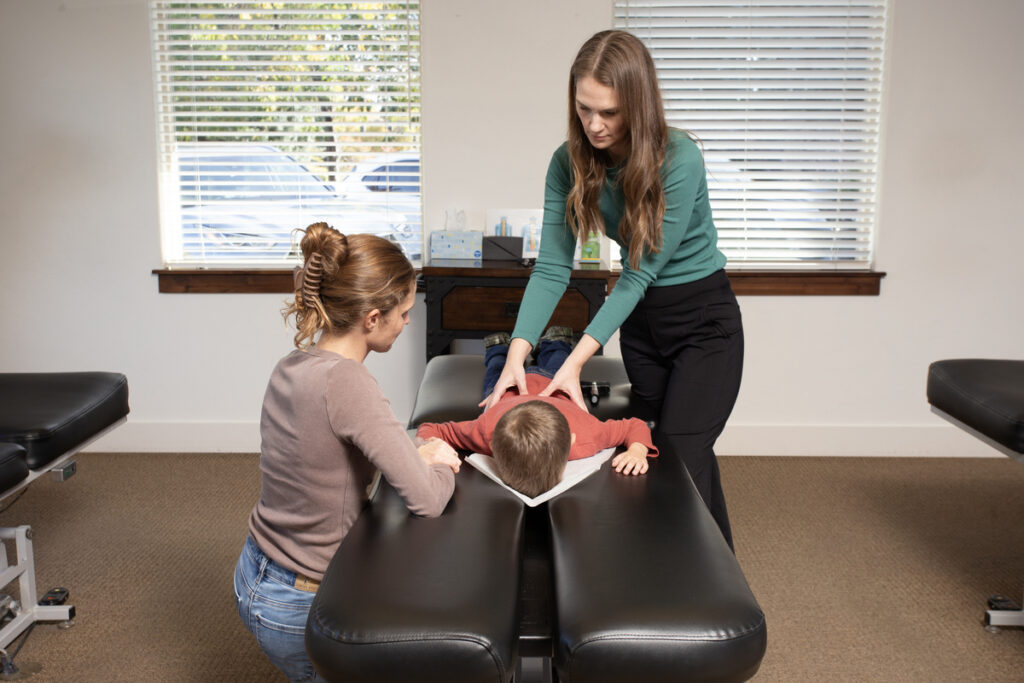
Chiropractic care is all about enhancing your body's natural ability to heal and function. When you visit a chiropractor, they're focused on aligning your spine and improving your overall well-being. By using hands-on spinal manipulation and other techniques, chiropractors aim to restore proper movement and support your body's innate healing processes.
You might wonder how this all works. Fundamentally, your spine houses the nervous system, which controls almost every function in your body. When misalignments, known as subluxations, occur, they can interfere with nerve signals. This disruption might lead to pain, discomfort, or even systemic issues. Chiropractors are trained to identify these subluxations and correct them, allowing your nervous system to operate smoothly.
During your initial visit, your chiropractor will assess your posture, range of motion, and any areas of discomfort. They'll tailor a treatment plan specific to your needs, which could include adjustments, exercises, and lifestyle recommendations. This personalized approach helps guarantee you receive the most effective care.
It's crucial to understand that chiropractic care isn't just about addressing immediate pain. It's also about promoting long-term health. Regular adjustments can improve your mobility, enhance your body's functionality, and prevent future injuries.
Importance of Flexibility
Flexibility plays an important role in maintaining your overall health and physical performance. It's not just about being able to touch your toes; flexibility impacts your daily activities, exercise routines, and even your posture. When you're flexible, your body can move more freely, reducing the risk of injury during physical activities. This means you can engage in sports, workouts, or even everyday tasks like bending down to pick something up with greater ease.
Additionally, good flexibility supports joint health. When your muscles and tendons are flexible, they help maintain proper alignment and function of your joints. This can prevent wear and tear that often leads to discomfort and chronic pain. Enhanced flexibility can also boost your athletic performance. Whether you're running, swimming, or lifting weights, being flexible allows your body to perform movements efficiently and effectively.
Moreover, flexibility contributes to better circulation. Improved blood flow helps deliver nutrients to your muscles and remove metabolic waste, promoting recovery after physical activity. It can also ease tension in your muscles, enhancing relaxation and reducing stress, which is crucial for your mental well-being.
Incorporating flexibility training into your routine can lead to lasting benefits. Simple practices such as stretching or yoga can greatly improve your flexibility over time.
Common Causes of Limited Mobility
Limited mobility can often stem from a sedentary lifestyle, which weakens your muscles and joints over time.
As you age, you might also experience joint stiffness that further restricts your movement.
Understanding these common causes can help you take proactive steps toward improving your flexibility and mobility.
Sedentary Lifestyle Effects
In today's fast-paced world, many people find themselves sitting for hours on end, which can lead to a host of mobility issues. When you're glued to your chair, your muscles and joints become stiff, limiting your range of motion. You might notice that simple tasks, like bending over to tie your shoes or reaching for something on a high shelf, become increasingly difficult.
A sedentary lifestyle can weaken your core and leg muscles, making it harder to maintain balance and stability. This may increase your risk of falls, especially as you age. Additionally, prolonged sitting can contribute to poor posture, which can further strain your back and neck, exacerbating any existing discomfort.
You might also experience tightness in your hips and lower back, which can make it uncomfortable to stand up after sitting for a while.
Regular movement is vital for keeping your body flexible and mobile. Incorporating short breaks throughout your day to stretch or take a quick walk can greatly improve your mobility and overall well-being.
Don't underestimate the power of movement; it's essential for a healthier, more active life.
Age-Related Joint Stiffness
As you age, joint stiffness can become a significant barrier to maintaining an active lifestyle. This stiffness often stems from several factors, including wear and tear on your joints, decreased synovial fluid production, and changes in cartilage.
These changes can lead to discomfort and restricted movement, making activities you once enjoyed feel challenging or even impossible. Inflammation from conditions like arthritis can further exacerbate stiffness, limiting your range of motion.
Additionally, sedentary habits may contribute by weakening the muscles around your joints, further reducing flexibility. You might notice that simple tasks, like bending down to tie your shoes or reaching for items on a shelf, become increasingly difficult.
Fortunately, chiropractic care can help address age-related joint stiffness. By focusing on spinal alignment and joint function, chiropractors can enhance mobility and reduce discomfort.
Regular adjustments, coupled with stretches and strengthening exercises, can lead to improved flexibility and better overall joint health. Taking proactive steps now can help you maintain your range of motion, allowing you to stay active and enjoy life to the fullest.
Don't let age-related stiffness hold you back; consider incorporating chiropractic care into your routine.
How Chiropractic Adjustments Work
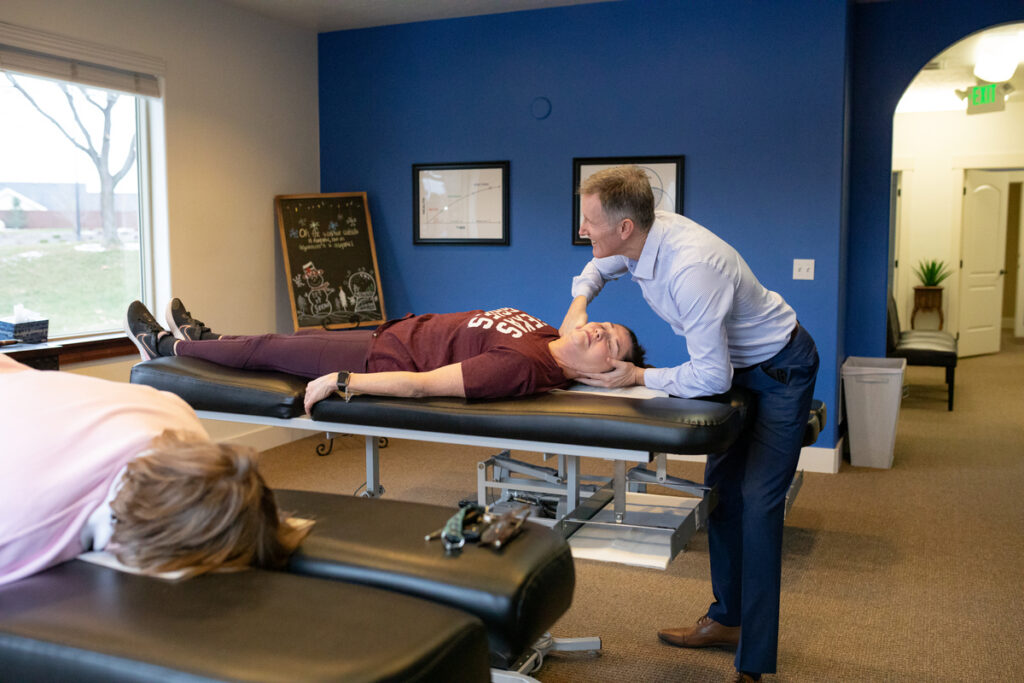
Chiropractic adjustments involve precise manipulations of the spine and joints to restore proper alignment and function. When you're experiencing stiffness or discomfort, these adjustments target specific areas where misalignments may occur, often referred to as subluxations. By applying controlled force, your chiropractor helps realign the bones and joints, promoting better movement and reducing pain.
During an adjustment, your chiropractor assesses your posture, range of motion, and any areas of tension. This thorough evaluation allows them to identify which joints need attention. You might feel a quick thrust or a gentle push, which can result in a popping or cracking sound. This sound is simply gas being released from the joint, indicating that the adjustment has been effective.
Once your spine and joints are properly aligned, your body can function more efficiently. Improved alignment helps reduce nerve irritation, enhances blood flow, and encourages better communication between your brain and body. As a result, you may notice increased flexibility, mobility, and overall wellness.
Chiropractic adjustments also aid in reducing inflammation and promoting the healing process in your body. By addressing the root cause of your discomfort, rather than just masking the symptoms, you'll likely experience long-lasting benefits.
Regular adjustments can help maintain ideal alignment, allowing you to move more freely and enjoy an active lifestyle. Ultimately, these adjustments play an essential role in enhancing your overall quality of life.
Techniques Used in Chiropractic Care
Various techniques are employed in chiropractic care to address individual needs and conditions. You might encounter manual adjustments, which involve precise movements to realign your spine and joints. This technique helps to alleviate pain and improve your overall mobility. Chiropractors often use their hands or specialized instruments to perform these adjustments, ensuring they're tailored to your specific issues.
Another common technique is soft tissue therapy. This method focuses on muscles, ligaments, and tendons, helping to relieve tension and improve flexibility. Your chiropractor may use massage, stretching, or trigger point therapy to address tight areas, allowing for better movement and reduced discomfort.
Active Release Technique (ART) is another approach you might experience. ART is a hands-on technique that targets specific muscles and soft tissues, breaking down scar tissue and adhesions that can limit your range of motion. If flexibility is a goal, this technique can be especially beneficial.
You could also find that your chiropractor incorporates rehabilitative exercises into your treatment plan. These exercises are designed to strengthen weak areas, improve stability, and enhance overall functionality. By actively participating in your recovery, you'll likely see significant improvements in your flexibility and mobility.
Finally, your chiropractor might use modalities like ultrasound or electrical stimulation to complement manual techniques. These tools can help reduce inflammation and promote healing, further supporting your chiropractic care journey.
Each of these techniques plays a vital role in personalizing your treatment and achieving ideal results.
Benefits of Improved Flexibility
Improved flexibility can greatly enhance your overall well-being and daily performance. When you increase your flexibility, you'll notice a range of benefits that can positively impact both your physical and mental health.
For starters, enhanced flexibility helps reduce the risk of injuries during activities like exercise or even everyday tasks. When your muscles and joints move freely, you're less likely to strain or sprain them.
Additionally, improved flexibility can lead to better posture. As your body becomes more flexible, you'll find it easier to maintain proper alignment, which can alleviate back pain and discomfort. This not only boosts your comfort during the day but also improves your confidence in how you carry yourself.
Flexibility also plays an essential role in your athletic performance. Whether you're running, cycling, or participating in sports, being flexible allows for a greater range of motion, which can enhance your speed and agility. You may find that activities that once felt challenging become much easier as your body adapts.
Moreover, improved flexibility can help reduce muscle soreness and tension. After a workout or a long day, stretching those tight areas can bring relief and promote quicker recovery. You'll likely feel more relaxed and ready to tackle whatever comes next.
Incorporating chiropractic care into your routine can greatly aid in achieving these flexibility benefits. By focusing on spinal alignment and muscle balance, you're setting the stage for a more flexible, agile, and healthier you.
Complementary Therapies for Mobility
When it comes to enhancing your mobility, complementary therapies can play a crucial role alongside traditional chiropractic care. These therapies can help you achieve better movement, alleviate pain, and promote overall wellness. By incorporating various modalities, you can create a more holistic approach to improving your mobility.
One popular complementary therapy is massage therapy. It works wonders in releasing tension in your muscles, increasing blood flow, and promoting relaxation. Regular sessions can help you maintain a greater range of motion and reduce stiffness, making it easier for you to move throughout your day.
Another effective option is acupuncture. This ancient practice focuses on stimulating specific points in your body to restore balance and alleviate pain. Many people find that acupuncture helps improve mobility by reducing inflammation and promoting healing in joints and muscles.
Yoga is another excellent complementary therapy. By practicing yoga, you can enhance your flexibility and strength while also promoting mindfulness. The various poses and stretches can help you become more aware of your body, allowing you to move more freely and confidently.
Lastly, consider incorporating essential oils into your routine. Certain oils, like peppermint and lavender, can relieve muscle tension and promote relaxation. By using them in conjunction with your chiropractic care, you can further enhance your mobility and overall well-being.
Exercises to Enhance Flexibility
To enhance flexibility, incorporating specific exercises into your routine can make a significant difference. Stretching exercises are essential, as they target various muscle groups and promote elasticity. Consider starting with dynamic stretches like leg swings and arm circles. These movements warm up your muscles and prepare them for deeper stretching.
Next, include static stretches, which involve holding a stretch for 15 to 30 seconds. Focus on key areas such as your hamstrings, quadriceps, and shoulders. For instance, try a seated forward bend to stretch your hamstrings. Sit on the floor with your legs extended, reach for your toes, and hold. This stretch not only improves flexibility but also helps relieve tension in your lower back.
Incorporating yoga into your routine can also boost flexibility. Poses like Downward Dog and Cat-Cow are excellent for stretching multiple areas of your body while promoting mindfulness. Aim for at least two yoga sessions per week to see noticeable improvements.
Don't forget about your hips; they play a vital role in overall flexibility. Exercises like the butterfly stretch and lunges can help open up tight hip flexors.
Finally, consistency is key. Make these exercises a regular part of your fitness routine, and you'll gradually notice increased flexibility. You'll feel more agile in your daily activities and benefit from enhanced mobility during workouts.
Tips for Maintaining Mobility
Maintaining mobility is crucial for staying active and enjoying daily activities without discomfort. To guarantee you stay limber and agile, consider incorporating a few simple tips into your daily routine.
First, make stretching a priority. Spend a few minutes each day performing gentle stretches, focusing on major muscle groups like your back, legs, and arms. This helps keep your muscles flexible and reduces stiffness. Remember to breathe deeply and hold each stretch for at least 15-30 seconds.
Next, stay active! Regular physical activity is essential for maintaining mobility. Aim for at least 150 minutes of moderate aerobic activity each week. Activities like walking, swimming, or cycling can keep your joints and muscles engaged.
Don't forget to include strength training exercises at least twice a week to improve muscle support around your joints.
In addition, pay attention to your posture. Poor posture can lead to discomfort and limit your range of motion. When sitting or standing, align your head, shoulders, and hips to maintain a neutral spine.
Hydration also plays a key role in joint health. Drink plenty of water throughout the day to keep your joints lubricated and functioning properly.
Finally, listen to your body. If you experience discomfort during activities, take breaks and modify your movements as needed.
When to Seek Chiropractic Help
Many people wonder when it's the right time to seek chiropractic help. If you're experiencing persistent pain in your back, neck, or joints, it's a good idea to consult a chiropractor. Ignoring these symptoms can lead to further complications and decreased mobility over time.
Also, if you've recently had an injury, whether from sports or an accident, a chiropractor can assess your condition and help you recover more effectively. Early intervention can often speed up healing and restore function.
You should also consider seeking chiropractic care if you notice a decrease in your flexibility or range of motion. If simple tasks like bending down or reaching overhead become challenging, it's time to get professional help.
Another indicator that you might need chiropractic assistance is if you experience frequent headaches or migraines. Many headaches stem from tension in the neck and spine, and a chiropractor can help alleviate that tension.
Lastly, don't hesitate to reach out for chiropractic care if stress is causing physical symptoms, such as muscle tightness or discomfort. Chiropractors can provide relief by addressing misalignments caused by stress-related tension.
Conclusion
Incorporating chiropractic care into your wellness routine can greatly boost your flexibility and mobility. By addressing spinal misalignments and employing targeted techniques, you can enhance your range of motion and reduce injury risks. Remember to include complementary therapies and exercises for the best results. Stay proactive about your health, and don't hesitate to seek chiropractic help when needed. With regular sessions, you'll feel more confident and capable in your daily activities. Embrace the benefits of chiropractic care!