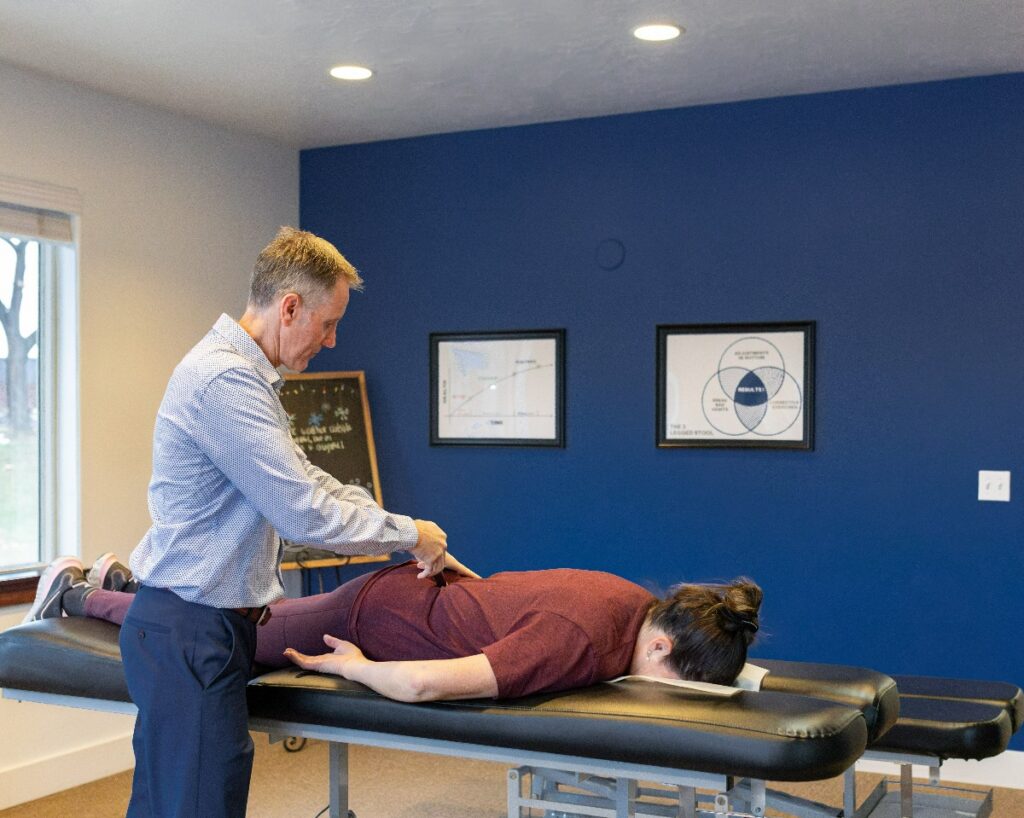

As a local chiropractor dedicated to helping you manage your back pain, I want to emphasize the importance of how you hold your body. The way you position yourself—whether you’re standing, sitting, or lying down—can have a profound impact on your comfort and overall well-being. Different posture techniques can provide unique benefits tailored to the specific areas of discomfort you may experience.
It’s crucial to consider your daily habits and their effects on your posture. Many people are surprised to learn that even small adjustments in how they carry themselves can lead to significant relief from pain. By understanding and implementing effective posture methods, you can take proactive steps toward improving your condition. Are you ready to delve into the best practices for your specific situation and experience the healing benefits of proper posture? Let’s work together to find what works for you!
Understanding the Impact of Posture on Back Pain
As a local chiropractor, I often see patients unaware of how their everyday posture can significantly affect their back health. Many people don’t realize that slouching or sitting in awkward positions can contribute to their discomfort. Poor posture places unnecessary strain on your muscles and ligaments, leading to tension and pain.
Consider how frequently you lean forward while working on your computer or hunch over your phone—these common habits can misalign your spine and result in persistent pain throughout your day.
To help alleviate this issue, I encourage my patients to focus on maintaining a neutral spine. This means keeping your shoulders back and aligning your ears with your shoulders. When you stand, aim to distribute your weight evenly across both feet.
If you find yourself sitting for extended periods, investing in supportive furniture designed to promote good posture can make a world of difference.
The Importance of Ergonomics in Daily Activities
As a local chiropractor, I want to emphasize the importance of ergonomics in your daily life, especially when it comes to protecting your back health.
Many people are unaware of how their workspace setup and everyday interactions with their environment can significantly influence their comfort and well-being. Understanding and applying ergonomic principles can help you maintain proper posture, reduce strain, and ultimately prevent discomfort.
Here are some practical tips to enhance your workspace ergonomically:
- Position your computer screen at eye level: This simple adjustment can help avoid unnecessary neck strain, which can lead to discomfort and misalignment over time.
- Choose a supportive chair: Select a chair that provides adequate support for your lower back and promotes good posture. This can make a significant difference in how you feel throughout the day.
- Keep your feet flat on the floor: Ensure your feet can rest flat on the floor or consider using a footrest to maintain proper alignment and circulation.
- Organize your workspace: Place frequently used items within arm’s reach to minimize stretching and awkward movements that could lead to strain.
- Take regular breaks: Remember to stand up, stretch, and move around periodically. This helps alleviate tension and keeps your body engaged.
By integrating these small adjustments into your daily routine, you can greatly enhance your comfort and support your overall health.
If you have any questions or would like to learn more about how chiropractic care can benefit you, feel free to reach out. Your well-being is our priority!
Standing Posture: Techniques for Relief
As a local chiropractor, I want to share some important insights about maintaining proper standing posture to help relieve back pain and enhance your overall comfort.
It all starts with how you distribute your weight; aim to keep it evenly balanced on both feet, with your feet shoulder-width apart. This simple adjustment can significantly reduce strain on your spine.
Make sure to keep your knees slightly bent instead of locking them. This allows for better support and flexibility. Engaging your core muscles is crucial, as they provide stability to your entire frame.
Be mindful not to overarch your lower back, as this can lead to discomfort over time. Your shoulders should be relaxed and aligned with your ears, and it’s essential to keep your head level and facing forward.
The choice of footwear also plays a significant role in your posture and comfort—opt for supportive shoes to help maintain proper alignment.
If you find yourself standing for long periods, it’s beneficial to shift your weight from one foot to the other or even rest one foot on a small stool to alleviate pressure on your lower back.
By incorporating these techniques into your daily routine, you can make a considerable difference in managing back pain and improving your overall comfort.
Sitting Posture: Best Practices for Comfort
As a local chiropractor, I often see the impact that poor sitting posture can have on your overall health and comfort. When you spend long hours sitting, the right chair can significantly improve your well-being.
I encourage my patients to consider investing in an ergonomic chair, as it’s designed to support the natural curves of your spine and reduce strain on your back.
Additionally, it’s crucial to pay attention to how your feet are positioned while seated. Keeping your feet flat on the ground or on a footrest helps maintain proper alignment of your hips and spine, which can alleviate discomfort and prevent future issues.
These small adjustments in your sitting posture can lead to considerable relief and enhance your overall quality of life. Remember, taking care of your body is essential, and I’m here to guide you on your journey to better health.
Ergonomic Chair Selection
As a local chiropractor, I often see patients struggling with back pain, especially those who spend long hours sitting in front of a desk. One crucial step in alleviating discomfort and promoting a healthier spine is choosing the right ergonomic chair. A chair designed with ergonomics in mind can make a significant difference in your posture and overall comfort.
Here are some key features to look for when selecting an ergonomic chair:
- Adjustable seat height: This feature is vital as it ensures that your feet are flat on the ground, which helps maintain proper alignment of your spine and pelvis.
- Lumbar support: A chair with good lumbar support is essential for providing the right support to your lower back, reducing strain and helping to prevent pain.
- Seat depth: The seat depth should allow you to sit back comfortably while leaving a few inches of space between your knees and the chair. This positioning promotes better circulation and comfort.
- Armrest height: Adjustable armrests are important for preventing shoulder strain. They should support your arms at a height that allows your shoulders to relax.
- Swivel base: A swivel base allows you to turn and reach for items without twisting your spine, which can help prevent discomfort and injury.
By selecting the right ergonomic chair, you can create a workspace that not only enhances your comfort but also supports your spine’s natural alignment. This is an important step in your journey toward better health and reduced back pain.
Proper Foot Placement
As a local chiropractor, I want to emphasize the importance of proper foot placement for your sitting posture and overall comfort. When you sit, it’s crucial to keep your feet flat on the floor or on a footrest. This simple adjustment helps distribute your weight evenly and alleviates strain on your lower back, which can ultimately enhance your well-being.
Many people unknowingly cross their legs while sitting, which can lead to poor circulation and tension in the hips. Instead, I encourage you to position your feet shoulder-width apart, ensuring that your knees align with your hips.
If your feet don’t quite reach the ground, don’t hesitate to use a footrest to maintain proper alignment.
By being mindful of how you position your feet, you can significantly improve your sitting experience, reduce discomfort, and promote better posture throughout your day.
Lying Down: Finding the Right Position
As a chiropractor dedicated to helping my patients find relief from back pain, I want to emphasize the importance of your sleeping position when it comes to recovery. It’s crucial to position your body in a way that reduces strain on your spine, which can significantly ease discomfort.
Here are some valuable tips to guide you toward a more comfortable sleeping posture:
- Lie on your back: This position is often the best for spinal alignment. By placing a pillow under your knees, you help maintain the natural curve of your lower back, allowing your spine to rest in a neutral position.
- Side sleeping: If you feel more comfortable on your side, I recommend placing a pillow between your knees. This simple adjustment helps keep your hips aligned, reducing the risk of twisting your spine throughout the night.
- Avoid stomach sleeping: I can’t stress enough that sleeping on your stomach can place excessive strain on both your neck and spine. This position often leads to discomfort and misalignment, so it’s best to steer clear of it.
- Choose the right mattress: A supportive mattress is essential for your overall sleep quality. Look for one that conforms to your body’s contours while providing the necessary support to maintain proper spinal alignment.
- Pillow support: Make sure your pillow is appropriate for your sleeping position. It should support your head and neck without causing your head to tilt too far up or down, which can lead to additional strain.
I encourage you to experiment with these positions to discover what feels most comfortable for you.
By being mindful of your lying posture, you can significantly reduce discomfort and aid in your healing process.
Stretching and Strengthening Exercises for Better Posture
As a local chiropractor, I want to emphasize the importance of not just how you sleep, but also how you move throughout the day. Many of my patients experience back pain, and I’ve found that incorporating stretching and strengthening exercises into your daily routine can significantly improve your posture and overall spinal health.
Starting with gentle stretches is a great way to enhance flexibility and relieve tension in your back. I often recommend poses like the cat-cow or child’s pose—these can be easily done at home and are fantastic for loosening up tight muscles. Additionally, chest openers can help counteract the slumping posture that many of us develop from prolonged sitting.
Building strength is equally important. Focusing on exercises that target your core and back muscles can greatly benefit your posture. Planks and bridges are particularly effective as they engage multiple muscle groups, supporting an upright position. You might also consider incorporating resistance training with bands or weights to strengthen your upper back and shoulders.
I suggest creating a balanced routine that dedicates time to both stretching and strengthening. Even dedicating just 15 minutes a day can lead to remarkable improvements in how you carry yourself.
Tools and Aids to Improve Posture
As your local chiropractor, I want to share some valuable tools that can significantly enhance your posture and overall spinal health.
Ergonomic chairs and posture correctors are excellent aids that can provide the necessary support for maintaining proper spinal alignment during your daily activities.
By incorporating these tools into your routine, you can effectively manage back pain and promote better posture.
Let’s take a closer look at how these aids can contribute to your journey toward natural healing and a healthier back.
Ergonomic Chairs Benefits
As a local chiropractor dedicated to your health and well-being, I often encounter patients who struggle with back pain and discomfort. One solution I highly recommend is investing in an ergonomic chair.
These chairs are specifically designed to support your body in a way that promotes proper posture and reduces strain on your back. Here are some of the key benefits you can expect from using an ergonomic chair:
- Improved Lumbar Support: An ergonomic chair offers enhanced lumbar support, which helps to keep your spine aligned and reduces the risk of developing chronic back issues.
- Customizable Features: Many ergonomic chairs come with adjustable height and armrests, allowing you to personalize your seating position for maximum comfort.
- Encouragement of Dynamic Sitting: These chairs promote dynamic sitting, which encourages movement and helps prevent stiffness during long periods of sitting.
- Increased Comfort: You’ll likely experience greater comfort, even during extended hours of sitting, which can significantly enhance your productivity.
- Reduction of Fatigue: By alleviating discomfort and promoting better posture, ergonomic chairs can help reduce fatigue and keep you feeling energized throughout the day.
By choosing an ergonomic chair, you’re taking an important step towards improving your posture, reducing pain, and supporting your overall health.
As your chiropractor, I’m here to help guide you on your journey to natural healing and a pain-free life.
Posture Correctors Overview
As a chiropractor, I want to emphasize that investing in an ergonomic chair is just the beginning of your journey towards better posture and overall back health.
Posture correctors, such as braces and adjustable supports, can play a significant role in enhancing your spinal alignment. These tools work by gently pulling your shoulders back and promoting proper spinal positioning, making it much easier for you to maintain good posture throughout the day.
Additionally, I recommend considering lumbar rolls or cushions that provide support to your lower back while you’re sitting. There are even innovative wearable devices that vibrate when you start to slouch, giving you immediate feedback to help you correct your posture.
While it’s important to note that these aids aren’t a complete solution on their own, they serve as valuable reminders to be mindful of your posture.
It’s crucial to remember that combining these tools with regular movement and stretching exercises is essential for achieving long-term back health.
As your chiropractor, I encourage you to adopt a holistic approach to your well-being, integrating these aids with chiropractic care and lifestyle changes for the best results.
Mindfulness and Body Awareness in Posture Correction
As a local chiropractor, I want to share with you the importance of combining mindfulness and body awareness with your posture correction efforts. Many individuals often focus only on physical adjustments, but incorporating these mindful practices can significantly enhance your results.
By tuning into your body, you can more easily identify areas of tension and misalignment, making your corrections more effective. Here are some techniques I recommend incorporating into your routine:
- Breathe deeply: This simple practice helps to center you, promotes relaxation, and prepares your body for change.
- Perform body scans: Take a moment to notice where you might be holding tension or discomfort. This awareness is the first step toward improvement.
- Visualize: Picture yourself with proper posture. Imagine how it feels and looks; this mental image can guide your physical adjustments.
- Engage in regular movement breaks: Throughout your day, take short breaks to reset your posture. This keeps your body from becoming stiff and misaligned.
- Practice mindful stretching: Gentle stretches not only release tight muscles but also improve your overall flexibility, which is crucial for maintaining good posture.
By integrating these mindfulness techniques with chiropractic care, you’ll find that your posture correction journey becomes much more effective and holistic.
Long-Term Strategies for Maintaining Good Posture
As a local chiropractor, I want to emphasize that maintaining good posture isn’t just a fleeting goal; it demands ongoing dedication and practice.
To support your spine and overall wellness, I recommend incorporating regular stretching and strengthening exercises into your daily routine. Focus particularly on your core, back, and shoulder muscles, as these play a crucial role in maintaining proper alignment.
Throughout your day, set reminders to check your posture, especially when you find yourself sitting or standing for extended periods. Investing in ergonomic furniture or supportive tools can significantly enhance your workspace and promote healthier posture.
In addition to physical adjustments, practicing mindfulness techniques can help you become more aware of your body’s position. This increased awareness allows you to correct any tendencies to slouch or lean.
If you’re unsure where to start or want personalized guidance, I encourage you to consider consulting with a chiropractor. We can provide tailored strategies and adjustments that cater to your specific needs.
By integrating these practices into your life, you’ll cultivate habits that not only enhance your posture but also contribute to long-term relief from discomfort and potential back pain.
Conclusion
As your local chiropractor, I want to emphasize the importance of incorporating effective posture techniques into your daily routine to help alleviate back pain. Whether you find yourself standing, sitting, or lying down, prioritizing proper alignment and support is crucial. It’s not just about feeling comfortable in the moment; it’s also about preventing future discomfort.
By integrating simple practices such as stretching and strengthening exercises, along with being mindful of your body’s position, you can develop sustainable habits that promote long-term back health. I encourage you to take these strategies to heart, as they can lead you towards a healthier, pain-free life. Remember, chiropractic care is here to support you in this journey, helping you understand how your body works and guiding you towards natural healing solutions.