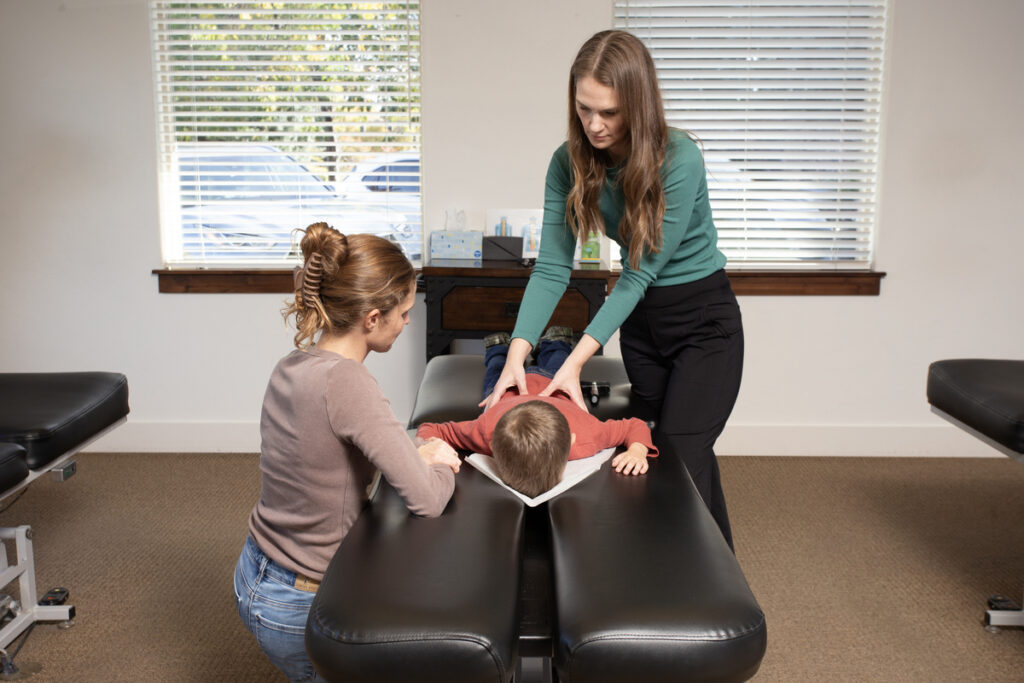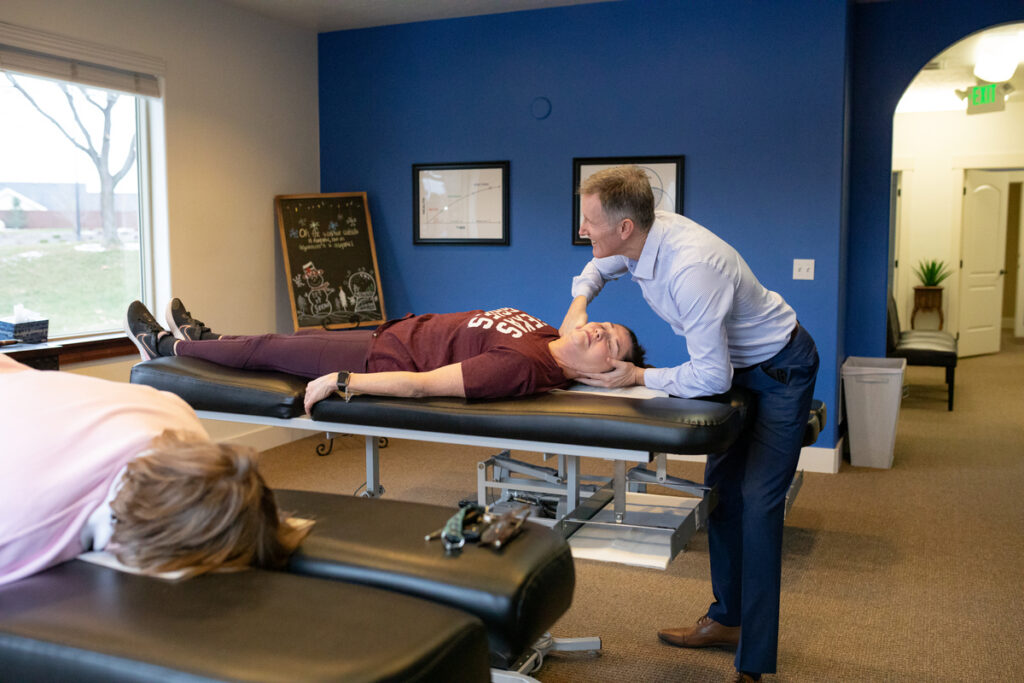

As a local chiropractor, I want to help you understand the various recovery techniques available when faced with a sports injury. Many people are familiar with traditional physical therapy, which often focuses on structured rehabilitation exercises. However, I encourage you to also consider chiropractic care as a valuable alternative.
Chiropractic care takes a holistic approach to healing, emphasizing the connection between the body's structure and its function. By addressing misalignments in the spine and joints, we can enhance your body's natural ability to heal itself. This method not only alleviates pain but also promotes overall well-being.
In addition to chiropractic adjustments, techniques such as acupuncture can complement your recovery by promoting circulation and reducing inflammation. It's important to recognize that each recovery method has its unique benefits, and understanding how they compare can be crucial for your healing journey.
As you explore your options, consider what combination of treatments might work best for you. The path to recovery can be multifaceted, and I'm here to guide you through the process, ensuring that you find the most effective approach for your individual needs. Your recovery journey may be more intricate than you initially thought, but with the right support and knowledge, you can achieve optimal healing.
Understanding Sports Injuries
Sports injuries are something I see quite often in my practice, affecting people from all walks of life—whether you're a professional athlete or someone who enjoys weekend sports. It's crucial to understand the different types of injuries and their underlying causes, as this knowledge is essential for effective healing and recovery. Injuries can range from sprains and strains to fractures and concussions, and each type requires a tailored approach to treatment.
When you engage in physical activity, you're placing stress on your muscles, joints, and ligaments. Occasionally, this stress may exceed what your body can manage, resulting in injury. Factors such as poor physical conditioning, skipping warm-ups, or using improper techniques can heighten your risk of injury. I always encourage my patients to listen to their bodies and pay attention to warning signs, such as ongoing pain, swelling, or restricted movement.
Environmental factors can also contribute to sports injuries. For example, uneven playing surfaces, adverse weather conditions, and the wrong type of footwear can increase your risk. By staying aware of your surroundings and ensuring you're equipped with appropriate gear, you can significantly reduce the likelihood of injuries before they occur.
Additionally, we can't ignore the psychological aspects of sports performance. A fear of injury can create hesitation, which in turn may lead to an increased chance of getting hurt. Understanding your body mechanics and recognizing your limitations can help foster a safer environment for your sporting activities.
As a chiropractor, I emphasize the importance of a holistic approach to injury prevention and recovery. By focusing on natural healing methods and proper body alignment, we can't only address existing injuries but also help you develop resilience against future ones.
Traditional Physical Therapy
When it comes to recovering from sports injuries, chiropractic care can be a vital component of your rehabilitation journey. Unlike traditional physical therapy, which often focuses on exercises and modalities, chiropractic care emphasizes the body's natural ability to heal itself. As a chiropractor, I aim to restore proper alignment and function to your spine and joints, helping to alleviate pain and improve your overall mobility.
During your initial visit, I'll conduct a thorough assessment of your condition and develop a personalized treatment plan tailored to your specific needs. This plan may include spinal adjustments, soft tissue techniques, and recommendations for lifestyle changes that promote healing. By addressing the root cause of your discomfort, we can work together to enhance your recovery and prevent future injuries.
One of the great advantages of chiropractic care is its holistic approach. You'll be actively involved in your recovery process, learning exercises and stretches designed to support your healing and strengthen the areas affected by your injury. This engagement not only helps you regain confidence in your movements but also fosters a deeper understanding of your body and its mechanics.
Throughout your treatment, I'll carefully monitor your progress, making adjustments to your care plan as needed to ensure optimal results. We'll address not just the injured area, but any underlying issues that could lead to future complications.
Additionally, I'll provide you with education on injury prevention strategies, equipping you with the knowledge to minimize the risk of re-injury. By understanding how your body functions and the importance of proper alignment, you'll be better prepared to maintain your physical health in the long run.
Cryotherapy Benefits
As a local chiropractor, I want to share with you the incredible benefits of cryotherapy and how it can greatly aid in your recovery process.
This natural healing method helps to reduce inflammation and alleviate pain, which means you can return to your training routine much quicker.
Additionally, cryotherapy enhances circulation, promoting faster muscle recovery so you can feel rejuvenated and prepared for your next workout.
It's a fantastic option for those looking to support their body through natural means and improve overall well-being.
Reduced Inflammation and Pain
As a local chiropractor, I want to share the benefits of cold therapy in managing inflammation and pain, which can significantly aid your recovery process.
When you expose your body to cold temperatures, it causes blood vessels to constrict, which helps reduce swelling and inflammation around injuries. This reduction not only alleviates discomfort but also creates an optimal environment for healing.
You may notice immediate relief after a cryotherapy session, as the cold effectively numbs nerve endings and dulls the pain signals sent to your brain. This can be particularly useful after intense workouts or following any injury.
The key is to apply cold therapy as soon as possible, as it can be highly effective in lowering both inflammation and pain levels.
Incorporating cold therapy into your recovery routine is quite simple. Options include ice packs, cold baths, or even cryo chambers, depending on what works best for you and what you have access to.
Just remember to limit your exposure time to avoid frostbite—typically around 15 to 20 minutes is ideal.
Enhanced Muscle Recovery
As a local chiropractor, I want to share the benefits of cold therapy for muscle recovery, especially if you're new to chiropractic care and natural healing methods.
Cold therapy is a powerful tool that not only helps manage inflammation and pain but also significantly enhances muscle recovery.
When you expose your muscles to cold temperatures, it can effectively reduce soreness and speed up the healing process. This is because cold therapy lowers the metabolic rate of your muscle cells, which helps prevent further damage and allows you to bounce back to peak performance much quicker.
Incorporating techniques such as ice baths or localized cold packs can be particularly beneficial after intense workouts or sports activities. Many of my patients have reported feeling less fatigued and more prepared for their next workout session.
Additionally, the numbing effect of cold therapy can help you push through challenging training sessions by temporarily dulling discomfort.
By integrating cold therapy into your recovery routine, you can enhance the overall quality of your workouts. Many individuals notice increased strength and endurance over time, which contributes to better performance in their chosen sports or activities.
By prioritizing enhanced muscle recovery through cold therapy, you're not only investing in your immediate well-being but also setting yourself up for long-term success in both training and competition.
If you have any questions about how to incorporate cold therapy into your routine or how chiropractic care can further support your recovery, feel free to reach out. I'm here to help guide you on your journey to improved health and performance!
Improved Circulation Benefits
As a local chiropractor dedicated to your health and wellness, I want to share with you one of the remarkable benefits of cryotherapy—its ability to enhance circulation.
When your body is exposed to extreme cold, your blood vessels constrict, and when you return to a warmer temperature, they dilate. This natural process significantly boosts blood flow throughout your body, delivering vital nutrients and oxygen to your muscles and tissues.
Improved circulation can play a crucial role in speeding up your recovery, particularly after intense workouts or injuries.
Here are some important benefits of enhanced circulation that you can experience through cryotherapy:
- Faster Healing: By promoting increased blood flow, cryotherapy helps your body recover more quickly from injuries, allowing you to get back to your daily activities sooner.
- Reduced Swelling: Enhanced circulation aids in eliminating excess fluid, which can help minimize inflammation and discomfort.
- Pain Relief: Improved blood flow can alleviate pain and reduce muscle soreness, making it easier for you to move and enjoy life.
- Boosted Performance: With better circulation, you may notice an improvement in your overall athletic performance, enabling you to push your limits safely.
Incorporating cryotherapy into your wellness routine can complement the chiropractic care you receive, supporting your body's natural healing processes.
I encourage you to explore this exciting treatment option as part of your journey toward optimal health!
Acupuncture for Recovery
As a local chiropractor, I often see athletes exploring various methods to enhance their recovery, and I want to highlight the benefits of acupuncture as a natural healing option. This ancient Chinese practice involves the insertion of thin needles into specific points on the body, promoting healing and alleviating pain. Many may not realize just how effective acupuncture can be for addressing sports injuries.
When an athlete experiences an injury, inflammation and pain often accompany it, which can significantly slow down the healing process. Acupuncture can play a vital role in this scenario by encouraging blood flow to the affected areas, thus helping to reduce inflammation and expedite recovery. Moreover, it stimulates the release of endorphins—your body's natural painkillers—which can greatly enhance your comfort during this time.
If you have concerns about needles, rest assured that acupuncture needles are much thinner than those used for injections. In fact, most people report feeling only a slight tingling sensation or sometimes nothing at all.
During an acupuncture session, many find the experience quite relaxing, which can help release tension from both the body and the mind. This relaxation is important for your mental recovery, allowing you to better focus on your rehabilitation.
Incorporating acupuncture into your recovery regimen isn't solely about alleviating pain; it can also significantly enhance your overall well-being. Many athletes report improved sleep quality and reduced stress levels after treatments, both of which are crucial for optimal recovery.
If you're exploring different recovery techniques, I encourage you to consider acupuncture as a complementary therapy. By doing so, you may uncover a more holistic approach to your recovery journey that aligns with the principles of chiropractic care and natural healing.
Massage Therapy Techniques
At our chiropractic clinic, we believe in the power of massage therapy techniques to support your recovery from sports injuries. These methods are designed to alleviate muscle tension, enhance circulation, and promote relaxation, all of which can significantly expedite your return to the activities you enjoy. Understanding the different types of massage techniques available can greatly influence your healing process.
Here are some massage techniques that we often recommend to our patients:
- Swedish Massage: This technique is perfect for overall relaxation and boosting circulation. It effectively helps to relieve tension and stress in your muscles, promoting a sense of well-being.
- Deep Tissue Massage: This method focuses on the deeper layers of your muscles and connective tissue. It's particularly beneficial for addressing chronic pain and muscle tightness that may be hindering your performance.
- Sports Massage: Tailored specifically for athletes, this technique combines various methods to prepare your body for competition and facilitate recovery afterward.
- Trigger Point Therapy: This specialized approach targets tight areas in your muscles, helping to alleviate pain and improve your range of motion.
Integrating these massage techniques into your recovery plan can yield both immediate relief and long-lasting benefits. Not only do they help reduce pain and stiffness, but they also improve your flexibility and overall mobility.
As you continue to heal, regular massage sessions can help prevent future injuries by keeping your muscles healthy and resilient. We encourage you to consult with a qualified massage therapist who's experience with sports-related injuries. This will ensure that you receive the most effective care tailored to your needs.
Active Release Therapy
As a local chiropractor, I want to introduce you to an incredible method called Active Release Therapy (ART) that can greatly enhance your recovery from sports injuries.
ART takes a unique approach by addressing the root causes of pain and dysfunction rather than just treating the symptoms. This hands-on technique is designed to target specific soft tissue injuries, including muscles, fascia, tendons, and ligaments.
What makes ART particularly effective is its focus on identifying and releasing adhesions, or scar tissue, that can restrict your movement and cause discomfort.
During your ART session, I'll assess your movement patterns to pinpoint areas that may be causing issues. Using a combination of targeted manual pressure and specific movements, I'll work to break up those adhesions and help restore your body's natural function. This method not only helps in speeding up your recovery but also allows you to return to your favorite sports and activities more quickly.
One of the remarkable aspects of ART is its versatility. It effectively addresses a wide range of sports injuries, from chronic conditions like tendonitis to acute issues such as strains or sprains.
Many of my patients notice improvements in their range of motion and overall performance after just a few sessions.
Furthermore, ART encourages your body's natural healing processes by boosting blood flow and promoting the release of endorphins, which can help reduce pain.
You may also find that incorporating ART into your recovery plan enhances your overall athletic performance by improving flexibility and strength, thereby lowering your risk of future injuries.
Integrating Active Release Therapy into your wellness routine can truly be a transformative experience, enabling you to get back to the activities you love with renewed energy and resilience.
As your chiropractor, I'm here to guide you through this natural healing process and support your journey to optimal health.
Electrical Stimulation Methods
As your local chiropractor, I want to introduce you to a valuable technique that can complement your recovery journey: electrical stimulation methods. These methods harness electrical currents to stimulate nerves and muscles, effectively promoting healing and alleviating pain. If you're seeking a natural way to support your recovery, incorporating electrical stimulation could be an excellent option for you.
Let's discuss some of the key benefits of electrical stimulation methods:
- Pain Relief: These techniques can help block pain signals from reaching the brain, providing significant relief from discomfort.
- Muscle Recovery: By enhancing blood circulation, electrical stimulation promotes muscle healing and reduces atrophy, which is particularly important if you've been inactive due to injury.
- Reduced Swelling: This method can effectively diminish inflammation and swelling in areas that have been injured, helping to expedite your recovery.
- Improved Range of Motion: By encouraging movement, electrical stimulation aids in regaining flexibility and mobility, essential for returning to your daily activities.
There are various types of electrical stimulation, with Transcutaneous Electrical Nerve Stimulation (TENS) primarily focusing on pain relief and neuromuscular electrical stimulation (NMES) designed to assist with muscle contraction and strengthening.
Integrating electrical stimulation into your rehabilitation routine can significantly enhance your recovery process. Many of my patients, especially athletes, find that it works well alongside other therapies, creating a comprehensive approach to healing.
However, it's crucial to consult with a healthcare professional before initiating any new treatment to ensure it's suitable for your specific needs. With the right guidance, electrical stimulation methods can be an effective tool in your journey toward optimal health and performance.
The Role of Nutrition
As a local chiropractor, I want to emphasize the importance of nutrition in your recovery from sports injuries.
It's essential to recognize that healing isn't solely dependent on the adjustments we provide; what you consume, the timing of your meals, and staying properly hydrated are crucial components of your recovery journey.
By understanding the significance of nutrient timing and maintaining adequate hydration, you can significantly enhance your body's ability to heal naturally.
Let's explore how proper nutrition can support your overall wellness and recovery process.
Nutrient Timing Importance
As a local chiropractor, I want to share some important insights on how timing your nutrient intake can significantly aid your recovery from sports injuries. Understanding the concept of nutrient timing can enhance your body's natural healing process and support your overall well-being.
Here are some key points to consider:
- Post-Workout Window: It's crucial to consume protein and carbohydrates within 30 to 60 minutes after exercising. This helps your muscles repair themselves more effectively, which is essential for recovery from injuries.
- Balanced Meals: Eating balanced meals throughout the day ensures your body receives a steady supply of nutrients. This consistency is vital for helping your body recover and regain strength.
- Carbohydrate Timing: Prioritizing carbohydrates before and after your workouts is important, as these nutrients help replenish glycogen stores. These stores are critical for your recovery and overall energy levels.
- Protein Distribution: To optimize muscle synthesis, try to spread your protein intake evenly throughout the day. This approach supports your muscles' healing and growth, which is especially important if you're recovering from an injury.
By being mindful of when and what you eat, you can significantly enhance your recovery process.
If you have any questions about how chiropractic care can complement your nutrition and overall healing journey, feel free to ask!
Hydration and Recovery
As a local chiropractor, I want to emphasize the crucial role hydration plays in your recovery from sports injuries. Many people may not realize how essential water is for our bodies, especially when healing. It helps transport vital nutrients, regulate body temperature, and flush out waste products. When you're dealing with an injury, your body requires even more fluids to repair tissues and minimize inflammation. If you're not drinking enough water, it may hinder your recovery.
I encourage you to drink water consistently throughout the day, particularly before, during, and after any physical activity. Additionally, incorporating hydrating foods, such as fruits and vegetables, can significantly contribute to your fluid intake.
If you've lost fluids through sweating or if your injury limits your mobility, consider electrolyte-rich beverages as a way to replenish what's been lost.
It's also important to listen to your body's signals. Thirst is just one indicator of hydration needs; other signs like fatigue, headaches, or dark urine can point to dehydration as well.
Remember, your recovery relies not only on rest and rehabilitation exercises but also on proper hydration. By prioritizing your fluid intake, you create an optimal environment for healing, enabling you to return to your favorite activities more swiftly.
Rest and Recovery Strategies
As a local chiropractor, I want to emphasize the importance of effective rest and recovery strategies, especially for those of you who aren't yet familiar with the benefits of chiropractic care and natural healing.
When you're dealing with an injury, it's crucial to allow your body the time it needs to heal properly before jumping back into your regular training routine. A structured recovery plan can significantly improve your overall performance and reduce the risk of re-injury.
Here are some key strategies to consider:
- Prioritize Sleep: Sleep is vital for your body's healing process. Strive to get 7-9 hours of restorative sleep each night. This is when your body does much of the repair work.
- Active Recovery: Incorporating low-intensity activities, such as walking or gentle yoga, can be beneficial. These activities promote blood circulation, which helps deliver essential nutrients to the areas that need healing.
- Listen to Your Body: It's important to be in tune with how your body feels. If you experience pain or excessive fatigue, it's a clear indication that your body requires more rest. Pushing through discomfort can lead to further setbacks, so take a step back when needed.
- Use Ice and Compression: Applying ice to the injured area can help reduce swelling and alleviate pain, while compression supports the affected region. These methods can be particularly effective during the initial stages of recovery.
By integrating these strategies into your recovery process, you can take significant steps toward healing naturally and effectively.
If you have any questions or would like to learn more about how chiropractic care can assist in your recovery, feel free to reach out!
Innovations in Rehabilitation
As your local chiropractor, I want to share how advanced technology is revolutionizing the way we approach rehabilitation.
In our practice, we focus on creating personalized recovery plans tailored to your unique needs, which can significantly enhance your healing process.
By incorporating innovative methods and techniques, we can transform your recovery experience, making it more effective and comfortable.
Let's dive into how these advancements can support you on your path to better health and wellness.
Advanced Technology Integration
As a local chiropractor, I'm excited to share how advanced technology is transforming rehabilitation for athletes and individuals alike.
The integration of these cutting-edge tools isn't only speeding up recovery but also enhancing the overall quality of your healing process. By embracing technology in our practice, we can provide you with personalized insights and tangible results that traditional chiropractic methods may not always offer.
Here are some of the innovations we incorporate into our rehabilitation programs:
- Wearable Sensors: These devices monitor your movement and biomechanics in real-time, allowing us to tailor your recovery protocols to your specific needs.
- Virtual Reality: We use immersive environments that not only help with mental recovery but also support physical rehabilitation, making the process engaging and effective.
- Robotic Assistance: With robotic devices, we can guide you through exercises, ensuring you maintain proper form and minimize strain on your body during recovery.
- Telehealth Services: We offer remote consultations, so you can receive expert guidance and adjustments from the comfort of your home, making it easier to stay on track with your recovery.
Personalized Recovery Protocols
As a local chiropractor, I want to introduce you to the concept of personalized recovery protocols, which are essential in modern rehabilitation. These protocols ensure that each individual receives care specifically tailored to their unique needs, which is especially important when it comes to healing and recovery.
When we create a personalized recovery plan for you, we consider various factors including your age, the type of injury you're dealing with, your current fitness level, and your overall health. This individualized approach leads to a more effective healing process. You'll likely notice improvements in your strength, mobility, and overall performance as you engage in a program designed just for you.
Our personalized recovery protocols may incorporate customized exercise regimens, targeted chiropractic adjustments, and even nutritional guidance to support and expedite your recovery. By collaborating closely with you, we can identify the most effective strategies that fit your specific situation and goals.
Additionally, technology enhances these personalized protocols significantly. We can use wearable devices to monitor your progress in real-time, allowing us to adjust your recovery plan as necessary. This adaptable approach ensures that you're on the right path and empowers you to make informed decisions about your rehabilitation journey.
Adopting personalized recovery protocols not only increases your chances of a successful return to your favorite activities but also plays a crucial role in preventing future injuries. By addressing your specific needs, you'll be better prepared to achieve your health and wellness goals while maintaining long-term vitality.
If you're curious about how chiropractic care can support your recovery, I'm here to help guide you on this journey.
Conclusion
As a local chiropractor, I want to guide you through the recovery process from a sports injury with an emphasis on the holistic benefits of chiropractic care and natural healing techniques. While traditional physical therapy is a great option, I encourage you to explore the unique advantages that chiropractic adjustments can offer. These adjustments can help realign your spine and joints, promoting better mobility and reducing pain.
In addition to chiropractic care, consider incorporating alternative therapies like acupuncture and massage, which can complement your recovery by alleviating tension and improving circulation. It's equally important to pay attention to your nutrition and ensure you're getting adequate rest, as these factors play a significant role in healing.
By adopting a comprehensive approach to your recovery, you'll be able to return to the activities you love more quickly and sustainably. Remember, I'm here to support you every step of the way on your journey to wellness.