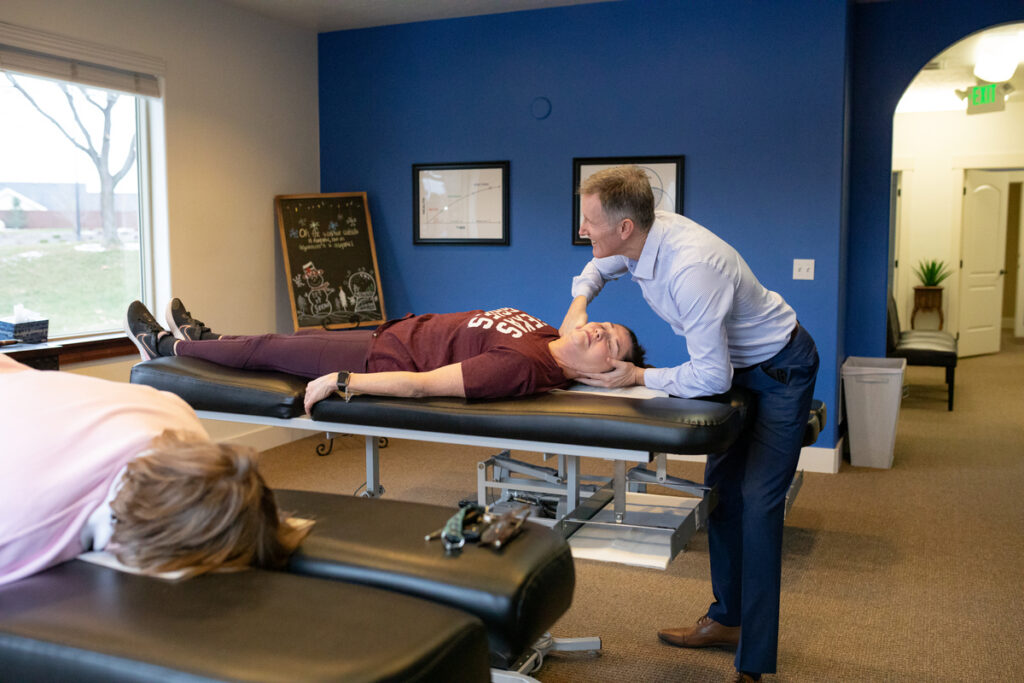

If you're struggling with back pain, you might find that a one-size-fits-all solution just doesn't cut it. A custom approach could be the key to addressing your specific triggers and lifestyle factors, leading to more effective relief. By exploring personalized strategies, you can not only target the root causes of your discomfort but also take an active role in your recovery. Curious about how this individualized plan can transform your back pain experience? Let's explore the possibilities that might just change your perspective on pain management.
Understanding Back Pain Causes
When it comes to understanding back pain causes, it's important to recognize that various factors can contribute to your discomfort. You might be dealing with muscle strain, which often occurs from lifting heavy objects or sudden awkward movements. This type of strain can lead to inflammation and limit your range of motion, causing significant pain.
Another common cause is poor posture. If you find yourself hunched over a desk or slouched on the couch, this can put undue stress on your spine and muscles. Over time, these habits can lead to chronic pain.
Similarly, prolonged sitting can weaken your core muscles, making your back more susceptible to injury.
In addition to lifestyle choices, age also plays a role. As you get older, the discs in your spine can degenerate, leading to conditions like osteoarthritis or herniated discs. These issues can cause pain and discomfort that may not go away without intervention.
Injuries from sports or accidents can be another factor. Whiplash from a car accident or falls can lead to acute back pain, which may linger if not treated properly.
Finally, underlying medical conditions like scoliosis or kidney issues can also manifest as back pain, making it vital to consult with a professional for an accurate diagnosis.
The Importance of Personalization
When it comes to treating back pain, one size doesn't fit all.
You need a treatment plan tailored to your unique situation, based on an accurate assessment of your individual pain.
Personalization is key to finding effective relief and improving your overall well-being.
Tailored Treatment Plans
Back pain can feel like a heavy weight on your shoulders, but a tailored treatment plan can lighten that burden greatly. When you face chronic discomfort, it's important to recognize that a one-size-fits-all solution often falls short. Instead, a customized approach takes your unique situation into account, addressing not just the symptoms but also the underlying causes.
Creating a tailored treatment plan starts with understanding your specific pain triggers, lifestyle, and medical history. This personalized strategy may include a mix of physical therapy, targeted exercises, and even alternative therapies like acupuncture or chiropractic care.
By focusing on what works best for you, a tailored plan can lead to more effective relief and a quicker recovery.
Moreover, a personalized treatment plan encourages you to take an active role in your healing process. It empowers you to set realistic goals and monitor your progress, making adjustments as needed.
With this approach, you'll not only tackle your back pain more effectively, but you'll also gain the confidence and tools to maintain your well-being long-term. Remember, the right plan can transform how you experience and manage your pain.
Individual Pain Assessment
Understanding your specific pain is an essential step in creating an effective treatment plan. Everyone experiences pain differently, and what works for one person may not work for you. By identifying the exact nature, location, and intensity of your back pain, you can gain insights into its underlying causes.
Begin by keeping a pain diary. Track when your pain occurs, what activities exacerbate it, and how it affects your daily life. This information provides valuable context for healthcare professionals, helping them tailor a solution just for you.
Next, undergo a detailed assessment that may include physical examinations, imaging studies, and functional tests. This extensive evaluation allows you to pinpoint not just the symptoms but also the root causes of your discomfort.
Assessment and Diagnosis Process
Evaluating and diagnosing back pain involves a thorough evaluation that helps pinpoint the underlying causes of your discomfort. You'll typically start with a detailed medical history, where you'll discuss your symptoms, their onset, and any previous injuries or conditions. This information is essential for understanding your situation.
Next, your healthcare provider will perform a physical examination. They'll assess your range of motion, muscle strength, and reflexes. This hands-on assessment can reveal potential issues with your spine, muscles, or nerves.
You may also undergo specific tests, such as X-rays, MRIs, or CT scans, to visualize the structures in your back. These imaging tests help identify any abnormalities that could be contributing to your pain.
In some cases, additional diagnostic procedures might be necessary. For instance, nerve conduction studies can evaluate how well your nerves are functioning. Based on all this information, your healthcare provider will be able to determine the root cause of your back pain, whether it's a herniated disc, muscle strain, or another issue.
Finally, once your diagnosis is clear, you and your provider can discuss the best course of action tailored to your specific needs. This all-encompassing approach guarantees you're not just treating the symptoms but addressing the underlying problem, setting the stage for effective management and recovery.
Understanding this assessment and diagnosis process is key to taking control of your back pain journey.
Customized Exercise Plans
Once you've pinpointed the cause of your back pain, the next step is to create a customized exercise plan that fits your specific needs. This plan should focus on strengthening the muscles that support your spine, improving flexibility, and enhancing overall stability.
By tailoring your workouts, you can address the underlying issues contributing to your pain while also promoting better posture and movement patterns.
Start by incorporating core-strengthening exercises. A strong core provides stability and support for your spine, which can alleviate pressure on your back. Think planks, bridges, and bird-dogs.
Next, flexibility is vital for maintaining a healthy range of motion. Stretching exercises, like the cat-cow stretch and hamstring stretches, can help reduce tightness and improve mobility.
Don't forget about low-impact aerobic activities. Walking, swimming, or cycling can boost circulation and promote healing without putting too much strain on your back. Aim for at least 150 minutes of moderate aerobic activity each week.
It's essential to listen to your body as you progress. If an exercise aggravates your pain, modify it or try a different approach.
Consider working with a physical therapist or a fitness professional who can help guide your plan, ensuring it aligns with your goals and limitations.
Targeted Therapy Options
When it comes to managing your back pain, targeted therapy options offer personalized treatment plans that cater to your specific needs.
You'll discover innovative pain relief techniques that can make a real difference in your daily life.
Plus, exploring holistic healing approaches can provide a well-rounded strategy for lasting relief.
Personalized Treatment Plans
Personalized treatment plans for back pain prioritize your unique needs, guaranteeing that the approach you receive is tailored specifically for you. Instead of a one-size-fits-all solution, these plans consider your medical history, lifestyle, and the specific nature of your pain. By evaluating your condition in detail, healthcare providers can develop strategies that are more likely to yield positive results.
Your personalized plan may include a combination of physical therapy, exercise routines, and lifestyle modifications. For instance, if your job requires prolonged sitting, your plan might focus on strengthening your core and improving your posture. Additionally, your treatment may involve targeted exercises that address specific muscle imbalances contributing to your pain.
Communication with your healthcare provider is essential. You'll want to express what works for you and what doesn't, allowing them to adjust your plan as necessary.
Regular follow-ups can help refine your approach and maintain continued progress. By actively participating in your treatment, you can take charge of your recovery and find relief tailored to your individual situation.
Ultimately, personalized treatment plans empower you to combat back pain effectively and improve your overall quality of life.
Innovative Pain Relief Techniques
As you explore personalized treatment plans, consider complementing them with innovative pain relief techniques that specifically target your back pain. These methods can enhance your healing process and improve your quality of life.
One option is spinal decompression therapy, which gently stretches your spine to relieve pressure on the discs and nerves. This technique can help reduce pain and promote healing without invasive procedures.
Another effective method is radiofrequency ablation, where heat is applied to specific nerves to interrupt pain signals. This approach offers longer-lasting relief for chronic pain.
You might also explore transcutaneous electrical nerve stimulation (TENS). This technique uses low-voltage electrical currents to disrupt pain signals and stimulate the release of endorphins, your body's natural painkillers.
For those seeking a non-invasive option, consider cryotherapy, which involves exposure to cold temperatures to reduce inflammation and numb pain.
Lastly, don't overlook the benefits of targeted injections, such as epidural steroid injections. These can deliver medication directly to the source of pain, offering relief and enabling you to engage in physical therapy more effectively.
Holistic Healing Approaches
Exploring holistic healing approaches can provide you with targeted therapy options that address the root causes of your back pain. Rather than solely focusing on symptom relief, these methods consider your overall well-being.
Techniques like acupuncture can help relieve tension and improve energy flow, while chiropractic adjustments realign your spine, promoting better posture and reducing discomfort.
You might also find benefits in practices like yoga and Pilates, which enhance flexibility and strengthen core muscles. These exercises not only alleviate pain but also empower you to prevent future injuries.
Additionally, mindfulness and meditation can play an essential role in managing pain by reducing stress, which often exacerbates discomfort.
Herbal remedies and nutritional changes can support your body's healing processes. Incorporating anti-inflammatory foods into your diet may help, too.
Working with a holistic practitioner allows you to tailor these approaches specifically to your needs, creating a personalized plan that addresses both physical and emotional aspects of your pain.
Role of Nutrition in Recovery
Nutrition plays an essential role in your recovery from back pain, influencing inflammation levels and overall healing. When you consume a balanced diet rich in anti-inflammatory foods, you can help reduce pain and promote recovery. Foods high in omega-3 fatty acids, such as salmon and walnuts, are known to combat inflammation. Incorporating plenty of fruits and vegetables into your meals provides essential vitamins, antioxidants, and minerals that support healing.
It's also important to stay hydrated. Water plays a critical role in maintaining the health of your spinal discs, which can help alleviate pain. Aim to drink enough water throughout the day to keep your body well-hydrated.
Moreover, consider reducing processed foods, sugar, and excessive saturated fats in your diet. These can contribute to inflammation and slow down your recovery. Instead, focus on whole foods like whole grains, legumes, nuts, and seeds, which are packed with nutrients that support your body's healing processes.
Don't forget about the importance of protein. Protein helps repair tissues and can be found in lean meats, dairy, and plant-based sources like beans and lentils.
Lastly, if you have specific dietary restrictions or health conditions, consulting a nutritionist can help tailor your diet to meet your unique needs. By being mindful of what you eat, you can greatly impact your recovery journey and work towards alleviating your back pain more effectively.
Innovative Technologies for Relief
Many people are turning to innovative technologies for relief from back pain, seeking effective solutions that go beyond traditional treatments. One of the most promising developments is the use of wearable devices that monitor your posture and movement. These gadgets can provide real-time feedback, helping you adjust your habits and reduce strain on your back throughout the day.
Imagine receiving notifications when you slouch or when it's time to take a break from sitting—these reminders can make a significant difference in your daily comfort.
Another exciting innovation is the emergence of virtual reality (VR) therapy. VR allows you to engage in immersive environments that distract you from pain while guiding you through therapeutic exercises. This not only makes rehabilitation more enjoyable but also helps you focus on your recovery without the stress of traditional settings.
Additionally, advanced electrical stimulation devices are gaining traction. These devices deliver targeted electrical impulses to your muscles, promoting relaxation and pain relief. They can be especially beneficial during flare-ups when you need immediate relief.
Lastly, telehealth services are revolutionizing how you access care. With virtual consultations, you can connect with specialists who can recommend personalized treatment plans tailored to your specific needs, all from the comfort of your home.
Monitoring Progress and Adjustments
As you embrace innovative technologies to manage your back pain, keeping track of your progress becomes essential. Monitoring how your condition evolves not only helps you understand what's working but also allows for timely adjustments to your treatment plan. By staying proactive, you can maximize the effectiveness of your customized approach.
Start by setting clear, measurable goals. This gives you a target to aim for, making it easier to identify improvements or setbacks. You might want to reflect on the following methods to monitor your progress:
- Daily Pain Journals: Record your pain levels, triggers, and activities to spot patterns.
- Mobile Apps: Utilize pain management apps to log symptoms and track progress over time.
- Regular Assessments: Schedule periodic evaluations with your healthcare provider to discuss your advancements.
- Feedback Loops: Create a system for regular feedback from your treatment team to adapt your approach as needed.
As you collect this data, look for trends that indicate whether your custom solutions are effective. Don't hesitate to make adjustments when necessary—sometimes small tweaks can lead to significant improvements.
Remember, managing back pain isn't a one-size-fits-all journey. Stay engaged and flexible as you navigate your path to relief, and always keep communication open with your healthcare team.
Success Stories and Testimonials
With countless individuals experiencing relief from back pain through customized approaches, success stories and testimonials offer inspiring evidence of what's possible.
You might be surprised to learn how many people have transformed their lives by embracing personalized strategies tailored to their specific needs.
Take Sarah, for instance. After struggling with chronic back pain for years, she decided to seek a custom approach. Through a combination of targeted exercises, posture training, and lifestyle adjustments, Sarah not only alleviated her pain but also regained her passion for outdoor activities.
She now shares her journey, encouraging others to seek tailored solutions for lasting relief.
Then there's Mike, who found success through a unique blend of physical therapy and yoga. Initially skeptical, he discovered that a customized regimen helped him understand his body better.
Mike's testimonial highlights the importance of finding the right fit for your situation. He emphasizes how being proactive about his health has made all the difference.
These stories showcase the power of personalized care in overcoming back pain. When you see real people achieving significant improvements, it's hard not to feel hopeful.
You might even relate to their struggles and victories, motivating you to take the next step in your own journey.
Conclusion
To summarize, a custom approach to your back pain can make a real difference. By understanding your unique triggers and crafting a tailored plan that includes exercise, therapy, and nutrition, you're taking an active role in your recovery. This personalized strategy not only targets the root causes of your discomfort but also empowers you to improve your overall well-being. Don't wait—start your journey towards a pain-free life today!