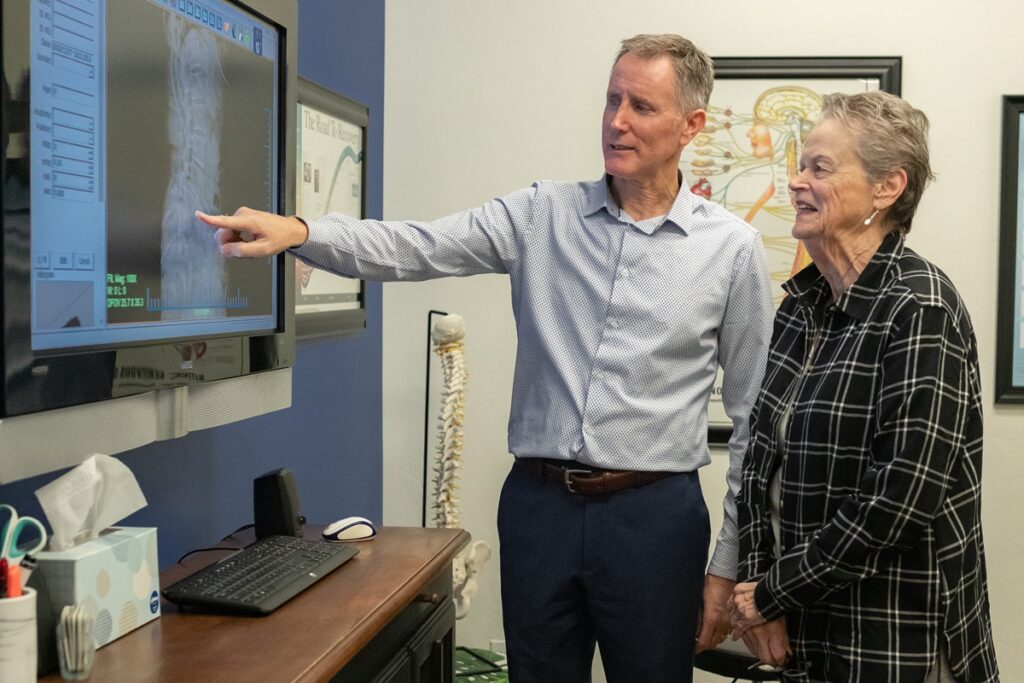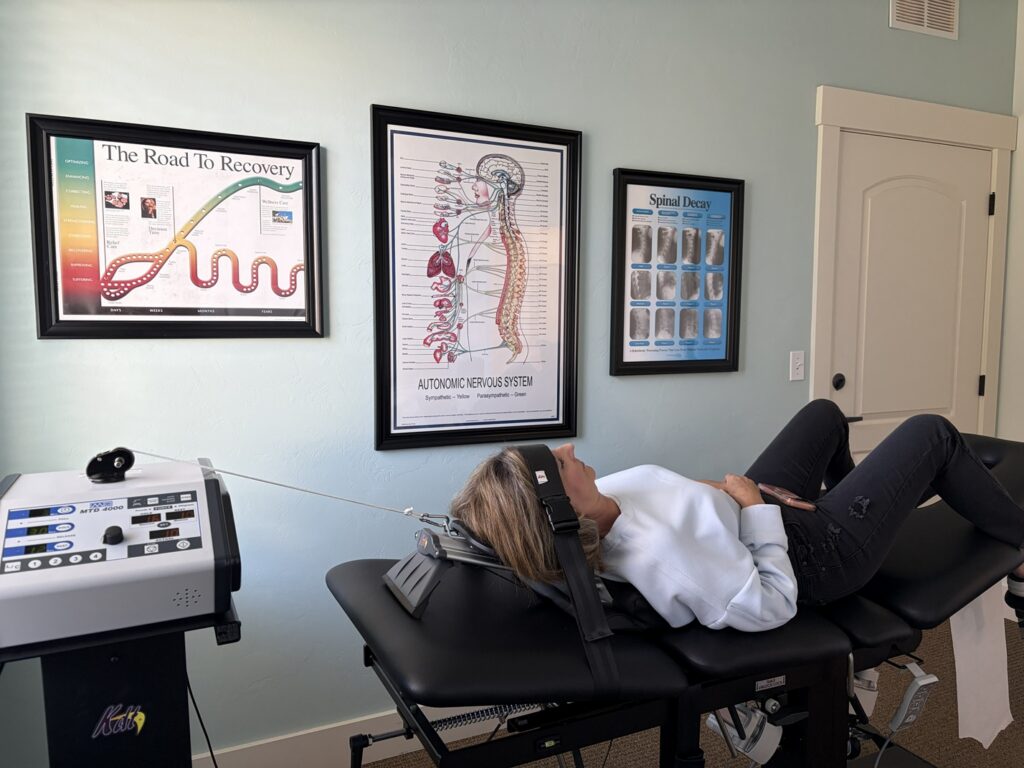

As a local chiropractor, I want to shed light on how those persistent upper back aches may be linked to some everyday habits you might not even be aware of. Common culprits like poor posture and muscle strain can easily creep into your daily life, leaving your back feeling tight and uncomfortable. The good news is that by incorporating targeted stretching and strengthening exercises into your routine, you can significantly alleviate these issues.
However, if you find that these methods aren't providing the relief you need, it's essential to delve deeper into the underlying causes of your discomfort. Understanding when to seek professional guidance, like chiropractic care, can be pivotal in your healing journey. We focus on natural healing techniques that address not just the symptoms, but the root causes of your pain.
Let's work together to take control of your discomfort and help you reclaim your well-being through personalized care and education about your body. Your path to a pain-free life starts with understanding how to nurture and support your spine and overall health.
Understanding Upper Back Pain
As a chiropractor, I often see patients who experience upper back pain that can unexpectedly disrupt their daily lives. You might notice discomfort when reaching for items on a high shelf or struggle to maintain a healthy posture while working at your desk. This pain can arise from several sources, including muscle strain, poor posture, and a lack of movement. You may feel a dull ache or a sharper pain, which can make everyday activities feel challenging.
Understanding the root causes of upper back pain is crucial for effective management. Many of you may have experienced tension in the muscles surrounding your spine, leading to stiffness and limited mobility. This tension often accumulates over time, particularly if you spend long hours hunched over a computer or engaged in repetitive activities.
Additionally, emotional stress can contribute to physical discomfort, as tension in your body often mirrors the stress in your mind. I encourage you to take a moment to listen to your body and recognize when pain begins to surface. Are you slouching? Are you remembering to take breaks to stretch? Making these small adjustments can lead to significant improvements in your comfort.
Furthermore, being mindful of how you lift objects and how you sit can greatly reduce strain on your upper back. At our practice, we focus on natural healing methods to help alleviate your pain and restore your body's function. Through chiropractic adjustments, we can address misalignments and tension in your spine, promoting better posture and overall well-being.
Let's work together to find the best approach to manage your upper back pain and improve your quality of life.
Common Causes of Discomfort
As a local chiropractor, I want to help you understand the many factors that can contribute to discomfort in your upper back, empowering you to find relief naturally.
One of the most common issues we see is muscle strain, which often arises from overexertion or improper lifting techniques. If you've been spending long hours hunched over a computer or phone, you may have noticed tightness developing in your upper back. This poor posture can lead to muscle fatigue and tension, which we can address through chiropractic adjustments and targeted exercises.
Another significant factor is stress. In our busy lives, it's easy to become unaware of how we hold tension in our bodies. You might find yourself clenching your jaw or tensing your shoulders, which can accumulate and result in discomfort in the upper back. Chiropractic care can help release this built-up tension and promote relaxation.
Injuries from sports or accidents can also play a role in upper back pain. The impact from these incidents can lead to lingering discomfort, which we can help alleviate through specific chiropractic techniques aimed at restoring balance and function to your spine.
Additionally, a lack of physical activity can weaken your upper back muscles, making them more susceptible to soreness. If you lead a sedentary lifestyle, your muscles may not be conditioned to handle everyday tasks, leading to discomfort. Conversely, repetitive movements, such as reaching for items on a high shelf, can create strain over time, which we can help mitigate with proper adjustments and strength-building exercises.
Lastly, if you're sleeping on an unsupportive mattress or pillow, it could exacerbate your discomfort. Misalignment of your head and neck during sleep can leave you feeling stiff and sore upon waking. We can offer guidance on how to choose the right sleep setup to support your spine.
By identifying these common causes of upper back discomfort, we can work together to create a personalized plan that promotes healing and enhances your overall well-being.
Importance of Good Posture
As a local chiropractor, I want to emphasize that good posture is more than just a way to appear confident; it plays a crucial role in your overall health and well-being.
When you maintain proper spinal alignment, you can significantly reduce discomfort and enhance your productivity throughout the day.
Many people aren't aware that poor posture can lead to various issues such as back pain, neck strain, and even headaches.
By working on your posture, you can alleviate these problems and improve your physical health. Additionally, better posture can positively impact your work performance, allowing you to focus better and work more efficiently.
In our practice, we often see patients who haven't yet discovered the benefits of chiropractic care and natural healing.
We encourage you to take steps toward improving your posture, as it can lead to both immediate relief and long-term health benefits.
Let's work together to help you achieve a more aligned body and a more productive life!
Health Benefits of Posture
As a local chiropractor, I want to emphasize how maintaining proper posture can significantly improve your health and well-being. When you sit or stand with correct alignment, you minimize unnecessary strain on your muscles and ligaments, allowing your body to operate more efficiently. Proper posture aligns your spine, which can help prevent common issues such as back and neck pain, making your daily activities much more comfortable.
You may also experience better breathing when you focus on your posture. An upright position allows your lungs to expand fully, enabling you to take in more oxygen. This increase in oxygen flow not only boosts your energy levels but also enhances your concentration.
Additionally, good posture promotes better digestion; when your body is aligned properly, your internal organs have the space they need to function optimally.
One benefit that many people overlook is the positive effect of good posture on your mood. Standing tall or sitting straight can significantly enhance your confidence and sense of empowerment. This boost in self-esteem can positively influence your interactions with others, fostering stronger social connections.
As your chiropractor, I encourage you to consider the importance of proper posture in your daily routine. It's a simple yet powerful way to enhance your overall health and support your body's natural healing processes.
Posture and Productivity Link
As a local chiropractor, I want to emphasize the significant impact that proper posture has on your overall productivity throughout the day.
When you maintain correct posture, whether sitting or standing, you create an optimal environment for your body to function at its best. Good posture not only helps prevent fatigue but also allows you to concentrate more effectively on your daily tasks.
Here's how proper posture can enhance your productivity:
- Enhanced Concentration: Proper alignment of your spine ensures that your brain receives ample oxygen, which is crucial for improving focus and sparking creativity.
- Minimized Discomfort: Incorrect posture can lead to aches and pains that distract you from your work. By practicing good posture, you can alleviate these discomforts, keeping you comfortable and engaged in your activities.
- Boosted Energy Levels: When your body is properly aligned, your muscles can perform efficiently, reducing energy drain and helping you sustain your energy levels throughout the day.
By understanding the importance of posture and how it relates to your productivity, you can take proactive steps to improve your well-being.
If you have any questions about how chiropractic care can help you achieve better posture and enhance your daily life, I'm here to guide you!
Stretching Techniques for Relief
As a local chiropractor, I want to share some valuable insights into how stretching techniques can significantly alleviate upper back discomfort. Many of my patients come in with tension and pain in this area, and I've seen firsthand how regular stretching can make a world of difference. Stretching is a natural way to release tension, improve flexibility, and enhance circulation, which is crucial for anyone dealing with upper back pain.
You don't have to dedicate hours to lengthy routines; even short, focused stretches can provide substantial relief.
Let's start with a simple yet effective stretch known as the cat-cow stretch. Begin by getting on all fours, ensuring your hands are directly under your shoulders and your knees are under your hips. As you inhale, arch your back, allowing your belly to drop while lifting your head (this is the cow position). On your exhale, round your spine and tuck your chin to your chest (the cat position).
Repeat this sequence for about 10 cycles. This stretch not only helps in relieving tension but also promotes spinal mobility.
Another beneficial stretch is the doorway stretch. Stand in a doorway with your arms bent at 90 degrees, keeping your elbows at shoulder height. Place your forearms against the doorframe and gently lean forward. You should feel a lovely stretch across your chest and shoulders.
Hold this position for about 20-30 seconds and feel free to repeat it a few times. This stretch is excellent for opening up your chest and counteracting the effects of poor posture.
The seated spinal twist is also a fantastic way to relieve upper back tension. Sit on the floor with your legs extended in front of you. Bend your right knee and place your foot on the outside of your left thigh. With your left elbow resting outside your right knee, twist gently to the right.
Hold this position for 15-30 seconds before switching sides. This twist helps to promote spinal mobility and alleviate stiffness.
Incorporating these stretches into your daily routine can significantly enhance your flexibility and help keep your upper back pain-free. As you embark on this journey, remember to listen to your body and avoid overstretching, which can lead to further discomfort.
Natural healing through chiropractic care and simple practices like these can be incredibly effective in managing and preventing upper back pain. If you have any questions or need personalized guidance, don't hesitate to reach out. Your well-being is my priority!
Strengthening Your Upper Back
As a chiropractor dedicated to your well-being, I want to share some important insights about strengthening your upper back.
It's crucial to incorporate specific exercises into your daily routine to enhance your upper back strength. Equally important is the awareness of your posture, which significantly affects your overall strength and can help prevent discomfort or injury.
Let's discuss some effective strategies that can lead to a healthier and more resilient upper back.
Essential Upper Back Exercises
As a local chiropractor, I want to emphasize the importance of strengthening your upper back for better posture, reduced pain, and improved mobility.
Many people may not realize how crucial this area is to overall health. By incorporating specific exercises into your routine, you can build strength and stability in your upper back, which can significantly enhance your well-being.
Here are three effective exercises I recommend:
- Face Pulls: Utilizing a resistance band or cable machine, pull the band towards your face while keeping your elbows elevated. This exercise targets your upper back and is excellent for improving shoulder stability, which can help alleviate discomfort.
- Bent-Over Rows: Grab a pair of dumbbells and hinge at your hips, pulling the weights towards your torso. It's important to maintain a flat back and to squeeze your shoulder blades together at the top of the movement. This exercise effectively engages your lats and rhomboids, which are vital muscles for upper back strength.
- Y-T-W Raises: For this exercise, lie face down on an exercise bench or stability ball. Raise your arms to form a Y, then a T, and finally a W shape. This sequence works all parts of your upper back, promoting balance and strength, and can be especially beneficial for those who spend long hours sitting.
Incorporating these exercises into your weekly routine can significantly help alleviate upper back discomfort while boosting your overall strength and functionality.
Remember, consistency is key! As your chiropractor, I'm here to support you on your journey to better health and well-being.
Importance of Posture Correction
As your local chiropractor, I want to emphasize the importance of maintaining good posture for your overall health, starting with a strong upper back. Many people don't realize that a weak upper back can lead to slouching, which places undue strain on your muscles and spine. This misalignment can't only result in discomfort but can also contribute to long-term issues like chronic pain and decreased mobility.
Correcting your posture isn't just about looking good; it significantly impacts your confidence and how others perceive you. Standing tall with your shoulders back communicates engagement and self-assurance. Moreover, proper posture facilitates better breathing, which enhances oxygen flow and helps improve your focus throughout the day.
Strengthening your upper back plays a crucial role in improving your posture. By incorporating specific exercises that target this area, you can develop a solid foundation that supports your spine. As your upper back becomes stronger, you'll find it much easier to maintain proper alignment, which in turn reduces the risk of injury and tension.
At our chiropractic office, we're here to guide you on this journey toward better posture and overall health. Together, we can explore natural healing methods and exercises tailored to strengthen your upper back, helping you achieve and maintain optimal alignment for a healthier, more active life.
Stress Management Strategies
As a local chiropractor, I want to share with you how your stress levels can significantly affect your upper back health. Managing stress effectively is crucial, as stress can lead to muscle tightness and discomfort in that area. By incorporating some natural stress management strategies into your routine, you can relieve tension and enhance your overall wellness.
Here are a few techniques I recommend to help you manage stress and support your upper back health:
- Mindfulness and Meditation: Mindfulness practices can help you stay present and centered. Regular meditation is known to alleviate anxiety and foster relaxation, which can be particularly beneficial for easing upper back tension.
- Physical Activity: Engaging in regular physical activity is one of the best ways to combat stress. Exercise releases endorphins, which are natural mood lifters. Whether you enjoy going for a brisk walk, practicing yoga, or dancing, staying active can help you manage stress and promote a healthier upper back.
- Deep Breathing Exercises: Taking a moment to focus on your breath can have a profound impact on your stress levels. Try inhaling deeply through your nose, holding it for a moment, and then exhaling slowly through your mouth. Repeat this process several times, and you'll likely find a sense of relaxation washing over you.
By integrating these stress management strategies into your daily life, you'll not only feel better mentally but also support the health of your upper back.
When to Seek Professional Help
As a local chiropractor dedicated to helping you achieve optimal health, I want to emphasize the importance of addressing persistent upper back pain, even after trying stress management techniques. If your discomfort has lingered for more than a few weeks, it's crucial to consider seeking professional assistance. Ignoring chronic pain can lead to further complications, which is why consulting a healthcare provider is essential.
Be mindful of any additional symptoms you might experience, such as numbness, tingling, or weakness in your arms or legs. These signs could indicate a more serious underlying issue that requires prompt evaluation. If your pain intensifies with movement or disrupts your daily activities, it's a clear indication that professional intervention is warranted.
Your journey toward relief should start with an appointment at our chiropractic clinic. During your visit, I'll assess your condition and discuss natural treatment options tailored to your needs. Chiropractic care focuses on addressing the root causes of your pain, not just masking the symptoms.
I may also suggest imaging tests like X-rays or MRIs if needed, as these can provide valuable insights into any structural issues affecting your upper back.
Furthermore, it's vital to seek care if your pain is accompanied by significant weight loss, fever, or night sweats, as these could indicate serious health concerns that shouldn't be overlooked.
Conclusion
As your local chiropractor, I want to share some valuable insights about addressing upper back discomfort. Understanding the root causes of your pain is essential, and I believe that taking proactive measures can make a significant difference in your overall well-being.
First and foremost, maintaining good posture is crucial. Poor posture can lead to misalignments in your spine, which may contribute to discomfort. I encourage you to be mindful of your posture throughout the day, especially if you spend long hours sitting or working at a desk.
Incorporating stretching and strengthening exercises into your routine can also be incredibly beneficial. These exercises help to improve flexibility, strengthen the muscles that support your spine, and reduce tension in your upper back. I can provide tailored recommendations that suit your individual needs.
Additionally, managing stress is important for overall health. Stress can manifest physically, leading to muscle tension and discomfort. Exploring relaxation techniques, such as deep breathing or mindfulness, can help alleviate some of this tension.
If you've been experiencing persistent pain in your upper back, I urge you not to hesitate in seeking professional help. Chiropractic care focuses on addressing the underlying issues, ensuring that your spine is properly aligned and functioning as it should be.
By making these lifestyle adjustments and staying consistent, you can pave the way toward a healthier, pain-free upper back and ultimately enhance your quality of life. Remember, I'm here to support you on your journey to wellness!