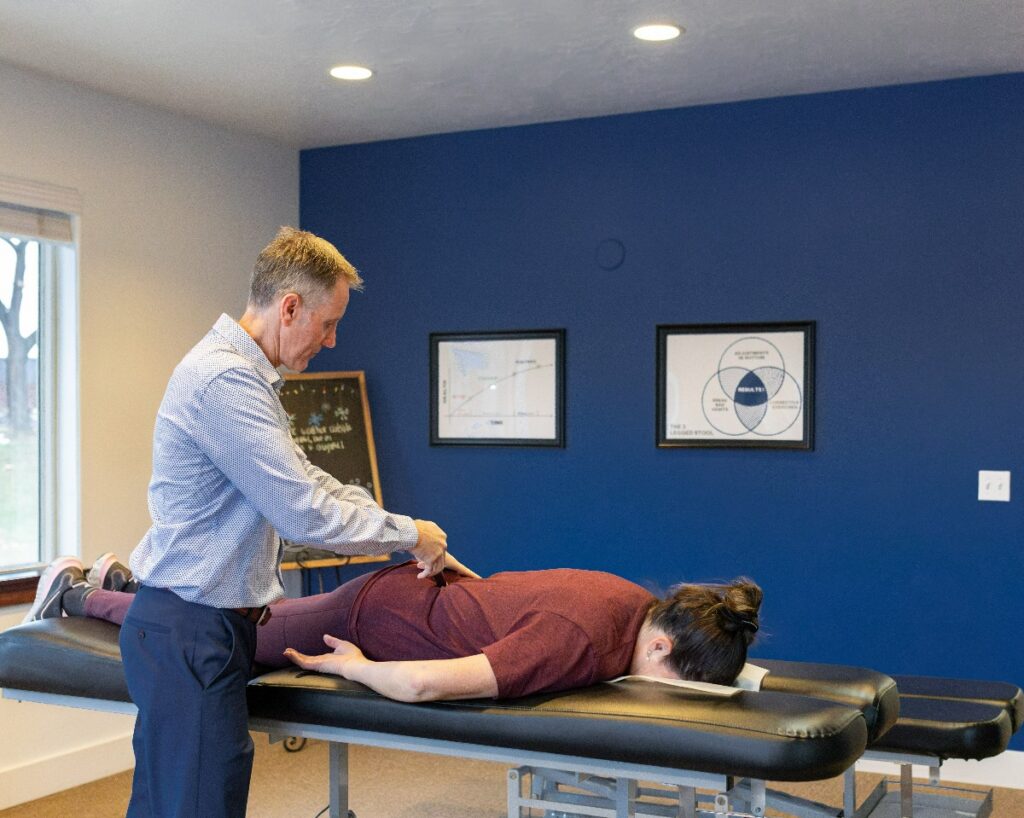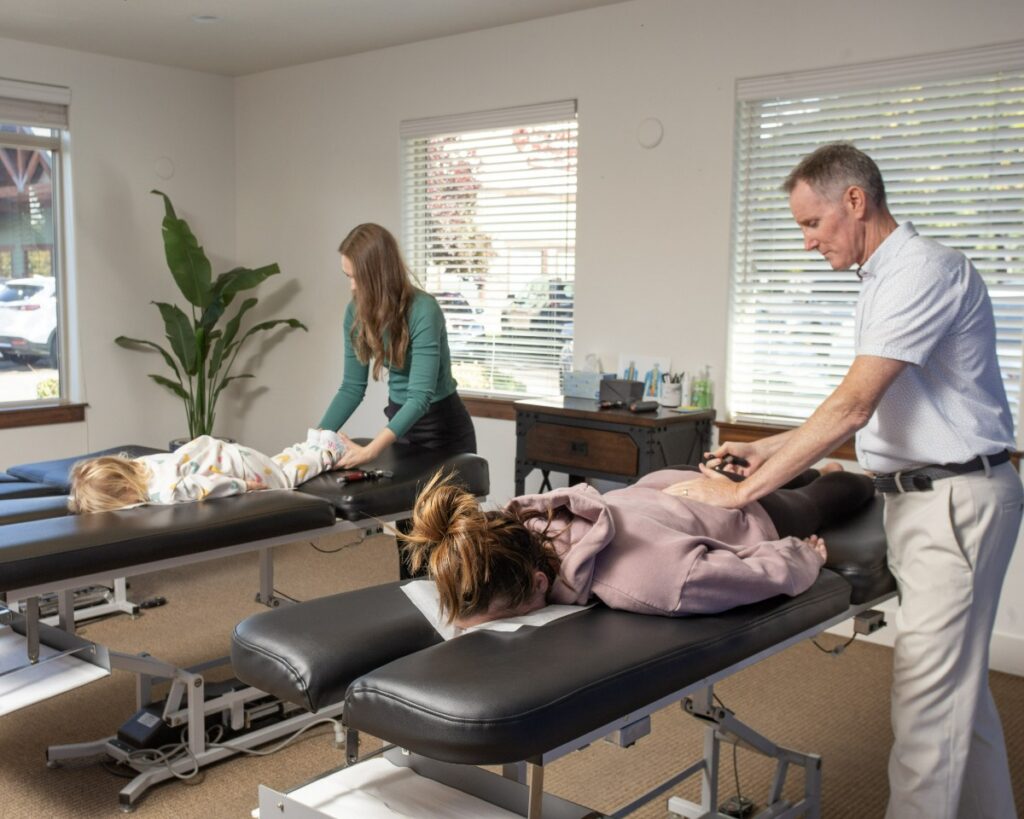

If you’re dealing with low back pain, you’re certainly not alone. This type of discomfort can significantly impact your daily activities and overall quality of life. Thankfully, there are natural and effective ways to find relief, and chiropractic care is one of the best options available.
Chiropractic care focuses on aligning the spine and improving overall spinal health, which can lead to significant pain relief. By visiting a chiropractor, you can receive personalized adjustments that target the root cause of your pain, allowing your body to heal naturally without the need for medications or invasive procedures.
In addition to chiropractic adjustments, incorporating gentle movements and targeted stretches into your routine can further enhance your spinal health. Simple activities like walking, practicing yoga, or engaging in light stretching can help alleviate tension in your back and promote better posture.
Here are some easy tips to support your back health:
- Stay Active: Regular physical activity strengthens the muscles that support your spine, reducing the risk of pain.
- Practice Good Posture: Be mindful of your posture whether you’re sitting, standing, or lifting objects. This helps prevent unnecessary strain on your back.
- Stretch Daily: Incorporate gentle stretches into your routine to maintain flexibility and reduce stiffness in your back.
- Use Ergonomic Furniture: If you spend long hours sitting, consider using chairs that provide proper lumbar support to keep your spine aligned.
- Stay Hydrated: Drinking plenty of water supports the health of your discs and overall spinal health.
Curious about how chiropractic care can specifically help you? Let’s explore how regular visits can lead to lasting relief and improved mobility in your life. Remember, taking care of your spine is a crucial step towards achieving optimal health and wellness!
Key Takeaways
If you’re dealing with low back pain, there are several natural ways to find relief and support your recovery. As a local chiropractor, I want to share some simple yet effective strategies that can help you achieve optimal health and wellness through chiropractic care.
- Engage in Low-Impact Exercises: Activities like walking, swimming, and yoga can be incredibly beneficial for your back. These exercises strengthen your muscles and improve flexibility without putting too much strain on your body. They can also enhance your recovery process.
- Incorporate Stretching: Regular stretching is key to relieving tension and increasing flexibility. Focus on the lower back, hips, and hamstrings. Simple stretches can help alleviate tightness and improve your overall comfort.
- Practice Good Posture: Maintaining proper posture during your daily activities is essential. This reduces strain on your spine and supports better alignment. Be mindful of how you sit, stand, and move throughout the day.
- Embrace Mindfulness and Relaxation Techniques: Stress can often lead to muscle tension and pain. Practicing mindfulness and relaxation techniques—such as deep breathing or meditation—can help reduce emotional stress and promote overall well-being.
- Consider Chiropractic Care: Regular visits to a chiropractor can make a significant difference in your spinal health. Tailored adjustments can help address imbalances in your body, alleviate pain, and support your body’s natural healing processes. Chiropractic care is a safe and effective way to manage your low back pain without the need for drugs or surgery.
By incorporating these tips into your routine, you can take proactive steps towards relief and improved health. Remember, chiropractic care is a powerful tool in your journey to wellness. If you’re struggling with low back pain, don’t hesitate to reach out for support—your body will thank you!
Understanding the Causes of Low Back Pain
When you experience low back pain, it’s important to recognize that several factors may be contributing to your discomfort. One common cause is poor posture, which can put a strain on your back muscles, leading to pain. To combat this, be mindful of your posture throughout the day—whether sitting at a desk or standing.
Another factor is lifting heavy objects without using proper technique, which can place undue stress on your spine. Always remember to lift with your legs, keeping your back straight and avoiding twisting motions.
Muscle imbalances or weaknesses can also play a role in back pain. Certain muscles may be working harder than others, leading to strain. Incorporating strength and flexibility exercises into your routine can help address these imbalances.
If you’re carrying extra weight, that can add additional pressure to your back. Maintaining a healthy weight through balanced nutrition and regular exercise can significantly improve your back health.
Don’t forget about the impact of emotional stress on your body. Stress can cause your muscles to tighten, making you more prone to pain. Practicing relaxation techniques, like deep breathing or yoga, can help alleviate some of that tension.
As we age, our spines naturally undergo changes that may lead to discomfort. Regular chiropractic adjustments can help keep your spine aligned and functioning optimally, regardless of age.
By understanding these causes of low back pain, you can take proactive steps to address them. Chiropractic care is an excellent choice for natural relief and promoting overall wellness.
If you’re struggling with back pain, consider visiting a chiropractor who can provide personalized care and guidance tailored to your needs. Remember, taking care of your spine is key to achieving optimal health and living a pain-free life!
The Role of Physical Activity and Exercise
When it comes to managing low back pain, incorporating regular physical activity into your routine can make a world of difference. As a chiropractor, I often see how low-impact exercises and stretching can’t only strengthen your back but also enhance your flexibility and provide much-needed relief.
Staying active is essential for your recovery, and I want to share some valuable insights on how you can benefit from movement while prioritizing your spinal health. Engaging in gentle exercises like walking, swimming, or yoga can be incredibly helpful. These activities not only keep your body moving but also promote proper alignment and support your spine.
Here are a few tips to help you get started:
- Listen to Your Body: Pay attention to how your body feels during and after activity. If something doesn’t feel right, it’s important to adjust or stop.
- Start Slow: If you’re new to exercise or have been inactive, start with short sessions and gradually increase the duration and intensity.
- Focus on Core Strength: Strengthening your core muscles is crucial for supporting your back. Incorporate exercises that target your abdominal and back muscles.
- Stay Consistent: Regular movement is key. Aim for at least 30 minutes of activity most days of the week to help manage pain and improve your overall well-being.
- Incorporate Stretching: Gentle stretching can help relieve tension and improve your flexibility. Try to integrate stretches that target your back, hips, and hamstrings.
Chiropractic care complements your active lifestyle by ensuring that your spine is properly aligned, which can enhance your physical activity’s effectiveness. Regular chiropractic adjustments can help alleviate pain and improve your mobility, making it easier for you to engage in the exercises that will aid in your recovery.
Benefits of Regular Exercise
Regular exercise plays a crucial role in alleviating low back pain and enhancing your overall physical health, but it’s important to remember that chiropractic care can amplify these benefits. By integrating physical activity into your daily life and pairing it with regular chiropractic adjustments, you can achieve optimal wellness and support your spine’s health.
Here are some key advantages of exercise and how chiropractic care complements them:
- Strengthens core muscles: A strong core not only supports your spine but also enhances the effectiveness of chiropractic treatments. Incorporate exercises like planks and bridges to strengthen these muscles.
- Improves flexibility: Increased flexibility can help reduce stiffness and prevent injury. Stretching regularly, especially after chiropractic sessions, can enhance your range of motion and complement spinal adjustments.
- Enhances posture: Good posture is vital for spinal health. Chiropractic care can help align your spine, while exercises that promote good posture can further alleviate stress on your back.
- Boosts mood: Exercise releases endorphins, which are natural mood lifters. Coupled with chiropractic care, these endorphins can help mitigate stress and anxiety, leading to a more balanced emotional state.
- Promotes weight management: Maintaining a healthy weight is crucial for reducing strain on your back. Chiropractic care can help improve your body’s functioning, making it easier to stay active and maintain a healthy weight.
Engaging in regular exercise alongside chiropractic care can be a powerful strategy for managing and preventing low back pain. Remember, it’s not just about exercising; it’s about creating a holistic approach to your health that includes the alignment and care of your spine.
Always consult with your chiropractor for personalized advice and exercises tailored to your specific needs. Prioritize your health by embracing the natural healing power of chiropractic care and regular physical activity!
Recommended Low-Impact Activities
Engaging in low-impact activities can be a transformative approach to managing low back pain while keeping you active. Activities such as walking, swimming, and cycling offer gentle movements that help strengthen your muscles without placing undue stress on your spine. Additionally, practices like yoga and tai chi are excellent for promoting flexibility and balance, which can further alleviate discomfort.
As you incorporate these activities into your routine, aim for at least 30 minutes most days of the week. It’s essential to listen to your body; if something doesn’t feel right, don’t hesitate to modify the activity or take a break.
In addition to physical activity, consider the benefits of chiropractic care. Regular chiropractic adjustments can help align your spine, improving your overall function and reducing pain. This holistic approach not only addresses the root causes of discomfort but also enhances your body’s natural healing abilities, allowing you to enjoy life more fully.
Remember that a consistent low-impact workout routine, combined with chiropractic care, can significantly boost your mood and energy levels, making daily tasks feel more manageable. Prioritize your health by choosing these natural methods, and watch how they can lead to a healthier, happier you!
Stretching for Back Relief
Stretching is an invaluable tool for relieving low back pain and improving your overall mobility. As a chiropractor, I often emphasize the importance of incorporating regular stretching into your daily routine. Not only does it enhance flexibility, but it also helps to reduce muscle tension, which can lead to more significant issues if left unaddressed. Here are some effective stretches that I recommend for your back health:
- Knee-to-Chest Stretch: This gentle movement helps to relieve tension in your lower back by pulling it into a more relaxed position.
- Cat-Cow Stretch: A fantastic way to promote spinal flexibility, this stretch helps alleviate stiffness and encourages a healthy range of motion in your spine.
- Child’s Pose: A calming stretch that not only soothes your nervous system but also provides a deep stretch to your back.
- Seated Forward Bend: This stretch focuses on your hamstrings and lower back, promoting relaxation and flexibility in those often tight areas.
- Piriformis Stretch: By targeting the hips and glutes, this stretch can help relieve tightness that may contribute to back pain.
As you practice these stretches, remember to hold each position for 15-30 seconds, breathe deeply, and pay attention to how your body feels. Consistent stretching, combined with regular chiropractic adjustments, can lead to significant improvements in your back pain and overall mobility.
Chiropractic care focuses on aligning your spine and supporting your body’s natural ability to heal. By incorporating stretching into your routine, you’re taking a proactive step towards optimal health and wellness.
If you’re experiencing persistent pain, don’t hesitate to reach out to a chiropractor for personalized guidance and support on your journey to a pain-free life.
Stretching Techniques for Back Relief
When it comes to alleviating low back pain, gentle stretching exercises can significantly contribute to your relief and recovery. As a chiropractor, I often emphasize the importance of improving flexibility, as it not only helps reduce discomfort but also enhances your overall mobility and supports spinal health. Let’s dive into some effective stretching techniques that can aid in your journey to feeling better.
- Knee-to-Chest Stretch: This simple stretch can help relax your lower back. Lie on your back with your knees bent. Gently pull one knee towards your chest, holding for 15-30 seconds, then switch to the other leg. This stretch helps release tension in your lower back and promotes spinal alignment.
- Cat-Cow Stretch: This dynamic stretch is excellent for improving flexibility in your spine. Start on your hands and knees. Inhale as you arch your back (Cow), and exhale as you round your back (Cat). Repeat this motion for 5-10 cycles. This stretch not only eases back pain but also encourages proper posture.
- Child’s Pose: This restorative position helps stretch the lower back while promoting relaxation. Kneel on the floor, sit back on your heels, and reach your arms forward on the ground. Hold this position for 30 seconds to a minute, focusing on deep breathing. It’s a great way to relieve tension after a long day.
- Seated Forward Bend: Sit with your legs straight in front of you. Slowly bend forward from your hips, reaching towards your toes. Hold the stretch for 15-30 seconds. This stretch helps lengthen the spine and can alleviate tightness in the lower back.
- Hip Flexor Stretch: Tight hip flexors can contribute to back pain. To stretch them, kneel on one knee with the other foot in front, forming a 90-degree angle. Gently push your hips forward while keeping your back straight. Hold for 15-30 seconds on each side.
Incorporating these stretches into your daily routine can greatly improve your flexibility and reduce pain. Remember, chiropractic care is a holistic approach that addresses the root cause of your discomfort. If you’re experiencing persistent back pain, I encourage you to consider visiting a chiropractor who can provide tailored adjustments and guidance for your specific needs.
In addition to these stretches, be mindful of your posture throughout the day, stay hydrated, and engage in regular physical activity. These simple lifestyle changes can support your overall well-being and enhance the effects of your chiropractic care.
Prioritize your spinal health for a happier, healthier life!
Gentle Stretching Exercises
Finding relief from low back pain often begins with gentle stretching exercises that not only improve flexibility but also help alleviate tension in your spine. These stretches can enhance your mobility and reduce discomfort, making them an excellent complement to chiropractic care.
Here are some effective stretches you can incorporate into your daily routine to support your spinal health:
- Knee-to-Chest Stretch: Lie on your back, gently pull one knee toward your chest, and hold for 20-30 seconds. This stretch helps to release tension in your lower back.
- Cat-Cow Stretch: While on all fours, alternate between arching your back (like a frightened cat) and dipping it down (like a cow). This gentle movement promotes spinal flexibility and can help improve alignment.
- Child’s Pose: Sit back on your heels, stretch your arms forward, and rest your forehead on the floor. This pose helps to relax the spine and relieve tension in the lower back.
- Seated Forward Bend: Sit with your legs extended in front of you and reach for your toes. This stretch not only targets your lower back but also promotes better posture.
- Figure Four Stretch: Lie on your back, cross one ankle over the opposite knee, and gently pull the uncrossed leg toward you. This stretch helps to open up the hips, which can alleviate pressure on your lower back.
Incorporating these stretches into your routine can significantly enhance your recovery and overall well-being. Remember, regular chiropractic care can further support your journey to optimal health by addressing the underlying issues contributing to your pain.
Always listen to your body and consult your chiropractor for personalized advice on your wellness journey. Embrace this path to a healthier, pain-free life!
Importance of Flexibility
Flexibility is crucial for maintaining a healthy back, as it allows your muscles and joints to move freely without strain. As a chiropractor, I emphasize the importance of incorporating stretching techniques into your daily routine. By enhancing your body’s range of motion, you can significantly reduce the risk of injuries and discomfort.
Focus on stretching areas that often hold tension, such as your hamstrings, hip flexors, and lower back. Simple movements like the cat-cow stretch or child’s pose can greatly improve your flexibility. Remember, consistency is key—aim to stretch daily, especially after sitting for long periods, to keep your back feeling its best.
As you become more flexible, you may notice improvements in your posture and a decrease in discomfort. Prioritizing flexibility not only offers immediate relief but contributes to your long-term back health.
In addition to stretching, consider regular chiropractic care to support your overall wellness. A chiropractor can help identify any imbalances in your body and provide tailored adjustments to enhance your flexibility further. Together, these practices can lead to a more comfortable, active lifestyle without the need for surgeries or medications. Embrace flexibility and chiropractic care as your allies in achieving optimal health!
The Benefits of Proper Posture
The Importance of Proper Posture for Your Spinal Health
As a local chiropractor, I want to emphasize how crucial proper posture is for your overall well-being, especially in preventing low back pain. Many people underestimate the impact that good posture can have on their health, but it’s essential in keeping your spine aligned and reducing discomfort. Here are some fantastic benefits you can enjoy by focusing on maintaining proper posture:
- Reduced Strain: Good posture helps to alleviate the strain on your muscles and ligaments. This means less tension in your body, leading to a more comfortable day-to-day experience.
- Improved Circulation: When your body is aligned correctly, blood can flow more freely, enhancing nutrient delivery to your spinal discs and other vital areas. This can promote healing and overall wellness.
- Better Balance and Stability: Maintaining proper posture helps you stay balanced and stable, which can significantly lower your risk of falls and injuries, especially as we age.
- Increased Energy Levels: When your body is in alignment, it requires less energy to maintain that position. This means you’ll feel more energetic and less fatigued throughout the day.
- Enhanced Confidence: Proper posture can actually boost your confidence. Standing tall not only makes you look more self-assured, but it can also positively influence your mental state.
Tips for Improving Your Posture:
- Be Mindful: Pay attention to your posture throughout the day. Whether you’re sitting, standing, or walking, make a conscious effort to keep your spine aligned.
- Create a Supportive Workspace: If you spend long hours at a desk, ensure your chair supports your lower back, and your computer screen is at eye level to reduce strain.
- Strengthen Your Core: Engaging in exercises that strengthen your core muscles can provide better support for your spine.
- Take Frequent Breaks: If you’re sitting for long periods, stand up, stretch, and walk around every hour to keep your muscles active and engaged.
- Consider Chiropractic Care: Regular chiropractic adjustments can help maintain your spinal alignment, alleviate pain, and promote overall health.
By prioritizing your posture and considering chiropractic care, you’re taking a vital step towards a healthier, pain-free life.
Natural Anti-Inflammatory Remedies
When it comes to easing low back pain, I want to share how natural anti-inflammatory remedies, along with chiropractic care, can significantly improve your comfort and overall wellness. Herbal options like turmeric and ginger are fantastic choices for reducing inflammation and can be easily incorporated into your daily routine.
In addition to these natural remedies, adjusting your diet to include more anti-inflammatory foods such as leafy greens, berries, and healthy fats can support your healing process. However, it’s essential to remember that while these remedies can help, regular chiropractic adjustments can play a crucial role in addressing the root cause of your pain.
Chiropractic care focuses on aligning your spine and improving your body’s function, which can lead to lasting pain relief. By combining these natural approaches with chiropractic adjustments, you can achieve optimal health and wellness.
For those looking to enhance their recovery at home, consider gentle stretching, staying hydrated, and practicing good posture throughout the day. These simple tips, along with the guidance of your chiropractor, can help you on your journey toward a pain-free life. Remember, you don’t have to navigate this alone; your chiropractor is here to support you every step of the way!
Herbal Anti-Inflammatory Options
As a local chiropractor, I understand the challenges that come with managing low back pain. While chiropractic care is one of the best ways to promote natural healing and achieve optimal health, exploring herbal anti-inflammatory options can also complement your wellness journey. These natural remedies may help reduce inflammation and provide relief without the side effects associated with pharmaceuticals.
Here are five herbal options you might consider incorporating into your routine alongside your chiropractic treatments:
- Turmeric: This vibrant yellow spice contains curcumin, a powerful anti-inflammatory compound that can help ease discomfort in your back.
- Ginger: Known for its warming properties, ginger is great for reducing inflammation and can soothe muscle soreness after chiropractic adjustments.
- Boswellia: Extracted from the Boswellia tree, this herb has been shown to help reduce inflammation and pain, making it a supportive option for your back health.
- Willow Bark: Traditionally used for pain relief, willow bark contains salicin, which is similar to aspirin, and may help with discomfort when used alongside chiropractic care.
- Devil’s Claw: This herb has a long history of use for back pain and may assist in reducing inflammation, enhancing your recovery process.
Incorporating these herbs into your wellness routine, along with regular chiropractic adjustments, could be an effective way to alleviate discomfort and promote overall spinal health. Remember, maintaining a healthy lifestyle, staying active, and prioritizing your spinal care are key components in managing pain and achieving optimal wellness.
If you have any questions about how to integrate these herbs with your chiropractic treatment, feel free to ask!
Diet for Inflammation Relief
As a chiropractor, I understand the importance of a holistic approach to managing inflammation and supporting your back health. One of the most impactful ways to do this is through your diet. By incorporating anti-inflammatory foods, you can’t only help reduce pain but also promote healing and overall wellness.
Start by loading up on colorful fruits and vegetables. Berries, leafy greens, and oranges are powerhouses of antioxidants, which can help combat inflammation and support your body’s healing processes. Whole grains, nuts, and fatty fish like salmon are excellent sources of omega-3 fatty acids, known for their anti-inflammatory properties. These foods can work in harmony with chiropractic care to provide you with a comprehensive approach to pain relief.
It’s equally important to steer clear of processed foods, added sugars, and trans fats, as these can exacerbate inflammation. Staying hydrated is essential too—make sure you’re drinking plenty of water throughout the day to help your body function at its best.
Don’t forget about the power of spices! Adding turmeric and ginger to your meals can provide natural anti-inflammatory benefits. These simple changes in your diet can create a supportive environment for your spine and overall health.
Herbal Supplements for Pain Relief
If you’re seeking a natural way to ease low back pain, chiropractic care is one of the best options available to you.
As a chiropractor, I believe in the body’s ability to heal itself, and spinal health plays a crucial role in that process. While herbal supplements can provide some relief, they should complement a holistic approach that includes chiropractic adjustments.
Chiropractic care focuses on aligning the spine and improving your overall function, which can significantly reduce pain and enhance your quality of life.
Here are some valuable tips to consider alongside your chiropractic treatments:
- Regular Adjustments: Consistent chiropractic adjustments can help maintain proper spinal alignment, reducing tension and pain in the back.
- Exercise: Gentle stretches and strengthening exercises can support your back and improve flexibility. Activities like yoga or Pilates are excellent for building core strength.
- Posture Awareness: Pay attention to your posture throughout the day, especially if you sit for long periods. Keeping your spine aligned can prevent additional strain.
- Heat and Ice Therapy: Applying heat can relax tight muscles, while ice can reduce inflammation. Using both can provide relief after a chiropractic session.
While some herbs like turmeric and ginger are known for their anti-inflammatory properties, they’re best used as a complementary approach rather than a primary solution. Always consult with your chiropractor about any supplements you’re considering to ensure they align with your treatment plan.
By prioritizing chiropractic care and implementing these simple lifestyle changes, you can take control of your low back pain and enhance your overall wellness.
Mindfulness and Stress Reduction Techniques
As you deal with the challenges of low back pain, integrating mindfulness and stress reduction techniques can significantly support your healing journey. Mindfulness allows you to stay present and recognize your pain without judgment, which can be incredibly empowering. Simple practices like deep breathing, meditation, and gentle yoga not only help reduce stress but also promote relaxation, easing the tension in your back.
To get started, dedicate a few minutes each day to mindfulness exercises. Find a comfortable seated position, close your eyes, and focus on your breath. If your mind starts to wander, gently guide your attention back to your breathing. This practice can help you develop a greater awareness of your body and its needs.
You might also find progressive muscle relaxation beneficial. This technique involves tensing and then relaxing each muscle group in your body, beginning with your toes and working up to your head. This not only calms your mind but can help relieve physical discomfort as well.
The Importance of Sleep and Rest
Getting enough sleep and rest is crucial for your recovery from low back pain, and as a chiropractor, I can’t emphasize enough how it plays a vital role in your overall health and well-being.
Quality sleep not only helps your body heal and rejuvenate but also aids in reducing inflammation and discomfort in your back. By prioritizing rest, you can prevent exacerbating your pain and maintain a positive outlook on your recovery journey.
Here are some practical tips to enhance your sleep and rest, supporting your natural healing process:
- Establish a Consistent Sleep Schedule: Go to bed and wake up at the same time every day. This helps regulate your body’s internal clock and can improve the quality of your sleep.
- Create a Calming Bedtime Routine: Engage in relaxing activities before bed, such as reading or taking a warm bath. This signals your body that it’s time to wind down, making it easier to fall asleep.
- Use Supportive Pillows: Choose pillows that provide adequate support to maintain proper spinal alignment while you sleep. This can help alleviate pressure on your back and promote a more restful night.
- Limit Screen Time Before Bed: Reduce exposure to screens at least an hour before bedtime. The blue light emitted by phones and computers can interfere with your body’s natural sleep-wake cycle.
- Practice Relaxation Techniques: Incorporate deep breathing exercises or gentle stretching into your bedtime routine. These techniques can help ease tension in your muscles and prepare your body for a good night’s sleep.
By focusing on these strategies, you’re taking proactive steps toward not only improving your sleep but also enhancing your overall health.
Remember, chiropractic care is here to support you on your journey to optimal health, providing natural solutions for pain relief and wellness. If you’re struggling with back pain, consider reaching out to a chiropractor for personalized care tailored to your needs.
Your path to recovery and better sleep starts here!
Heat and Cold Therapy for Immediate Relief
As a local chiropractor, I often see how heat and cold therapy can offer immediate relief for those struggling with low back pain. These natural methods can complement chiropractic care wonderfully, helping to promote healing and restore function.
Using heat therapy is a great way to relax tight muscles and improve blood flow, which can enhance your overall recovery. A warm towel or heating pad applied to your lower back for 15 to 20 minutes can provide soothing comfort. Just be sure to check that it’s not too hot to avoid any burns.
Cold therapy, on the other hand, is excellent for reducing inflammation and numbing sharp pain. An ice pack or a bag of frozen vegetables wrapped in a cloth can be applied to the affected area for about 15 to 20 minutes. This can be especially helpful right after an activity that may have aggravated your pain.
You can alternate between heat and cold as you find what works best for your body. Listening to your body is key; if one method doesn’t bring relief, don’t hesitate to try the other. Both therapies, when used correctly, can be effective tools alongside chiropractic adjustments in managing discomfort.
In addition to these therapies, incorporating gentle stretches and maintaining proper posture can significantly contribute to your recovery and overall spinal health. Remember, chiropractic care is designed to address the root cause of your pain, helping you achieve optimal health naturally. By choosing chiropractic, you’re not just alleviating pain; you’re investing in a healthier, more balanced lifestyle.
Seeking Professional Guidance: When to Consult a Specialist
While heat and cold therapy can offer quick relief for low back pain, understanding when to consult a chiropractor is crucial for long-term wellness. If your pain lingers or intensifies, reaching out to a chiropractic specialist is a wise choice. Here are some key signs that indicate it’s time to seek professional help:
- Your pain has persisted for several weeks without any signs of improvement.
- You experience pain that travels down your leg or is accompanied by numbness or tingling.
- Everyday activities, such as walking or standing, have become difficult for you.
- You’ve experienced a recent fall or injury that has affected your back.
- You notice unexpected weight loss or fever alongside your pain.
Don’t hesitate to seek assistance!
A chiropractor can provide a thorough assessment, identify the root causes of your pain, and create a personalized treatment plan that promotes natural healing. Chiropractic care focuses on aligning your spine and improving your overall health, which can lead to lasting relief and enhanced mobility.
Remember, early intervention is key to preventing further complications. Trust your instincts—if something doesn’t feel right, it’s always best to ask for help.
In the meantime, consider incorporating gentle stretching, maintaining good posture, and staying active within your comfort level as part of your daily routine. These simple steps can support your recovery and contribute to your overall well-being.
Conclusion
Discover Natural Relief for Low Back Pain
As a chiropractor, I want to share with you some effective ways to find natural relief from low back pain. By incorporating gentle movement, targeted stretches, and mindful lifestyle changes, you can support your spinal health and reduce discomfort. It’s important to prioritize physical activity and practice good posture to keep your spine aligned and functioning optimally.
Consider adding simple stretches to your daily routine that focus on your lower back and surrounding muscles. This can help improve flexibility and reduce tension. Additionally, exploring stress-reduction techniques, such as deep breathing or meditation, can have a positive impact on your overall well-being.
Don’t underestimate the importance of restorative sleep. A good night’s rest is essential for healing, so make sure you’re sleeping in a supportive position that keeps your spine aligned. You can also find immediate comfort through heat or cold therapy—both can be effective in managing pain and inflammation.
If your pain persists, I encourage you to consult with a chiropractor who can provide personalized care tailored to your specific needs. Chiropractic adjustments can help realign your spine, alleviate pain, and enhance your body’s natural healing abilities.
With these strategies, you can enhance your recovery journey and enjoy a more active, pain-free life. Remember, chiropractic care is a powerful tool for achieving optimal health and wellness. Take charge of your health today!