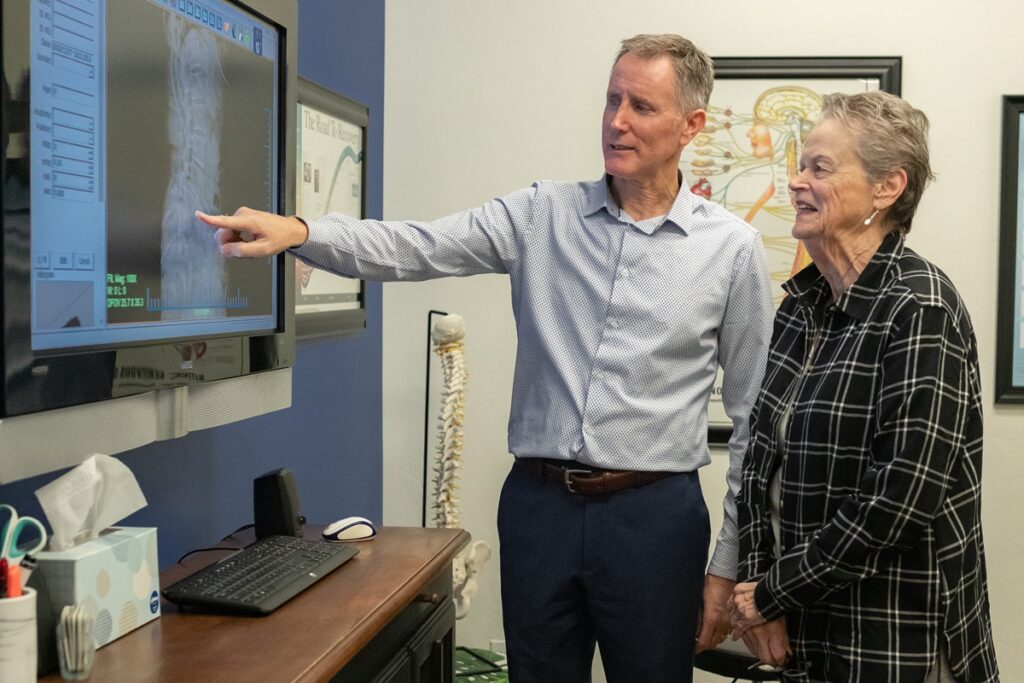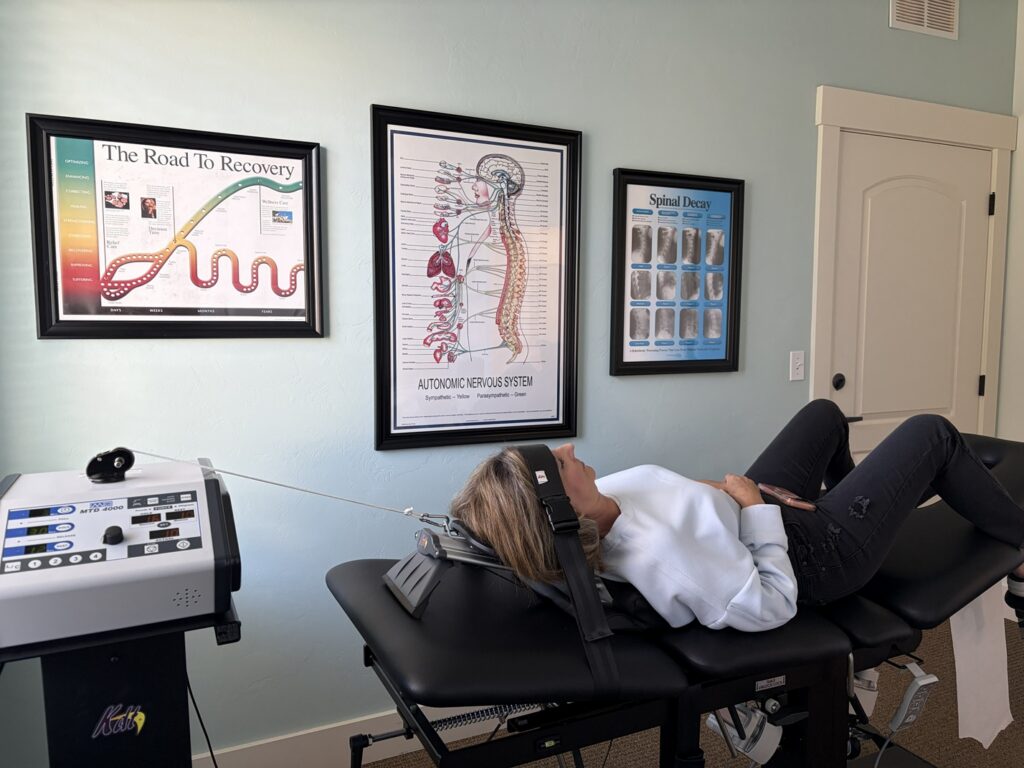

If you’re experiencing back pain, you’re in good company—many individuals face similar challenges. As a local chiropractor, I want to introduce you to the benefits of natural solutions that can help alleviate your discomfort and improve your overall well-being.
Chiropractic care emphasizes holistic approaches, including gentle stretches and adjustments, to relieve pain and promote healing. Additionally, nutrition and herbal remedies can play a significant role in managing your symptoms. By incorporating these natural strategies into your routine, you may discover effective ways to improve your quality of life.
Are you interested in learning how to implement these solutions? Let’s discuss some practical steps you can take to start your journey toward greater comfort and health.
Understanding the Causes of Back Pain
As a local chiropractor, I want to help you understand the underlying causes of your back pain, so you can take informed steps towards relief.
Back pain can arise from various sources, such as muscle strain, poor posture, or conditions like herniated discs. Often, it’s the result of overexertion during physical activities, or lifting objects incorrectly, which can create tension or injury in your muscles.
Your everyday habits play a significant role as well. For instance, prolonged sitting or using furniture that doesn’t support proper ergonomics can lead to chronic discomfort in your back.
Additionally, stress can have a physical impact, causing muscle tightness and tension.
It’s also important to consider underlying medical conditions, such as arthritis or sciatica, which may contribute to your pain. Evaluating your lifestyle and any recent changes can provide valuable insights into the causes of your discomfort.
By identifying these factors, we can work together to develop a proactive approach to relief and prevention, ensuring your back remains healthy and strong naturally.
Gentle Stretches for Relief
As a chiropractor, I often emphasize the importance of incorporating gentle stretches into your daily routine for alleviating back pain. Many individuals may not realize how these simple movements can significantly improve flexibility and relieve tension in the back muscles.
One effective stretch I recommend is the cat-cow stretch. Begin by positioning yourself on all fours. As you arch your back upwards like a cat, then dip it downwards while lifting your head, you’re gently loosening your spine. This movement can be a great way to start your day or to break up long periods of sitting.
Another beneficial stretch is the child’s pose. From a kneeling position, sit back on your heels and extend your arms forward on the floor. This stretch is particularly effective for releasing stress in the lower back and can help you feel more relaxed.
I also suggest the seated forward bend. Sit with your legs extended in front of you and slowly reach for your toes. You should feel a gentle pull along your spine and hamstrings, which can help release tightness.
I recommend holding each stretch for 15-30 seconds while breathing deeply to enhance relaxation. By integrating these gentle stretches into your daily routine, you can find relief from back pain and improve your overall spinal health.
Strengthening Exercises to Support Your Back
As a local chiropractor, I want to emphasize the importance of strengthening exercises for your back health.
Incorporating exercises that focus on core stability, flexibility, and resistance training is crucial for both recovery and prevention of back issues. By engaging in these practices, you can build a solid foundation for your spine, which will enhance your overall mobility and well-being.
It’s all about empowering you to take control of your health naturally, supporting your body’s ability to heal and thrive.
Let’s work together to create a tailored plan that suits your needs and helps you achieve a stronger, healthier back.
Core Stability Exercises
As a local chiropractor, I want to emphasize the importance of strengthening your core to provide stability and support to your back, especially if you’re experiencing discomfort.
A strong core plays a crucial role in distributing the load on your spine, ultimately reducing strain and promoting better posture.
Here are three effective core stability exercises that I recommend incorporating into your daily routine for optimal back health:
- Plank: This exercise involves holding your body in a straight line from head to heels while resting on your forearms and toes. Begin by holding this position for 30 seconds, and as your strength improves, gradually increase your duration.
- Bird-Dog: Start in a tabletop position on your hands and knees. Extend your right arm forward and your left leg backward simultaneously, engaging your core for balance. Hold this position for a few seconds before switching to the opposite arm and leg.
- Bridges: Lie flat on your back with your knees bent and feet flat on the floor. Lift your hips towards the ceiling while squeezing your glutes, creating a straight line from your shoulders to your knees. Lower your hips back down to the starting position.
Incorporating these exercises into your routine can significantly enhance your back support and overall spinal health.
Remember, strengthening your core is key to achieving a pain-free and balanced body!
If you have any questions or would like personalized guidance, feel free to reach out.
Flexibility and Stretching
As a local chiropractor, I want to emphasize the importance of complementing your core stability work with flexibility and stretching exercises. These movements are essential for relieving tension in your back and enhancing your overall mobility, which is crucial for maintaining a healthy spine.
Incorporating stretches such as the cat-cow, seated forward bend, and spinal twists into your routine can help you achieve and maintain a healthy range of motion.
When performing these stretches, I recommend holding each position for at least 15-30 seconds while focusing on deep, relaxed breathing. This approach won’t only maximize the benefits of the stretches but also help you become more in tune with how your body feels during each movement.
It’s important to listen to your body and avoid pushing yourself too hard, as this can lead to injury.
Regularly practicing these flexibility exercises can significantly improve your posture and reduce the risk of developing future back pain. Remember, consistency is key!
I encourage you to set aside a few minutes each day to incorporate stretching into your routine. By doing so, you can keep your back feeling great and support your overall health through natural healing.
If you have any questions or need guidance on specific stretches, please feel free to reach out to me during your next visit.
Resistance Training Benefits
As your local chiropractor, I want to share some valuable insights on how incorporating resistance training into your routine can significantly benefit your back health.
Many people may not realize that while flexibility and stretching are crucial, strengthening your back and core muscles through resistance training is equally important. This approach not only supports your spine but also enhances your overall well-being.
Here are three key benefits of resistance training that I often discuss with my patients seeking relief from back pain:
- Improved Muscle Strength: By building stronger muscles, you can alleviate pressure on your spine. This not only improves your posture but can also lead to a reduction in pain, making daily activities more comfortable.
- Enhanced Stability: Resistance training is particularly effective for strengthening your core muscles. A strong core provides essential stability for your spine, which is vital during everyday movements. This stability can help prevent injuries and support your overall spinal health.
- Increased Flexibility: It may come as a surprise, but engaging in specific resistance exercises can actually enhance your flexibility. Improved flexibility contributes to a greater range of motion, which is crucial for maintaining an active lifestyle and preventing injuries.
As we explore these benefits, I encourage you to consider how integrating resistance training into your routine can complement your chiropractic care and contribute to a healthier, pain-free back.
The Role of Nutrition in Back Health
As a local chiropractor, I want to emphasize the crucial role that nutrition plays in maintaining a healthy back. The right nutrients can significantly support your spine and muscles, helping you avoid injuries and alleviate pain. A balanced diet filled with essential vitamins and minerals is key to strengthening your bones and connective tissues.
To bolster your bone density, focus on foods that are high in calcium and vitamin D. Dairy products, leafy greens, and fatty fish are excellent choices. Additionally, consider incorporating omega-3 fatty acids found in fish, walnuts, and flaxseeds into your diet. These can help reduce inflammation, which is often a source of pain.
Don’t forget about the importance of fruits and vegetables; they’re rich in antioxidants that combat oxidative stress on your spine. Staying hydrated is also vital—adequate water intake keeps your spinal discs well-lubricated, ensuring they can function properly.
It’s important to maintain a healthy weight as well, since excess weight can put unnecessary strain on your back. By prioritizing nutrition, you can empower your body to maintain a strong, resilient back.
This not only enhances your overall well-being but also contributes to pain relief. Remember, a holistic approach that includes nutrition is essential for optimal spinal health!
Herbal Remedies and Natural Supplements
As your local chiropractor, I want to share some insights on how herbal remedies and natural supplements can play a significant role in managing back pain. Many of my patients have found relief through these options, which can complement the adjustments and therapies we provide in the office.
There are various herbal treatments and supplements that may help alleviate discomfort and support your spine’s overall health. However, it’s essential to understand the appropriate dosages and safety considerations to ensure you get the most benefit while minimizing any potential risks.
If you’re curious about integrating these natural options into your pain management plan, please feel free to ask during your next visit. Together, we can explore the best strategies for your individual needs.
Effective Herbal Treatments
As a local chiropractor, I often see patients struggling with back pain and seeking natural alternatives for relief. One approach that many find beneficial is incorporating effective herbal treatments into their pain management routine.
These remedies leverage the healing properties of nature and can complement chiropractic care beautifully. Here are three herbs that I frequently recommend:
- Turmeric: This vibrant yellow spice is renowned for its anti-inflammatory properties. It can help reduce pain and swelling in the body. You can easily incorporate turmeric into your diet by taking it as a supplement or adding it into your meals for an extra flavor punch.
- Ginger: Another potent anti-inflammatory, ginger is excellent for easing discomfort and enhancing circulation. I suggest trying ginger in herbal teas or using it as a spice in your cooking—it not only adds a zesty kick but also works wonders for your body.
- Willow Bark: Often referred to as a natural alternative to aspirin, willow bark can provide relief from pain and inflammation. It can be consumed in tea or taken as a supplement, making it a versatile option for those looking for natural pain relief.
Incorporating these herbs into your daily routine, alongside regular chiropractic adjustments, might just be the key to finding the relief you need.
If you have any questions about how these treatments can work in conjunction with chiropractic care, feel free to ask during your next visit!
Popular Natural Supplements
As a local chiropractor, I often see patients seeking relief from back pain, and I want to share some insights about how natural supplements can play a role in your healing journey.
Many individuals find relief through popular options such as turmeric, which is well-known for its anti-inflammatory effects. Another option is ginger, which may help alleviate pain and stiffness in your back.
I also recommend considering Boswellia, a supplement derived from the resin of the Boswellia tree, recognized for its support in joint health. Additionally, the traditional African remedy devil’s claw has gained attention for its potential to reduce discomfort.
Furthermore, incorporating omega-3 fatty acids, often found in fish oil, may help combat inflammation throughout your body.
By exploring these natural supplements, you’re harnessing the power of nature to support your back health. It’s important to listen to your body and find what works best for you.
Dosage and Safety Tips
As a local chiropractor, I want to help you understand the importance of proper dosage and safety when it comes to herbal remedies and natural supplements. This knowledge can enhance your healing journey while keeping risks at bay. Here are three essential tips to consider:
- Start Low and Go Slow: When trying a new herbal supplement, begin with the lowest recommended dosage. This allows you to gauge how your body responds. If needed, you can gradually increase the dosage, but take your time—there’s no need to rush.
- Consult a Healthcare Professional: Before introducing any new supplements into your routine, it’s crucial to have a conversation with your healthcare provider, such as your chiropractor or a qualified herbalist. This is especially important if you’re currently taking medications or have pre-existing health conditions.
- Monitor for Side Effects: After starting a new supplement, pay close attention to how you feel. If you experience any adverse reactions, it’s important to stop using the product and seek guidance from a healthcare professional right away. Your safety is our top priority.
By following these guidelines, you can support your body’s natural healing process while minimizing potential risks.
Mindfulness and Relaxation Techniques
As a local chiropractor, I want to share how mindfulness and relaxation techniques can play a significant role in relieving back pain. By integrating these practices into your daily routine, you can significantly alleviate discomfort and enhance your overall well-being.
Mindfulness allows you to tune into your body and its sensations, making you more aware of any tension or stress that may be contributing to your pain. This awareness is crucial in identifying patterns that might lead to discomfort.
Incorporating simple techniques, such as deep breathing and meditation, can be incredibly beneficial. These practices not only calm the mind but also help release physical tension in your back. Focusing on your breath promotes relaxation, which can relieve muscle tightness and improve your posture.
Additionally, progressive muscle relaxation, where you systematically tense and then relax different muscle groups, can help you release stress and become more in tune with your body.
I encourage you to dedicate just a few minutes each day to practice mindfulness or relaxation techniques. By regularly engaging in these practices, you can gain a greater sense of control over your pain, paving the way for a more balanced and pain-free life.
Utilizing Heat and Cold Therapy
As a local chiropractor dedicated to helping you find relief from back pain, I want to introduce you to the powerful benefits of heat and cold therapy in your recovery journey.
Many patients may not realize how effective these natural methods can be in alleviating discomfort and promoting healing. Here’s how to use each therapy effectively:
1. Heat Therapy: Applying heat is a fantastic way to relax tight muscles and enhance blood circulation to the affected area. You can use a heating pad, hot water bottle, or even a warm towel.
I recommend applying heat for about 15-20 minutes to experience the full benefits.
2. Cold Therapy: Cold therapy, on the other hand, is excellent for reducing inflammation and numbing sharp pain. Simply wrap ice or a cold pack in a cloth and apply it for 15-20 minutes.
This method is especially effective after engaging in physical activities, as it can help manage post-exercise soreness.
3. Alternating Therapies: For optimal relief, consider alternating between heat and cold. Start with cold therapy to reduce any swelling, and then switch to heat therapy to relax your muscles and improve circulation.
This combination can significantly enhance your comfort levels.
Incorporating these techniques into your daily routine can greatly support your recovery and overall well-being.
If you have any questions or need personalized guidance, feel free to reach out during your next appointment. Your journey to a pain-free life is important to us!
When to Seek Professional Help
As your local chiropractor, I want to help you understand when it’s essential to seek professional care for your back pain. Your body communicates with you, and it’s important to pay attention to those signals.
If you’ve been experiencing back pain that lasts for more than a few weeks or if the discomfort intensifies with movement, it’s time to reach out for assistance. Additionally, if you notice any numbness, tingling, or weakness in your legs, please don’t hesitate to contact me. These could be signs of a more serious condition that needs prompt attention.
If your pain has developed after an injury or accident, consulting with a chiropractor is wise. We specialize in diagnosing and treating musculoskeletal issues, and can offer you personalized care that may not be achievable with over-the-counter medications alone.
If you’ve tried home remedies without success, I can provide you with tailored advice and effective treatments to help alleviate your pain.
Remember, if your back pain is affecting your daily life or disrupting your sleep, it’s crucial to address it sooner rather than later. Early intervention can prevent complications and lead to a more successful recovery.
Don’t hesitate to prioritize your health and well-being—I’m here to support you on your journey to natural healing!
Conclusion
As a local chiropractor, I want to share how incorporating natural solutions into your daily routine can significantly help manage back pain. Understanding the underlying causes of your discomfort is key. By practicing gentle stretches and focusing on strengthening your back, you’re taking proactive steps toward finding relief.
Nutrition also plays a crucial role in your overall health. Certain foods and herbal remedies can support your body’s healing processes. Additionally, mindfulness techniques can help ease tension and promote relaxation, further contributing to pain relief.
It’s important to remember that if your pain persists, seeking professional help is always a wise choice. As a chiropractor, I’m here to guide you through these holistic approaches and help you achieve improved comfort and a better quality of life. Together, we can explore natural healing options that work best for you.