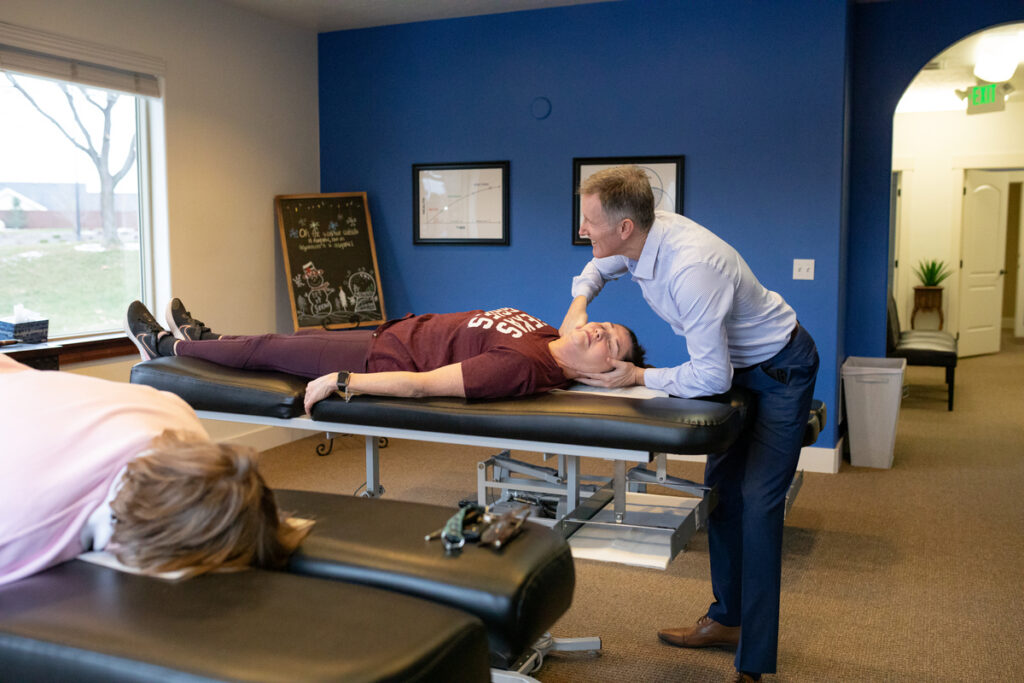

As a local chiropractor, I understand that many of you may be experiencing back pain, and I want to help you navigate this common issue. It’s important to recognize that poor posture can significantly contribute to your discomfort. By making a few simple adjustments to your daily habits, you can start to alleviate that pain and improve your overall well-being.
One of the first steps I recommend is to evaluate your posture throughout the day. Are you slouching at your desk or hunching over your phone? Being mindful of your body alignment can make a huge difference. Additionally, strengthening your core muscles is essential for providing support to your spine and maintaining proper posture.
There are several effective strategies we can implement together to enhance your posture and reduce pain. From targeted exercises to stretching techniques, each approach is designed to promote natural healing and restore balance to your body. Let’s explore these tips together and take the first step towards a healthier, pain-free life.
Assess Your Current Posture
As your local chiropractor, I want to emphasize the importance of regularly assessing your posture. Many individuals don’t give their posture a second thought until they start experiencing discomfort or pain.
To begin, I encourage you to stand in front of a mirror and take a good look at your alignment. Observe how your shoulders relate to your hips and whether your head is properly positioned over your spine. Are your shoulders rounded forward, or is your back standing tall? Don’t forget to check your feet as well; they should ideally be shoulder-width apart to provide a stable base.
Next, let’s talk about your sitting posture. When you sit down, your back should be straight, and your feet should be flat on the floor. If you notice yourself slouching or leaning forward, that indicates it’s time for a correction.
By regularly evaluating your posture, you can catch any poor habits before they escalate into discomfort or pain. I recommend making it a daily routine to stand tall and sit straight. Your body will appreciate the effort, and it can help you maintain overall wellness in the long run.
Strengthen Your Core Muscles
As a local chiropractor, I want to emphasize the importance of strengthening your core muscles for not only good posture but also for preventing back pain.
A strong core plays a crucial role in supporting your spine, allowing you to move with greater stability and reducing the risk of injuries.
In my practice, I often see patients who are unaware of how their core strength impacts their overall health.
By incorporating effective core exercises into your daily routine, you can significantly enhance your strength and well-being.
Let’s take a closer look at some simple yet effective exercises that can be easily integrated into your lifestyle.
Importance of Core Strength
As a local chiropractor, I want to emphasize the importance of core strength in your overall health and well-being. Many people don’t realize how vital strong core muscles are for maintaining good posture and alleviating back pain. When your core is strong, it provides essential support to your spine and pelvis, helping you maintain proper alignment throughout your daily activities.
This support significantly reduces the strain on your back, making it less likely for you to experience discomfort or injury.
Moreover, a strong core enhances your balance and stability. This is crucial for preventing awkward movements that can lead to pain or even accidents. By focusing on developing your core strength, you’re not just working on improving your posture; you’re also equipping your body to handle daily tasks more efficiently and with less risk of injury.
Investing time in strengthening your core is a powerful step towards a healthier back and a more active lifestyle. As your chiropractor, I encourage you to consider core exercises as part of your routine for natural healing and to enhance your overall physical health.
Effective Core Exercises
Unlocking the full potential of your core can have a profound impact on your posture and may help alleviate back pain. As a chiropractor, I often emphasize the importance of core strength in maintaining a healthy spine and overall well-being.
Here are some effective exercises you can incorporate into your routine to strengthen your core:
- Planks: This exercise engages your entire core while promoting a straight line from your head to your heels. It’s excellent for overall stability.
- Bird-Dogs: Start on your hands and knees, then extend one arm and the opposite leg simultaneously. This movement enhances balance and coordination, which are essential for spinal health.
- Dead Bugs: Lie on your back and alternate extending your arms and legs. Focus on keeping your lower back pressed against the floor. This exercise is great for improving core stability without straining your spine.
- Russian Twists: While sitting with your knees bent and leaning back slightly, rotate your torso to each side. This targets your obliques and helps in improving rotational strength, which is important for daily activities.
Incorporating these exercises into your daily routine can’t only build core strength but also support proper spinal alignment.
By doing so, you can achieve better posture and potentially reduce discomfort. Remember, strengthening your core is a fundamental step in maintaining a healthy body and spine.
If you have any questions or need guidance on these exercises, don’t hesitate to reach out!
Daily Core Routines
As a local chiropractor, I want to emphasize the importance of incorporating daily core routines into your lifestyle for better posture and relief from back pain. By focusing on exercises that strengthen your abdominal, back, and pelvic muscles, you can significantly improve your overall well-being.
Simple movements such as planks, bridges, and bird-dogs aren’t only effective but can be easily integrated into your daily routine. I recommend dedicating just 10-15 minutes each day to these exercises—consistency is essential for achieving lasting results.
You don’t need any fancy gym equipment; your body weight is more than sufficient to build strength. To help make these routines a habit, consider incorporating them into your morning or evening rituals.
Additionally, I encourage you to engage your core during everyday activities, such as sitting or standing, to promote proper posture throughout the day.
By committing to these daily core routines, you’ll be strengthening your muscles and enhancing your overall health, making it easier to maintain a healthy posture and reduce discomfort.
Adjust Your Workspace Ergonomics
As a local chiropractor dedicated to helping you understand the importance of proper ergonomics, I want to share some vital tips to alleviate back pain. It all starts with adjusting your workspace to support your body’s natural alignment.
First, make sure your chair is at the correct height so that your feet can rest flat on the floor while your knees form a right angle. This simple adjustment can significantly reduce the strain on your back.
Next, let’s talk about your monitor. Position it at eye level to prevent any unnecessary neck strain. When your monitor is too low or too high, it can lead to poor posture and discomfort.
Finally, pay attention to your keyboard and mouse setup. They should be close enough to keep your arms relaxed and your elbows at about a 90-degree angle. By keeping your arms in a natural position, you help reduce tension in your back and shoulders, promoting overall comfort and health.
Taking these steps can make a considerable difference in your daily comfort and well-being. If you have any questions or need personalized advice, feel free to reach out!
Chair Height Adjustment
As a local chiropractor, I want to emphasize the importance of proper chair height adjustment in promoting a healthy workspace and preventing back pain. Many people are unaware that the way they sit can significantly impact their posture and spinal health.
When your chair is adjusted to the right height, it can provide crucial support for your body, helping to alleviate strain on your back. Here are some practical tips to help you find the ideal chair height:
- Ensure your feet rest flat on the floor or a footrest, which helps maintain stability and promotes better circulation.
- Your knees should be at or slightly below hip level, as this alignment can reduce pressure on your lower back.
- Aim for your thighs to be parallel to the ground. This position encourages healthy blood flow and minimizes discomfort during long periods of sitting.
- Make sure to keep your back supported against the chair; this will enhance comfort and support your spine’s natural curves.
By making these adjustments, you can create a more ergonomic workspace that supports your overall health and well-being.
Monitor Positioning Guidelines
As a local chiropractor, I want to emphasize the importance of proper monitor positioning for your overall health and well-being, especially when it comes to maintaining good posture and preventing back pain during long hours of work.
It’s crucial that you place your monitor at eye level. This means the top of the screen should be at or slightly below your eye level, which helps keep your neck relaxed and reduces unnecessary strain.
Additionally, positioning your monitor about an arm’s length away is key. This distance allows your eyes to focus comfortably without straining, which is essential for avoiding headaches and eye fatigue.
To further enhance your comfort, angle your screen slightly back—around 10 to 20 degrees—to minimize glare.
Make sure that your monitor is directly in front of you, aligning it with the centerline of your body. Following these guidelines won’t only create a more ergonomic workspace but will also support your back and promote better posture.
Keyboard and Mouse Setup
As a local chiropractor dedicated to promoting natural healing and overall wellness, I want to highlight the importance of how you set up your keyboard and mouse. Many individuals may not realize that these small adjustments can greatly affect your posture and comfort throughout the day.
Here are some key recommendations to create an ergonomic workspace that supports your spine and overall health:
- Position your keyboard at elbow height. This allows you to maintain a neutral wrist position, which helps prevent strain and discomfort in your wrists and arms.
- Keep your mouse close to the keyboard. This reduces the need to reach excessively, minimizing strain on your shoulders and neck.
- Consider using a wrist rest. This simple tool can provide essential support for your wrists, helping to prevent repetitive strain injuries that can occur from prolonged computer use.
- Ensure your chair provides adequate support for your lower back, and make sure your feet are flat on the ground. Proper chair height and lumbar support are vital for maintaining a healthy spine alignment.
By making these adjustments to your workspace, you can help support your body’s natural alignment and reduce the risk of discomfort or injury.
Incorporate Stretching and Flexibility Exercises
As a local chiropractor, I want to emphasize the importance of incorporating stretching and flexibility exercises into your daily routine to help alleviate back pain and improve your posture.
Many of my patients are surprised to learn how effective these simple movements can be in loosening tight muscles, increasing blood flow, and enhancing overall flexibility.
To get started, I recommend beginning with basic stretches such as the cat-cow pose or the seated forward bend. These are great for relieving tension in your back and can easily be done at home.
Aim to make stretching a daily habit—just 10 minutes a day can make a significant difference, especially focusing on areas that often hold tension, like your hamstrings, hips, and lower back.
You might also consider practicing yoga or Pilates, as these disciplines emphasize core strength and flexibility, which are crucial for maintaining proper alignment and preventing future discomfort.
Always listen to your body during these stretches. If you feel any discomfort, it’s important to ease back and not push yourself too hard.
Consistency is key; over time, you’ll likely notice substantial improvements in your posture and a decrease in back pain.
Use Supportive Furniture and Accessories
As a local chiropractor, I want to emphasize the importance of choosing the right furniture and accessories for your overall posture and back health. Many people aren’t aware that the items you use every day can significantly impact how your body feels.
Investing in supportive furniture can lead to better alignment and reduced discomfort, which is essential for maintaining a healthy spine. Here are some key items you should consider:
- Ergonomic Chair: When selecting a chair, opt for one that has adjustable features. This will allow you to support your lower back effectively and promote good posture throughout your day.
- Desk Height: It’s crucial to ensure that your desk is at the right height. Your elbows should be at a 90-degree angle while typing, which helps keep your shoulders relaxed and reduces strain on your neck and back.
- Lumbar Support Cushion: If your chair doesn’t provide adequate support for your lower back, consider using a lumbar support cushion. This accessory can fill in the gaps and provide the additional support your spine needs.
- Footrest: For those whose feet don’t comfortably reach the ground, a footrest is a simple yet effective solution. It can help support your legs properly and improve circulation, which is vital for overall comfort and health.
By making these thoughtful choices in your workspace, you can greatly enhance your posture, alleviate discomfort, and support your spine’s health.
Be Mindful of Your Daily Habits
As a local chiropractor, I want to share an important insight with you: your daily habits significantly influence your posture and overall back health. Many people don’t realize that simple actions—like the way you sit, stand, or lift objects—can have a profound effect on your spine’s alignment. For instance, slouching while seated or hunching over your phone places unnecessary strain on your back, which can lead to discomfort over time.
To enhance your posture and support your spinal health, I encourage you to make small, mindful adjustments throughout your day. When standing, try to distribute your weight evenly across both feet, and engage your core muscles to provide stability.
If you spend a lot of time at a desk, remember to take regular breaks to stretch and adjust your position—this can do wonders for your body. Additionally, incorporating physical activity, such as walking or light exercises, into your routine can strengthen your back and improve your posture.
Being conscious of these daily habits is crucial for preventing discomfort and promoting a healthier spine. Remember, the little changes you make each day can lead to significant improvements in your posture and overall back health.
Consult a Professional for Guidance
As a local chiropractor dedicated to promoting your health and well-being, I want to emphasize the importance of being mindful of your daily habits when it comes to improving posture.
However, seeking professional guidance can significantly enhance your journey toward better alignment and comfort. Here’s why consulting with a chiropractor, physical therapist, or posture specialist can make a difference:
- Expert Evaluation: We can conduct a thorough assessment of your posture, pinpointing specific areas that may require attention and improvement.
- Customized Exercises: Based on your unique needs, we can design a personalized exercise plan that focuses on strengthening weak muscles and stretching tight ones, promoting a balanced body.
- Ergonomic Advice: Our expertise allows us to provide practical tips on how to adjust your workspace and daily activities, fostering an environment that encourages better posture.
- Ongoing Support: Regular check-ins with us can help you stay accountable and make any necessary adjustments to your posture correction plan, ensuring you’re on the right track.
Don’t overlook the value of professional chiropractic care; it could be the key to achieving long-lasting relief from back pain and enhancing your overall quality of life.
Let’s guide you toward a healthier, more aligned future.
Conclusion
As a local chiropractor, I want to share seven effective posture correction tips that can help alleviate back pain and enhance your overall posture. First, it’s important to regularly assess your posture throughout the day; being aware of how you sit, stand, and move can make a big difference. Strengthening your core muscles is essential, as a strong core supports your spine and helps maintain proper alignment.
Additionally, ensure that your workspace is ergonomically designed to reduce strain on your back. This includes using a chair that provides adequate support and positioning your computer screen at eye level. Don’t forget the importance of stretching; incorporating daily stretches can help relieve tension in your muscles.
Using supportive furniture can also make a significant impact on your comfort levels, whether it’s a good mattress or an ergonomic chair. Moreover, be mindful of your daily habits, such as how you lift heavy objects or how long you spend sitting. If you’re struggling to implement these changes on your own, consider consulting a professional chiropractor. We can provide personalized guidance tailored to your specific needs.
By committing to these adjustments, you’ll likely experience a positive change in how you feel and move every day. Embracing these principles of natural healing and posture correction can lead to long-term benefits for your back health.