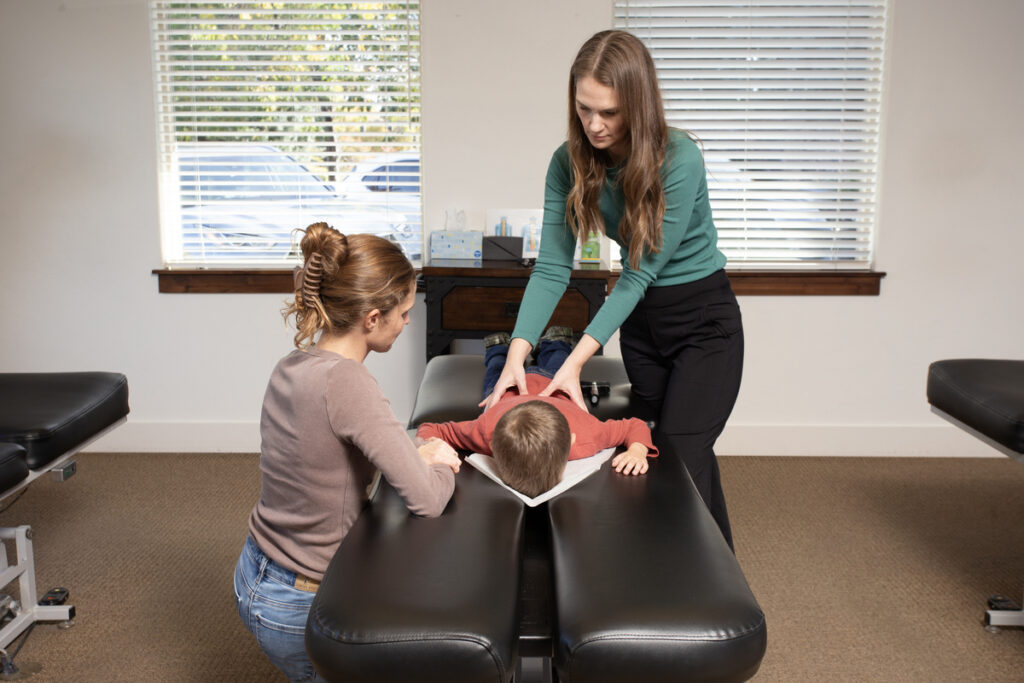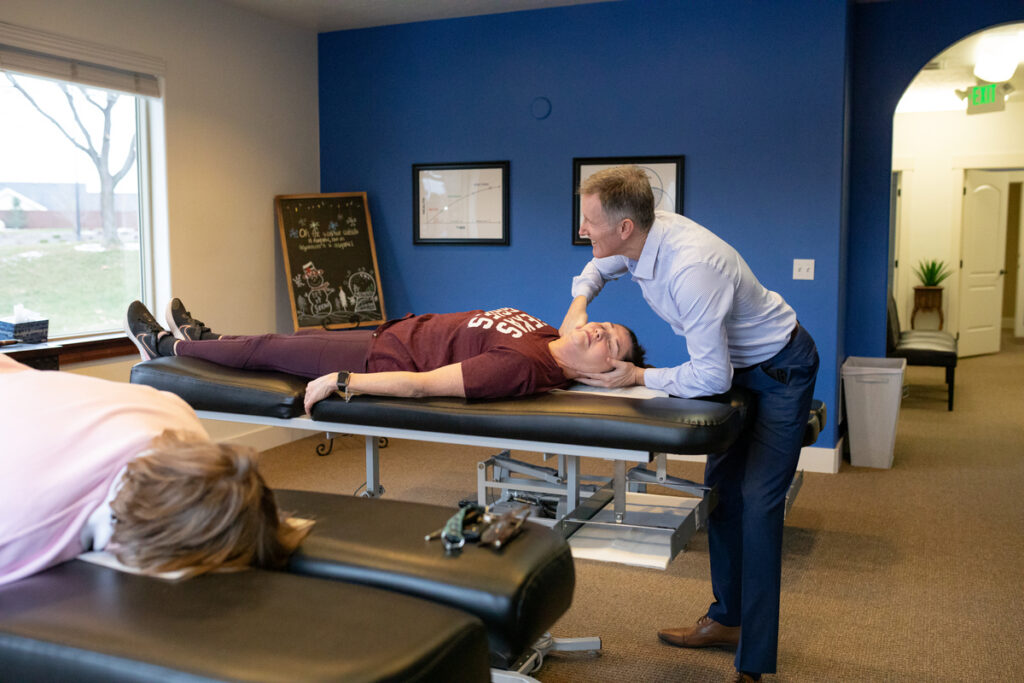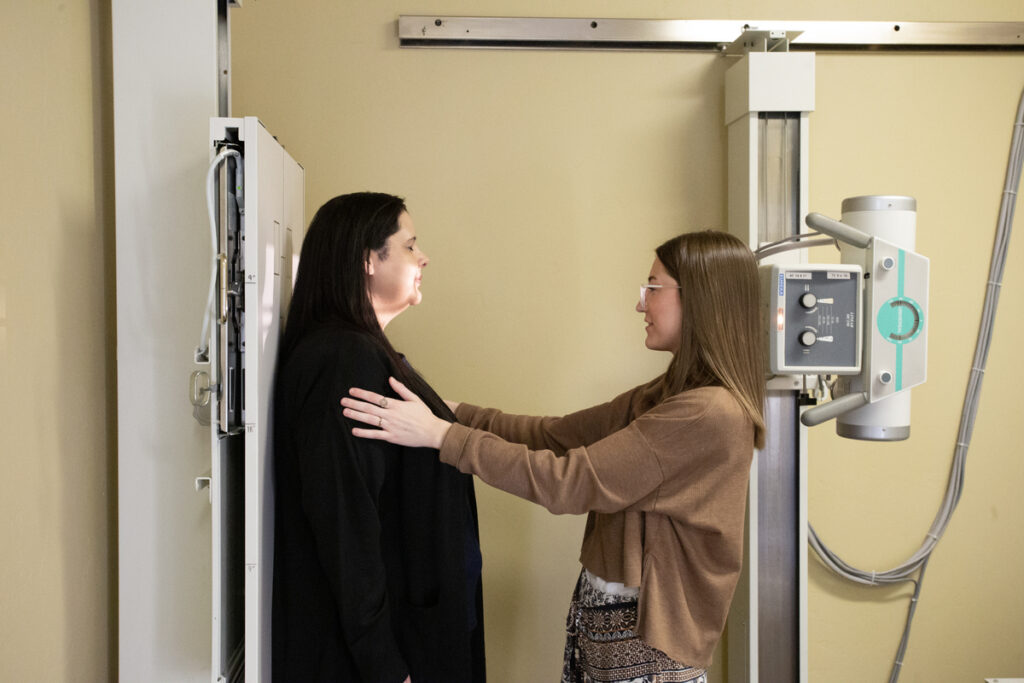

When you experience a sports injury, understanding its mechanics is just the starting point. As a local chiropractor, I want to emphasize the importance of a holistic approach to recovery that goes beyond just addressing the injury itself. This includes tailored rehabilitation techniques that cater specifically to your needs, as well as nutritional support that encourages healing from within. Additionally, incorporating mental resilience strategies can significantly contribute to your recovery journey.
It's important to recognize that the road to recovery can be more complex than it appears. So, what should your first step be to ensure a successful return to your sport? Seeking a chiropractic consultation is a great start. We'll assess your injury, develop a personalized treatment plan, and guide you on effective rehabilitation strategies. Together, we can pave the way for a safe and effective recovery, helping you get back to doing what you love.
Understanding Your Injury
Understanding Your Injury: A Chiropractor's Perspective
As your local chiropractor, it's essential to help you truly understand your injury and the healing process. The first step is to analyze the specifics. Take note of where the pain is located and identify any movements that make it worse. Is the pain sharp, dull, or throbbing? Each description offers valuable clues about the nature of your injury and guides us in tailoring your treatment.
Next, let's explore how the injury occurred. Did you perhaps overexert yourself, or did you twist in an awkward position during a game? Understanding the mechanism behind your injury not only aids in recovery but is crucial for preventing similar issues in the future.
Pay close attention to any accompanying symptoms like swelling, bruising, or a loss of function. These signs can help us assess the severity of your injury. If you experience ongoing pain or find it challenging to perform daily activities, it's important to seek guidance.
As your chiropractor, I can perform a thorough evaluation to provide an accurate diagnosis, which is fundamental for effective treatment.
Education is a powerful tool in your recovery journey. Take the time to research your specific injury type to better understand typical recovery timelines and treatment options. This knowledge empowers you to set realistic goals and expectations as you heal.
I also encourage you to keep a journal of your symptoms and progress. Documenting your experiences can help you identify patterns and communicate more effectively with me during our sessions.
Plus, tracking your improvements can serve as a source of motivation throughout your healing journey.
Importance of Rehabilitation
Rehabilitation is a crucial aspect of your healing journey after an injury, and as a chiropractor, I want to emphasize that it's not solely about physical recovery; it's also about regaining your strength, flexibility, and confidence.
By participating in a well-structured rehabilitation program, you significantly increase your chances of returning to your favorite activities at full capacity. Rehabilitation addresses both the physical and mental aspects of your recovery, which is vital for a holistic approach to healing.
Here are three essential reasons why rehabilitation is fundamental:
- Restoration of Function: Through chiropractic care, we focus on restoring your body's optimal functionality. You'll engage in specific exercises that improve your mobility and strengthen the injured area, ensuring you regain your full range of motion. My goal is to help you move freely and without pain.
- Injury Prevention: A comprehensive rehabilitation program will educate you about your body and how to prevent future injuries. By understanding your body's mechanics and movement patterns, you'll be better equipped to avoid the mistakes that may have contributed to your injury initially. Knowledge is power when it comes to maintaining your health.
- Mental Resilience: The recovery process can be tough, and rehabilitation provides the necessary support to keep you motivated. Working closely with me and other professionals helps build your mental toughness, which is just as crucial as your physical recovery. Together, we'll navigate the challenges of rehabilitation, empowering you to overcome them.
Incorporating rehabilitation into your recovery plan isn't just beneficial; it's essential for your overall well-being.
By committing to this process, you're paving the way for a successful return to your activities, equipped with the tools to stay healthy and perform at your best.
Embrace the rehabilitation journey, and let's empower you towards a complete and natural recovery!
Nutrition for Recovery
As your local chiropractor, I want to emphasize how crucial nutrition is during your recovery process. Proper nutrition not only supports your healing but also helps you regain strength more efficiently. The right foods provide your body with essential nutrients necessary for tissue repair, reducing inflammation, and restoring energy levels.
It's important to focus on a well-balanced diet that includes lean proteins, healthy fats, and an abundance of fruits and vegetables. Proteins are vital for muscle repair and recovery, so I encourage you to include sources like chicken, fish, eggs, beans, and legumes in your meals.
Aim to fill your plate with a variety of colorful fruits and vegetables, as these are rich in antioxidants that help combat oxidative stress and inflammation. Foods like berries, spinach, and sweet potatoes are particularly beneficial for your recovery.
Healthy fats are equally important in your diet. Incorporating foods like avocados, nuts, seeds, and olive oil can help reduce inflammation and promote overall well-being. Additionally, staying well-hydrated is essential. Water plays a critical role in maintaining your body's functions, especially when you're healing from an injury.
Timing your meals around your activity level can also enhance your recovery. Consuming a combination of protein and carbohydrates post-workout can give your body the boost it needs to recover effectively. Snacks like Greek yogurt with fruit or a protein smoothie can be excellent options for replenishing nutrients.
Lastly, I encourage you to listen to your body throughout this process. If you notice fatigue or any changes in your recovery, it may be time to reassess your nutrition. For personalized guidance, working with a nutritionist can be beneficial.
Mental Resilience Techniques
As a local chiropractor, I want to emphasize that building mental resilience is just as crucial as your physical recovery when you're dealing with a sports injury. Your mindset plays a significant role in how you heal, and focusing on mental techniques can help you stay strong and motivated throughout the recovery process.
Here are three effective strategies to enhance your mental resilience during your healing journey:
1. Set Realistic Goals: It's important to break down your recovery into manageable milestones. Instead of aiming for an immediate return to your sport, focus on achieving smaller, specific goals, such as regaining your range of motion or rebuilding strength.
This approach not only helps you recognize and celebrate your progress but also keeps you motivated as you move forward.
2. Practice Mindfulness: Incorporating mindfulness techniques, such as meditation or deep-breathing exercises, into your daily routine can be incredibly beneficial.
These practices help to alleviate anxiety and improve your ability to handle the emotional challenges that often accompany an injury. By staying present and concentrating on your breath or your surroundings, you can foster a greater sense of calm, which is essential for recovery.
3. Visualize Success: Take some time to visualize your recovery and your future performance. Imagine yourself overcoming challenges and returning to your sport even stronger than before.
This mental rehearsal not only boosts your confidence but also reinforces a positive outlook, making it easier for you to navigate the tough days that may arise during your healing process.
By integrating these mental resilience techniques into your recovery plan, you can enhance your overall healing experience and improve your chances of returning to your sport with renewed strength and determination.
Gradual Return to Activity
After we've worked on enhancing your mental resilience, it's important to turn our focus toward the practical steps in your recovery journey. A gradual return to activity is crucial for avoiding re-injury and ensuring that your body is physically prepared to get back to the activities you love. I recommend starting with a consultation where we can outline a personalized recovery plan tailored to your needs.
Initiate your recovery with low-impact activities that won't put stress on your injury. Swimming and cycling are excellent options, as they allow you to maintain your fitness levels without risking further harm. As you begin to feel stronger, we can gradually introduce more intensity and movements specific to your sport. It's vital to listen to your body—if you encounter any pain or discomfort, that's a sign to take a step back.
Incorporating strength and flexibility exercises into your routine is essential for rebuilding muscle and improving your range of motion. Our focus will be on strengthening not only the injured area but also the surrounding muscle groups to promote overall stability. This balanced approach will ultimately enhance your performance when you return to your sport.
As we progress, I encourage you to set achievable goals for yourself. Celebrate those small victories—whether it's completing a set of exercises or engaging in light practice sessions. Recognizing these milestones can significantly boost your motivation and mental resilience.
Once you start feeling more confident, we'll progressively increase the duration and intensity of your activities. This gradual reintroduction to your sport will support your body in adapting and recovering fully. Remember, patience is crucial—rushing back can lead to setbacks. Stay dedicated to this process, and you'll return stronger and better prepared than ever before.
Conclusion
Injuries can be challenging, but as a chiropractor, I want to guide you through understanding your injury and the importance of a personalized rehabilitation program. It's essential to recognize that the body has an incredible capacity to heal naturally, and my role is to support that process.
Nutrition plays a crucial role in recovery; fueling your body with the right foods can significantly enhance your healing. It's also vital to cultivate mental resilience. Staying positive during your recovery journey can greatly influence your outcomes.
As you begin to return to your activities, remember that recovery is not just about getting back to where you were; it's about ensuring long-term performance and preventing future injuries. With a thoughtful approach to your rehabilitation, including chiropractic adjustments and holistic care, you can bounce back stronger than before. Trust in the process, and together, we can achieve your health goals!