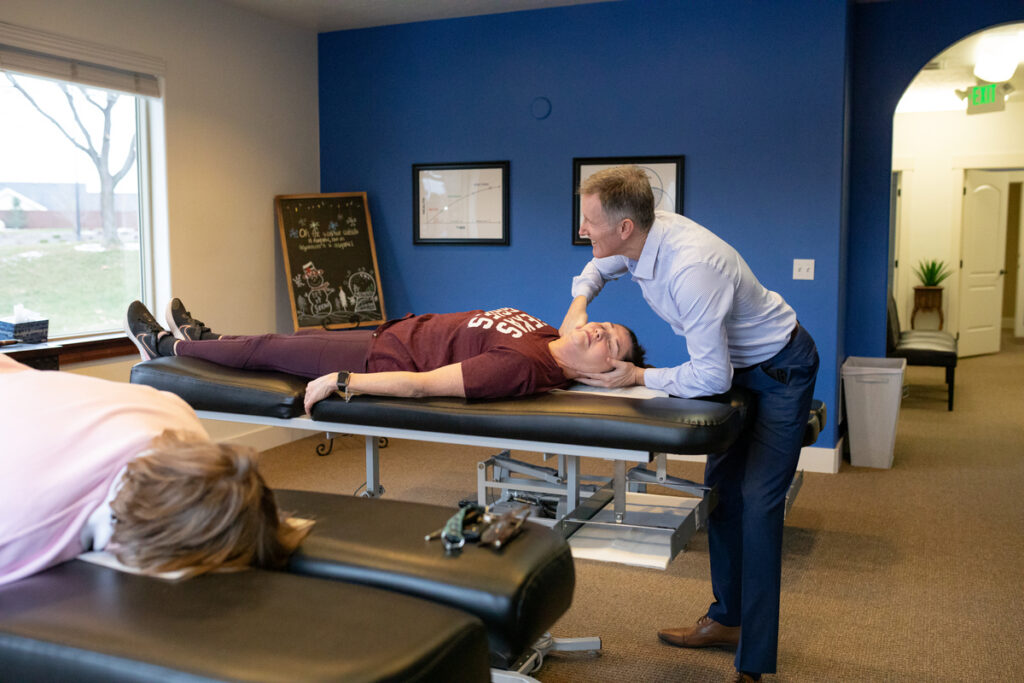

As a local chiropractor, I want to assure you that you're not alone in your battle with back pain; it's a common issue that affects many people and often leads to frustration and uncertainty. As you consider different treatments and coping strategies, it's natural to wonder which options are truly effective.
Understanding the common causes of back pain is the first step towards relief, and that's where chiropractic care comes into play. Our approach focuses on natural healing and restoring balance to your body. This journey is not just about alleviating pain—it's about reconnecting with your body and unlocking its full potential.
You may be curious about the benefits of chiropractic adjustments and how they can help you regain mobility and improve your quality of life. By exploring evidence-based therapies and hearing the success stories of patients who have found their way back to wellness through chiropractic care, you might discover that there's a path to relief that resonates with you. I'm here to guide you through the options available and support you on your journey to better health.
Understanding Back Pain
As a chiropractor, I want to help you understand the complexities of back pain and how chiropractic care can play a vital role in your healing journey. Your back is an intricate structure composed of bones, muscles, ligaments, and nerves, all working in harmony to support your body and enable movement. Each component has a specific function, and when one part becomes strained or injured, it can lead to discomfort that impacts your everyday life.
Back pain can present itself in various ways. You might experience a sharp, sudden pain or a persistent dull ache that lingers for weeks or even months. This variability can be influenced by several factors, such as your daily activities, posture, and even stress levels. You may find that certain movements or positions worsen your discomfort, which can indicate that there's an imbalance or dysfunction in your back's complex system.
It's also important to recognize how your body reacts to pain. Fear of discomfort can lead to reduced activity, which often results in weakened muscles and increased stiffness. This creates a cycle that not only prolongs your pain but can also make recovery more difficult.
At our chiropractic practice, we focus on natural healing methods to address the root causes of your back pain. We work with you to restore balance and function, helping you regain strength and mobility while breaking that cycle of tension.
Together, we can create a personalized plan that promotes healing and supports your overall well-being.
Common Causes of Back Pain
As a local chiropractor, I want to help you understand some common causes of back pain that you mightn't be aware of.
Many people experience discomfort due to muscle strains and sprains, herniated discs, or even poor posture. These issues can lead to significant discomfort and affect your daily life.
By recognizing these factors, you can take proactive steps towards relief and prevention.
Chiropractic care focuses on natural healing methods to address these underlying issues, promoting a healthier spine and overall well-being.
Let's work together to find the best solutions for your back pain!
Muscle Strain and Sprains
As a local chiropractor, I often see patients struggling with muscle strains and sprains, which are surprisingly common culprits behind back pain. Many people don't realize that everyday activities—like lifting a heavy box, bending down to tie your shoes, or even sitting for an extended period in an awkward position—can put you at risk.
These seemingly harmless movements can lead to overstretched or torn muscles and ligaments in your back, resulting in sharp pain and limited mobility.
When you experience a muscle strain, you may feel discomfort right away, which can vary from mild to quite severe. It's crucial to pay attention to what your body is telling you. If you're in pain, it's an indicator that something is off. Ignoring these symptoms could lead to chronic issues that may require more extensive treatment down the line.
To help prevent muscle strains and sprains, I recommend focusing on proper lifting techniques, maintaining good posture, and strengthening your core muscles. Regular stretching is also essential for keeping your back flexible and resilient.
If you do find yourself with a strain, applying ice and allowing your body to rest can significantly aid in your recovery.
Herniated Discs Explained
As a chiropractor, I often see patients who are suffering from herniated discs, a common yet serious cause of back pain. When the soft inner material of a spinal disc pushes through its tougher outer layer, it can compress nearby nerves, resulting in discomfort, numbness, or weakness in both the back and limbs. Many people experience pain that radiates down their legs, a condition known as sciatica.
Understanding the factors that contribute to herniated discs is essential for prevention. One significant factor is age; as we age, our discs tend to lose hydration and elasticity, making them more susceptible to injury. Additionally, improper lifting techniques, repetitive movements, and sudden awkward twists can place excessive pressure on your spine, increasing the risk of a herniated disc.
As part of a natural healing approach, maintaining a healthy weight and engaging in regular exercise can help minimize the risk of developing herniated discs. It's also beneficial to practice good body mechanics when lifting or moving to reduce strain on your back.
If you suspect you have a herniated disc, seeking guidance from a healthcare professional, such as a chiropractor, is vital. We can provide a proper diagnosis and explore natural treatment options aimed at alleviating your pain and restoring mobility.
Poor Posture Effects
As a local chiropractor, I want to emphasize the importance of maintaining good posture for your overall spinal health. Many people may not realize how significantly poor posture can impact their experience of back pain. When you slouch or sit incorrectly, it places unnecessary stress on your spine, resulting in discomfort and pain.
Here are some common effects of poor posture that you should be aware of:
- Increased Muscle Tension: When you slouch, your muscles have to work overtime, which can lead to fatigue and tightness, particularly in your back and neck. This tension can make everyday activities uncomfortable.
- Reduced Flexibility: Poor posture restricts your spine's natural movement, making it more challenging to bend or twist without experiencing discomfort. This limitation can affect your mobility and overall quality of life.
- Misalignment of the Spine: Consistently maintaining poor posture can lead to structural changes in your spine. Over time, this misalignment can increase the risk of developing chronic pain, which can be more difficult to manage.
- Nerve Compression: Slouching can also compress the nerves in your back. This compression may lead to pain that radiates down your legs or arms, a condition commonly referred to as sciatica. It's essential to address these issues before they escalate.
By understanding these effects, you can take proactive steps to improve your posture and, in turn, enhance your spinal health.
If you're experiencing any discomfort or are unsure how to maintain proper posture, I encourage you to reach out for a consultation. Together, we can work towards natural healing and a pain-free life.
Symptoms to Watch For
As your local chiropractor, I want to help you understand the importance of recognizing certain symptoms related to back pain that may indicate a more serious underlying issue.
It's a common misconception that all back pain is the same, but some warning signs should prompt you to seek professional help.
For instance, if you're experiencing numbness or tingling in your legs alongside your back pain, it could indicate nerve compression or damage. These sensations shouldn't be brushed off; they may point to a more complex condition that requires attention.
Another symptom to be mindful of is weakness in your legs or feet. If you find it increasingly difficult to walk or carry out your daily activities, this could suggest that your spinal cord or nerves are being affected in a more serious way.
Additionally, if you notice your pain radiating down your leg—commonly referred to as sciatica—it's important to take note of this symptom, as it often indicates issues stemming from the lower back.
It's also crucial to be aware of other concerning signs such as unexplained weight loss, fever, or persistent pain that doesn't improve with rest. These could signal an infection or another serious condition that needs addressing.
If your pain intensifies when you bend, lift, or engage in certain activities, this could be another indicator of a more severe issue.
Lastly, changes in bowel or bladder control are symptoms that should never be taken lightly. They can be alarming and necessitate immediate evaluation from a healthcare professional.
By staying informed and recognizing these warning signs, you can take proactive steps toward managing your back pain and enhancing your overall well-being.
Initial Steps for Relief
As your local chiropractor, I understand that finding immediate relief for back pain can feel overwhelming, especially if you're not familiar with chiropractic care and natural healing methods.
However, there are simple, effective strategies you can easily implement at home to alleviate discomfort and improve your mobility without resorting to extensive treatments. Here are four practical approaches I recommend:
1. Rest and Modify Activities: It's essential to listen to your body. Taking a break from activities that place strain on your back is crucial.
I encourage you to identify movements that exacerbate your pain and modify your daily routines accordingly. This protective approach can help prevent further injury and facilitate healing.
2. Apply Ice or Heat: Utilizing ice packs is a great way to reduce inflammation and numb sharp pain.
I suggest applying ice for 15-20 minutes every couple of hours, especially in the initial stages of pain. After a few days, you can switch to heat therapy with a heating pad or warm towel to help relax tight muscles and improve blood flow.
3. Stay Active: While it's important to rest, I advise against complete immobilization.
Gentle movements and stretching are key in promoting circulation and flexibility. Simple activities, such as walking or light stretching, can help maintain your mobility and may even ease your pain without further aggravation.
4. Practice Good Posture: Your posture plays a significant role in managing back pain.
Pay attention to how you sit, stand, and lift objects throughout your day. Utilizing ergonomic furniture and being mindful of your body's positioning can significantly reduce stress on your back.
These initial steps can provide you with temporary relief and lay the groundwork for further recovery.
However, if your pain persists or worsens, I encourage you to reach out for a thorough evaluation. As a chiropractor, I'm here to guide you on your journey to natural healing and a pain-free life.
Treatment Options Explored
As a local chiropractor, I want to help you understand the various treatment options available for back pain. Many patients find that chiropractic care can be a highly effective way to alleviate discomfort.
Through hands-on techniques, we aim to restore proper alignment and function to your spine, promoting natural healing.
In addition to chiropractic adjustments, physical therapy can complement your treatment plan, helping to strengthen the muscles that support your back.
Pain relief medications may also play a role in managing your symptoms, but I encourage you to consider the benefits of natural therapies as well.
Exploring options like massage therapy, acupuncture, or yoga can provide holistic approaches to managing your pain effectively.
Remember, understanding your options is crucial, and I'm here to guide you through the journey towards a pain-free life.
Together, we can find the best path for your individual needs.
Physical Therapy Benefits
As a local chiropractor, I often see patients struggling with back pain, and I want to share how chiropractic care can be a beneficial and natural treatment option for you.
Here's what you can expect when considering chiropractic care:
- Customized Treatment Plans: After a thorough assessment of your specific condition, I'll create a personalized treatment plan tailored to your unique needs. This approach ensures that we focus on the root cause of your pain to achieve the best results.
- Natural Pain Relief Techniques: Utilizing various techniques, including spinal adjustments, soft tissue therapy, and other manual therapies, chiropractic care aims to alleviate your pain without relying on medications. This holistic approach can help reduce discomfort and promote healing.
- Enhanced Mobility and Strength: Regular chiropractic sessions include exercises and adjustments designed to improve your spinal alignment, enhance flexibility, and strengthen the muscles that support your back. This not only helps in recovery but also aids in preventing future injuries.
- Education for Long-Term Wellness: I believe in empowering my patients with knowledge about body mechanics and posture. I'll provide guidance on how to maintain spinal health and avoid activities that may worsen your back pain, so you can enjoy a more active and pain-free life.
Chiropractic care is a safe and effective way to address back pain and enhance your overall well-being.
If you're ready to explore a natural healing approach, I'm here to help you on your journey to recovery.
Medications and Pain Relief
As a local chiropractor, I want to share how important it's to consider various options for managing back pain, especially if you're new to the world of chiropractic care and natural healing. Medications can play a role in alleviating discomfort, but there are many avenues to explore that may serve you even better.
For mild pain, over-the-counter pain relievers such as ibuprofen and acetaminophen can offer quick relief, allowing you to go about your daily activities. However, while these medications can help temporarily, they don't address the underlying issues that may be causing your discomfort.
If your pain continues, it's worth discussing the possibility of prescription medications with your healthcare provider. Nonsteroidal anti-inflammatory drugs (NSAIDs) can be beneficial for reducing inflammation and easing pain. Muscle relaxants can also provide relief if you're experiencing muscle spasms, but it's essential to understand that these options may have side effects and aren't a long-term solution.
In some cases, stronger medications like opioids may be prescribed for severe pain, but these come with significant risks of addiction and should be considered very cautiously. Corticosteroids, available in oral form or as injections, might offer temporary relief by reducing inflammation in the affected area, yet they too aren't without potential drawbacks.
As a chiropractor, I encourage you to consult with a healthcare provider before starting any medication. They can guide you on appropriate dosages and inform you of potential side effects.
More importantly, I believe in a holistic approach to healing. Chiropractic care, combined with physical therapies and lifestyle changes, can effectively address the root causes of your back pain and promote long-term wellness.
Alternative Therapies Explored
As a local chiropractor, I want to share with you some alternative therapies for back pain that can complement traditional treatments and promote overall wellness.
These therapies focus on a holistic approach, addressing both the physical and emotional aspects of pain. Here are four effective options you might consider:
1. Acupuncture: This ancient Chinese practice involves the careful insertion of thin needles into specific points on the body.
Many of my patients have found significant relief from back pain and increased energy flow through regular acupuncture sessions. It's worth exploring if you're seeking natural pain relief.
2. Chiropractic Care: As a chiropractor, I specialize in spinal adjustments that can help align your body properly.
These adjustments may alleviate discomfort and enhance your mobility. If you're experiencing back pain, chiropractic care could be a key component of your treatment plan.
3. Massage Therapy: Therapeutic massage is another valuable tool in managing back pain.
It helps reduce muscle tension and improve circulation. Whether you prefer deep tissue or relaxation techniques, incorporating massage therapy can be a soothing addition to your overall pain management strategy.
4. Yoga and Stretching: Integrating yoga into your routine can significantly benefit your back.
Not only does it enhance flexibility, but it also strengthens your core muscles. Many of my patients have found that regular yoga practice helps them manage pain more effectively and fosters a greater sense of well-being.
If you're interested in exploring these therapies further, I'm here to help guide you on your journey to natural healing and pain relief.
The Role of Physical Therapy
As a local chiropractor, I want to emphasize the vital role that chiropractic care can play in alleviating back pain by addressing its root causes and promoting natural healing. When you come to see me for chiropractic treatment, I'll conduct a thorough evaluation of your condition to identify the specific issues that are contributing to your discomfort. This personalized approach ensures that we focus not just on the symptoms but on the underlying factors causing your pain.
Through tailored chiropractic adjustments and gentle manipulation techniques, we work to realign your spine and improve your overall posture. These adjustments help restore proper function to your musculoskeletal system, reducing tension and enhancing mobility. Additionally, I may recommend specific exercises and stretches that are designed to strengthen your core muscles, which are crucial for supporting your spine and preventing future injuries.
Alongside adjustments, I incorporate manual therapy techniques that can help relieve pain and enhance your overall function. These hands-on treatments can improve blood flow, reduce muscle tension, and facilitate healing in the affected areas.
Education is also a cornerstone of my approach to chiropractic care. I believe it's important for you to understand your body mechanics and learn strategies to manage your pain on your own. By empowering you with knowledge about your condition, you can make informed decisions about your daily activities and long-term health.
Ultimately, chiropractic care isn't just about providing immediate relief; it's about equipping you with the tools and understanding needed to maintain a healthy back for the long term. By committing to this natural healing process, you can experience significant improvements in your quality of life and regain the ability to enjoy the activities you love.
Alternative Therapies and Practices
As a local chiropractor, I want to share some insights about alternative therapies that can be effective in relieving back pain.
Many people aren't familiar with the benefits of chiropractic care, so let's discuss how it can help you. Chiropractic adjustments focus on aligning the spine and improving your overall posture, which can significantly reduce discomfort and enhance mobility.
Additionally, incorporating techniques like acupuncture and yoga into your routine can complement your chiropractic treatments, promoting holistic healing and further alleviating pain.
I encourage you to explore these natural healing options, as they may provide the relief you've been seeking.
Together, we can create a personalized plan to help you achieve better back health and overall well-being.
Acupuncture for Pain Relief
As a local chiropractor, I want to share some insights about how acupuncture can complement your pain management journey, especially for those dealing with back discomfort. This ancient practice, rooted in traditional Chinese medicine, involves the insertion of thin needles at specific points on your body, aiming to alleviate pain and foster healing.
If you're considering acupuncture for your back pain, here are some key benefits you might encounter:
- Reduced Inflammation: One of the primary advantages of acupuncture is its ability to decrease inflammation. This reduction can lead to diminished pain and improved mobility, allowing you to move more freely.
- Enhanced Blood Circulation: The acupuncture process stimulates blood flow, which is crucial for healing. Improved circulation can lead to quicker recovery in the areas affected by pain.
- Natural Pain Relief: Acupuncture promotes the release of endorphins, your body's natural painkillers. This can lead to both physical relief and emotional uplift, enhancing your overall sense of well-being.
- Stress Reduction and Relaxation: The calming nature of acupuncture encourages relaxation. Many patients find that reducing stress also alleviates tension that may be exacerbating their back pain.
While individual experiences may vary, many patients report significant improvements with regular acupuncture sessions.
If you're open to exploring alternative therapies alongside chiropractic care, acupuncture could be a valuable addition to your pain relief toolkit.
As always, I recommend discussing any new treatment options with your healthcare provider to ensure they align with your overall health goals.
Chiropractic Adjustments Benefits
As a local chiropractor, I want to take a moment to share the remarkable benefits of chiropractic adjustments, particularly for those of you who may be grappling with back pain. Many individuals find that these adjustments significantly enhance their overall well-being by focusing on realigning the spine and relieving pressure on nerves. This can lead to substantial pain reduction, allowing you to live more comfortably.
When you visit my practice, I'll carefully assess your condition and create a personalized treatment plan tailored to your specific needs. One of the most notable advantages of chiropractic adjustments is improved mobility. As your spine begins to align properly, you may experience increased flexibility, making it easier for you to engage in daily activities that you enjoy.
Moreover, many of my patients report an improvement in their posture following adjustments, which not only alleviates back pain but also promotes better health overall. Chiropractic care can work synergistically with other treatment methods, so if you're exploring various therapies for your back pain, incorporating chiropractic adjustments may enhance your progress and help you achieve optimal results.
It's also important to note that chiropractic adjustments typically come with fewer side effects compared to traditional medications, making them a safer alternative for managing pain.
If you're struggling with back pain or simply want to enhance your well-being, I encourage you to consider chiropractic adjustments as a valuable part of your healing journey. Together, we can help you regain control over your life and achieve the wellness you deserve.
Yoga and Stretching Techniques
As a local chiropractor dedicated to supporting your health, I want to emphasize the benefits of incorporating yoga and stretching techniques into your daily routine.
These practices can provide significant relief from back pain and enhance your overall flexibility, which is essential for maintaining a healthy spine. Not only do they help alleviate discomfort, but they also promote better posture and body awareness.
Here are four effective techniques that I recommend you try:
- Child's Pose: This gentle stretch is excellent for releasing tension in your back and hips. Start by kneeling on the floor, sitting back on your heels, and stretching your arms forward while lowering your torso. This position helps to elongate your spine and relax your muscles.
- Cat-Cow Stretch: This dynamic movement alternates between arching and rounding your back, which can increase spinal flexibility. Begin on all fours, inhale deeply as you arch your back (like a cow), and then exhale as you round it (like a cat). This flow helps to mobilize your spine and improve circulation.
- Seated Forward Bend: Sit with your legs extended straight in front of you, and gently reach for your toes. This stretch not only targets your lower back but also engages your hamstrings, promoting relaxation and reducing tightness. It's a great way to unwind and relieve tension after a long day.
- Supine Spinal Twist: While lying on your back, bring one knee to your chest and gently twist it across your body. This stretch is fantastic for releasing tightness in your spine and hips, facilitating better mobility and comfort.
Incorporating these simple techniques into your routine can complement chiropractic care and enhance your overall healing process.
Personal Stories of Recovery
As a local chiropractor, I often hear personal stories of recovery from back pain that provide hope and inspiration, especially for those who are unfamiliar with chiropractic care and the benefits of natural healing.
It's important to recognize that you aren't alone in your struggles, and many have found their path to relief through various approaches.
Take Sarah, for example. She once felt trapped by her chronic back pain, visiting numerous doctors and physical therapists without finding lasting relief. Eventually, she decided to explore a more holistic approach. By incorporating gentle yoga and mindfulness meditation into her daily routine, she was able to regain strength and flexibility, which are crucial components of recovery.
Then there's Mike, who sought chiropractic care alongside a tailored exercise program. Initially, the idea of chiropractic adjustments felt intimidating, but as he experienced small victories—like improved mobility and reduced pain—he gained confidence and a greater sense of control over his body.
Chiropractic care focuses on aligning the spine and improving overall function, which can be a transformative experience.
You may also resonate with Jennifer's journey. After giving birth, she faced significant back pain. Through my guidance, she learned to listen to her body and adapt her activities accordingly.
We worked together to incorporate low-impact exercises that not only strengthened her back but also helped her reconnect with herself as a new mother. This is a testament to the importance of individualized care and the role of chiropractic in supporting recovery.
These stories illustrate that recovery isn't a straight line; it's filled with ups and downs. Resilience is key, and each person's path to relief is unique.
Daily Habits for Prevention
As a local chiropractor, I want to share some essential habits that can help you not only find relief from back pain but also maintain that relief for the long term. Your spine's health is crucial, and establishing daily practices that support it can lead to significant improvements in your overall well-being.
Here are four key habits I encourage you to incorporate into your daily life:
- Stay Active: Engaging in regular physical activity is vital for your spinal health. It strengthens your back muscles and enhances flexibility. Aim for at least 30 minutes of moderate exercise most days—activities like walking, swimming, or yoga are fantastic options to keep your body moving and your spine healthy.
- Mind Your Posture: Good posture is essential, whether you're sitting at a desk or standing. Keep your shoulders back, feet flat on the ground, and your back straight. If you spend long hours at a desk, consider investing in ergonomic furniture that supports your spine and encourages proper alignment.
- Lift Properly: Lifting heavy objects incorrectly can lead to significant strain on your back. Always bend at the knees and keep the load close to your body when lifting. Avoid twisting your torso during the lift, as this can exacerbate back issues and lead to injury.
- Stretch Daily: Incorporating stretching into your daily routine is an excellent way to keep your muscles flexible and reduce tension. Focus on stretches that target your back, hips, and legs. Even dedicating a few minutes each day to stretching can significantly alleviate stiffness and enhance your mobility.
By adopting these habits, you'll be taking proactive steps toward maintaining a healthy spine and preventing future back issues.
Seeking Professional Help
When back pain lingers despite your best efforts to manage it through daily habits, it's essential to consider chiropractic care as a viable option. Your body is sending you signals, and it's important to listen. As a chiropractor, I can assess your condition and help determine if a natural approach can provide the relief you need without resorting to more invasive treatments.
Start by scheduling a consultation with a local chiropractor. During your visit, we'll conduct a thorough examination to understand the root cause of your pain. This may include a discussion of your medical history, physical assessments, and, if necessary, referrals for imaging tests like X-rays. Our goal is to identify the underlying issues contributing to your discomfort.
Chiropractic care focuses on the relationship between the spine and the nervous system, and our primary aim is to restore proper alignment and function. We utilize specific spinal adjustments to help alleviate pain, improve mobility, and promote overall health.
In addition to adjustments, we may recommend exercises to strengthen your back, enhance flexibility, and improve your posture. Many patients find that regular chiropractic adjustments, combined with lifestyle changes, can significantly reduce their pain and improve their quality of life.
If conservative treatments don't yield the desired results, we can discuss additional options, including therapeutic modalities and lifestyle modifications that may further support your healing process.
Conclusion
Finding relief from back pain is a journey that many embark on, and as your local chiropractor, I want to guide you through this process. It requires patience and dedication, but the rewards are worth it. As you explore different treatments, including chiropractic care, it's essential to understand how your body works and how to support its natural healing processes.
Chiropractic care focuses on aligning your spine and improving your overall function. By embracing this holistic approach, you can gain valuable insights into maintaining a healthier spine. Whether you're receiving adjustments from me or exploring additional natural therapies, know that each step you take brings you closer to recovery.
I encourage you to stay committed to your journey. With the right mindset and support, you can find the relief you deserve and experience a renewed sense of well-being. Remember, I'm here to help you every step of the way.