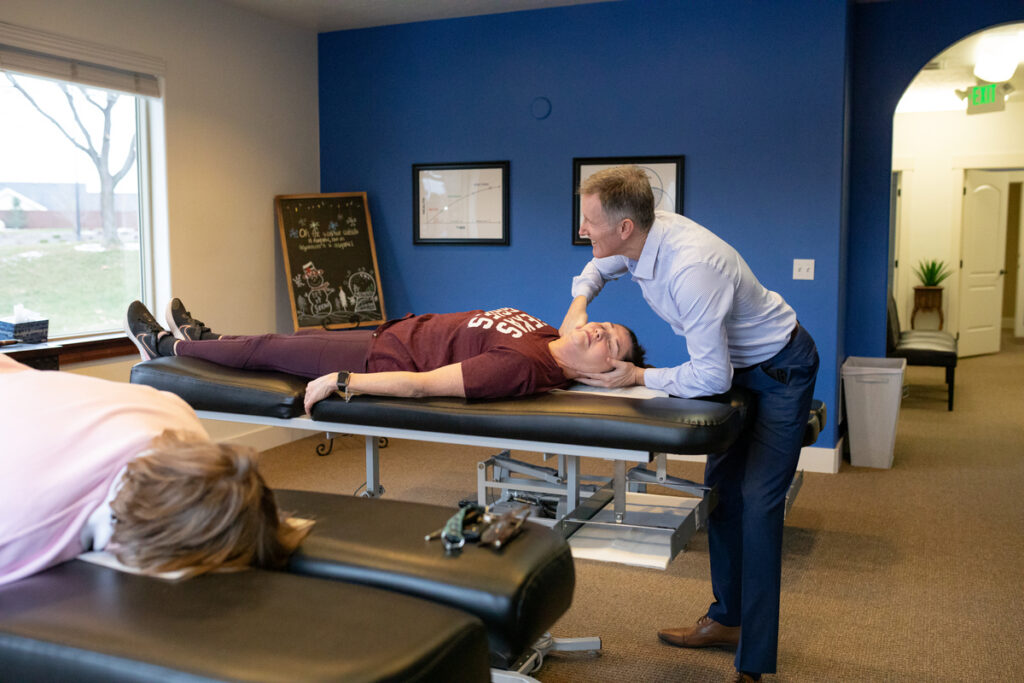

As a local chiropractor, I want to emphasize the importance of gentle techniques for recovering from a neck injury. It's crucial to embrace methods that promote healing while minimizing discomfort. Simple practices like light stretching, heat and cold therapy, and mindfulness can significantly aid in your recovery journey. You may be surprised to discover how these natural approaches not only support physical healing but also contribute to your overall well-being.
Understanding the right techniques tailored to your needs can greatly enhance your recovery experience. What if I told you that the key to feeling better might lie in everyday practices that are easy to incorporate into your routine? My goal is to guide you through these methods and help you find what works best for you on your path to recovery.
Understanding Neck Injuries
As a local chiropractor, I want to help you understand neck injuries and the importance of addressing them naturally. Neck injuries can vary significantly, from mild strains caused by poor posture or an uncomfortable sleeping position to more severe traumas like whiplash or fractures from accidents.
While mild injuries often resolve quickly with rest and self-care, it's essential to recognize when a more serious issue arises that requires professional attention.
You may notice several symptoms when dealing with neck injuries. Common signs include pain, stiffness, and swelling, but it's also important to be aware of headaches, tingling, or numbness, which could signal nerve involvement. Understanding these symptoms can help you assess the severity of your condition and determine when it's time to seek chiropractic care.
In my practice, diagnosing neck injuries typically involves a thorough physical examination, and sometimes I may recommend imaging tests such as X-rays or MRIs if necessary. These tools assist in identifying the specific issues affecting your neck and guide us in creating a personalized treatment plan.
It's crucial to listen to your body; ignoring persistent pain or symptoms that worsen can lead to further complications.
Chiropractic care focuses on natural healing methods that aim to restore function and alleviate pain without relying solely on medication. If you're experiencing neck discomfort, I encourage you to reach out so we can work together to find the best approach for your recovery.
Your health and well-being are my top priority, and I'm here to help you every step of the way.
Importance of Gentle Recovery
Recovering from a neck injury is a delicate process, and as your local chiropractor, I want to emphasize the importance of a gentle approach to ensure proper healing and to prevent any exacerbation of your condition. When you've sustained a neck injury, your body needs ample time to recover, and it's crucial not to rush this process, as doing so can lead to further complications.
By embracing gentle recovery techniques, you can better listen to your body and recognize its limits, allowing you to make informed decisions about your rehabilitation.
Utilizing gentle methods can significantly help in reducing pain and inflammation, which are common challenges faced during neck recovery. You may discover that stepping back from intense activities can enable you to manage discomfort more effectively. This doesn't mean you should completely halt all movement; rather, it's about finding an appropriate balance.
Incorporating soft movements and supportive practices, such as gentle stretches or supportive postures, can enhance circulation and relieve stiffness without placing additional stress on your neck.
Furthermore, adopting a gentle recovery approach cultivates a positive mindset. When you're not pushing yourself too hard, you're more likely to remain motivated and engaged in your healing journey. This method encourages patience, allowing you to appreciate the small victories along the way.
Additionally, gentle recovery techniques often incorporate mindfulness and relaxation strategies, which can greatly enhance your overall well-being. By prioritizing kindness to your body during recovery, you create an environment that's conducive to healing.
It's essential to remember that your neck's health should be a priority, and nurturing it with a gentle approach is vital for a complete recovery. Always consult with a healthcare professional, like myself, before starting any recovery plan to ensure it's tailored to your specific needs and circumstances.
Stretching Techniques for Relief
As a local chiropractor, I want to emphasize the importance of incorporating stretching techniques into your recovery routine to alleviate neck pain and stiffness. Stretching not only enhances flexibility but also helps relieve tension and improves blood flow to the affected areas. It's essential to start with gentle movements that won't put additional strain on your neck.
One effective stretch I recommend is the neck tilt. You can do this while sitting or standing comfortably. Gently tilt your head to one side, aiming to bring your ear toward your shoulder. Hold this position for 15-30 seconds, and you should feel a gentle stretch along the opposite side of your neck. Afterward, switch sides and repeat.
Another beneficial technique is neck rotation. Slowly turn your head to the right, bringing your chin toward your shoulder, and hold for 15-30 seconds. Return to the center and then repeat on the left side. This stretch is excellent for improving mobility and reducing stiffness.
You might also want to try the chin tuck. While sitting or standing, gently pull your chin back toward your neck without tilting your head up or down. Hold for about 5 seconds and then release. This exercise helps strengthen the neck muscles and encourages proper posture.
Throughout each of these stretches, remember to breathe deeply. Deep breathing can enhance your relaxation and the overall effectiveness of the stretches.
It's crucial to listen to your body—if you experience any sharp pain, stop immediately. I recommend performing these stretches 2-3 times daily, gradually increasing the duration as your flexibility improves.
Mindfulness and Relaxation Practices
As a local chiropractor, I want to emphasize the importance of incorporating mindfulness and relaxation practices during your recovery from a neck injury. These techniques can significantly enhance your healing process.
By focusing on proper breathing techniques, engaging in gentle stretching exercises, and practicing meditation, you can effectively reduce tension in your body and cultivate a sense of calm.
These practices not only support your physical recovery but also contribute to your overall well-being. By integrating mindfulness into your daily routine, you can complement the chiropractic adjustments and care you receive, allowing for a more holistic approach to healing.
Breathing Techniques
As a local chiropractor, I want to share with you the importance of incorporating breathing techniques into your recovery process, especially if you're dealing with a neck injury. Many people underestimate the power of deep, mindful breathing, but it can significantly enhance your overall well-being and aid in your healing journey.
When we breathe deeply, we help reduce tension in our bodies and promote relaxation, which is essential for recovery. I recommend finding a comfortable position, either sitting or lying down, and closing your eyes. Take a slow, deep breath in through your nose, allowing your abdomen to expand fully. Hold that breath for a moment, then gently exhale through your mouth, consciously releasing any tension you may be holding onto.
One effective technique you can try is the 4-7-8 method: inhale deeply for a count of four, hold your breath for a count of seven, and then exhale slowly for a count of eight. This rhythmic breathing pattern not only calms the mind but also helps to alleviate pain and discomfort associated with your injury.
As you practice these exercises, pay attention to the sensations of your breath and visualize any tension melting away with each exhale.
I encourage you to incorporate this practice into your daily routine, aiming for at least five to ten minutes each day. You'll likely find that consistent use of these breathing techniques not only supports your neck recovery but also fosters a sense of peace and mindfulness in your everyday life.
Gentle Stretching Exercises
Breathing techniques are a fantastic way to promote relaxation and prepare your body for gentle stretching exercises, especially if you're recovering from a neck injury. As a chiropractor, I often emphasize the importance of these practices to enhance your healing process.
Once you've engaged in some deep, calming breaths, it's beneficial to introduce stretches that can alleviate tension and improve flexibility in your neck.
Begin by gently tilting your head to one side, allowing your ear to approach your shoulder. Hold this position for about 15 to 30 seconds. You should feel a gentle stretch along the opposite side of your neck. Afterward, switch sides and repeat the stretch.
Next, try a forward stretch by lowering your chin toward your chest. This action can help relieve tightness in the back of your neck, so hold this for the same duration as well.
Incorporating gentle rotations can also be effective. Slowly turn your head to the right, aligning your chin with your shoulder, and then return to the center before turning to the left.
It's crucial to keep your movements smooth and controlled; never force a stretch. Always listen to your body, and if you experience any pain, stop immediately.
Meditation for Healing
As a local chiropractor, I want to share how meditation can be a valuable complement to your recovery process, particularly if you're dealing with a neck injury. Many people aren't aware that mindfulness practices can significantly aid in healing by reducing stress and promoting relaxation, both of which are crucial for your body's recovery.
I encourage you to dedicate a few moments each day to meditation. Find a peaceful environment where you can sit comfortably without interruptions. Close your eyes, take deep, calming breaths, and gently focus on the sensations in your neck. It's important to acknowledge any discomfort you may feel, but try not to linger on it. Instead, visualize a soothing warmth or healing energy surrounding the affected area.
Incorporating guided meditations specifically aimed at healing can further enhance your experience. There are numerous apps and online resources available that provide sessions focused on injury recovery.
As you integrate this practice into your routine, you may notice not only improvements in your physical healing but also a positive shift in your emotional well-being.
Remember, consistency is essential. By making meditation a daily practice, you'll be supporting your journey toward a full recovery alongside the chiropractic adjustments and care I provide.
Together, we can work towards restoring your health and well-being naturally.
Low-Impact Exercises to Consider
As a local chiropractor, I want to emphasize the importance of low-impact exercises for those recovering from a neck injury. These exercises play a vital role in your rehabilitation journey by enhancing flexibility and strength while significantly reducing the risk of re-injury. By choosing low-impact activities, you can alleviate stress on your neck and promote better blood flow and healing.
Walking is one of the simplest and most effective forms of exercise. It requires no special equipment and can be easily adjusted to match your comfort level. Start with short, gentle walks and gradually increase the duration as you begin to feel more capable. This can be an excellent way to get moving without overexerting yourself.
Swimming is another fantastic option. The buoyancy of water supports your body, allowing you to move freely without placing unnecessary strain on your neck. Opt for gentle strokes like backstroke or sidestroke, which help to keep your neck in a neutral position, promoting comfort and safety.
Yoga can also be beneficial in your recovery. It combines gentle movements with stretching to help enhance your range of motion. Focus on poses that support alignment and avoid those that involve twisting or extreme bending of the neck, as these could aggravate your condition.
Additionally, tai chi is an excellent practice to consider. This ancient martial art is characterized by slow, deliberate movements that can greatly improve your balance and coordination while being gentle on your body.
Always remember to listen to your body, and I encourage you to consult with your healthcare provider before starting any new exercise regimen. Together, we can determine the best exercises for your unique recovery process, ensuring that you progress safely and effectively on your path to healing.
Your well-being is our priority, and we're here to support you every step of the way.
Tips for Daily Comfort
As a local chiropractor, it's essential to guide you on how to find daily comfort during your recovery from a neck injury. One of the key aspects of your healing process is incorporating gentle stretching exercises into your routine.
These exercises can help release tension and improve mobility, making a significant difference in how you feel throughout the day.
Another important factor to consider is your sleeping position. Proper support during sleep is crucial for your recovery, as it can greatly influence your comfort levels.
I encourage you to pay attention to how you arrange your pillows and mattress to ensure you're providing your neck with the support it needs.
Let's delve into some effective strategies that can enhance your comfort both during the day and at night, and I'm here to help you navigate this journey toward natural healing.
Gentle Stretching Exercises
As a local chiropractor, I want to share the importance of gentle stretching exercises for enhancing your daily comfort, particularly if you're in the process of recovering from a neck injury.
Integrating these stretches into your daily routine can help alleviate tension and improve your flexibility, making it easier for you to engage in everyday activities without discomfort.
Let's start with some simple neck rolls. Begin by gently dropping your chin to your chest, and then roll your head slowly in one direction and then back the other.
Repeat this several times, allowing your neck to fully relax as you do so. Next, I recommend trying side stretches. Whether you're sitting or standing, tilt your head to one side, bringing your ear toward your shoulder.
Hold this position for 15-20 seconds, and then switch sides to ensure balanced stretching.
Another beneficial exercise is the chin tuck. While either sitting or standing, gently tuck your chin towards your chest, as if you were creating a double chin.
Hold this position for a few seconds before returning to a neutral posture. This stretch is excellent for strengthening your neck muscles and improving your overall posture, which is crucial for long-term neck health.
Lastly, don't overlook the benefits of shoulder shrugs. Lift your shoulders toward your ears, hold for a moment, and then allow them to relax down.
Repeat this exercise several times. Throughout these stretches, remember to breathe deeply. Deep breathing not only helps you relax but also enhances the overall recovery process.
By incorporating these gentle stretches into your routine, you can support your healing journey and improve your comfort in daily life.
If you have any questions or need further guidance, please feel free to reach out during your next visit. Your health and well-being are my top priorities!
Supportive Sleeping Positions
As a local chiropractor, I want to emphasize how important it's to find the right sleeping position for your neck recovery and overall comfort. Proper spinal alignment during sleep is crucial in preventing further strain on your neck, which can hinder your healing process.
When you sleep, I recommend lying on your back with a supportive pillow that keeps your head aligned with your spine. A contour or memory foam pillow can be particularly beneficial, as it cradles your neck and helps reduce pressure points that can lead to discomfort.
If you find yourself more comfortable sleeping on your side, it's essential to choose a pillow that fills the space between your neck and the mattress. This will help keep your spine straight and provide the necessary support for your neck.
I advise against sleeping on your stomach, as this position can twist your neck and potentially worsen any pain you may be experiencing.
For added support, consider using a rolled towel or a specialized neck support pillow under your neck to maintain the natural curve of your cervical spine. This little adjustment can make a significant difference in your comfort levels.
Lastly, ensure that your mattress is firm enough to provide support without being too hard, which can lead to discomfort.
Taking the time to find the right sleeping position can greatly enhance your recovery process, promote better sleep, and reduce pain. Remember, prioritizing your comfort is essential for your healing journey, and your neck will truly thank you for it.
Conclusion
As a local chiropractor, I want to share with you how incorporating gentle techniques into your neck injury recovery can significantly enhance your healing process. By focusing on light stretching, mindfulness practices, and low-impact exercises, you can promote comfort and facilitate recovery. It's essential to listen to your body during this time and adjust your activities as needed.
In addition, prioritizing proper sleep positions is crucial for your recovery. Making simple adjustments can alleviate stress on your neck. Using heat or cold therapy can also provide relief and support the healing process. Remember, patience and care are key. With these gentle techniques, you'll be on your way to feeling better and regaining your mobility in no time. If you have any questions or need guidance, feel free to reach out—I'm here to help you on your journey to wellness.