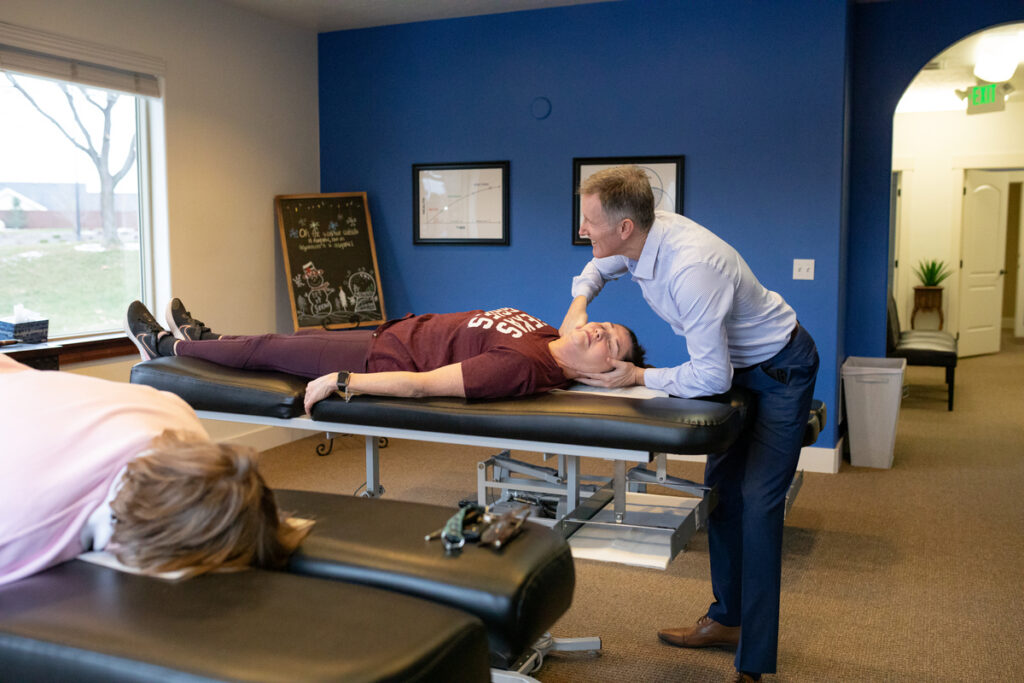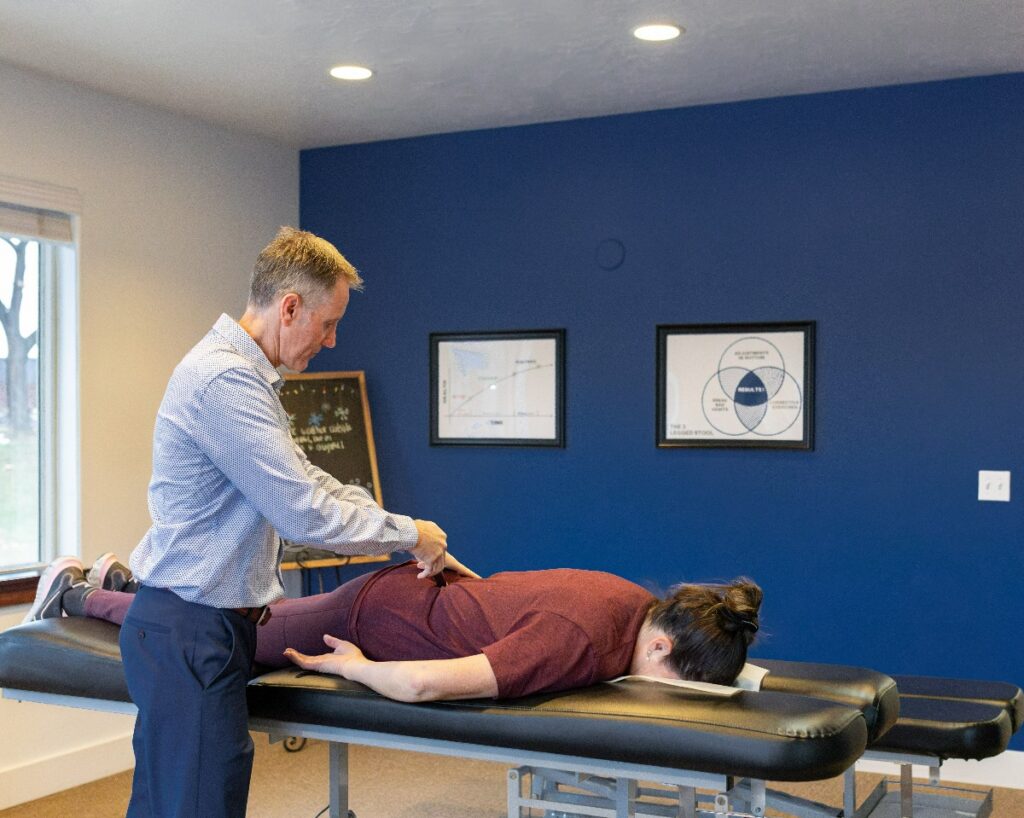

As a local chiropractor, I understand that neck pain can significantly affect your daily life. Many of my patients have found relief through gentle techniques such as targeted stretches and mindful breathing exercises. These practices not only help alleviate discomfort but also promote the healing process in your body.
Incorporating simple adjustments to your daily routine, along with focused relaxation techniques, can make a remarkable difference in how you feel. But you may be wondering, what specific practices should you consider to effectively support your recovery?
I encourage you to explore options like gentle neck stretches, proper ergonomics while sitting or working, and consistent mindfulness practices. These strategies can lead to a more comfortable and functional lifestyle, allowing you to move through your day with greater ease. Remember, chiropractic care can also play a vital role in your overall wellness journey, helping to align your spine and improve your body's ability to heal itself. Let's work together to find the best approach for your recovery!
Understanding Neck Injuries
As a local chiropractor, I want to help you understand neck injuries and how they can affect your overall well-being. Neck injuries can occur suddenly, whether from a car accident, a sports incident, or simply from maintaining poor posture over time. It's crucial to recognize the different types of neck injuries so you can identify symptoms early and seek the appropriate care.
Common neck injuries I often see in my practice include whiplash, strains, and herniated discs. Whiplash typically occurs when your head is suddenly jerked forward and then back, leading to damage in the soft tissues of your neck. Strains can happen when the muscles or ligaments are stretched beyond their limits, while a herniated disc can compress nearby nerves, causing pain or numbness.
Understanding the anatomy of your neck is also essential. The cervical spine is made up of seven vertebrae, along with muscles, ligaments, and nerves that work in harmony to support your head and facilitate movement. When any part of this delicate system is injured, it can result in discomfort and limit your mobility.
You may experience a variety of symptoms, including pain, stiffness, headaches, or even tingling sensations in your arms. By recognizing these signs early, you can address the injury more effectively. It's important to remember that some injuries mightn't present immediate symptoms. Delayed pain or stiffness can arise days after the initial injury, so always listen to your body and don't hesitate to reach out for medical advice if you have concerns.
As a chiropractor, my goal is to provide you with natural healing methods that can assist in recovery and promote long-term health. If you're experiencing any neck discomfort or have questions about how chiropractic care can help, I'm here to support you on your journey to wellness.
Gentle Stretches for Relief
When it comes to neck discomfort, gentle stretches can be a valuable part of your recovery journey. As a chiropractor, I often emphasize the importance of these stretches not only for relieving tension but also for enhancing flexibility and encouraging blood circulation in the neck area.
Let's explore some simple stretches that can be easily incorporated into your daily routine.
Start by finding a comfortable seated position. Make sure your back is straight and your shoulders are relaxed. This foundation will help you perform the stretches more effectively.
Begin with a straightforward neck tilt. Slowly tilt your head toward your right shoulder, allowing yourself to feel the stretch on the left side of your neck. Hold this position for about 15-30 seconds, and then gently switch to the other side. This stretch can significantly ease tightness in the neck.
Next, let's move on to neck rotations. Gently turn your head to the right, bringing your chin towards your shoulder, and then rotate to the left. Aim to perform about 5-10 slow rotations on each side, focusing on your breath as you do so. This movement helps improve mobility and reduce stiffness.
Another beneficial stretch is the chin tuck. Sit up straight and gently tuck your chin toward your chest while keeping your shoulders relaxed. Hold this position for 15-20 seconds; this helps to stretch out the muscles in the back of your neck, which can often become tight and contribute to discomfort.
To conclude your stretching routine, try a shoulder shrug. Raise both shoulders toward your ears, hold for a moment, and then let them drop down. Repeat this movement 5-10 times. It's a simple yet effective way to release any built-up tension in the upper body.
As you engage in these stretches, it's essential to listen to your body. If you experience any pain, please stop immediately. Integrating these gentle stretches into your daily routine can greatly assist in alleviating discomfort and supporting your healing process.
Relaxation Techniques
As a chiropractor dedicated to your healing journey, I want to emphasize the importance of relaxation techniques in your recovery from a neck injury. Many people mightn't realize that by focusing on relaxation, you're not just alleviating discomfort in your neck; you're also calming your mind and reducing stress, which can significantly enhance the healing process.
First, I encourage you to find a comfortable position, whether you're sitting or lying down. Close your eyes and take a moment to tune into how your body feels. You may notice areas of tightness or discomfort, and that's perfectly normal. It's important to acknowledge these sensations without judgment.
One highly effective technique I recommend is progressive muscle relaxation. Begin at your toes and gradually work your way up through your body. Tense each muscle group for a few seconds before releasing. This practice helps you identify areas of tension and promotes a sense of relaxation throughout your entire body.
Another valuable method is visualization. Picture a serene setting, like a quiet beach or a tranquil forest. Imagine the gentle sounds, the refreshing smells, and the warmth of the sun on your skin. Allow yourself to become fully immersed in this calming environment, as this can help reduce stress and enhance your body's healing capabilities.
Don't overlook the benefits of gentle neck massages. Using your fingers, apply light pressure around your neck and shoulders to help release any built-up tension. If you're comfortable, consider asking a friend or family member to assist you with this, as their touch can provide additional relief.
Lastly, it's crucial to carve out time for relaxation in your daily routine. Whether it's dedicating ten minutes for quiet reflection, practicing mindfulness, or listening to soothing music, prioritize these moments that allow you to unwind.
Mindful Breathing Exercises
As a local chiropractor, I often emphasize the importance of mindful breathing exercises for those recovering from a neck injury. Incorporating these techniques into your daily routine can significantly enhance your healing journey. Mindful breathing not only helps you concentrate your thoughts but also promotes relaxation and reduces stress. When you're in a relaxed state, your muscles can release built-up tension, which is crucial for the healing process.
To get started, I recommend finding a comfortable position that provides support for your neck. Close your eyes and take a deep breath in through your nose, allowing your abdomen to expand fully. Hold that breath for a moment, and then slowly exhale through your mouth. Repeat this process several times, directing your attention to each breath. This simple exercise can serve as a grounding tool, offering relief from the discomfort related to your injury.
As you practice mindful breathing, visualize each inhale as a source of healing energy flowing into your body, while each exhale releases pain and tension. This visualization technique can help you develop a deeper connection with your body, increasing your awareness of areas that may require extra attention.
Additionally, you might find it beneficial to count your breaths. For example, inhale for a count of four, hold for four, and exhale for six. This rhythmic breathing can help regulate your breath and calm your mind.
Integrating mindful breathing exercises into your daily life, particularly during moments of pain or discomfort, can foster a more positive mindset and bolster your recovery. Over time, these techniques won't only aid in your physical healing but also empower you emotionally as you navigate your recovery journey.
In conjunction with chiropractic care, mindful breathing can play a vital role in your overall wellness and healing process.
Effective Gentle Massage
As a local chiropractor, I want to share with you how incorporating effective gentle massage techniques can significantly aid your recovery from a neck injury. Utilizing the right methods not only alleviates pain but also promotes healing in a soothing manner.
It all starts with creating a calm environment; find a quiet space where you can relax, whether it's in a comfortable chair or lying down on a flat surface.
Begin your gentle massage by softly pressing your fingertips into the base of your skull. Use small, circular motions, applying just enough pressure to feel a release without causing discomfort. Gradually work your way down the sides of your neck, being mindful of any tight areas. If you encounter a particularly tense spot, feel free to spend a little extra time there, but always listen to your body—never push through pain.
Next, incorporate long, sweeping strokes down the length of your neck. This technique is effective in increasing blood flow and reducing tension. You can also engage in gentle stretching by tilting your head side to side and forward, massaging the muscles as you do so.
For an enhanced experience, consider using a few drops of essential oils, such as lavender or peppermint. These can provide additional relaxation and comfort during your massage.
Remember, the aim isn't to force your muscles into submission, but rather to encourage them to gradually release built-up tension. By practicing regular gentle massage, you're not only supporting your recovery process but also fostering a deeper connection with your body.
Embracing these natural healing techniques can empower you on your journey to wellness.
Lifestyle Adjustments for Comfort
As a local chiropractor, I want to share some valuable insights on how you can alleviate neck pain through simple lifestyle adjustments.
One of the most important steps is to create an ergonomic workspace that promotes good posture. This means ensuring your chair and desk are set up to support your spine properly, which can significantly reduce strain on your neck.
Additionally, incorporating a gentle stretching routine into your daily schedule can work wonders for your neck health. Simple stretches can help relieve tension and improve flexibility, making you feel more comfortable throughout the day.
Ergonomic Workspace Setup
As a local chiropractor, I want to emphasize the importance of creating an ergonomic workspace to help reduce neck strain and enhance your overall comfort, especially if you spend long hours working at a desk. The adjustments you make to your workspace can significantly impact your spinal health and general well-being.
First, let's talk about your chair. It's essential to adjust the height so that your feet are resting flat on the floor, and your knees form a right angle. A chair that provides support for your lower back is crucial in promoting good posture, which can help prevent discomfort and misalignments in your spine.
Next, pay attention to your computer monitor. Position it at eye level and approximately an arm's length away. This setup encourages a neutral neck position, reducing the tendency to lean forward and straining your neck muscles. If you primarily use a laptop, I highly recommend using a separate keyboard and mouse. This adjustment allows you to keep your wrists straight and your arms relaxed, which is vital for preventing repetitive strain injuries.
When organizing your desk, keep your frequently used items within easy reach. This minimizes the need for excessive stretching or twisting that can lead to muscle tension and discomfort. Additionally, consider investing in a document holder. This will allow you to keep important papers at eye level, which can significantly reduce the need to look down and strain your neck.
Lastly, don't overlook the importance of lighting. Ensure your workspace is well-lit to prevent eye strain, as this can inadvertently lead to neck tension and discomfort.
Gentle Stretching Routine
As a chiropractor, I often see patients struggling with neck discomfort, especially those who spend long hours sitting at desks or in front of screens. One of the simplest yet most effective ways to support your neck's health is through a gentle stretching routine. By incorporating basic stretches into your daily life, you can alleviate tension and enhance your flexibility.
Let's start with neck rolls. Gently tilt your head towards one shoulder, then roll it forward and to the other side. Repeat this motion several times to help release tightness in the neck muscles.
Next, I recommend side stretches. Whether you're sitting or standing, take a deep breath, raise your arms overhead, and gently lean to one side. You'll feel a nice stretch along the opposite side of your neck. Hold this position for a few breaths, then switch to the other side.
Chin tucks are also crucial for maintaining neck health. Sit up straight and gently pull your chin towards your chest. This elongates the back of your neck and counteracts the forward head posture that many of us develop. It also serves to strengthen the neck muscles.
Aim to incorporate these stretches a few times throughout your day, particularly during breaks from your routine. This practice not only alleviates discomfort but also encourages better posture.
Always listen to your body and avoid pushing any stretch beyond your comfort level. With regular practice, you can see significant improvements in your neck's condition, which is essential for overall well-being.
Conclusion
As a local chiropractor, I want to share how gentle techniques for neck injury relief can significantly aid in your recovery journey. Simple stretches, relaxation methods, and mindful breathing exercises can enhance your flexibility and alleviate tension in the neck area. Additionally, gentle massage is an excellent way to boost blood circulation and help ease discomfort.
Incorporating these practices into your daily routine, along with small lifestyle adjustments, can lead to lasting comfort and improved neck health. Remember, consistency is crucial; by sticking with these techniques, you're more likely to experience positive results in your overall well-being. If you have any questions or would like guidance on how to implement these practices effectively, feel free to ask during your visit!