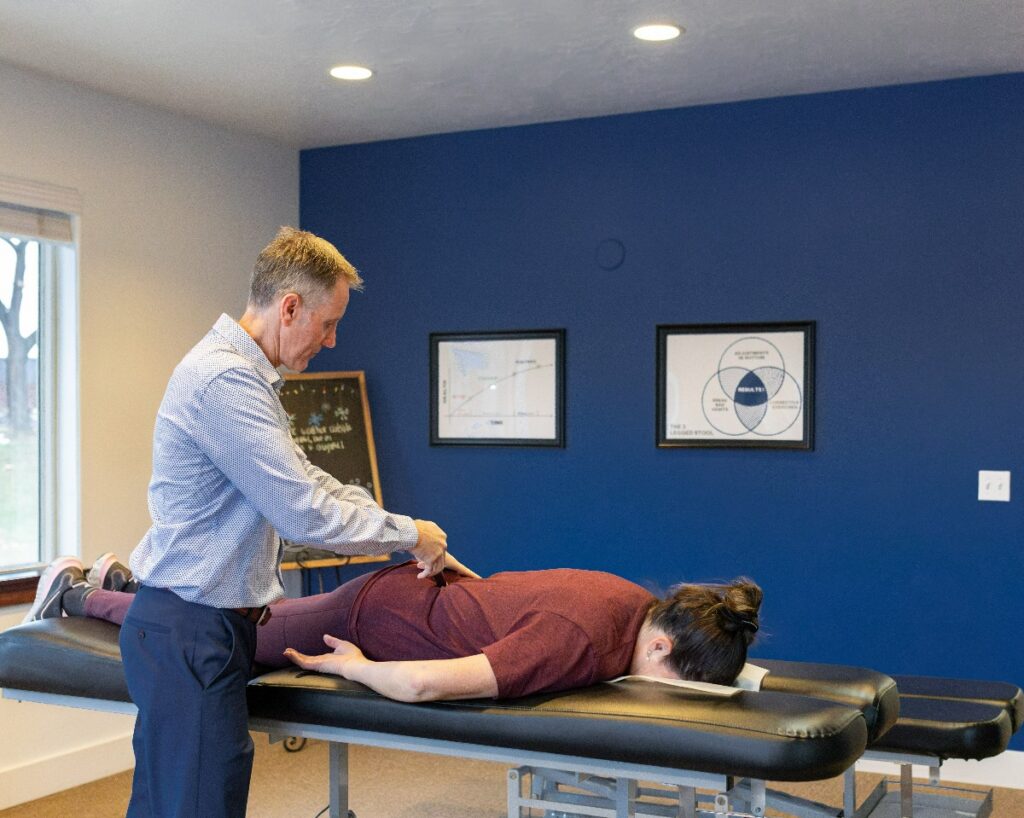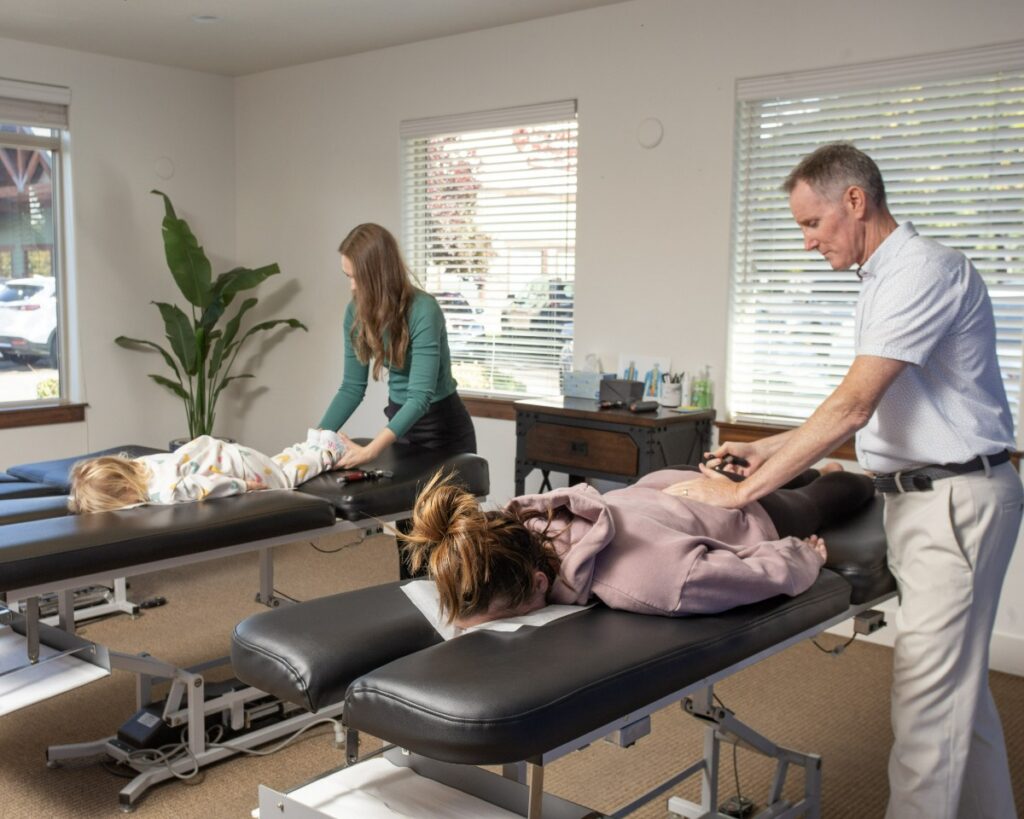

As a local chiropractor, I want to emphasize the importance of addressing sports-related back pain through natural methods. Many individuals may not realize that simple changes in your daily routine can lead to significant improvements. By incorporating proper warm-ups, effective stretches, and core strengthening exercises, you can not only alleviate discomfort but also support your overall recovery.
However, it’s crucial to understand that managing back pain goes beyond just physical exercises. Identifying the underlying causes of your discomfort is vital for long-term relief. Additionally, nutrition plays a key role in your healing journey. A well-balanced diet can help reduce inflammation and promote recovery.
I encourage you to explore these natural strategies further, as they can greatly enhance your well-being and help you get back to the activities you love. Remember, at our clinic, we are here to guide you through this process and provide you with the tools you need for effective healing.
Understanding Sports-Related Back Pain
As a local chiropractor, I want to help you understand the causes of back pain related to sports and how we can work together to manage and prevent it naturally.
When you participate in sports, your body can experience back pain due to various factors such as muscle strain, poor posture, or not warming up properly before activity. Sometimes, it’s the result of overuse or sudden movements that your body may not be ready for.
It’s crucial to recognize how your body responds during physical activity. For example, improper lifting techniques or twisting motions can lead to discomfort, so maintaining good form is essential.
Additionally, muscle imbalances, which can occur from intense training or a lack of cross-training, may also contribute to your pain.
One of the best ways to protect your back is by focusing on strengthening your core and enhancing your flexibility. This approach can significantly lower your risk of injury.
Remember, it’s important to listen to your body. If you experience any discomfort, it’s a sign that you shouldn’t ignore. Addressing minor aches early on can prevent more serious issues down the line.
As your chiropractor, I’m here to support you in enjoying your sports activities without the burden of back pain.
Together, we can explore natural healing methods, chiropractic adjustments, and exercises tailored to your needs to keep you active and pain-free.
Common Causes of Back Pain in Athletes
As a local chiropractor, I want to help you understand how certain factors can contribute to back pain, especially for those of you who are active in sports.
Many athletes may not be aware that poor posture mechanics, overtraining, and inadequate stretching can significantly impact your back health. These issues often lead to muscle imbalances and increased fatigue, which can place extra strain on your spine.
Recognizing these common causes is crucial for both preventing and treating sports-related back pain.
By addressing these factors through proper alignment, effective stretching techniques, and balanced training regimens, we can work together to improve your overall well-being and enhance your athletic performance.
Poor Posture Mechanics
As a local chiropractor, I want to emphasize the importance of maintaining proper posture during sports and daily activities. Many people may not realize that poor posture mechanics can lead to significant back pain and discomfort.
It’s essential to understand how our everyday habits can impact our posture on the field or court. Here are some common culprits that can contribute to poor posture mechanics:
- Slouching while sitting or standing: This common habit can put unnecessary strain on your spine and muscles, leading to discomfort.
- Ignoring core strengthening exercises: A strong core is crucial for supporting your spine and maintaining proper alignment during physical activities.
- Incorrect body alignment during movements: Performing activities with improper alignment can increase the risk of injury and exacerbate posture issues.
- Overuse of one side of your body: This imbalance can lead to muscle tightness and postural distortions, making it harder to maintain proper posture.
- Lack of flexibility in muscles and joints: Tight muscles can restrict movement and contribute to poor posture, making it essential to incorporate stretching into your routine.
By addressing these factors, we can work together to improve your posture, enhance your performance, and reduce the risk of pain and injury.
Overtraining and Fatigue
As a local chiropractor, I want to emphasize the importance of understanding how overtraining and fatigue can impact your body, especially when it comes to back pain.
Even if you maintain good posture and mechanics during your activities, the strain from pushing your body too hard without allowing for adequate recovery can lead to muscle strain and inflammation, which often result in discomfort and pain.
When you consistently push beyond your physical limits, it can weaken your muscles and ligaments, making you more susceptible to injuries.
Moreover, fatigue plays a significant role in how you perform; it can alter your movement patterns, leading to poor mechanics that put additional stress on your back.
To protect your spine and overall well-being, it’s crucial to listen to your body.
Make sure to incorporate rest days into your routine and find a balance in your training intensity.
Prioritizing quality sleep and proper nutrition is also essential for recovery.
By managing overtraining and fatigue, you not only safeguard your back but also enhance your overall athletic performance.
Remember, chiropractic care can support your recovery and help you maintain optimal function.
If you’re experiencing discomfort, don’t hesitate to reach out for guidance on natural healing methods that can benefit you.
Inadequate Stretching Routines
As a local chiropractor, I often see athletes who experience back pain due to inadequate stretching routines. It’s important to understand that proper stretching is essential for maintaining flexibility and preventing tight muscles, which can lead to discomfort and injury.
Here are some common mistakes I frequently encounter:
- Skipping warm-ups before workouts or games can leave your muscles unprepared.
- Focusing solely on major muscle groups while neglecting the back can create imbalances.
- Holding stretches for only a short period may not provide the benefits you need.
- Relying on a limited variety of stretching techniques can contribute to uneven muscle development.
- Ignoring pain signals and pushing through discomfort can exacerbate existing issues.
To alleviate back pain and improve your overall well-being, I encourage you to prioritize a balanced stretching routine that targets all muscle groups, particularly the back.
Incorporating both dynamic and static stretches into your regimen can significantly enhance flexibility and reduce the risk of injuries.
Remember, dedicating just a little time to stretching can lead to remarkable improvements in your athletic performance and overall health.
If you have any questions or need guidance on proper stretching techniques, feel free to reach out!
Importance of Proper Warm-Up and Cool-Down
As a local chiropractor, I want to emphasize the critical role that proper warm-up and cool-down routines play in your sports activities. For those of you who may not be familiar with chiropractic care and natural healing, let me explain how these practices can significantly impact your overall health and athletic performance.
Warming up isn’t just a formality; it’s a vital step that prepares your muscles and joints for the physical demands of your sport. This process increases blood flow and enhances flexibility, which is essential in reducing the risk of strains and injuries, particularly in your back. By taking the time to warm up, you’re essentially giving your body the best chance to perform at its peak while minimizing the risk of discomfort and pain.
On the other hand, cooling down is equally important. After an intense workout or game, your body needs a chance to transition back to its resting state. Cooling down helps lower your heart rate and allows your muscles to recover properly. This phase is crucial in preventing stiffness and soreness that often follows physical activity.
Neglecting either the warm-up or the cool-down can lead to tightness and discomfort, making you more vulnerable to back pain and other injuries. As a chiropractor, I often see patients who’ve underestimated the importance of these routines, leading to complications that could have been avoided with a little extra care.
Whether you’re participating in a friendly game or hitting the gym, I encourage you to prioritize these essential steps. Incorporating effective warm-up and cool-down routines into your practice not only enhances your performance but also significantly reduces your chances of experiencing back injuries.
Effective Stretches for Back Pain Relief
As a local chiropractor, I understand that many of my patients may not be familiar with the benefits of chiropractic care and natural healing practices. One essential aspect of maintaining a healthy back is incorporating proper warm-up and cool-down routines into your daily activities.
Once you’ve established that foundation, it’s crucial to focus on effective stretches that can alleviate back pain and enhance your overall well-being.
Here are five stretches I recommend you try to help relieve tension and improve flexibility in your back:
- Child’s Pose: Begin by kneeling on the floor, then sit back on your heels. As you stretch your arms forward, gently lower your torso. This position helps to gently elongate the spine and release tension.
- Cat-Cow Stretch: Position yourself on all fours. Start by arching your back up towards the ceiling (like a scared cat), then lower your belly while lifting your head and tailbone (the cow position). This dynamic movement helps to mobilize the spine.
- Seated Forward Bend: Sit with your legs extended in front of you. Hinge at your hips and reach towards your toes. This stretch not only targets the lower back but also the hamstrings, promoting overall flexibility.
- Knees-to-Chest Stretch: Lie on your back and pull your knees gently towards your chest. Hold this position for a few breaths to help relieve pressure on your lower back.
- Torso Twist: While sitting cross-legged, place one hand behind you and slowly twist your torso to each side. This movement helps to increase spinal mobility and can alleviate stiffness.
By integrating these stretches into your daily routine, you can significantly improve your back health and reduce discomfort.
Strengthening Exercises to Support Your Back
As a local chiropractor, I want to emphasize the importance of strengthening exercises for maintaining a healthy back and preventing pain. It’s crucial to incorporate exercises that specifically target your core, glutes, and lower back into your daily routine.
Begin with planks, which are excellent for building core strength. Aim to hold this position for 20-30 seconds, and as your strength improves, gradually increase your hold time.
Another fantastic exercise is the bridge. To perform this, lie on your back with your knees bent, and lift your hips off the ground, squeezing your glutes at the top for maximum benefit.
Bird-dogs are also a valuable addition to your regimen. Start on all fours and extend one arm while simultaneously extending the opposite leg, keeping your back straight throughout the movement. Aim for 10-15 repetitions on each side to enhance stability and coordination.
Lastly, consider incorporating deadlifts with light weights to strengthen your lower back. This exercise can be particularly beneficial, but always prioritize proper form to avoid any risk of injury.
By consistently integrating these exercises into your routine, you won’t only strengthen your back but also improve your overall stability. This increased resilience can help protect you from sports-related injuries and contribute to your overall well-being.
If you have any questions or need further guidance, feel free to reach out. Your health is our priority!
Posture and Body Mechanics: Key to Prevention
Strengthening your back is just one piece of the puzzle when it comes to preventing sports-related injuries. As a local Chiropractor, I want to emphasize how crucial good posture and proper body mechanics are for your overall spinal health and pain prevention.
By being mindful of your body alignment during various activities, you can significantly reduce strain on your back. Here are some essential tips to help you enhance your posture and mechanics:
- Keep your shoulders relaxed and lined up with your hips to promote better alignment.
- Engage your core muscles; this provides stability and support for your spine.
- When lifting objects, always bend at your hips and knees instead of your back to avoid injury.
- Aim to maintain a neutral spine whether you’re sitting or standing to support your body properly.
- Avoid slouching or leaning forward for long periods, as this can lead to discomfort and pain.
By following these guidelines, you’ll be taking important steps towards achieving better spinal health and reducing your risk of injuries.
The Role of Nutrition in Recovery
As a chiropractor, I want to emphasize that while many of you may think of exercise and stretching as the primary means to recover from sports-related back pain, nutrition is a crucial element that shouldn’t be overlooked.
A well-balanced diet, particularly one rich in anti-inflammatory foods, can significantly enhance your healing process. Incorporating a variety of fruits, vegetables, whole grains, and healthy fats into your meals is essential. These foods are packed with the vitamins and minerals your body needs to heal effectively.
Additionally, protein plays a vital role in repairing damaged tissues. I recommend including lean meats, fish, legumes, and dairy products in your diet to ensure you’re meeting your protein requirements.
Hydration is another key factor; drinking adequate water not only supports your overall bodily functions but can also help reduce muscle cramps that often accompany back pain.
Certain nutrients can be particularly beneficial. For example, omega-3 fatty acids, which are found in fish and walnuts, are known for their anti-inflammatory properties. Similarly, magnesium-rich foods like spinach and almonds can help relax tense muscles.
Alternative Therapies for Pain Management
As a local chiropractor, I want to share with you some effective alternative therapies for managing sports-related back pain.
Many of my patients have found relief through techniques such as acupuncture, which can help alleviate tension and enhance overall well-being.
Additionally, incorporating herbal remedies into your routine can offer natural pain relief without the side effects commonly associated with conventional medications.
Embracing these natural healing methods can complement your chiropractic care and support your journey towards better health.
Let’s explore how these therapies can work together to help you feel your best.
Acupuncture Benefits for Athletes
As a local chiropractor, I want to share with you the incredible benefits of acupuncture, especially for those who lead an active lifestyle. This ancient practice can be a valuable addition to your wellness routine, particularly for managing pain and facilitating recovery.
By targeting specific points on the body, acupuncture promotes increased blood circulation and accelerates the healing process. Here’s what you can look forward to:
- Reduced inflammation: Acupuncture is effective in alleviating swelling and soreness that can occur from physical activity.
- Pain relief: Whether you’re dealing with chronic issues or acute injuries, acupuncture can significantly reduce pain levels.
- Improved flexibility: This therapy helps relax tight muscles and enhances your range of motion, which is crucial for athletes.
- Enhanced recovery time: If you’ve sustained an injury, acupuncture can expedite your healing journey, getting you back to your sport sooner.
- Stress reduction: Managing anxiety and improving focus is vital for performance, and acupuncture can help with that.
Integrating acupuncture into your health regimen can lead to substantial improvements in your athletic performance and overall well-being.
I encourage you to consider this natural approach as part of your pain management and recovery strategy. Together, we can explore how chiropractic care and acupuncture can work hand in hand to support your health goals.
Herbal Remedies for Relief
As a local chiropractor, I want to share some natural alternatives that can help manage sports-related back pain. Many patients are unaware of the benefits of herbal remedies, but they can be a valuable addition to your wellness routine.
For instance, turmeric is renowned for its anti-inflammatory properties and can be effective in reducing pain. Another excellent option is ginger, which may alleviate discomfort and enhance circulation, helping your body recover more efficiently.
You might also consider devil’s claw, an herb that studies have shown to provide effective relief for lower back pain.
If you’re looking for topical solutions, arnica gel is a fantastic choice. It can soothe sore muscles and help reduce swelling, making it a helpful aid for muscle recovery.
Additionally, valerian root can support relaxation, which is crucial for promoting better sleep and aiding your overall recovery process.
As always, I encourage you to consult with a healthcare professional before starting any new herbal regimen, especially if you’re currently taking medication.
With the right approach and understanding of these natural remedies, you can enhance your healing journey and improve your athletic performance.
When to Seek Professional Help
As a local chiropractor, I want to help you understand when it might be time to seek professional help for your sports-related back pain.
Your body is your best guide, and it’s crucial to pay attention to what it’s telling you. If your pain lingers or intensifies despite trying some natural remedies, it’s wise to reach out to a healthcare professional.
Here are some important warning signs to watch out for:
- Pain lasting more than a few days
- Numbness or tingling sensations in your legs
- Weakness in your legs or feet
- Pain that radiates down your legs
- Difficulty standing up straight or moving with ease
Ignoring these symptoms can lead to more serious complications that may hinder your performance and overall well-being.
As a chiropractor, I can provide a comprehensive diagnosis and recommend personalized treatments that support your body’s natural healing processes.
Conclusion
As a local chiropractor, I want to share with you some valuable insights on how to treat sports-related back pain naturally. It’s essential to understand that effective recovery starts with proper warm-ups and stretches tailored to your specific activities. Strengthening your core and back muscles is also crucial in promoting long-term health and preventing injuries.
Moreover, maintaining good posture during your daily activities can significantly impact your back health. A balanced diet plays a key role too, as it provides the nutrients your body needs to heal and stay strong.
I also encourage you to explore alternative therapies, such as chiropractic adjustments, which can alleviate pain and enhance your overall well-being. Remember, if your pain continues or worsens, it’s important to seek personalized advice from a healthcare professional. By adopting these natural approaches, you can stay active and maintain a pain-free lifestyle!