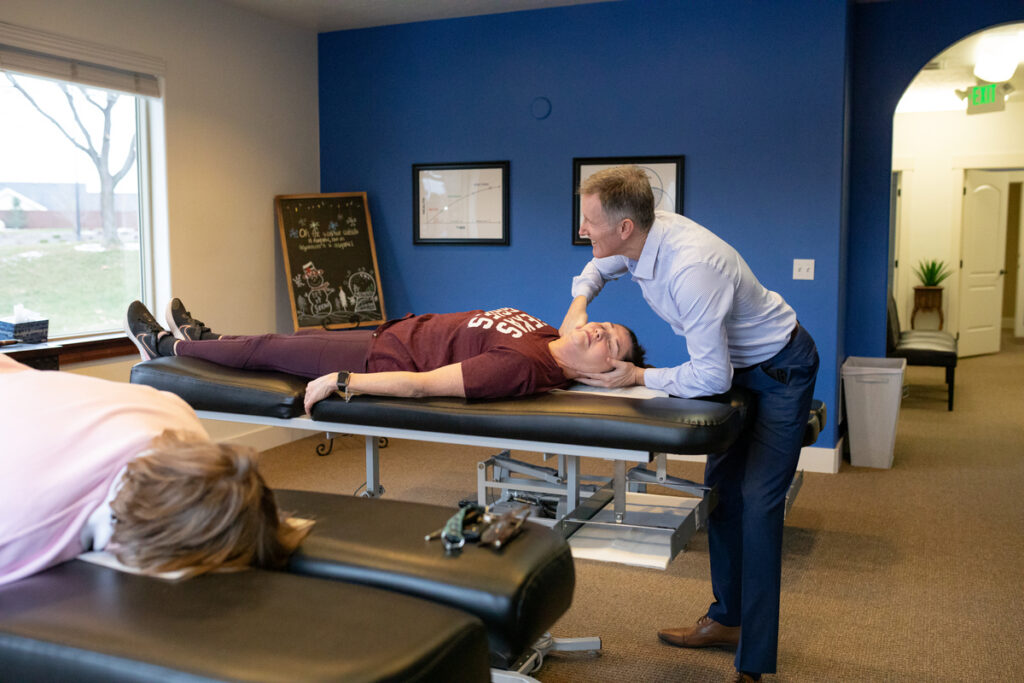

When it comes to whiplash recovery treatments, you might be surprised by how much our understanding has evolved over the years. Initially, these injuries were often underestimated, leading to limited treatment options and a focus on emotional responses. However, as awareness of whiplash has expanded, so too have our approaches to recovery, particularly in the chiropractic field.
Today, we embrace a more holistic view of whiplash recovery that emphasizes the importance of spinal health and natural healing. Chiropractic care is at the forefront of these methods, offering a safe, effective way to alleviate pain and promote wellness without the need for medications or invasive procedures.
So, what does this holistic approach entail? It includes gentle spinal adjustments to restore proper alignment, reduce nerve interference, and enhance the body’s natural healing abilities. By addressing the root cause of pain, rather than just masking symptoms, chiropractic care can lead to lasting relief and improved overall health.
Additionally, there are several tips and tricks you can incorporate into your daily routine to support your recovery from whiplash:
- Stay Active: Engage in light, gentle exercises like stretching or walking to keep your muscles strong and improve circulation.
- Apply Heat or Ice: Use a warm compress or ice pack to reduce swelling and soothe pain in the affected areas.
- Maintain Good Posture: Be mindful of your posture, especially when sitting or using electronic devices, to avoid straining your neck.
- Stay Hydrated: Drinking plenty of water can help keep your muscles and joints lubricated, promoting better mobility.
- Seek Regular Chiropractic Care: Regular visits to your chiropractor can ensure that your spine stays aligned and your body is functioning optimally as you recover.
By focusing on these natural and effective strategies, you can take charge of your recovery and work towards a pain-free, healthier life. Remember, chiropractic care is your best choice for achieving optimal health and wellness after a whiplash injury. Let’s embrace this journey to recovery together!
Early Understanding of Whiplash Injuries
Whiplash injuries affect millions of people each year, often occurring during rear-end car accidents when the head is suddenly jerked forward and then backward. Understanding these injuries has come a long way. In the past, many thought whiplash was just an emotional response or a minor inconvenience. Symptoms like neck pain and stiffness were often brushed off, leaving individuals unaware of the potential long-term effects.
As awareness has increased, medical professionals have begun to recognize the real physical trauma involved in whiplash. The sudden movement can strain muscles, ligaments, and even impact the spinal structures. Symptoms can vary widely, ranging from headaches and dizziness to chronic pain. This evolving understanding highlights the importance of seeking a proper medical evaluation after an accident, and I want to stress that chiropractic care is a fantastic option for addressing these issues naturally.
Chiropractors are trained to assess and treat whiplash injuries effectively. Through gentle adjustments and targeted therapies, we can help restore proper spinal alignment and relieve pain. This approach not only addresses the immediate discomfort but also promotes long-term healing and wellness.
If you or a loved one has experienced whiplash, it’s essential to act quickly. Early recognition and treatment can make a significant difference in your recovery journey. Here are some general tips to help you manage whiplash symptoms and promote healing:
- Seek Chiropractic Care: A chiropractor can provide personalized treatment to help alleviate pain and restore function.
- Stay Active: Gentle movement and stretching can help maintain mobility and reduce stiffness. Avoid prolonged periods of inactivity.
- Apply Ice or Heat: Using ice packs can help reduce inflammation in the first few days, while heat can soothe tight muscles afterward.
- Maintain Good Posture: Pay attention to your posture, especially when sitting or working at a desk. Proper alignment can help reduce strain on your neck.
- Stay Hydrated: Drinking plenty of water supports overall health and helps maintain the elasticity of your muscles and joints.
- Practice Relaxation Techniques: Stress can exacerbate pain. Techniques like deep breathing, meditation, or gentle yoga can help you relax and reduce tension.
Initial Treatment Approaches
When experiencing a whiplash injury, it’s crucial to seek immediate care to avoid any long-term complications. The first step in your recovery should focus on managing pain and inflammation naturally. Instead of reaching for over-the-counter pain relievers, consider using gentle techniques that promote healing and restore balance to your body.
Applying ice to the affected area for 15-20 minutes at a time during the initial days can help reduce swelling and discomfort. However, it’s equally important to incorporate movement into your routine. Gentle stretches and range-of-motion exercises can be highly beneficial in maintaining your neck’s mobility and preventing stiffness.
As a chiropractor, I often recommend supportive measures like using a soft cervical collar, but it’s important not to rely on it for too long, as this can lead to weakened neck muscles. Instead, focus on nurturing your body through chiropractic adjustments that can help realign your spine and ease tension in the surrounding muscles.
Rest is essential for your healing, but make sure to balance it with light activity to keep your body engaged. Listen to your body’s signals, and don’t hesitate to communicate openly with your chiropractor about your symptoms and any changes you notice. This way, your treatment plan can be tailored specifically to your needs, promoting a smoother and more effective recovery.
The Shift to Active Rehabilitation
As you transition from initial treatments for whiplash, embracing active rehabilitation through chiropractic care can significantly enhance your recovery. This holistic approach not only strengthens your muscles and improves flexibility but also empowers you to take charge of your healing journey.
Chiropractic care is all about helping your body heal naturally. By focusing on spinal health, we can improve your overall well-being and alleviate pain without the need for medications or invasive procedures. Active rehabilitation techniques, combined with chiropractic adjustments, can help restore mobility and reduce discomfort.
Here are some benefits of active rehabilitation within chiropractic care:
- Strength Building: Engaging in specific exercises designed for your recovery can help rebuild strength in your neck and back, making you less susceptible to future injuries.
- Improved Flexibility: Stretching and gentle movements can enhance your range of motion, which is crucial for getting back to your daily activities without pain.
- Pain Management: Chiropractic adjustments can relieve pressure on nerves and improve blood flow, which aids in reducing pain and inflammation.
- Empowerment: By participating actively in your rehabilitation process, you gain a sense of control over your recovery, which can boost your motivation and overall outlook.
- Long-Term Wellness: Chiropractic care emphasizes maintaining a healthy spine and body, helping you build a foundation for lasting health and preventing future issues.
To maximize your recovery, consider these general tips:
- Stay Consistent: Regular chiropractic visits and adherence to your exercise regimen are key to effective recovery.
- Listen to Your Body: Pay attention to how your body feels during activities. Rest when needed, but also challenge yourself to gradually increase your activity level.
- Incorporate Gentle Movements: Simple activities like walking or gentle stretching can keep your body active without overexertion.
- Focus on Posture: Maintaining good posture can alleviate strain on your neck and back, promoting better healing.
Benefits of Active Rehabilitation
Active rehabilitation is a vital part of your recovery journey after experiencing whiplash, and it complements chiropractic care perfectly. Engaging in active rehabilitation not only promotes faster recovery, but it also helps improve your mobility and strength. By participating in structured exercises, you can alleviate pain while enhancing your overall function. This proactive approach empowers you to take charge of your healing, boosting your confidence and giving you a sense of achievement.
One of the key advantages of active rehabilitation is its ability to address the root causes of your symptoms, which can significantly reduce the risk of long-term complications. Working closely with a chiropractor, you can develop a tailored exercise program that aligns with your specific needs and promotes optimal spinal health.
In addition to physical benefits, staying active plays a crucial role in improving your emotional well-being. Exercise can help combat feelings of frustration and helplessness that often accompany recovery. Remember, incorporating movement into your daily routine, even simple stretches or light activities, can make a big difference.
As you embark on your recovery journey, consider these helpful tips:
- Stay Consistent: Regularly engage in your rehabilitation exercises to see the best results.
- Listen to Your Body: Pay attention to how you feel during and after exercises. Always consult your chiropractor if you experience increased pain.
- Set Realistic Goals: Celebrate small victories in your recovery, whether it’s improved mobility or reduced pain.
- Stay Hydrated and Nourished: Proper nutrition and hydration support your healing process and overall well-being.
Techniques in Active Recovery
As a chiropractor, I want to share some effective techniques for active recovery from whiplash that can complement your chiropractic care. One of the best ways to improve your recovery is through gentle stretching exercises, which can help increase flexibility and relieve muscle tension.
Remember, the goal is to support your neck and spine, so incorporating some light strength training can be beneficial in rebuilding the muscles around your neck and shoulders.
Engaging in low-impact aerobic exercises like walking or cycling is another great way to boost circulation and promote healing throughout your body. These activities won’t only help with your recovery but also enhance your overall well-being.
Don’t overlook the importance of balance and coordination exercises. Activities such as yoga or tai chi can improve your stability, which is crucial for preventing future injuries. They also encourage relaxation and mindfulness, which can be incredibly beneficial during your healing journey.
Working with a chiropractor can ensure that you’re using the right techniques tailored specifically for your needs. We can guide you through exercises and stretches that will support your recovery while addressing any misalignments in your spine.
By being actively involved in your recovery, you’ll not only feel better faster but also regain confidence in your body’s ability to heal naturally.
The Role of Physical Therapy
Chiropractic care plays a vital role in your whiplash recovery by utilizing gentle adjustments and hands-on techniques to alleviate pain and enhance mobility. Unlike other treatment options, chiropractic focuses on addressing the root cause of your discomfort, promoting natural healing throughout your body.
During your recovery journey, your chiropractor will continuously assess your progress to ensure you’re moving in the right direction, helping you regain strength and functionality in your neck and spine. By actively engaging in your chiropractic sessions, you can accelerate your healing process and return to your daily activities with ease.
Here are some general tips to keep in mind for optimal recovery and wellness:
- Stay Active: Gentle movements and stretches can help maintain mobility. Your chiropractor can guide you on which exercises are safe and beneficial.
- Posture Awareness: Pay attention to your posture, especially if you spend long hours sitting. Proper alignment can reduce strain on your neck and spine.
- Stay Hydrated: Drinking plenty of water helps keep your spinal discs hydrated and supports overall health.
- Rest and Recovery: Allow your body time to heal. Quality sleep is essential for recovery, so prioritize rest.
- Follow Your Chiropractor’s Advice: Your chiropractor will tailor a treatment plan specifically for you. Following their guidance is key to achieving the best results.
Choosing chiropractic care not only aids in your recovery from whiplash but also paves the way for a healthier, more active lifestyle. Embrace the natural healing approach of chiropractic and take the first step towards optimal health today!
Therapeutic Techniques Utilized
When recovering from whiplash, chiropractic care can play a crucial role in your healing journey. Chiropractors focus on restoring proper alignment and function of the spine, which can help alleviate pain and enhance your overall well-being. During your visits, you’ll receive personalized adjustments designed to improve mobility and reduce discomfort.
In addition to spinal adjustments, your chiropractor may incorporate therapeutic techniques such as stretching and strengthening exercises tailored to your needs. These methods not only help relieve pain but also improve your range of motion, making it easier for you to return to your daily activities.
You might also benefit from natural healing modalities like heat or cold therapy, which can further ease discomfort and promote recovery. It’s essential to stay committed to your chiropractic sessions, as regular visits can lead to better outcomes and a faster return to a pain-free life.
Remember, taking an active role in your recovery is key. Here are some general tips to support your healing process:
- Stay Hydrated: Drinking plenty of water helps keep your muscles and joints lubricated.
- Practice Good Posture: Pay attention to your posture during daily activities to reduce strain on your neck and spine.
- Gentle Movement: Engage in light activities, like walking, to promote circulation and healing.
- Listen to Your Body: If something feels uncomfortable, don’t push through it. Communicate with your chiropractor about any concerns.
Patient Progress Assessment
How can you effectively track your recovery from whiplash? One of the best ways is through regular evaluations with your chiropractor. They’ll assess your range of motion, pain levels, and overall function, providing a holistic view of your progress. By establishing specific goals, you can measure your improvement over time, ensuring you’re on the right path to recovery.
Keeping a journal is a valuable tool in your healing journey. Document your daily experiences, noting any improvements or challenges you encounter. This information is essential to share during your chiropractic sessions, as it allows your chiropractor to tailor your treatment plan to suit your evolving needs.
Incorporating targeted exercises into your routine is crucial for recovery. Your chiropractor can recommend specific activities that strengthen your neck and enhance flexibility. By actively engaging in these exercises, you’re not only supporting your healing process but also increasing your chances of regaining normal function more quickly and effectively.
Remember, chiropractic care is a natural and effective approach for managing pain and promoting wellness. By focusing on your body’s natural healing abilities, you can achieve optimal health without the need for medications or invasive procedures.
Take charge of your recovery, and embrace the benefits of chiropractic care for a healthier, pain-free life!
Integration of Alternative Therapies
Integrating alternative therapies into your whiplash recovery plan can significantly enhance your healing journey and overall well-being. While I believe chiropractic care is one of the best choices for pain relief and natural wellness, incorporating complementary therapies can provide additional benefits and promote a holistic approach.
Chiropractic adjustments are designed to restore mobility and alignment to your spine, which is crucial for effective recovery from whiplash. However, you may also find that acupuncture can help alleviate pain and inflammation. It’s a great option to consider alongside your chiropractic visits.
Practices like yoga and tai chi can be incredibly beneficial as well. They improve flexibility, promote relaxation, and can even help with posture, which is essential for spinal health. If you’re looking for natural anti-inflammatory support, herbal supplements such as turmeric and ginger can be helpful, but always discuss any new supplements with your chiropractor first.
In addition to these therapies, mindfulness and meditation can play a vital role in your recovery by helping to reduce stress, which can otherwise hinder your healing process. Massage therapy is another excellent way to relieve muscle tension and improve circulation, complementing the adjustments you receive in chiropractic care.
By creating a well-rounded recovery strategy that includes chiropractic care along with these alternative therapies, you can promote a more effective healing experience.
Current Trends and Future Directions
As you explore various recovery options for whiplash, it’s essential to stay informed about current trends and future directions in treatment. One significant trend is the emphasis on personalized care. This means that recovery plans are being tailored to fit your unique needs and lifestyle, ensuring that your specific symptoms are addressed effectively.
Chiropractic care is at the forefront of this personalized approach. By focusing on spinal health and alignment, chiropractors can help alleviate pain and promote healing naturally. Regular adjustments can improve mobility and reduce discomfort, making it a preferred option for many.
Another trend gaining popularity is telehealth, which allows you to have remote consultations with your chiropractor. This can be a convenient way to access care without the hassle of traveling, especially if you’re in pain. Your chiropractor can guide you through exercises and stretches that you can do at home, further supporting your recovery.
Innovative therapies like virtual reality and biofeedback are also being explored, and while they may not replace chiropractic care, they can complement it. These methods focus on enhancing pain management and rehabilitation, but it’s important to remember that chiropractic adjustments play a crucial role in addressing the root cause of your discomfort.
Moreover, there’s a growing recognition of the link between mental health and physical recovery. Stress and anxiety can impact your healing process, so incorporating relaxation techniques, mindfulness, or even talking to a professional can be beneficial. Chiropractic care not only addresses physical ailments but also promotes overall wellness, which is essential for a complete recovery.
As treatment options evolve, staying proactive and engaged in your own recovery journey is vital. Here are some simple tips you can incorporate:
- Stay Active: Gentle exercises and stretches can help maintain mobility and reduce stiffness.
- Practice Good Posture: Be mindful of your posture, especially when sitting or using devices, to minimize strain on your spine.
- Hydration: Drink plenty of water to support your body’s healing processes.
- Listen to Your Body: Pay attention to how different activities affect your pain and adjust accordingly.
- Regular Chiropractic Visits: Make regular appointments with your chiropractor to ensure your spine stays aligned and to receive ongoing support throughout your recovery.
Conclusion
To summarize, the journey of understanding whiplash recovery treatments has significantly evolved. Initially, the focus was primarily on rest and pain relief. However, today’s approach embraces a holistic view that emphasizes active rehabilitation and incorporates a variety of therapies, particularly chiropractic care. By prioritizing chiropractic treatments, you can enhance your healing journey and improve your overall well-being naturally.
Chiropractic care is a powerful tool in managing whiplash and promoting spinal health. It helps to realign the spine, relieve tension, and restore mobility, which are all crucial for recovery. Unlike surgeries or medications that may mask symptoms, chiropractic focuses on addressing the root of the problem, allowing your body to heal itself more effectively.
As you navigate your recovery, remember these simple tips:
- Stay active: Gentle exercises and stretches can aid in recovery and prevent stiffness.
- Maintain good posture: Keeping your spine in alignment can reduce pain and promote healing.
- Stay informed: Understanding your condition and treatment options empowers you to make informed decisions about your health.
As research continues to evolve, staying updated on current trends in chiropractic care will help you make the best choices for your recovery and future wellness. Embracing a chiropractic approach not only aids in healing whiplash but also sets the foundation for a healthier, pain-free life.