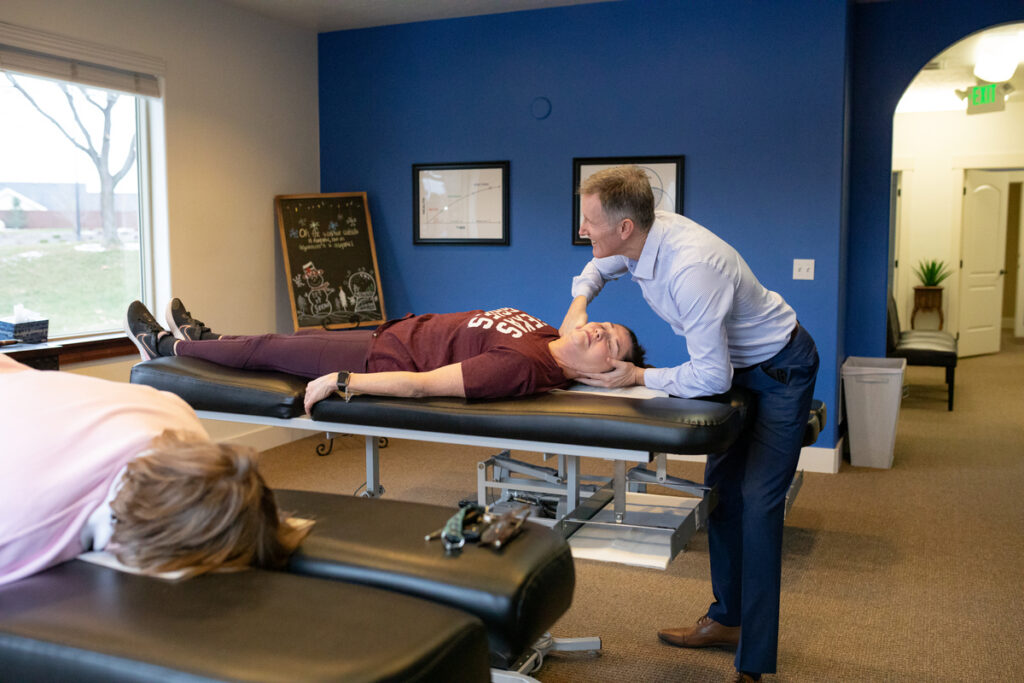

As a local chiropractor, I often see patients struggling with chronic back pain, and I want to help you understand that this discomfort can arise from a variety of underlying issues. Many people are unaware of how significantly factors such as posture, core strength, and even stress levels can impact your back health.
By focusing on these aspects, you can make meaningful progress towards relieving your pain. So, what specific strategies can you incorporate into your daily life to effectively address these causes? It’s crucial to recognize the importance of maintaining proper posture throughout your day, strengthening your core muscles, and managing stress effectively.
As we explore these elements together, you’ll be taking valuable steps on your journey toward improved back health and overall wellness. Remember, understanding these connections is the first step in finding relief and embracing a healthier lifestyle.
Understanding the Anatomy of Back Pain
As a local chiropractor, I want to take a moment to help you understand the anatomy behind chronic back pain. This knowledge is vital in empowering you to find effective relief through natural healing methods.
Your spine is a complex structure made up of vertebrae, intervertebral discs, muscles, ligaments, and nerves, all working together to support your body and allow for movement. When any part of this intricate system is compromised, it can lead to discomfort and pain.
The vertebrae serve to protect your spinal cord, while the intervertebral discs act as shock absorbers during daily activities. However, when these discs start to degenerate, they may cause nerve compression, which can result in significant discomfort.
Your muscles and ligaments are crucial for stability, but strain or injury in these areas can also contribute to pain.
By understanding how these structures interact, you can better recognize potential issues that may be affecting your back. Familiarity with your anatomy not only helps you become more aware of your body, but it also enables you to communicate effectively with me and other healthcare professionals.
This dialogue can lead to targeted treatments tailored to your specific needs, paving the way for a clearer path to recovery and improved overall wellness through chiropractic care.
Identifying Common Causes of Chronic Back Pain
As a local chiropractor, I want to help you understand the common causes of chronic back pain, as this knowledge can be a vital part of your healing journey. Recognizing what may be contributing to your discomfort can empower you to take proactive steps toward relief.
Here are some of the usual suspects we often see in our practice:
- Muscle Strain: Engaging in heavy lifting or making sudden, awkward movements can easily strain your back muscles. This is one of the most common issues that we address in our office.
- Herniated Discs: Sometimes, the discs that cushion your spine can bulge or even rupture. When this happens, they can press on nearby nerves, resulting in significant pain. Chiropractic adjustments can help alleviate this pressure.
- Arthritis: Conditions such as osteoarthritis can affect the joints in your spine, leading to chronic discomfort and limiting your mobility. We focus on improving joint function and reducing inflammation to ease your pain.
- Inactivity: Many people underestimate the impact of a sedentary lifestyle. When you don’t move enough, your back muscles can weaken, which can increase your risk of pain. Incorporating gentle exercises and stretches is essential, and we can guide you on the best practices.
- Injuries: Previous accidents or injuries can leave lasting effects, contributing to ongoing discomfort. We work to identify these areas of tension and address them through targeted chiropractic care.
By understanding these common causes, you can better navigate your path to relief.
The Role of Posture in Back Health
As a local chiropractor, I want to emphasize the vital connection between good posture and your back health. Your spine’s alignment significantly affects how much strain is placed on your muscles and ligaments. When you sit, stand, or move, being mindful of your body alignment can help prevent unnecessary stress on your back.
While slouching or leaning forward might feel comfortable in the moment, these positions can lead to discomfort and chronic pain over time.
To enhance your posture, I recommend focusing on a few key principles. Keep your shoulders back, your chest open, and ensure your head is aligned with your spine. When sitting, opt for a chair that provides support for your lower back, and remember to keep your feet flat on the ground.
If you’re standing, make sure to distribute your weight evenly across both feet. It’s also beneficial to check in on your posture regularly—this practice can help you develop better habits.
By prioritizing good posture, you not only reduce the risk of back pain but also promote long-term spinal health. If you have any questions or need guidance on how to maintain proper alignment, don’t hesitate to reach out.
Your journey to better back health starts with understanding and improving your posture!
Strengthening Core Muscles for Support
As a chiropractor, I often emphasize the importance of strong core muscles for overall spinal health and posture.
A robust core helps stabilize your spine, which in turn reduces strain on your back muscles and can alleviate chronic back pain. Incorporating core-strengthening exercises into your daily routine can significantly improve your well-being.
Here are some exercises I recommend for my patients:
- Planks: This exercise engages your entire core. Holding a plank position helps develop the stability needed for a healthy spine.
- Bridges: By lifting your hips while lying on your back, you can strengthen your glutes and lower back, which are essential for supporting your spine.
- Bird-Dogs: Extending alternate arms and legs not only improves balance but also enhances your core stability, which is vital for injury prevention.
- Russian Twists: Sitting and twisting your torso targets your obliques, helping to create a more balanced and strong core.
- Leg Raises: Lying down and lifting your legs strengthens your lower abdominal muscles, which play a crucial role in supporting your spine.
I encourage you to incorporate these exercises into your routine for better spinal support and to reduce discomfort.
The Impact of Stress and Mental Health on Back Pain
As a local chiropractor, I want to help you understand the connection between stress, mental health, and back pain. Many people don’t realize how much our emotional state can impact our physical well-being. Chronic back pain is often worsened by stress and mental health challenges. When you’re under stress, your body tends to tense up, leading to muscle tightness and discomfort, especially in the back. Conditions like anxiety and depression can also change how you perceive pain, making it feel more intense.
It’s crucial to acknowledge that your mental state plays a significant role in your overall health. When stress overwhelms you, your body may react with inflammation and pain, creating a cycle that can be difficult to break. This is where chiropractic care can be beneficial. By helping to align the spine and relieve tension, we can address some of the physical aspects of your pain.
In addition to chiropractic adjustments, incorporating relaxation techniques such as deep breathing exercises or mindfulness can greatly reduce tension. Regular physical activity is also essential; not only does it help strengthen your back, but it can also elevate your mood and diminish stress.
When to Seek Professional Help
As a local chiropractor, I want to help you understand when it’s essential to seek professional assistance for back pain, especially if you’re feeling overwhelmed by stress or mental health challenges that may be amplifying your discomfort.
It’s crucial to recognize the signs that indicate it’s time to consult a healthcare professional.
Here are some key indicators that you should consider reaching out for help:
- If your pain persists for more than a few weeks, it’s a signal that your body may need support.
- When pain intensifies or radiates to other areas, such as your legs, it could indicate a more serious issue that needs attention.
- Experiencing difficulty standing, walking, or completing your daily tasks is a strong sign that you shouldn’t wait to seek help.
- If you notice unexplained weight loss or fever accompanying your pain, it’s important to consult a healthcare provider immediately.
- Weakness or numbness in your legs isn’t something to ignore; it warrants a professional evaluation.
Don’t overlook these warning signs. Early intervention through chiropractic care can help prevent further complications and significantly enhance your quality of life.
Remember, seeking help is a proactive and empowering decision, not a sign of weakness. Your health matters, and addressing these concerns with a chiropractor can lead to personalized strategies for pain management and overall well-being.
Together, we can work towards a healthier, more balanced life.
Developing a Comprehensive Pain Management Plan
As a local chiropractor, I want to help you understand how to effectively address chronic back pain.
The first step in this journey is to identify your pain triggers. By gaining insight into what aggravates your discomfort, we can create a personalized treatment plan that incorporates various natural healing approaches.
This holistic strategy not only aims to alleviate your pain but also enhances your overall quality of life.
Together, we can explore the benefits of chiropractic care, including spinal adjustments, exercise recommendations, and lifestyle changes that will empower you to manage your pain more effectively and naturally.
Identify Pain Triggers
As a local chiropractor dedicated to helping you understand and manage your back pain, it’s crucial to identify the specific factors that might be contributing to your discomfort.
Recognizing these triggers can significantly enhance your healing journey. One effective method is to keep a pain journal. By recording when your pain occurs, its intensity, and the activities or emotions associated with it, you can begin to see patterns that may reveal underlying causes.
Here are some common triggers that I often see in my practice:
- Poor posture: Many people don’t realize how slouching while sitting or standing can strain your back. Maintaining proper posture is key to supporting your spine.
- Heavy lifting: Using improper techniques when lifting heavy objects can lead to serious injuries. It’s important to learn safe lifting practices to protect your back.
- Stress: Emotional stress can physically manifest as muscle tension in your back. Finding healthy ways to manage stress is vital for your overall well-being.
- Inactivity: A sedentary lifestyle can weaken your muscles, making you more susceptible to pain. Regular movement and exercise are essential for a healthy back.
- Sleep position: An unsupportive mattress or pillow can negatively impact your spine. Ensuring that you have the right sleep setup can make a significant difference in your back health.
By understanding and addressing these triggers, you can take proactive steps toward alleviating your back pain and improving your overall quality of life.
Combine Treatment Approaches
As a chiropractor, my goal is to help you manage chronic back pain effectively by combining various treatment approaches tailored to your needs. Identifying your pain triggers is just the beginning of your healing journey.
One essential component is physical therapy, which can enhance your strength and flexibility, allowing your body to function better overall. In addition, we may explore the use of medications, such as anti-inflammatories or muscle relaxants, to help alleviate your pain on a short-term basis.
But let’s not forget the power of alternative therapies! Techniques like acupuncture and massage can provide significant relief and promote relaxation, complementing the adjustments we perform in chiropractic care.
Moreover, incorporating mindfulness and stress management practices, such as yoga or meditation, can greatly enhance your recovery process. These methods work together to address pain from multiple angles, leading to more effective and lasting outcomes.
It’s crucial to work together with healthcare professionals like myself to develop a personalized plan that suits your unique situation. Through a holistic and integrative approach, we can help you regain control of your life and improve your overall well-being.
Conclusion
As your local chiropractor, I want to emphasize that addressing chronic back pain requires a comprehensive approach that goes beyond just treating the symptoms. It’s essential to understand how your body functions and to develop healthy habits that support your spine. Improving your posture and strengthening your core muscles can significantly alleviate discomfort and promote long-term health.
One crucial aspect that many people overlook is the connection between stress and back health. Stress can lead to tension in your muscles, exacerbating pain. That’s why managing stress through techniques such as mindfulness or relaxation exercises is vital for your overall well-being.
I encourage you to seek professional guidance to create a personalized pain management plan tailored to your needs. Chiropractic care focuses on natural healing methods, helping to restore balance and alignment to your spine. By staying proactive in your care and utilizing chiropractic techniques, you can embark on a journey toward a more comfortable, pain-free life. Remember, you’re not alone in this—I’m here to support you every step of the way.