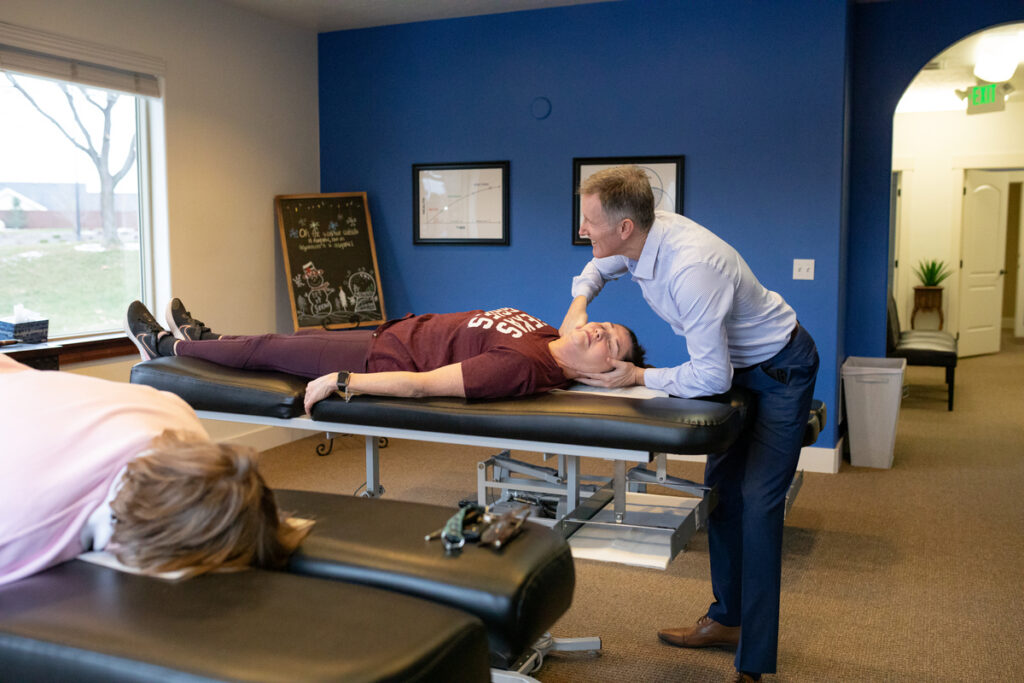

Managing chronic pain can often feel like a daunting challenge, but as your local chiropractor, I want to emphasize that you have the power to take control through preventive care. By adopting a proactive approach to your health, you can identify potential issues before they escalate, which can make a significant difference in your overall well-being.
Incorporating simple changes into your lifestyle, such as regular chiropractic adjustments, exercise, and mindful nutrition, plays a crucial role in your journey toward pain management. You may be surprised to discover that small adjustments—both in your body alignment and daily habits—can lead to substantial improvements in how you feel.
So, what specific strategies can you integrate into your daily routine to start feeling better and prevent future pain? Consider scheduling regular chiropractic visits, which can help keep your spine aligned and your nervous system functioning optimally. Additionally, engaging in low-impact exercises like walking or swimming can enhance your mobility and strengthen your muscles, while a balanced diet rich in anti-inflammatory foods can support your overall health.
Together, we can create a personalized plan that empowers you to manage your chronic pain more effectively and embrace a healthier lifestyle. Remember, taking these proactive steps today can lead to a brighter, pain-free tomorrow.
Understanding Chronic Pain
Chronic pain is a challenge that affects countless individuals in our community, turning daily activities into daunting tasks. As a chiropractor, I often see patients who feel weighed down by persistent discomfort that seems unending. Understanding chronic pain is crucial, and I want to help you navigate through it with a holistic approach.
Unlike acute pain, which appears suddenly and is usually linked to a specific injury, chronic pain lingers for months or even years without a clear cause. It can arise from various conditions like arthritis, fibromyalgia, or lingering injuries, but sometimes the origin remains elusive.
It's important to recognize the different types of chronic pain you might experience. For instance, nociceptive pain occurs due to tissue damage, while neuropathic pain is related to nerve damage. Each type affects your life in unique ways and may require specific management strategies.
Furthermore, we can't overlook the emotional impact of chronic pain. Feelings of frustration, anxiety, and depression often accompany physical discomfort. As a chiropractor, I believe in addressing both the physical and emotional aspects of your well-being to foster a more comprehensive healing journey.
Additionally, factors such as sleep quality, stress levels, and lifestyle choices can significantly influence your pain. By understanding your condition, you empower yourself to engage in meaningful conversations with your healthcare providers and advocate for your needs.
At my practice, I focus on educating patients about natural healing methods, including chiropractic adjustments, which can help alleviate pain and improve your overall quality of life.
Importance of Preventive Care
As a local chiropractor, I want to emphasize the critical role that preventive care plays in maintaining your overall health and well-being. By prioritizing preventive measures, you not only take control of your health but also significantly reduce the risk of developing chronic pain.
Regular visits to a chiropractor can facilitate early detection of potential musculoskeletal issues. By addressing these concerns before they escalate, you can greatly decrease the likelihood of experiencing pain-related complications. For instance, conditions such as poor posture or misalignments can lead to chronic pain if left unaddressed. Our goal is to help you recognize and manage these issues early on.
Staying proactive with your health also includes keeping up with necessary screenings and wellness checks. These measures not only guard against health problems but also ensure that any abnormalities are caught in their early stages. By avoiding the more severe stages of health issues, you can sidestep the stress and discomfort they often bring.
Nutrition is another essential aspect of preventive care that I encourage my patients to focus on. A balanced diet rich in vitamins and minerals supports your body's ability to combat inflammation, which is a common contributor to chronic pain. Additionally, maintaining a healthy weight can relieve excess pressure on your joints, further decreasing the risk of discomfort.
Incorporating preventive care, including chiropractic adjustments and lifestyle modifications, into your routine can lead to a healthier, more vibrant life. By investing in your health today, you enhance your quality of life and minimize the chances that chronic pain will interfere with your daily activities.
Regular Exercise Techniques
As a local chiropractor, I want to emphasize the importance of incorporating regular exercise techniques into your routine, especially if you're managing chronic pain.
Engaging in low-impact activities and consistent stretching can significantly enhance your flexibility and help alleviate discomfort.
It's essential to understand that staying active not only supports your physical health but also contributes to your overall well-being.
By integrating these practices into your daily life, you may find that everyday tasks become easier and more manageable.
Low-Impact Activities
As a local chiropractor, I want to emphasize the importance of incorporating low-impact activities into your daily routine, especially if you're managing chronic pain. These exercises are gentle on your joints and can significantly enhance your strength, flexibility, and endurance without putting undue stress on your body. Activities such as walking, swimming, and cycling are great options that allow you to stay active while being mindful of your physical limitations.
I encourage you to start with an activity that you genuinely enjoy; this makes it much easier to maintain a consistent routine. If you love the outdoors, consider taking walks or biking around your neighborhood, which can be refreshing and energizing. For those who prefer the water, swimming or engaging in water aerobics can provide an excellent workout while offering support to your body.
Ideally, aim for at least 150 minutes of moderate exercise each week, and feel free to break this into smaller, more manageable sessions. It's essential to listen to your body as you engage in these activities. If you experience any pain, don't hesitate to take a break or modify what you're doing. The key is to maintain movement without exacerbating your condition.
By regularly participating in low-impact activities, you can reduce your pain levels and significantly improve your overall well-being and quality of life. Stay committed to this gentle approach, and you may discover that these exercises can transform how you experience chronic pain.
Stretching and Flexibility
As a local chiropractor, I want to emphasize the importance of stretching and flexibility exercises in managing chronic pain and improving your overall mobility. These exercises are vital for maintaining joint function, reducing stiffness, and alleviating discomfort, and you don't need to have a fitness background to begin. Even simple stretches can lead to significant improvements in how you feel.
Start with gentle stretches that focus on major muscle groups, particularly in areas that tend to hold tension, such as your back, hips, and shoulders. Hold each stretch for about 15 to 30 seconds while taking deep breaths to help promote relaxation. Always listen to your body—if a stretch causes pain, it's essential to ease off and consider a modified version.
I recommend aiming to stretch at least three times a week. Additionally, incorporating flexibility-focused activities like yoga or Pilates can be beneficial. These practices not only enhance flexibility but also foster mindfulness, which can play a crucial role in managing pain effectively.
By integrating these stretching and flexibility exercises into your routine, you can support your chiropractic care and take proactive steps towards a healthier, more mobile life.
If you have any questions about how to safely incorporate these exercises or how they can complement your treatment, feel free to ask during your next visit.
Nutrition for Pain Management
As a local chiropractor, I want to emphasize the significant role that nutrition plays in managing chronic pain. Many patients aren't aware that the right dietary choices can greatly enhance their overall well-being and support their healing journey. A balanced diet that's rich in anti-inflammatory foods can help alleviate pain and improve your quality of life.
To start, I encourage you to incorporate more fruits, vegetables, whole grains, and lean proteins into your daily meals. Foods such as berries, leafy greens, fatty fish, and nuts are packed with antioxidants and omega-3 fatty acids, which are known to help reduce inflammation in the body.
Hydration is another key element to consider. Staying well-hydrated is crucial for maintaining joint lubrication and supporting overall bodily function. I recommend aiming for at least eight glasses of water a day, but you may need to adjust this based on your activity levels and the climate you live in.
It's also important to be mindful of what you're putting into your body. Reducing your intake of processed foods, refined sugars, and trans fats is essential, as these can worsen inflammation and contribute to chronic pain. Instead, opt for healthier fats, like those found in olive oil and avocados, which can be beneficial in fighting inflammation.
Don't overlook the power of spices! Incorporating turmeric and ginger into your meals can provide natural anti-inflammatory benefits. These spices are easy to add to various dishes, enhancing both flavor and health advantages.
Lastly, I suggest keeping a food diary. This can be a valuable tool to help you identify any potential food sensitivities that could be triggering your pain. By tracking what you eat and how it affects your pain levels, you can make more informed dietary choices that are tailored to your individual needs.
Understanding how nutrition intersects with pain management can empower you on your healing journey. As your chiropractor, I'm here to support you in achieving a healthier, pain-free life through both chiropractic care and holistic approaches like nutrition.
Stress Management Strategies
As a chiropractor, I want to emphasize the importance of stress management, especially for those experiencing chronic pain. The relationship between pain and stress is often intertwined; stress can amplify pain symptoms, creating a challenging cycle. To help you break this cycle, I encourage you to explore some practical strategies that can promote your overall well-being.
One highly effective approach is mindfulness meditation. This practice encourages you to focus on the present moment, which can significantly reduce anxiety and foster a sense of calm. I recommend dedicating just a few minutes each day to engage in deep breathing exercises or guided meditation. These techniques can help ground you, enabling better stress management and potentially easing your pain.
Incorporating physical activity into your routine is another excellent way to manage stress. Regular, low-impact exercises such as walking, swimming, or yoga can elevate your mood and relieve stress. It's important to choose activities that you enjoy, so you're more likely to stick with them. Even simple, gentle stretching can provide significant relief and promote relaxation, complementing the benefits of chiropractic care.
Time management is also crucial in reducing stress levels. I advise organizing your daily tasks and prioritizing them according to importance. Breaking larger tasks into smaller, more manageable steps can help you feel a sense of accomplishment without becoming overwhelmed. This structured approach can enhance your overall mental and physical health.
Lastly, don't underestimate the power of your support system. I encourage you to reach out to friends or family members when you're feeling stressed or need someone to talk to. Sharing your experiences can lighten your emotional burden and provide fresh perspectives on managing your pain and stress.
Sleep Hygiene Practices
As a local chiropractor dedicated to your overall well-being, I want to emphasize the importance of sleep hygiene practices, particularly if you're dealing with chronic pain. Quality sleep can significantly impact not just your pain levels, but also your mood and daily functionality. By adopting effective sleep strategies, you can cultivate a restful environment that encourages restorative sleep.
Here are some essential practices to consider:
- Establish a Consistent Sleep Schedule: Aim to go to bed and wake up at the same time every day, including weekends. This routine helps regulate your body's internal clock, making it easier to fall and stay asleep.
- Develop a Relaxing Bedtime Routine: Incorporate calming activities into your pre-sleep ritual, such as reading, gentle stretching, or practicing meditation. These activities signal to your body that it's time to unwind and prepare for sleep.
- Optimize Your Sleep Environment: Transform your bedroom into a serene sanctuary. Keep it dark, cool, and quiet. Consider using blackout curtains, a white noise machine, or earplugs to minimize any disturbances that could disrupt your rest.
Moreover, it's crucial to be mindful of your daytime habits. Try to limit caffeine intake and avoid heavy meals in the hours leading up to bedtime, as these can interfere with your ability to fall asleep.
If chronic pain is a barrier to your sleep, I encourage you to discuss pain management strategies with me during your visits. We can explore a range of natural healing options, including adjustments, physical therapy, and lifestyle modifications that may help alleviate discomfort at night.
Building a Support Network
As your local chiropractor, I believe that effectively managing chronic pain involves building a solid support network.
It's important to identify key individuals in your life, such as family members, friends, and healthcare professionals, who can offer emotional support, practical assistance, and a compassionate ear when you're facing challenges.
In addition to your personal connections, I encourage you to explore community resources like support groups.
These groups can be invaluable for connecting with others who share similar experiences and understand your journey.
Remember, chiropractic care isn't just about treating pain; it's about empowering you to take an active role in your healing process, supported by a network of caring individuals.
Together, we can work towards a healthier and more fulfilling life.
Identify Key Support Figures
As a local chiropractor, I want to emphasize the importance of building a strong support network for managing chronic pain effectively. Identifying key support figures in your life can significantly enhance your coping strategies and overall well-being. These individuals can provide you with emotional support, practical assistance, and valuable insights as you navigate your journey towards healing.
- Family Members: Having family members who understand your struggles can be a tremendous source of encouragement. They can offer both emotional backing and practical help, such as accompanying you to appointments or assisting with daily tasks.
- Friends: Friends who are willing to listen and share their own experiences can be incredibly beneficial. Engaging in conversations about pain management can help you feel less isolated and more understood.
- Healthcare Professionals: In addition to your chiropractor, consider other healthcare professionals like physical therapists, pain specialists, or nutritionists. They can offer expert advice tailored to your specific needs and help you explore various treatment options.
Start by reaching out to those closest to you. Communicate your needs openly; let them know how they can support you in your healing journey. This transparency not only fosters a deeper understanding but also strengthens your connections with them.
Incorporating professional support, such as chiropractic care, can be a vital component of your treatment plan. Chiropractors focus on holistic, natural healing methods that address the root cause of your pain, helping you to regain mobility and improve your quality of life.
Building relationships with these key figures creates a safety net, enabling you to lean on them during challenging times. Together, we can work towards a more manageable and fulfilling life, despite the challenges of chronic pain.
Join Community Resources
As a local chiropractor, I want to emphasize that managing chronic pain extends beyond just adjustments and treatments; it involves tapping into the valuable resources our community has to offer.
Many local organizations provide a wealth of information and support tailored specifically for those dealing with chronic pain. I encourage you to seek out support groups, workshops, or classes that focus on pain management techniques. These opportunities not only provide education but also foster emotional connections with people who truly understand what you're going through.
Community health programs can be incredibly beneficial as well. Many areas offer access to services like physical therapy, counseling, and alternative therapies, all of which can complement your chiropractic care and enhance your overall pain management strategy.
Engaging in these programs allows you to build relationships with professionals who can guide you throughout your healing journey.
Don't forget about the power of online forums and social media groups. These platforms can serve as a lifeline, allowing you to connect with others who share similar experiences. Sharing tips, encouragement, and personal stories can significantly reduce feelings of isolation and introduce you to new coping strategies.
I encourage you to take the initiative and explore the resources available in our community. By engaging with others and accessing professional support, you can make a meaningful impact on your chronic pain management and overall well-being.
Conclusion
As a local chiropractor, I want to emphasize the importance of prioritizing preventive care in managing chronic pain. By incorporating regular chiropractic visits into your routine, you can take significant steps toward regaining control over your pain. Alongside chiropractic adjustments, engaging in regular exercise and maintaining a balanced diet can greatly enhance your overall well-being.
It's also crucial to address stress management and practice good sleep hygiene, as both can have a profound impact on your pain levels. Additionally, building a supportive network of family and friends can keep you motivated on your journey to wellness.
Embracing these holistic strategies can lead you toward a healthier, more comfortable life. Remember, chiropractic care isn't just about treating pain; it's about fostering a lifestyle that promotes long-term health and vitality. Let's work together to explore how these principles can benefit you!