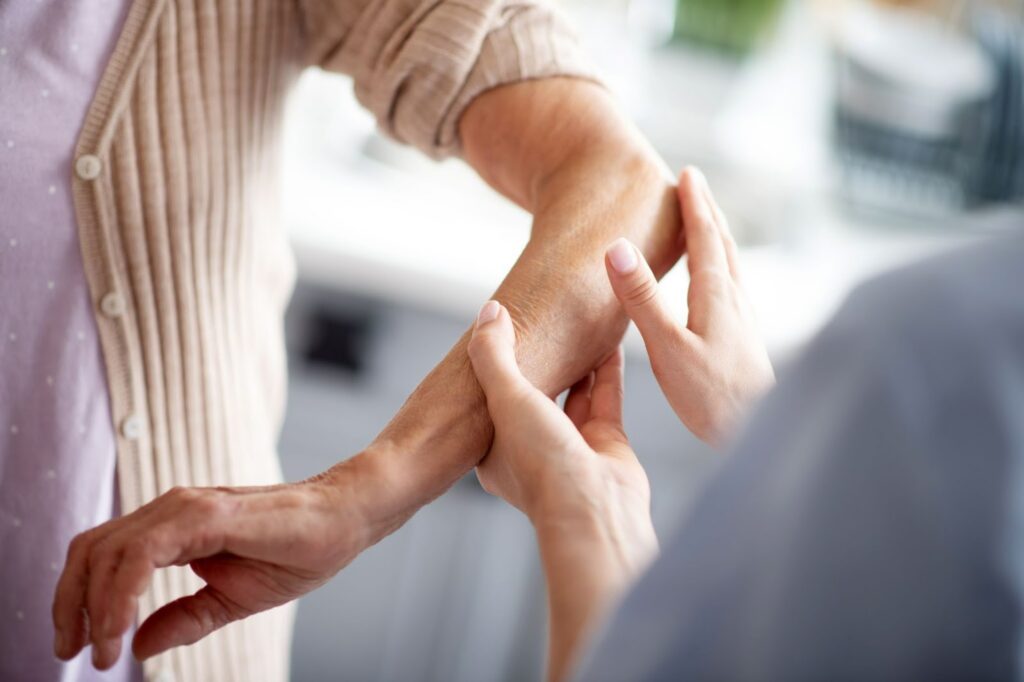

As a local chiropractor, I want to share with you how to recover from sports injuries naturally, focusing on a holistic approach that goes beyond simply resting. It’s essential to nourish your body, engage in gentle exercises, and practice mindfulness during your recovery process. Understanding the different types of injuries and their symptoms is crucial for effective healing.
So, what specific strategies can you incorporate to ensure a comprehensive recovery? Here are some essential steps that can help guide you back to optimal health and performance.
First, consider the importance of proper nutrition. Eating a balanced diet rich in vitamins and minerals can significantly aid in tissue repair and reduce inflammation. Additionally, gentle exercises tailored to your injury can promote circulation and flexibility without putting undue stress on your body.
Mindfulness practices, such as deep breathing or meditation, can also play a vital role in your recovery by helping to manage pain and reduce stress.
As your chiropractor, I can assist you in understanding your injury and provide guidance on specific exercises and therapies that can enhance your healing process. Together, we can work toward restoring your strength and ensuring that you return to your favorite activities safely and effectively. Remember, recovering from an injury is a journey, and with the right support and strategies, you can achieve a full recovery and get back to peak performance.
Understanding Sports Injuries: Common Types and Symptoms
As a local chiropractor, I want to emphasize the importance of understanding sports injuries, especially since they can affect anyone, no matter their level of experience.
It’s crucial to be aware of common injuries you might encounter, such as sprains, strains, and fractures.
A sprain occurs when the ligaments in your joints, often in the ankle or knee, become stretched or torn. This can lead to significant pain and swelling.
Strains, on the other hand, involve the muscles or tendons and are frequently caused by overexertion or using improper techniques during physical activities.
Fractures are another concern, representing breaks in the bone that can arise from sudden impacts or stress over time, depending on how intense your physical activities are.
Additionally, conditions like tendonitis and bursitis can be prevalent among active individuals.
Tendonitis results in pain and inflammation of the tendons, while bursitis involves swelling of the bursae—small, fluid-filled sacs that act as cushions between your bones and soft tissues.
Recognizing the signs of these injuries early is key to preventing further complications.
By addressing these issues promptly, you can ensure a quicker recovery and return to the activities you love.
As your chiropractor, I encourage you to stay attuned to your body and seek natural healing methods to support your overall health and well-being.
The Role of Rest and Recovery in Healing
As your local chiropractor, I want to emphasize the critical importance of rest and recovery following a sports injury. While it may be tempting to dive back into your favorite activities, allowing your body the necessary time to heal is vital for effective recovery. Your body needs to repair damaged tissues, reduce inflammation, and restore strength. Skipping this crucial phase can result in prolonged pain or even re-injury.
It’s essential to listen to what your body is telling you. If you experience pain or discomfort, it’s a clear signal to take a step back. Incorporating rest days into your routine is important, as it gives your muscles and joints the chance to recover properly.
Additionally, quality sleep is a cornerstone of healing, as it aids in tissue repair and boosts your immune system. Gentle activities such as walking or light stretching can be beneficial during your recovery, but it’s best to avoid high-impact exercises until you’re fully healed.
Staying hydrated and consuming nutritious foods will further support your healing process. Remember, patience is crucial; rushing back into sports too soon may hinder your recovery.
Focus on healing, and before you know it, you’ll be back to enjoying the activities you love. As your chiropractor, I’m here to guide you through this journey and ensure you heal properly.
Effective Stretching and Strengthening Exercises
As a local chiropractor, I want to emphasize the importance of incorporating targeted stretching and strengthening exercises into your recovery routine following a sports injury.
These exercises are crucial in enhancing flexibility, restoring mobility, and building strength in the affected area, facilitating a natural healing process.
Here are some exercises I recommend you consider for your recovery plan:
- Static Stretches: Hold each stretch for about 15-30 seconds. This gentle approach not only helps lengthen your muscles but also improves flexibility, which is vital for your overall recovery.
- Resistance Training: Utilizing resistance bands or light weights can significantly strengthen the muscles surrounding the injured area. Focus on low-impact movements to prevent any additional strain while rebuilding strength.
- Balance Exercises: Activities such as single-leg stands or exercises on a stability ball can greatly enhance your coordination. These exercises play a key role in supporting your recovery and preventing future injuries.
It’s essential to listen to your body during this process.
Adjust the intensity of your workouts based on how you feel. Gradually increasing the difficulty of your exercises won’t only aid your recovery but also reduce the risk of reinjury.
By committing to these exercises, you’ll be taking meaningful steps toward a more effective and natural recovery journey.
Nutrition for Recovery: Foods That Heal
As a local chiropractor, I want to emphasize the crucial role that nutrition plays in your recovery from sports injuries. The right foods can significantly enhance your healing process, and it’s important to focus on incorporating nutrient-dense options into your diet.
Lean proteins, such as chicken, fish, and legumes, are vital for muscle recovery. They help to rebuild damaged tissues and support your body’s repair mechanisms. Additionally, don’t overlook the importance of healthy fats found in avocados and nuts; these can help reduce inflammation and promote faster healing.
Fruits and vegetables are also key players in your recovery. Those rich in antioxidants—like berries, spinach, and kale—help combat oxidative stress and support your overall health, making them essential components of your diet during recovery.
Moreover, whole grains can provide you with the energy you need to maintain your strength as you heal. They offer the fuel necessary to support your body’s recovery processes.
Lastly, hydration is paramount. Drinking plenty of water is essential as it helps transport important nutrients to your injured areas.
Herbal Remedies and Natural Supplements
As your local chiropractor, I want to share with you how herbal remedies and natural supplements can play a significant role in your recovery from sports injuries. Many patients are often unaware of the holistic approaches we can utilize alongside chiropractic care.
These natural alternatives may help reduce inflammation and promote healing more effectively.
Let’s delve into some key options that could support your recovery journey. By integrating these remedies with chiropractic adjustments, we can enhance your overall healing process and help you return to your favorite activities more quickly and safely.
Effective Herbal Alternatives
As a local chiropractor, I want to share some insights on how exploring effective herbal alternatives can significantly aid in your recovery from sports injuries.
These natural remedies not only help alleviate pain but also promote overall healing, complementing the chiropractic care you receive. Here are a few powerful options to consider:
- Arnica: This herb is renowned for its anti-inflammatory properties. When applied topically, arnica can help reduce swelling and bruising, making it a great addition to your recovery toolkit.
- Turmeric: Often referred to as a super spice, turmeric contains curcumin, which is known for its strong anti-inflammatory effects. It’s especially beneficial for addressing joint pain and swelling, supporting your body as it heals.
- Ginger: With its warming properties, ginger can effectively soothe muscle soreness while improving circulation. This can be particularly helpful in enhancing your recovery process.
Integrating these herbal alternatives into your recovery plan can enhance your healing journey, working in synergy with your chiropractic treatments.
Together, they can help get you back to your favorite activities faster and feeling your best! If you have any questions about how these options can fit into your care, don’t hesitate to ask during your next visit.
Key Natural Supplements
As a local chiropractor, I often emphasize the importance of holistic approaches in supporting your recovery from sports injuries. Alongside chiropractic adjustments, incorporating key natural supplements can significantly enhance your healing process.
For instance, Omega-3 fatty acids, commonly found in fish oil, are known to reduce inflammation, which is crucial for recovery. Another powerful option is turmeric, which contains curcumin—a natural anti-inflammatory that can help alleviate joint pain.
Many of my patients also benefit from glucosamine and chondroitin, which are well-regarded for their role in supporting cartilage health and improving joint mobility. Additionally, bromelain—a natural enzyme derived from pineapple—can be effective in reducing swelling and bruising after injuries.
Don’t overlook the importance of vitamin D and calcium, as they’re vital for maintaining bone health and aiding in recovery, helping to prevent future injuries as well.
By combining these supplements with chiropractic care and herbal remedies, you’ll be creating a comprehensive approach to natural healing, facilitating a quicker return to your favorite sports activities.
As always, I recommend consulting with a healthcare professional before starting any new supplements to ensure they’re appropriate for your individual needs.
Together, we can create a personalized plan that supports your recovery and overall well-being.
The Importance of Hydration in Rehabilitation
As a local chiropractor, I want to emphasize the critical role hydration plays in your recovery from sports injuries.
Keeping your body well-hydrated is key to helping your muscles heal effectively and ensuring that your electrolytes remain balanced. When you drink sufficient fluids, you not only support your overall rehabilitation process but also boost your performance.
Hydration Aids Muscle Recovery
As a local chiropractor, I want to emphasize the crucial role that hydration plays in your muscle recovery, especially if you’re healing from a sports injury or experiencing discomfort.
When your body is adequately hydrated, your muscles perform optimally, which can significantly reduce soreness and accelerate your recovery process. Here’s why prioritizing hydration should be a key part of your wellness routine:
- Proper hydration aids in transporting essential nutrients to damaged tissues, which helps promote quicker healing after an injury.
- Staying well-hydrated can help prevent muscle cramps and stiffness, allowing for smoother and more comfortable movement during your rehabilitation exercises.
- Maintaining a balanced fluid intake is vital for regulating your body temperature, especially when you’re engaging in physical activity as part of your recovery.
I encourage you to make it a habit to drink water throughout the day and consider increasing your intake during your recovery period.
It’s important to remember that even mild dehydration can slow down your healing process. Keep a water bottle nearby and sip on it regularly to support your body’s natural healing capabilities.
Your journey to recovery is important, and staying hydrated is a simple yet effective way to enhance your overall healing experience.
Electrolyte Balance Importance
As a local chiropractor, I want to emphasize the crucial role that maintaining a proper balance of electrolytes plays in your recovery from sports injuries. When you’re healing, your body requires more than just water; it needs essential minerals like sodium, potassium, and magnesium to support optimal muscle function and promote healing.
If your electrolytes are imbalanced or you’re dehydrated, you may experience cramps, fatigue, and a slower recovery time, which is why it’s vital to replenish these nutrients.
Incorporating electrolyte-rich foods and drinks into your diet can significantly aid your recovery. Foods like bananas, spinach, and even certain sports drinks can help restore your electrolyte levels.
Additionally, it’s important to keep an eye on your hydration, especially during physical therapy sessions or any rehabilitation exercises.
By prioritizing your electrolyte balance, you can enhance your body’s natural healing ability, helping you return to your activities more quickly and with greater strength.
Mindfulness and Mental Well-being During Recovery
As a local chiropractor, I want to emphasize that while you focus on your physical recovery from a sports injury, it’s just as crucial to take care of your mental well-being.
Incorporating mindfulness techniques can greatly enhance your healing journey, helping you manage stress, reduce anxiety, and maintain a positive outlook throughout the recovery process.
Here are some effective ways to practice mindfulness during your recovery:
- Meditation: Dedicate a few minutes each day to quiet reflection. Focus on your breath and consciously release any negative thoughts that may arise during your healing process.
- Visualization: Picture yourself fully healed and excelling in your sport again. This mental imagery can reinforce a positive mindset and boost your motivation to recover.
- Gratitude Journaling: Consider keeping a journal where you note the things you’re thankful for each day. This practice can help shift your focus away from pain and foster a more positive perspective.
By integrating these mindfulness practices into your recovery routine, you not only support your physical healing but also nurture your mental health, creating a more holistic approach to your rehabilitation.
Conclusion
As a local chiropractor, I want to share some valuable insights on how you can naturally recover from sports injuries. It’s essential to prioritize rest, as your body needs time to heal. Staying hydrated is equally important; water plays a crucial role in tissue repair and overall health. I encourage you to nourish your body with whole, nutrient-dense foods that support recovery.
Incorporating gentle exercises can help maintain mobility without putting undue stress on your injury. Mindfulness practices, such as meditation or deep breathing exercises, can also be beneficial for reducing stress and keeping your mind and body in harmony during the recovery process.
Listening to your body is key; it will guide you on when to push yourself and when to rest. Additionally, consulting with a healthcare professional, like a chiropractor, can provide personalized guidance tailored to your specific needs. Embracing this holistic approach to healing can lead to a more effective recovery, and it’s amazing to see how your body can thrive when you take care of it naturally!