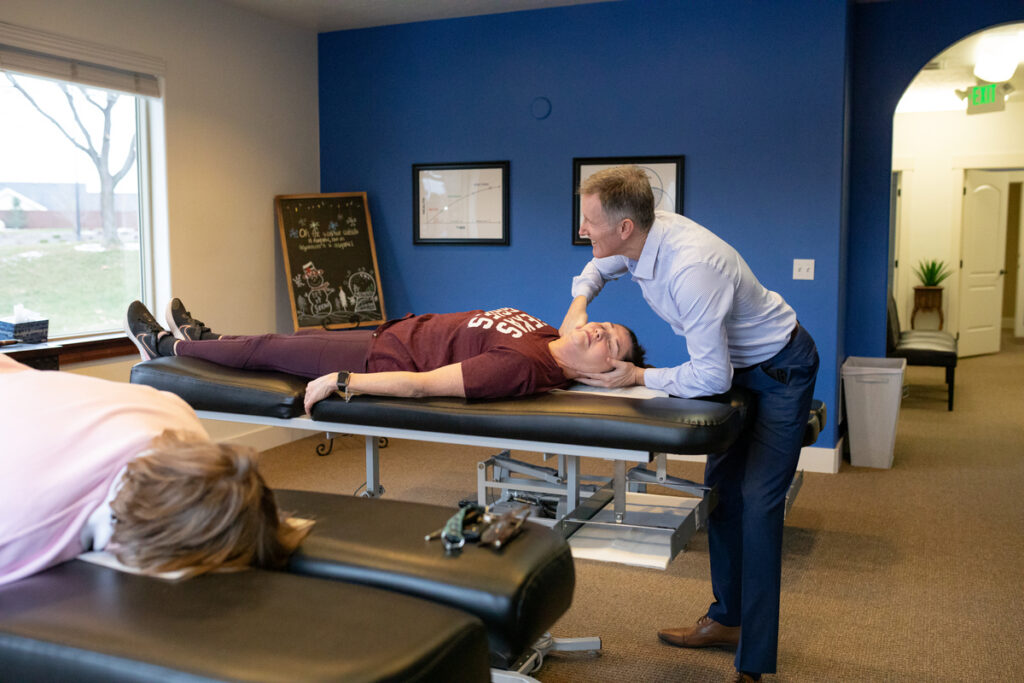

When it comes to managing ADHD symptoms in children, it's essential to create an environment that caters to their specific needs, and as a chiropractor, I believe in the power of natural healing alongside traditional methods. Establishing routines and clear expectations can significantly enhance a child's focus and alleviate anxiety. However, it's not solely about structure; incorporating positive reinforcement can also help build their self-esteem and motivation.
In my practice, I often collaborate with parents, educators, and healthcare professionals to develop personalized strategies that support children's overall well-being. But have you considered the holistic approaches that chiropractic care can offer? By addressing spinal alignment and nervous system function, we can help improve focus and reduce stress levels, enabling your child to thrive. Understanding these elements can truly transform your approach to managing ADHD and make a profound impact on your child's life.
Understanding ADHD in Children
Understanding ADHD in children can seem daunting, but as a chiropractor, I want to assure you that you're not alone in navigating this journey. Attention-Deficit/Hyperactivity Disorder (ADHD) is a neurodevelopmental condition that impacts how children think, behave, and interact with their surroundings.
It's crucial to acknowledge that ADHD isn't merely a phase or a result of poor behavior; rather, it's a genuine disorder that can lead to long-term effects on a child's life if not addressed appropriately.
As a chiropractor, I often see children who may struggle with maintaining focus, completing tasks, or remaining still. These challenges can be linked to how their nervous systems function and how they process information.
Children with ADHD frequently display hyperactivity, impulsivity, and inattentiveness, but it's important to remember that every child is unique, and their symptoms may present differently. By understanding these differences, you can better support your child's development.
It's vital to keep in mind that ADHD doesn't define your child. They've a wealth of strengths and talents, often shining in areas like creativity and problem-solving.
By creating an environment that nurtures these abilities, you can help them flourish. As a chiropractor, I encourage you to educate yourself about ADHD, which will empower you to advocate for your child's needs—be it in their educational setting, at home, or within their social circles.
Implementing a structured routine and offering consistent support can make a significant impact on your child's well-being. Collaborating with teachers and healthcare professionals, including chiropractors, can enhance your understanding of ADHD and provide you with tools to support your child effectively.
Through knowledge and compassion, we can help your child navigate the challenges they encounter and celebrate their unique strengths. Together, we can work towards a holistic approach to their health and development.
Identifying Symptoms and Challenges
Understanding the symptoms and challenges associated with ADHD can significantly enhance your ability to support your child, and as a chiropractor, I believe in a holistic approach to health that includes understanding behavioral health.
ADHD often presents itself through various behaviors such as difficulties with attention, hyperactivity, and impulsivity. You may observe your child having trouble concentrating on homework or frequently misplacing their belongings. These behaviors can complicate daily routines and academic performance.
Impulsivity is another key component of ADHD. Children may interrupt conversations or act without considering the consequences, which can lead to social challenges and miscommunication with their peers. It's essential to notice how these behaviors impact their relationships and emotional health. You might find that your child experiences feelings of frustration or overwhelm, which can contribute to low self-esteem.
Hyperactivity is also a common characteristic of ADHD. If your child seems to have endless energy and struggles to sit still or wait their turn, this might indicate ADHD. This level of activity can be taxing for both you and your child, particularly in structured settings like schools.
Moreover, emotional regulation can be particularly challenging for children with ADHD. They may experience heightened emotions or abrupt mood changes, making it difficult to manage everyday stressors. Recognizing these symptoms early allows you to seek out the appropriate support and resources, fostering a more nurturing environment for your child.
As a chiropractor, I advocate for a comprehensive approach to health and well-being. Awareness of these challenges enables you to pursue natural healing strategies and interventions that can help your child thrive not only physically but also emotionally and socially.
Behavioral Strategies for Management
Effective management of ADHD in children can significantly benefit from a holistic approach that includes chiropractic care and natural healing strategies. As a chiropractor, I want to emphasize the importance of creating a supportive environment that promotes overall well-being.
First and foremost, establishing clear expectations and consistent routines can be crucial. Children with ADHD often thrive on structure, and a well-defined daily schedule can greatly reduce anxiety while enhancing focus. Incorporating visual aids, such as charts or timers, can reinforce these routines and encourage children to follow them.
Positive reinforcement plays a vital role in this process as well. Acknowledging and rewarding your child's efforts and achievements, regardless of size, can boost their self-esteem and motivate them to continue exhibiting positive behaviors. Consider implementing a sticker chart or a point system to track their progress and provide rewards.
In addition to these behavioral strategies, breaking tasks into smaller, manageable steps is key. Large assignments can feel daunting and lead to frustration. By dividing tasks into bite-sized pieces, you can help your child remain engaged and successfully complete their responsibilities.
Minimizing distractions is another effective tactic. Creating a quiet workspace for homework or chores allows your child to focus without interruptions. Limiting access to electronic devices during these times can further enhance their ability to concentrate.
Finally, teaching your child coping strategies for managing emotions is essential. Techniques such as deep breathing or counting to ten can empower them to pause and regain control in challenging situations.
By incorporating chiropractic care into this framework, we can further enhance your child's ability to manage ADHD symptoms. Chiropractic adjustments may help improve nervous system function, which can contribute to better focus and emotional regulation.
Creating a Supportive Environment
Creating a supportive environment is crucial not just for children with ADHD, but for anyone looking to enhance their overall well-being, including through chiropractic care. As a chiropractor, I encourage you to foster a space that promotes focus and minimizes distractions, not just for study but for your daily life. This could involve decluttering your home or office, creating a calming atmosphere, or even using tools like fidget toys or stress balls to help manage energy levels.
Equally important is ensuring that you or your child feel emotionally supported. Patience and understanding are key, especially during challenging times. Open communication is vital; encourage your loved ones to express their feelings freely, without fear of judgment. This practice not only boosts confidence but also helps you understand their unique needs, which is essential for holistic healing.
Involving everyone in decision-making processes can also be beneficial. Whether it's selecting chiropractic exercises, setting wellness goals, or choosing activities that promote relaxation, giving individuals a sense of control can significantly enhance their motivation and self-esteem.
Positive reinforcement plays a pivotal role in our journey towards health. Celebrate small victories, whether it's achieving a new range of motion or maintaining a consistent chiropractic routine. Recognizing these efforts builds self-worth and encourages continued progress.
Lastly, connecting with healthcare providers, including your chiropractor, teachers, and caregivers, is crucial for a cohesive approach to well-being. Sharing insights and strategies creates a unified support system, making it easier to manage health challenges effectively.
Importance of Routines and Structure
As a local chiropractor, I want to emphasize the significant benefits of establishing daily routines for children, particularly those with ADHD.
A structured daily schedule can greatly enhance their understanding of what to expect throughout the day, reducing anxiety that often arises from unexpected changes.
Additionally, maintaining a consistent bedtime routine is essential; it not only fosters better sleep but also contributes to overall physical and mental well-being.
Establishing Daily Schedules
As a local chiropractor, I want to share how establishing a daily schedule can significantly benefit your child, especially if they've ADHD. A consistent routine creates a sense of stability and predictability, which is vital for managing ADHD symptoms. When your child knows what to expect each day, it can help reduce anxiety and improve their focus.
Start by breaking down daily activities into manageable chunks. You might find it helpful to use visual aids, such as charts or checklists, to enable your child to track their progress. This approach not only keeps them engaged but also builds their confidence as they complete each task.
Aim to maintain a consistent timing for essential activities, including homework, meals, and playtime. Consistency in their routine reinforces structure, making transitions between tasks smoother.
Additionally, it's important to incorporate downtime into the schedule. Children with ADHD often need time to recharge, so ensure you include breaks and relaxation periods. Involving your child in the process of creating their schedule can also enhance their commitment to following it.
In my practice, I often see the positive effects that a balanced routine can have on overall health and well-being, including natural healing benefits that chiropractic care can support. By fostering a structured environment, you're not only helping your child manage ADHD symptoms but also promoting a healthier lifestyle.
Consistent Bedtime Routines
As a local chiropractor, I want to share how a consistent bedtime routine can significantly enhance not just your child's sleep quality but also their overall well-being, particularly for those with ADHD.
Establishing a structured evening schedule is a powerful way to signal to your child that it's time to wind down. This predictability can help alleviate anxiety and restlessness, making it easier for them to fall asleep.
Begin by setting a specific bedtime and maintaining it throughout the week, including weekends. Incorporate calming activities into the routine, such as reading, enjoying a warm bath, or practicing relaxation exercises, which can also complement the benefits of chiropractic care.
It's crucial to avoid screens at least an hour before bed; the blue light emitted can disrupt melatonin production, making it more challenging for your child to settle down for sleep.
Remember, consistency is vital. By following the same sequence of activities each night, your child will begin to associate these actions with sleep, creating a positive sleep environment.
Additionally, ensure that their sleep environment is conducive to rest—dim the lights, keep the room at a comfortable temperature, and minimize noise.
Implementing these practices not only fosters better sleep but can also enhance the overall effectiveness of chiropractic care, as restorative sleep is essential for the body's healing processes.
Collaborating With Educators
Collaborating with healthcare professionals, such as chiropractors, can significantly enhance the overall well-being of your child with ADHD. Building a strong partnership with your child's healthcare team is essential for creating an effective support system. Start by introducing yourself and sharing important details about your child's strengths and challenges. This helps us understand your child better and tailor our approach to meet their specific needs.
Regular communication is vital. Schedule appointments to discuss your child's progress, behaviors, and any strategies that are working at home. During these discussions, we'll share our observations and suggestions, providing valuable insights into how your child may respond to various treatments and therapies.
You can also work with us to explore holistic approaches that complement your child's education. For instance, chiropractic care can help improve focus and reduce stress, which may enhance learning experiences. Together, we can establish clear goals and regularly review them to track progress.
Encourage your child's teachers to consider incorporating wellness strategies that support your child's overall health. For example, promoting proper posture and regular physical activity can help maintain focus and energy levels. Reinforcing positive behaviors at school and home will create a consistent support system.
Finally, don't hesitate to advocate for your child's health needs. By demonstrating your commitment to their well-being, you'll inspire healthcare professionals to work closely with you. Together, we can create a nurturing and effective environment that helps your child with ADHD thrive and reach their full potential.
Engaging Healthcare Professionals
As a local chiropractor, I want to emphasize the importance of engaging healthcare professionals when it comes to managing conditions like ADHD in your child. Building collaborative relationships with various specialists—be it your pediatrician, therapists, or other healthcare providers—can significantly enhance the support your child receives.
In chiropractic care, we focus on holistic approaches that can complement traditional treatments. By working together with other healthcare professionals, we can ensure that everyone is aligned in their efforts to support your child's health and well-being.
Effective communication is key. I encourage you to share your concerns and goals with us, as well as any other practitioners involved in your child's care.
This open dialogue can lead to more comprehensive strategies that address your child's unique needs, promoting overall wellness and potentially improving ADHD symptoms through natural healing processes.
Let's work together to create a supportive network for your child's health journey!
Building Collaborative Relationships
Building collaborative relationships with healthcare professionals is essential for effectively managing your child's health, especially when it comes to conditions like ADHD. As a local chiropractor, I want to emphasize the importance of choosing the right professionals to ensure your child receives comprehensive care. Look for practitioners who specialize in holistic approaches and understand the unique complexities of ADHD.
Establishing a strong partnership with healthcare providers—whether they're doctors, psychologists, or therapists—can lead to enhanced insights and tailored strategies that cater to your child's specific needs. Regular check-ins are crucial. Schedule appointments to discuss your child's progress, share your observations, and address any concerns you may have.
Being open about your child's behavior both at home and in school provides a clearer picture, enabling healthcare professionals to make more informed recommendations. Don't hesitate to ask questions during these appointments. Understanding treatment options, the effects of various therapies, and holistic strategies can help you feel more involved in your child's care.
It's also important to encourage your child to express their own experiences; their feedback can be a valuable addition to the treatment plan. Additionally, collaborating with educators, counselors, and support staff is vital. These professionals play a significant role in your child's development and can offer insights that enhance the overall treatment approach.
Effective Communication Strategies
Effective communication with your chiropractor is essential for optimizing your health and well-being. Begin by being clear and precise about your symptoms, daily activities, and any health concerns you may have. Keeping a log of specific instances that illustrate your discomfort or issues will provide valuable insights during your consultations.
When you visit the chiropractic office, come prepared with questions. Inquire about treatment techniques, the benefits of chiropractic care, and how to monitor your progress. This not only demonstrates your interest in your health but also helps build a cooperative relationship with your chiropractor.
Don't hesitate to voice any preferences or concerns you might've regarding your treatment plan.
Listening is equally important in this process. Pay close attention to your chiropractor's advice and recommendations. If something isn't clear, ask for clarification. This ensures you fully understand their guidance and can follow through effectively.
After your appointments, it's beneficial to follow up. Keep the lines of communication open by sharing updates on your progress or any new concerns that arise. This ongoing dialogue fosters collaboration and leads to better health outcomes.
Encouraging Open Communication
Open communication is vital in understanding and managing health concerns, including ADHD in children, and it plays a significant role in the chiropractic approach to holistic well-being. When your child feels at ease sharing their thoughts and feelings, it not only strengthens the bond between you and them but also helps us, as chiropractors, understand their unique experiences and needs. This open dialogue empowers your child to articulate their sensations and challenges, which is essential for effective treatment.
To foster this type of communication, create a supportive environment where your child knows they can speak freely without fear of judgment. Make it a routine to engage them with open-ended questions, such as "What did you enjoy the most today?" instead of "Did you have a good day?" This encourages them to share more about their experiences, which can provide valuable insights into their physical and emotional health.
As a chiropractor, I encourage you to listen actively when your child speaks. Show genuine interest in their stories and validate their feelings, even if it's difficult to fully grasp their perspective. Acknowledging their emotions is crucial—it conveys that their experiences are significant and worthy of attention.
Additionally, model this open communication by sharing your own thoughts and feelings. When your child sees you expressing yourself, they learn that it's acceptable to do the same. Regularly check in on their activities, like schoolwork, friendships, and interests. These conversations can help uncover underlying issues that might relate to physical symptoms or stress, which can be addressed through chiropractic care.
Lastly, patience is key. Developing open communication may take some time, especially if your child has become accustomed to keeping their feelings to themselves. With consistent effort, you can create a nurturing environment where your child feels secure enough to share openly, leading to better management of their health and well-being, including any ADHD symptoms they may be experiencing.
Together, we can work towards achieving a balanced and healthy lifestyle through chiropractic care and open communication.
Conclusion
Managing ADHD symptoms in children can significantly benefit from a holistic approach that includes chiropractic care and natural healing methods. As a local chiropractor, I believe that by integrating structured routines, supportive environments, and effective communication, we can create a foundation for your child's growth and stability.
Chiropractic care focuses on the connection between the nervous system and overall health. By ensuring that the spine is aligned, we can help improve neurological function, which may positively influence attention, behavior, and emotional regulation. Collaborating with parents, educators, and healthcare professionals allows us to tailor strategies to meet each child's unique needs.
It's important to recognize that every child is different, and their journey with ADHD symptoms may vary. With a commitment to a natural healing approach, including regular chiropractic adjustments, we can empower your child to navigate their challenges more effectively. Together, we can work towards achieving a balanced and fulfilling life for your child. Remember, with patience and dedication, positive outcomes are possible!