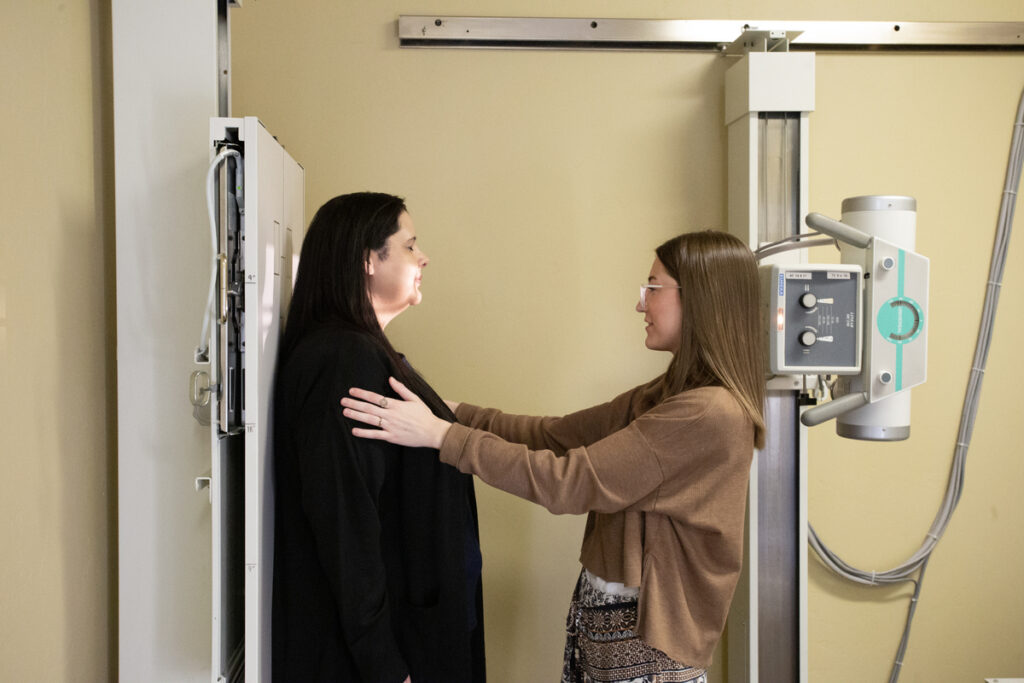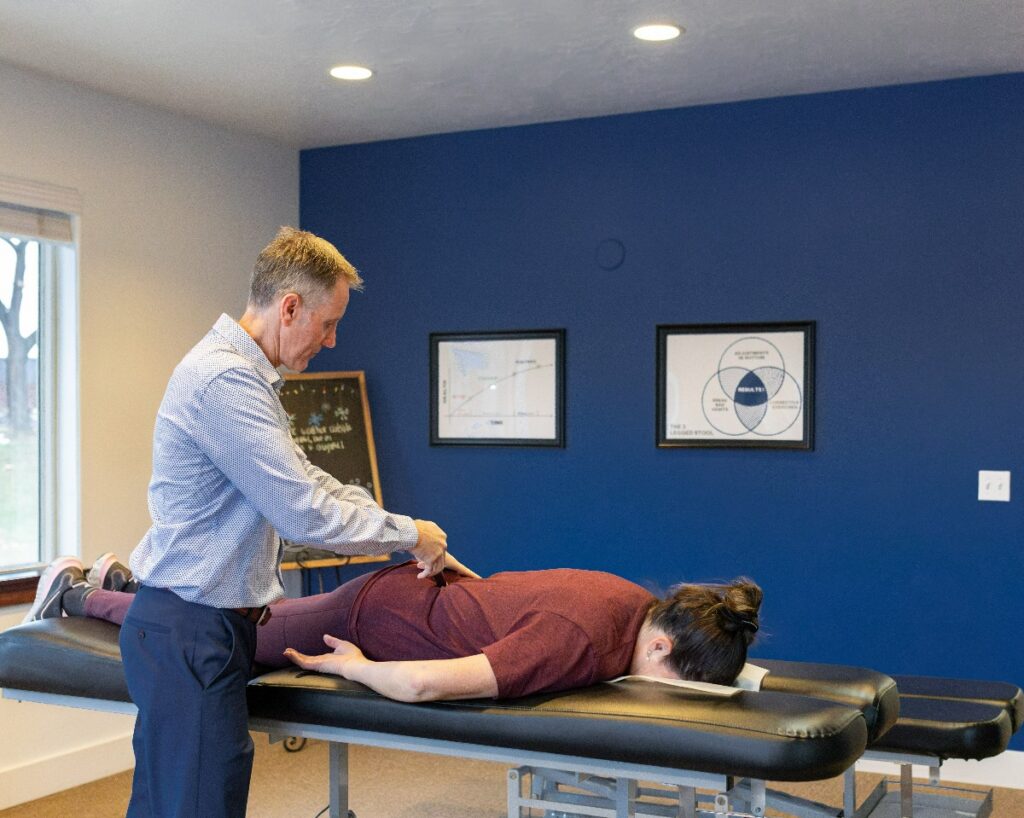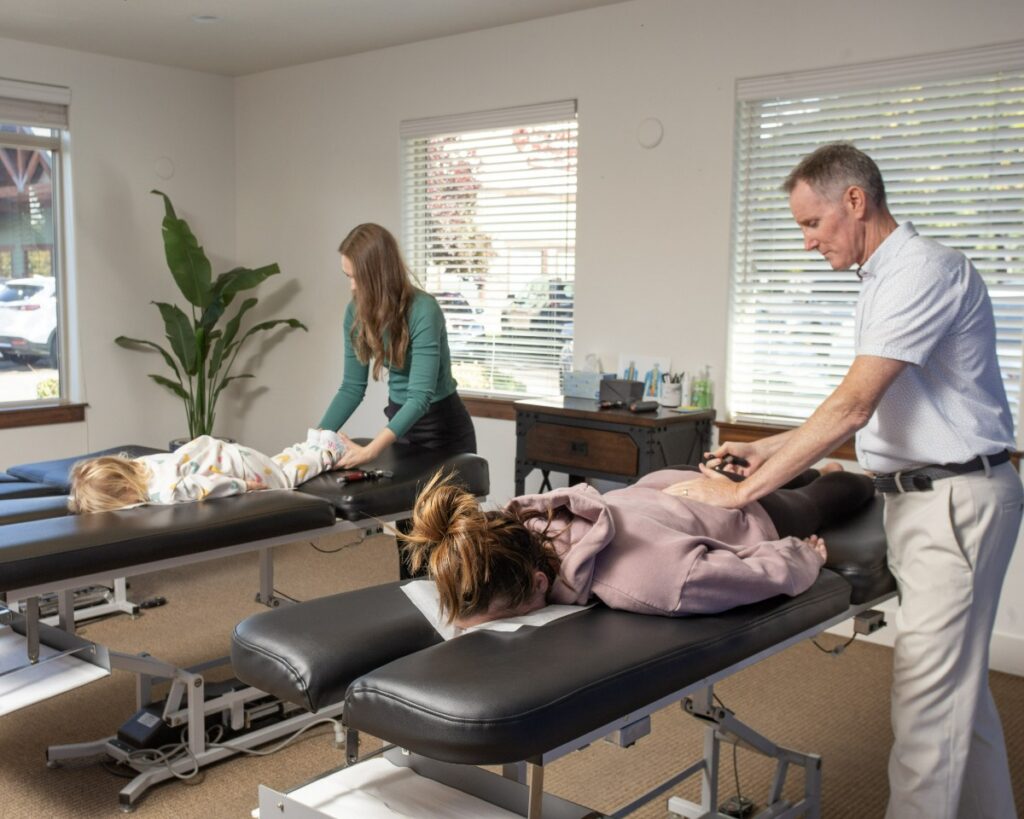

As your local chiropractor, I want to emphasize that recovering from an injury is a multifaceted process that goes beyond simply resting. It's essential to have a clear understanding of your injury and to engage in effective rehabilitation techniques that will support your healing journey.
One key aspect of recovery is nutrition. Eating foods that promote healing can significantly impact your recovery timeline and overall athletic performance. Additionally, mental resilience is crucial; staying motivated and maintaining a positive outlook can make a significant difference in how you approach your recovery.
In my practice, I focus on holistic strategies that not only aid in your immediate healing but also help prevent future injuries. This includes chiropractic adjustments, which can enhance your body's natural healing abilities, improve mobility, and reduce pain.
If you're curious about specific steps you can take to ensure a smoother comeback, I encourage you to reach out. Together, we can develop a personalized plan that addresses your unique needs and sets you on the path to optimal recovery and performance.
Understanding Your Injury
When you sustain an injury, it's essential to understand the healing process your body goes through. As a chiropractor, I want to help you recognize this journey so you can better support your recovery. Your body responds to injury by initiating a healing process that includes inflammation, tissue repair, and ultimately, recovery. The specifics of this process can differ based on the type and severity of your injury.
Initially, you'll likely notice inflammation, which is your body's natural response to injury. This swelling can result in pain and limited mobility, indicating that your body is actively working to heal itself. It's important to give your body the time it needs during this phase, even though it may be uncomfortable.
As your injury begins to stabilize, the next step involves tissue regeneration. This phase highlights the importance of understanding your specific injury. Different types of tissues—such as muscles, ligaments, and tendons—heal at varying rates. For example, a muscle strain may take a few weeks to mend, while a ligament tear could require several months for full recovery.
Moreover, don't underestimate the impact of your mindset on your healing journey. Staying positive and informed can significantly influence how you cope with the emotional challenges of being sidelined.
Focus on aspects you can control, like maintaining a balanced diet and getting adequate rest, to enhance your healing process. As your chiropractor, I'm here to guide you through this journey and support your body's natural healing abilities.
Rehabilitation Techniques
Rehabilitation techniques are vital in your journey towards recovery, helping you regain strength, flexibility, and overall function. As a local chiropractor, I want to emphasize the importance of following a structured rehabilitation program that's specifically tailored to your injury. The first step is to consult with a chiropractor who can assess your condition and develop a personalized plan that addresses your unique needs.
One of the foundational components of rehabilitation is range-of-motion exercises. These exercises help alleviate stiffness and enhance flexibility in the affected area. It's crucial to start slowly with gentle movements to avoid exacerbating your injury and gradually increase the intensity as you progress.
In addition to range-of-motion work, strengthening exercises play a significant role in your recovery. Once you're ready, focus on exercises that target the muscles surrounding your injury. Not only do these exercises aid in healing, but they also help prevent future injuries by stabilizing the joint and improving your overall physical resilience.
Don't overlook the importance of balance and proprioception training. These exercises improve your body's awareness and coordination, which are essential, especially for athletes looking to return to their sport. Incorporating balance exercises can help restore your confidence in your movements and reduce the risk of re-injury.
Lastly, consider integrating various modalities into your recovery routine, such as heat, ice, or electrical stimulation. These methods can alleviate pain and reduce inflammation, making it easier for you to engage in your rehabilitation exercises effectively.
Stay committed to your rehabilitation program, and remember that consistency is crucial. By diligently following these chiropractic techniques, you'll be well on your way to a successful recovery and back to your optimal performance in no time. Embrace the natural healing process, and let's guide you through it!
Nutrition for Recovery
Completing your rehabilitation program is just one aspect of your recovery journey, and as your local chiropractor, I want to emphasize the pivotal role nutrition plays in how effectively and swiftly you heal. The right nutrients can significantly aid in reducing inflammation, promoting tissue repair, and restoring your energy levels.
Here's how you can leverage the power of nutrition to enhance your recovery.
- Protein-Rich Foods: It's essential to include lean meats, eggs, and legumes in your meals. Protein is crucial for muscle and tissue repair, enabling you to come back stronger from your injuries.
- Omega-3 Fatty Acids: Consider incorporating fatty fish like salmon or walnuts into your diet. Omega-3s are known for their anti-inflammatory properties, which can help alleviate swelling and pain throughout your recovery process.
- Antioxidant-Rich Fruits and Vegetables: Load up on colorful fruits and vegetables, such as berries, spinach, and bell peppers. These foods are rich in vitamins and minerals that combat oxidative stress and bolster your immune system, which is vital for healing.
- Hydration: Never underestimate the importance of staying hydrated. Drinking plenty of water is crucial for transporting nutrients throughout your body and maintaining overall function, especially as you recover.
Aim for balanced meals that focus on whole, nutrient-dense foods.
If you're unsure where to start or how to optimize your diet for recovery, I encourage you to consult with a nutritionist who can tailor recommendations to your specific needs.
By prioritizing nutrition alongside your chiropractic care, you'll give your body the best chance to recover effectively and return to optimal health.
Mental Resilience Strategies
As a local chiropractor, I want to emphasize that building mental resilience is just as crucial as your physical recovery when healing from an injury. Your mindset can significantly influence your healing process, so it's essential to develop a strong mental approach alongside your chiropractic care.
Start by setting realistic goals for your recovery. Think of your healing journey as a series of smaller, manageable milestones. Celebrate each achievement, no matter how minor it may seem, to keep your motivation high and remind yourself that progress is being made with each chiropractic adjustment and therapy session.
Incorporating visualization techniques can also be beneficial. Picture yourself fully recovered and performing at your best—this practice not only boosts your spirits but also reinforces your confidence and keeps you focused on your recovery journey.
Alongside visualization, consider practicing mindfulness or meditation. These techniques can help you manage stress and anxiety, allowing you to maintain a positive outlook as you work towards wellness.
Another essential strategy is to connect with your support network. I encourage you to share your feelings and experiences with friends, family, or teammates who understand what you're going through. Their encouragement can make a world of difference and keep you grounded throughout your recovery process.
Lastly, it's important to stay informed about your injury and recovery process, but be cautious not to get overwhelmed. Learning about what you're dealing with can empower you, but obsessing over every detail may lead to unnecessary worry. Focus on what you can control—such as attending your chiropractic appointments and following the recommended care plan.
Remember, building mental resilience takes time and effort, so be patient with yourself. Embrace this journey towards healing, and you'll emerge stronger, both mentally and physically, ready to tackle new challenges ahead.
As your chiropractor, I'm here to support you every step of the way.
Preventing Future Injuries
As a local chiropractor dedicated to your well-being, I want to emphasize the importance of preventing future injuries through a holistic approach. Staying injury-free isn't just about treating problems as they arise; it's about taking proactive steps to protect your body.
Here are four essential tips that can help you maintain your health and avoid injuries:
1. Warm-Up and Cool Down: Before you engage in any physical activity, it's crucial to prepare your muscles. Start with a proper warm-up that includes dynamic stretches and light aerobic exercises to get your blood flowing.
After your workout, take time to cool down with static stretches. This process helps your muscles recover and reduces the risk of strain.
2. Listen to Your Body: Your body often communicates when something isn't right. If you experience any discomfort or pain, don't ignore it.
Recognizing these signals early can prevent more serious injuries down the line. If you feel something is off, consider resting and consulting a healthcare professional, such as a chiropractor, for guidance.
3. Strengthen Weak Areas: It's important to identify any muscle groups that may be weaker or more susceptible to injury.
By incorporating targeted exercises, you can build strength and stability around vulnerable joints. This not only enhances your overall performance but also significantly reduces your risk of injury.
4. Cross-Train Regularly: To avoid overuse injuries, diversify your exercise routine. Engaging in different forms of physical activity—such as swimming, cycling, or yoga—can help develop various muscle groups and improve your overall fitness.
This variety also keeps your workouts interesting and enjoyable!
By integrating these strategies into your lifestyle, you can take charge of your health and significantly lower your chances of injury.
As your chiropractor, I'm here to support you on your journey to optimal health and wellness.
Conclusion
Injury recovery can feel daunting, but as your local chiropractor, I want to share some insights on how to approach this journey holistically to enhance your athletic performance. First and foremost, tailored rehabilitation is key. This means personalized treatment plans that cater to your specific injury and athletic goals.
Nutrition plays a vital role in recovery, so I encourage you to focus on a protein-rich diet that supports muscle repair and overall healing. Alongside this, cultivating mental resilience is essential. Staying positive during your recovery can significantly impact your healing process.
Setting realistic goals is important; it helps you stay motivated and track your progress. Additionally, incorporating injury prevention strategies into your routine can protect you from future setbacks and ensure a smoother return to peak performance.
Remember, by embracing these steps and considering chiropractic care as part of your recovery plan, you can heal effectively and come back stronger. I'm here to guide you through this process, so together we can ensure you are not only recovering but also preparing for future challenges. Stay committed to your recovery, and success will follow!