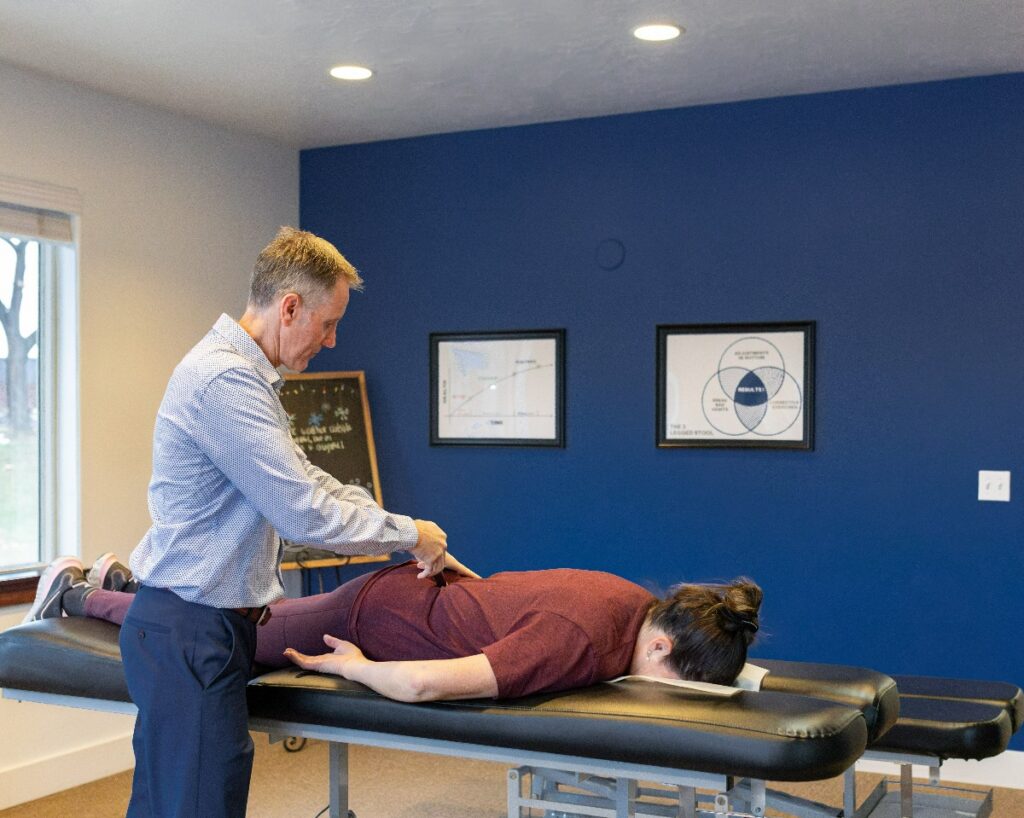

If you’re dealing with migraines, you might not know that neck pain can be a major trigger for those intense headaches. By focusing on the tension in your neck, you could significantly reduce the frequency and severity of your migraines. The great news is that there are effective, natural solutions available—specifically through chiropractic care.
As a chiropractor, I believe that addressing spinal health is key to achieving overall wellness. Chiropractic adjustments can help realign your spine, relieve neck tension, and improve your overall function, which may help alleviate both neck pain and migraines without the need for medications or invasive procedures.
Here are some practical steps you can take to manage your neck pain and potentially reduce your migraines:
- Regular Chiropractic Adjustments: Visiting a chiropractor can help restore proper alignment to your spine, reducing tension in your neck and improving your body’s ability to function optimally.
- Stretching and Strengthening Exercises: Simple neck stretches can relieve tightness. Consider gentle neck rotations and tilts. Strengthening exercises for your upper back can also support better posture, reducing strain on your neck.
- Ergonomic Workspace: Ensure your workstation is set up to promote good posture. Your computer screen should be at eye level, and your chair should support your lower back.
- Stay Hydrated: Dehydration can contribute to headaches. Make sure you’re drinking enough water throughout the day.
- Manage Stress: Stress can lead to muscle tension. Incorporating relaxation techniques, such as deep breathing or meditation, can help ease neck tension.
- Sleep Position: Pay attention to how you sleep. Use a supportive pillow that keeps your neck in a neutral position.
By focusing on these natural approaches, you can take control of your neck pain and migraines. Remember, chiropractic care is a powerful ally in your journey to better health and wellness. If you’re interested in learning more or want to explore how chiropractic adjustments can benefit you, don’t hesitate to reach out. Your path to relief and optimal health starts here!
Understanding the Connection Between Neck Pain and Migraines
When dealing with migraines, it’s important to recognize that neck pain could be a significant factor in your discomfort. Tension and strain in the muscles of your neck can lead to headaches that may mimic or even worsen migraine symptoms. This tension often arises from everyday habits like stress, poor sleeping positions, or extended time spent in front of screens, which can disrupt the natural alignment of your neck.
You may notice a pattern: when your neck feels tight or achy, a headache can follow suit. This connection isn’t just a coincidence; the nerves and muscles in your neck play a crucial role in triggering headaches. By addressing neck pain through chiropractic care, you can potentially reduce the frequency and intensity of your migraines.
Chiropractic adjustments are designed to relieve tension and restore proper alignment in your neck and spine, which can lead to improved overall wellness. Additionally, incorporating simple stretches, heat therapy, and gentle exercises into your daily routine can help ease tension and promote relaxation.
Understanding the link between neck pain and migraines empowers you to take proactive steps toward better health. Embracing chiropractic care not only aids in pain relief but also supports your journey towards a healthier, more balanced life.
The Role of Posture in Neck Pain and Migraines
Poor posture can significantly contribute to neck pain, which in turn can trigger migraines. When you slouch or lean forward for extended periods, the muscles in your neck and shoulders have to work harder to support your head, leading to discomfort and tension. This tension can create a vicious cycle, as tight muscles often result in headaches.
If you find yourself spending hours hunched over a computer or looking down at your phone, you may be increasing your risk of both neck pain and migraines. Remember, your head weighs about 10 to 12 pounds, and the more you tilt it forward, the more pressure you place on your neck.
To combat these issues, it’s vital to be mindful of your posture throughout the day. Here are some practical tips you can implement:
- Align Your Ears with Your Shoulders: Stand or sit tall with your head directly over your spine. This simple adjustment can reduce strain on your neck.
- Keep Your Shoulders Relaxed: Tension in the shoulders can lead to discomfort, so focus on keeping them relaxed and down away from your ears.
- Use Supportive Chairs: If you spend a lot of time sitting, choose a chair that supports your lower back and encourages good posture.
- Take Regular Breaks: If you’re working at a desk or using your phone, take short breaks every 30 minutes to stretch and reset your posture.
- Consider Chiropractic Care: Regular visits to a chiropractor can help restore proper alignment to your spine, alleviate neck pain, and reduce the frequency of migraines. Chiropractic adjustments can improve your posture and relieve muscle tension naturally, promoting overall wellness.
By improving your posture and considering chiropractic care, you can reduce neck strain and help prevent those debilitating migraines from creeping in.
Stretching Exercises to Alleviate Neck Pain
Stretching exercises are a key component in alleviating neck pain, particularly when it stems from tension and poor posture. As a local chiropractor, I want to emphasize that incorporating simple stretches into your daily routine can significantly enhance your neck’s flexibility and ease tightness, leading to a more comfortable life.
Begin with neck tilts: gently lower your ear towards your shoulder and hold for 15-30 seconds before switching sides. This exercise can help relax the muscles on the sides of your neck.
Following that, try neck rotations by slowly turning your head to one side, holding it for a few seconds, and then rotating to the other side. This can improve your range of motion.
Chin tucks are another great option. While sitting or standing tall, gently pull your chin in towards your neck and hold for a few seconds. This exercise targets the muscles at the back of your neck and can help release tension.
Remember, it’s important to breathe deeply and move gently to avoid any strain.
Regularly practicing these stretches can provide lasting relief from neck pain and improve your overall well-being.
While stretching is beneficial, I encourage you to consider chiropractic care as an effective approach to achieving optimal health. Chiropractic adjustments can address the root cause of your neck pain and promote natural healing, leading to a healthier lifestyle.
Always prioritize your spinal health, and consult with your chiropractor for personalized advice and support in your journey toward pain relief and wellness.
Strengthening Muscles to Support Neck Health
Strengthening Muscles to Support Neck Health with Chiropractic Care
Maintaining a healthy neck is crucial for overall wellness, as it supports not just your head but also your spine and nervous system. One of the best ways to promote neck health is by strengthening the muscles that support it. Strong neck muscles can help alleviate pain, improve posture, and significantly reduce the frequency of migraines.
Here are some effective exercises that you can easily incorporate into your daily routine:
- Chin Tucks: This simple exercise helps align your neck with your spine. Sit or stand up straight, pull your chin gently in towards your neck while keeping your shoulders relaxed. Hold for a few seconds, then release. This will help strengthen the muscles that support your neck and improve your posture.
- Shoulder Shrugs: To relieve tension in your neck, lift your shoulders towards your ears, hold for a moment, then relax. Repeat this a few times. This exercise not only helps to ease neck tension but also promotes relaxation throughout your upper body.
- Neck Rotations: Gently turn your head to one side and hold for a few seconds, then switch sides. This exercise enhances flexibility and strength in your neck muscles. It’s a great way to keep your neck mobile and reduce stiffness.
In addition to these exercises, regular chiropractic care can greatly enhance your neck health. A chiropractor can help align your spine, ensuring that your nervous system functions optimally. This holistic approach can provide you with natural pain relief and support your body’s ability to heal itself.
Remember, consistency is key. Try to practice these exercises a few times a week, and consider visiting your chiropractor for regular adjustments.
The Benefits of Heat and Cold Therapy
When it comes to managing neck pain and migraines, heat and cold therapy can be invaluable tools in your wellness toolkit. As a chiropractor, I often recommend these methods to my patients as part of a holistic approach to pain relief.
Heat therapy is fantastic for soothing tight muscles and enhancing blood circulation, which can help alleviate discomfort. On the other hand, cold therapy is excellent for numbing pain and reducing inflammation, making it a great option for acute flare-ups.
By combining heat and cold therapy, you can create a powerful strategy tailored to your specific needs. For instance, applying a warm compress before stretching can help relax your muscles, while using a cold pack afterward can minimize any swelling or soreness.
In addition to these therapies, regular chiropractic adjustments can play a crucial role in your journey to optimal health. Chiropractic care not only addresses the root causes of pain but also promotes overall wellness by improving spinal alignment and nervous system function.
This natural approach can help you achieve lasting relief without the need for medications or invasive procedures.
Remember to listen to your body and alternate between heat and cold based on what feels best for you. Staying hydrated, practicing good posture, and incorporating gentle stretches into your daily routine can also significantly enhance your recovery and overall well-being.
If you’re struggling with persistent neck pain or migraines, consider consulting with a chiropractor to explore how you can achieve a healthier, pain-free life naturally.
Heat Therapy Benefits
Heat therapy is a fantastic tool for those who experience migraines, especially when accompanied by neck pain. As a chiropractor, I often see how applying heat can relax tight muscles, boost blood circulation, and offer comforting relief. Here’s how heat therapy can benefit you, especially in conjunction with chiropractic care:
- Muscle Relaxation: Applying heat can help ease the tension in your neck muscles, reducing pain and stiffness. This relaxation complements the adjustments you receive during chiropractic care, allowing your body to respond better to treatment.
- Enhanced Circulation: Heat promotes increased blood flow, which can help alleviate headache symptoms and foster healing in affected areas. Better circulation means your body can recover more effectively, especially after spinal adjustments.
- Stress Relief: The soothing warmth of heat therapy not only calms your muscles but also your mind. Reducing stress is crucial for migraine sufferers, and combining this practice with regular chiropractic sessions can enhance your overall well-being.
To incorporate heat therapy into your routine, consider using a warm compress or heating pad on your neck for about 15-20 minutes. You can also enjoy a warm bath or shower to help ease muscle tension.
Remember, these practices can work hand-in-hand with chiropractic care to provide the best results for managing migraines and neck pain.
Cold Therapy Advantages
While many people turn to heat therapy for relief from neck pain and migraines, it’s important to recognize the powerful benefits of cold therapy as well. Cold therapy can be a fantastic natural option for pain relief, especially for those of us looking to avoid medications or invasive treatments.
When you apply cold to an affected area, it works by reducing inflammation and numbing pain, which can provide immediate comfort. This is particularly helpful after an acute injury or during a migraine attack. The cold constricts blood vessels, which helps to minimize swelling and offers quick relief.
In addition to pain relief, cold therapy can also speed up your recovery time. By incorporating cold packs into your routine, you can bounce back to your daily activities more quickly. Using items like ice packs or even frozen vegetables is simple and can easily be done at home.
Here are a few tips for using cold therapy effectively:
- Limit Application Time: Apply cold packs for about 15-20 minutes at a time to avoid skin damage. You can repeat this process every few hours as needed.
- Protect Your Skin: Always wrap ice or cold packs in a towel or cloth to protect your skin from frostbite.
- Combine with Chiropractic Care: For ongoing neck pain or migraines, consider incorporating chiropractic adjustments into your routine. Chiropractors can help identify and address the underlying issues contributing to your discomfort, working in conjunction with cold therapy for optimal results.
Incorporating cold therapy into your wellness routine, along with regular chiropractic care, can make a significant difference in managing neck pain and migraines. It empowers you to take control of your health naturally and effectively, providing you with the tools you need for better overall wellness.
Combining Both Techniques
Combining heat and cold therapy can be a fantastic approach to managing neck pain and migraines, especially when paired with the benefits of chiropractic care. Each technique offers unique advantages, and using them together can enhance your relief while promoting overall wellness. Here’s how this combination can help you:
- Improved circulation: Applying heat can increase blood flow to the area, which helps relax tight muscles and reduce stiffness. This is especially beneficial when combined with chiropractic adjustments that realign your spine, allowing your body to function optimally.
- Reduced inflammation: Cold therapy can decrease swelling and numb soreness, providing immediate relief. This can complement the adjustments made during your chiropractic visit, helping your body heal more effectively.
- Enhanced muscle relaxation: Alternating between heat and cold can soothe tension and promote flexibility. When combined with chiropractic care, this approach can help maintain your spinal health, allowing you to move more freely and comfortably.
General Tips for Using Heat and Cold Therapy:
- Heat Application: Use a warm towel, heating pad, or hot water bottle on the affected area for 15-20 minutes. This can be especially helpful before your chiropractic appointment to relax your muscles.
- Cold Application: Apply an ice pack wrapped in a cloth for 10-15 minutes to reduce swelling after any activity that strains your neck. This can enhance the effects of your chiropractic adjustments.
- Listen to Your Body: Pay attention to how your body responds to heat and cold. If something doesn’t feel right, adjust the temperature or duration accordingly.
- Stay Consistent: Incorporate these therapies regularly in your routine, especially if you’re managing chronic pain. Consistency can lead to better long-term results.
Exploring Manual Therapy Options
Manual therapy options can be a game-changer for anyone suffering from migraines related to neck pain. Chiropractic care stands out as a highly effective way to relieve tension and promote overall wellness.
When you visit a chiropractor, they’ll conduct a thorough assessment of your neck and spine, focusing on realigning your body to alleviate discomfort and enhance mobility. Chiropractic adjustments are designed to restore proper alignment, which can significantly improve blood flow and reduce the frequency and intensity of migraines.
By addressing the root cause of your pain rather than just the symptoms, chiropractic care offers a natural and holistic approach to healing. In addition to adjustments, chiropractors may incorporate gentle stretching and massage techniques to target tight muscles in the neck and shoulders.
These methods can help reduce inflammation and ease pain, allowing you to manage your migraines more effectively. Another valuable technique we often use is myofascial release, which targets deep-seated tension.
By incorporating this treatment into your routine, you could experience fewer migraines and a greater sense of overall well-being. To support your health at home, consider some simple tips: maintain good posture, take regular breaks if you’re sitting for long periods, and practice relaxation techniques like deep breathing or gentle stretching.
Ergonomic Adjustments for Daily Comfort
To reduce neck pain and alleviate migraines, it’s essential to optimize your desk setup and select the right chair. A well-arranged workspace can significantly enhance your daily comfort and overall health.
As a local chiropractor, I want to emphasize that these ergonomic adjustments not only make your work life more comfortable but also support your spinal health.
Here are some simple tips to create a more ergonomic workspace:
- Chair Selection: Choose a chair that supports the natural curve of your spine. Look for one with good lumbar support, adjustable height, and comfortable cushioning.
- Monitor Height: Position your computer monitor at eye level. This helps keep your neck aligned and prevents strain. If you’re using a laptop, consider raising it to eye level with a stand or by stacking it on books.
- Keyboard and Mouse Position: Keep your keyboard and mouse close enough so you can use them comfortably without reaching. Your elbows should be at about a 90-degree angle, and your wrists should be straight.
- Take Breaks: Don’t forget to take regular breaks! Stand up, stretch, and walk around every hour. This helps relieve tension and keeps your muscles engaged.
- Posture Check: Maintain good posture while sitting. Keep your back straight, shoulders relaxed, and feet flat on the floor. A small pillow or cushion can help support your lower back.
By making these ergonomic adjustments, you can significantly reduce the risk of neck pain and migraines.
However, if you’re still experiencing discomfort, chiropractic care can be an excellent option for natural pain relief and improved wellness. Chiropractic adjustments can help align your spine, relieve tension, and promote healing from within.
Desk Setup Optimization
As a chiropractor, I want to highlight the significant role your desk setup plays in maintaining your neck health and overall comfort, especially for those who experience migraines.
Optimizing your workspace not only enhances comfort but also promotes better spinal alignment, which is crucial for your well-being. Here are some simple adjustments you can make to create a more supportive work environment:
- Monitor Height: It’s essential to position your monitor at eye level. This prevents unnecessary neck strain and encourages good posture. When your screen is too low or too high, it can lead to discomfort and tension in your neck.
- Keyboard Position: Your keyboard should be set at a height that allows your elbows to remain close to your body while keeping your wrists straight. This setup helps reduce strain on your shoulders and arms, contributing to a healthier spine.
- Lighting: Proper lighting is key to avoiding discomfort. Ensure your workspace is well-lit to prevent leaning forward or squinting, which can create tension in your neck and back. Consider using natural light when possible, as it can boost your mood and energy levels too!
By making these simple adjustments, you can create a work environment that supports your spinal health and minimizes discomfort.
Proper Chair Selection
Choosing the right chair is crucial for your overall health, especially when it comes to preventing neck pain and migraines. An ergonomic chair is designed to support your spine and encourage good posture, which can significantly reduce strain on your neck and upper back. Look for chairs with adjustable features like seat height, backrest angle, and armrests to ensure a personalized fit that suits your body.
Here are some simple tips to keep in mind when selecting a chair and setting up your workspace:
- Feet Flat on the Floor: Your feet should rest flat on the ground, with your knees forming a right angle. This position helps maintain proper alignment in your body.
- Lumbar Support: A chair with good lumbar support is essential. It helps maintain the natural curve of your lower back, which can provide relief during long hours of sitting.
- Take Breaks: Remember to stand up and stretch every hour. Movement is key to maintaining spinal health and reducing tension that can lead to migraines.
- Adjust Your Screen Height: Your computer monitor should be at eye level to avoid straining your neck. This helps keep your spine aligned.
- Stay Hydrated: Drinking plenty of water throughout the day can help reduce tension and headaches. Dehydration can contribute to discomfort, so keep a water bottle nearby.
Investing in a quality chair can make a significant difference in your daily comfort and well-being. Coupled with regular chiropractic care, you can achieve optimal health and find relief from those pesky migraines linked to neck tension.
Mindfulness and Relaxation Techniques
When stress builds up, it can lead to tension in your neck, which often makes migraine pain worse. As a chiropractor, I want to share how mindfulness and relaxation techniques can play a crucial role in managing that stress and alleviating neck tension, ultimately supporting your journey towards optimal health.
- Deep Breathing: Take a few minutes to focus on your breath. Inhale deeply through your nose, hold for a moment, and exhale slowly through your mouth. This simple practice calms your mind and helps relax those tight muscles in your neck that can contribute to headaches.
- Progressive Muscle Relaxation: This technique involves consciously tensing and then relaxing each muscle group, starting from your toes and working up to your neck. By doing so, you release built-up tension and promote better muscle function, which is essential for spinal health.
- Guided Imagery: Picture yourself in a peaceful setting or a happy memory. This mental escape can significantly lower stress levels and help ease discomfort in your neck. Visualization is a powerful tool for promoting relaxation and supporting your body’s natural healing processes.
Incorporating these techniques into your daily routine can provide significant relief from migraine triggers.
Remember, chiropractic care is an excellent way to address the root causes of pain and tension in your body. Regular chiropractic adjustments can improve your spinal alignment, reduce tension, and enhance your overall well-being.
Prioritizing your spinal health is a natural and effective way to achieve a pain-free life.
When to Seek Professional Help
Knowing when to seek professional help for neck pain and migraines is essential for your recovery and overall well-being. If you find that your neck pain lingers for more than a few days or worsens despite trying home remedies, it may be time to consult a chiropractor. Chiropractic care focuses on identifying and addressing the root causes of your pain, promoting natural healing without the need for medications or surgeries.
Additionally, if your migraines become more frequent or severe, or if you notice new symptoms like blurred vision, dizziness, or weakness, it’s crucial to reach out for professional help. Chiropractors are trained to assess these symptoms and can provide tailored treatment options that align with your body’s natural healing process.
If your neck pain is interfering with your daily activities, sleep, or overall quality of life, don’t hesitate to seek assistance. A chiropractor can conduct a thorough evaluation of your spinal health and develop a personalized care plan aimed at restoring balance and alleviating discomfort.
Remember, early intervention through chiropractic care can’t only prevent further complications but also lead to a quicker and more effective recovery. Trust your instincts—if something feels off, getting help sooner rather than later can be transformative in managing your neck pain and migraines.
As you navigate your wellness journey, consider incorporating these general tips: maintain good posture, engage in regular gentle stretching, and stay hydrated.
These simple practices can support your spinal health and overall wellness. Chiropractic care is a powerful ally in achieving optimal health and pain relief, so don’t hesitate to explore this natural path to well-being.
Lifestyle Changes for Long-term Relief
Making effective lifestyle changes can significantly enhance your well-being and provide long-term relief from neck pain and migraines. By adopting healthier habits, you can help reduce the frequency and intensity of your symptoms, allowing you to enjoy life more fully.
Here are three important changes to consider, all of which complement the benefits of chiropractic care:
– Stay Active: Engaging in regular physical activity is essential for strengthening your neck and back muscles. This not only improves your posture but also alleviates strain on your spine.
Consider incorporating activities like walking, swimming, or gentle stretching into your routine. These movements can enhance your overall spinal health and work hand-in-hand with chiropractic adjustments.
– Practice Good Posture: Being mindful of your posture is vital, especially if you find yourself sitting for extended periods. Ensure that your workspace is ergonomic—this means using furniture that supports your spine properly.
Take breaks to stretch and reset your posture; small adjustments can make a big difference. Remember, maintaining proper alignment is key to preventing discomfort and enhancing the effectiveness of your chiropractic care.
– Manage Stress: High stress levels can lead to muscle tension, which may exacerbate neck pain and migraines. Incorporate stress-reducing techniques into your daily life, such as meditation, yoga, or deep breathing exercises.
These practices can help relax your mind and body, making it easier for your chiropractor to provide effective treatment and support your journey to optimal health.
By making these lifestyle changes and pairing them with regular chiropractic care, you can take significant steps toward achieving lasting relief and improved wellness.
Conclusion
By addressing neck pain through chiropractic care, you can significantly reduce the frequency and intensity of migraines. As your local chiropractor, I emphasize the importance of maintaining proper posture, which can alleviate stress on your neck and spine. Incorporating targeted stretching and strengthening exercises into your routine is crucial. Simple neck stretches can relieve tension, while strengthening exercises can support your neck and upper back.
Utilizing heat and cold therapy can also help ease discomfort. Applying a warm compress can relax tight muscles, while cold therapy can reduce inflammation. Additionally, making ergonomic adjustments in your workspace, such as ensuring your computer screen is at eye level, can prevent strain on your neck.
Mindfulness techniques, like deep breathing and gentle yoga, can further enhance your overall wellness and reduce stress, which is often a trigger for migraines. Remember, if your pain persists, seeking chiropractic care can provide tailored solutions designed specifically for you.
With these proactive steps and a commitment to natural healing through chiropractic care, you can take charge of your neck health and move toward a migraine-free life. Your journey to optimal health starts with understanding your body and making the right choices.