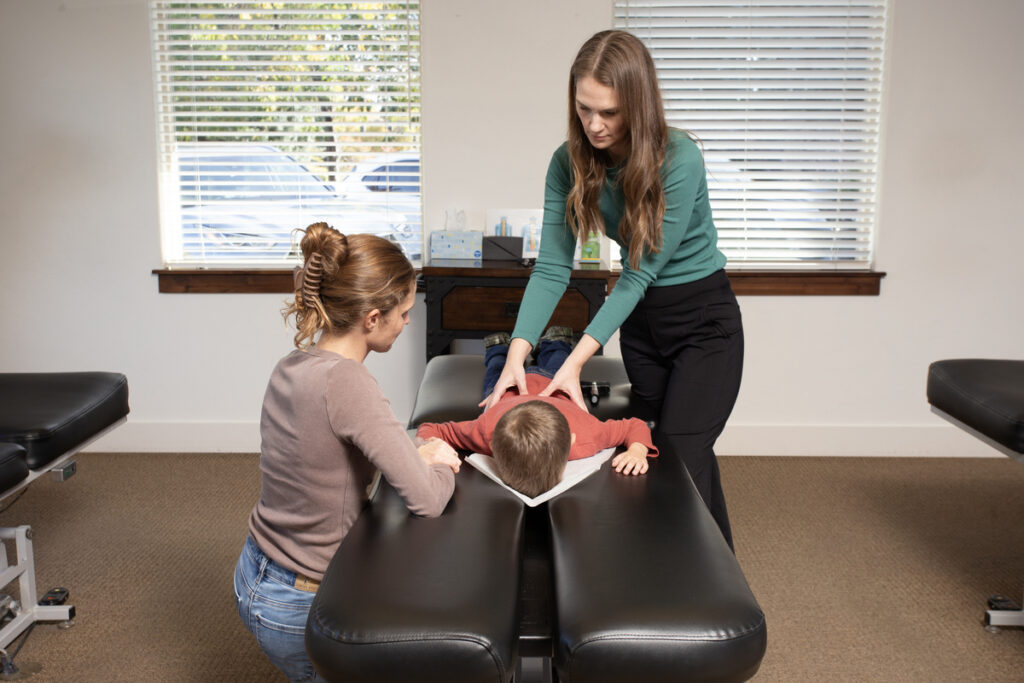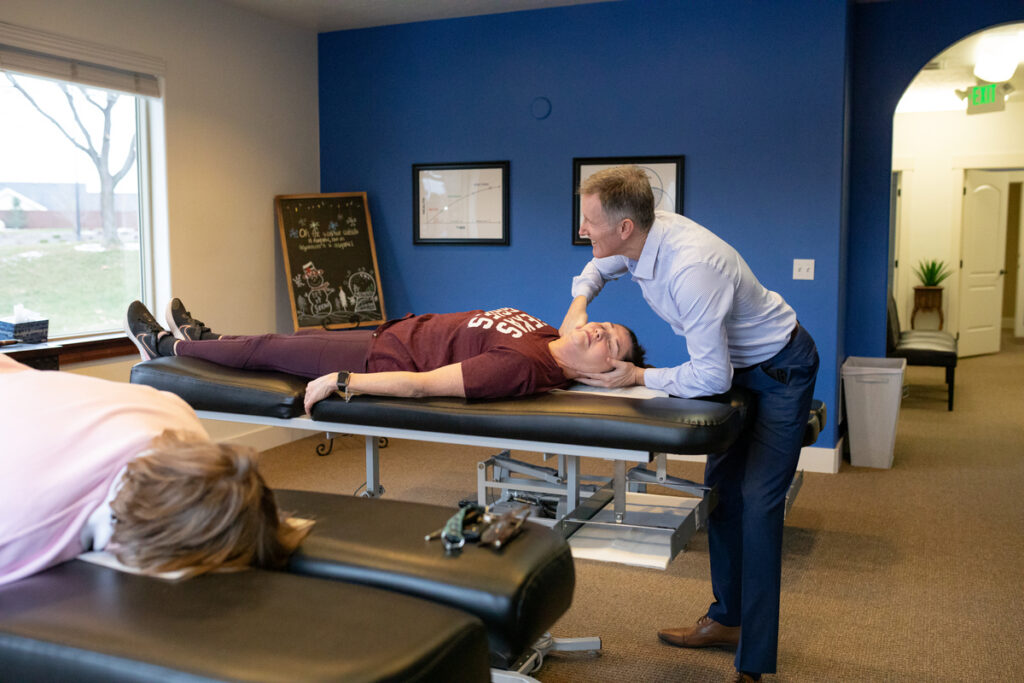

As a local chiropractor, I want to share some exciting developments in the realm of treating neurological disorders, particularly from a natural healing perspective. You might be surprised to learn how much progress has been made recently. Innovative approaches, including natural therapies and lifestyle adjustments, are reshaping how we address these conditions, offering new hope for those facing challenges.
For example, while advancements like drug therapies and gene treatments are gaining attention, there is also a growing focus on holistic methods, including chiropractic care, which can play a significant role in managing neurological health. Techniques like spinal adjustments can help improve nervous system function, potentially alleviating symptoms of conditions such as multiple sclerosis and other neurological issues.
As we explore these personalized approaches to care, it's essential to understand how they can complement traditional treatments. By integrating chiropractic care with other therapeutic strategies, patients may find a more comprehensive path to wellness. There's so much to learn about how natural healing can impact future treatment strategies, and I'm here to guide you through this evolving landscape. Let's embark on this journey towards better health together!
Overview of Neurological Disorders
As a local chiropractor, I want to shed light on neurological disorders, which affect the brain, spinal cord, and nerves throughout the body, impacting millions of people around the globe. These conditions can disrupt your daily life, influencing everything from movement and coordination to memory and cognitive function.
Common neurological disorders include epilepsy, Parkinson's disease, multiple sclerosis, and stroke, each presenting unique challenges. Understanding these conditions is crucial for both you and your loved ones as it can help navigate the complexities of diagnosis and treatment.
If you experience neurological symptoms such as headaches, dizziness, or more severe issues like seizures or paralysis, it's essential to consult a healthcare professional. Diagnosing a neurological disorder often involves a combination of physical exams, imaging tests, and neurological assessments. Early diagnosis is key, as it can open the door to more effective treatment options.
As a chiropractor, I believe in a holistic approach to health. Treatment for neurological disorders can vary widely based on the specific condition and its severity. Options may include chiropractic adjustments, lifestyle changes, physical therapy, and sometimes, medication or surgery.
Chiropractic care focuses on aligning the spine and improving nervous system function, which can help manage symptoms and enhance your overall quality of life. Additionally, support groups can provide valuable resources and emotional support, making it easier to cope with these challenges.
Together, we can explore natural healing methods that support your body's innate ability to heal and function optimally.
Advances in Alzheimer's Treatment
As a local Chiropractor, I want to share some insightful developments regarding Alzheimer's treatment that you might find interesting.
There are innovative drug therapies emerging that focus on slowing the progression of the disease. However, I also want to emphasize the importance of lifestyle interventions, which can significantly improve overall well-being and quality of life for those affected.
In our practice, we believe in a holistic approach to health, and incorporating natural healing methods can make a positive difference.
Additionally, advancements in early detection techniques are allowing for timely interventions, which is crucial for effective management. By supporting brain health through chiropractic care and healthy lifestyle choices, we can enhance cognitive function and promote better overall health.
Let's explore how a natural approach can benefit you or your loved ones.
Innovative Drug Therapies
As a local chiropractor, I want to share some exciting developments in the world of natural healing that can be beneficial for those dealing with cognitive health issues, such as Alzheimer's.
While chiropractic care primarily focuses on spinal health and overall well-being, understanding these advancements in drug therapies can offer hope for patients and their families looking for comprehensive approaches to care.
Recent breakthroughs in drug therapies are indeed reshaping Alzheimer's treatment, with innovative strategies aimed at slowing down disease progression and enhancing cognitive function. This can significantly improve the quality of life for patients.
Here are some key advancements that may interest you:
- Monoclonal Antibodies: These targeted therapies work to reduce amyloid plaques in the brain, which could help improve cognitive abilities. While chiropractic care doesn't directly address this, maintaining optimal spinal health can support overall brain function.
- Tau Protein Inhibitors: These new treatments focus on preventing the tangling of tau proteins linked to neurodegeneration. A holistic approach, including chiropractic adjustments, can help enhance nervous system function, which is vital for brain health.
- Neuroprotective Agents: Some medications aim to protect neurons from damage. In conjunction with chiropractic care, lifestyle changes and nutrition can also play a vital role in preserving cognitive abilities.
- Anti-inflammatory Medications: These drugs target brain inflammation, which contributes to Alzheimer's progression. Chiropractic care, through spinal adjustments and lifestyle advice, can help reduce inflammation in the body naturally.
- Combination Therapies: Researchers are exploring the effectiveness of using multiple therapies together, which can align with a holistic approach to health that chiropractic care promotes.
While these innovative drug therapies provide valuable options, integrating chiropractic care and natural healing methods can further support overall wellness.
By focusing on spinal health and a balanced lifestyle, we can work together to enhance cognitive function and improve quality of life for those affected by Alzheimer's.
Lifestyle Intervention Strategies
As a local chiropractor, I want to emphasize the importance of a holistic approach to health, especially when it comes to managing conditions like Alzheimer's disease. Integrating lifestyle changes can significantly enhance not only cognitive function but also your overall well-being.
First, let's talk about nutrition. A balanced diet is crucial. Incorporating foods rich in antioxidants, healthy fats, and whole grains can be incredibly beneficial. For instance, berries, fish, and leafy greens are fantastic choices that help protect the brain from oxidative stress.
Next, regular physical activity is key. I recommend aiming for at least 150 minutes of moderate exercise each week. Activities such as walking, swimming, or even dancing can elevate your mood and support cognitive health.
Don't underestimate the power of social engagement, either. Connecting with family and friends is vital for emotional support and can stimulate your brain through engaging conversations and shared experiences.
Additionally, incorporating mindfulness practices and stress reduction techniques, such as meditation or yoga, can significantly help in managing anxiety and improving mental clarity.
Prioritizing quality sleep is also essential; restorative sleep is critical for memory consolidation and overall brain health.
As you embrace these lifestyle interventions, you're not just enhancing your health but also creating a supportive environment that may help slow the progression of Alzheimer's symptoms.
Early Detection Techniques
As a local chiropractor, I want to emphasize the importance of early detection in managing health conditions, including cognitive issues like Alzheimer's disease. Identifying signs early can significantly influence treatment outcomes and enhance overall well-being.
By recognizing symptoms at the onset, you can explore various natural interventions that may help slow progression and improve daily functioning.
Here are some effective techniques for early detection that I encourage you to consider:
- Cognitive assessments: Engaging in regular memory and cognitive function tests can help monitor changes over time, allowing for timely intervention.
- Neuroimaging: While not a primary focus of chiropractic care, advanced imaging technologies, like PET scans, can reveal important changes in brain structure and function.
- Biomarkers: Emerging blood tests aim to identify specific proteins linked to Alzheimer's, which can guide your healthcare decisions.
- Digital tools: Utilizing smartphone apps and computer-based assessments can help you track your cognitive performance, providing real-time feedback on your mental health.
- Genetic testing: Understanding your genetic predispositions can empower you to make informed choices about proactive monitoring and lifestyle modifications.
By staying informed and taking a holistic approach to your health, including regular chiropractic care, you can support your overall well-being and potentially mitigate the impacts of cognitive decline.
Innovations in Parkinson's Therapy
As a local chiropractor, I want to share with you some exciting developments in the field of Parkinson's therapy that can significantly impact your overall well-being.
While advanced drug therapies and deep brain stimulation are commonly discussed, there are also natural healing approaches that can complement these treatments.
Chiropractic care focuses on optimizing the body's natural ability to heal itself, which can be especially beneficial for those managing Parkinson's symptoms.
By addressing spinal alignment and improving nervous system function, chiropractic adjustments can help reduce discomfort and enhance mobility.
Additionally, incorporating lifestyle modifications, such as exercise and nutrition, can play a vital role in managing symptoms and improving your quality of life.
If you're curious about how chiropractic care and natural healing can support your journey, I'm here to guide you through these innovative options.
Let's explore how we can work together to enhance your health and well-being.
Advanced Drug Therapies
As a local chiropractor dedicated to natural healing, I want to share some exciting developments in the realm of Parkinson's treatments that may offer hope to those affected by this condition.
While chiropractic care primarily focuses on the musculoskeletal system, understanding advanced drug therapies can complement our holistic approach to health and well-being.
Here are some advancements that might interest you:
- Novel Dopamine Agonists: These medications mimic the effects of dopamine, which can help alleviate motor symptoms. While chiropractic care doesn't directly address this, we can support overall wellness during treatment.
- Neuroprotective Agents: These drugs aim to shield neurons from damage, potentially slowing disease progression. Incorporating natural healing practices like nutrition and exercise can enhance the body's resilience.
- Combination Therapies: Using multiple medications can improve treatment effectiveness and reduce side effects. Alongside this, chiropractic adjustments can help improve mobility and function.
- Gene Therapy: This cutting-edge approach focuses on the genetic factors contributing to Parkinson's. While chiropractic care doesn't target genetics, it supports overall health, which is crucial when exploring such advanced treatments.
- Personalized Medicine: Tailoring therapies based on individual genetic profiles can lead to better outcomes. Similarly, chiropractic care is personalized, focusing on your unique body mechanics and health goals.
At our practice, we believe in a comprehensive approach to health that includes both advanced medical treatments and holistic practices like chiropractic care.
Together, we can work towards improving your quality of life and supporting your journey with Parkinson's.
Deep Brain Stimulation
As a local chiropractor committed to educating my patients about natural healing methods, I want to share some exciting advancements in the field of neurological therapies, particularly for those dealing with conditions like Parkinson's disease.
One innovative approach gaining attention is Deep Brain Stimulation (DBS). This neurosurgical procedure involves placing electrodes in specific areas of the brain to deliver electrical impulses that help regulate abnormal signals.
For individuals or families affected by Parkinson's, DBS may provide significant symptom relief, especially for those who haven't found success with traditional medication. It's essential to remember that while DBS can be beneficial, it isn't a cure. It serves as a therapeutic option to help manage symptoms and potentially reduce reliance on medication.
If you're curious about how DBS works, it starts with a comprehensive evaluation, including imaging and neurological assessments, to identify the most suitable candidates for the procedure.
Once the device is implanted, it can be adjusted non-invasively to tailor the treatment to each individual's needs. Many patients report improvements in motor functions, reduced tremors, and an overall enhanced quality of life.
Like any medical intervention, DBS carries potential risks and side effects, so it's important to have an open dialogue with your healthcare team about what to expect.
As a chiropractor, I focus on natural healing and holistic approaches, and while I may not provide DBS directly, I believe in the importance of exploring all avenues of care for optimal health.
As research continues in this area, it's encouraging to see how technology and neurology can come together to improve patient outcomes, and I'm here to support you on your journey to wellness through natural methods.
Neuroprotective Strategies
As a local chiropractor, I want to share with you some exciting advancements in natural healing that can be beneficial for those concerned about Parkinson's disease.
Neuroprotective strategies are emerging as innovative ways to support brain health and slow disease progression. Even if you're not familiar with chiropractic care, these approaches can enhance your overall well-being and quality of life.
Let's explore some key neuroprotective strategies that might interest you:
- Antioxidants: These natural compounds, such as Coenzyme Q10 and vitamin E, can help combat oxidative stress, which is known to harm neurons. Incorporating antioxidant-rich foods into your diet can be a simple way to support your brain health.
- Neurotrophic Factors: Treatments that increase brain-derived neurotrophic factor (BDNF) are being researched for their potential to promote neuron survival and function. This could be an area where chiropractic care, combined with lifestyle changes, plays a role.
- Inflammation Modulation: Chronic inflammation can damage brain cells. By addressing inflammation through natural therapies, dietary choices, and chiropractic adjustments, we can work towards reducing this risk.
- Stem Cell Therapy: While still in research stages, stem cell therapy holds promise for regenerating damaged neurons. This aligns with our holistic approach to healing, focusing on the body's ability to heal itself.
- Lifestyle Interventions: Simple changes in your daily routine, such as regular exercise, a balanced diet, and cognitive training, can significantly enhance neuroprotection and overall brain health. As a chiropractor, I often emphasize the importance of an active lifestyle for maintaining wellness.
By understanding and incorporating these neuroprotective strategies, you can take proactive steps towards supporting your brain health naturally.
If you have any questions or would like to learn more about how chiropractic care can fit into this picture, feel free to reach out. Your journey to better health is important to us!
Breakthroughs in Multiple Sclerosis Care
As a local chiropractor, I want to share some exciting advancements in multiple sclerosis (MS) care that can complement your overall health journey. While you may not be familiar with chiropractic care, understanding these new treatment options can empower you to make informed decisions about your health.
Recent developments have significantly transformed the landscape of MS treatment, particularly with the emergence of disease-modifying therapies (DMTs). These therapies are designed to be more effective and targeted, which can help in reducing the frequency of relapses and slowing down disability progression. It's fascinating how these advancements can work alongside natural healing practices like chiropractic adjustments to enhance your overall well-being.
One of the remarkable innovations is the introduction of oral medications. Many patients appreciate the convenience of taking a daily pill rather than dealing with injections. Medications such as dimethyl fumarate and fingolimod are providing promising results, giving you more options that align with your lifestyle.
As a chiropractor, I believe in the importance of holistic approaches that can include both pharmaceutical and natural healing strategies. Additionally, researchers are investigating monoclonal antibodies that specifically target immune cells involved in MS. Drugs like ocrelizumab and alemtuzumab have shown significant efficacy in clinical trials, offering hope for better disease management.
It's reassuring to know that these therapies aim to minimize side effects, which is something I emphasize in my practice—finding treatments that support your body's natural healing processes. Moreover, the advancements in personalized medicine are paving the way for treatment plans that consider your unique genetic and environmental factors.
This approach is similar to how I tailor chiropractic care to fit each patient's individual needs, ensuring that you receive the best possible support for your health. Incorporating these innovative treatments with chiropractic care can help you achieve a balanced approach to managing MS.
If you have any questions about how chiropractic care can complement your treatment plan, feel free to reach out. I'm here to support you on your journey to better health!
Role of Neurostimulation Techniques
As a local chiropractor, I want to share with you some exciting advancements in the field of natural healing, particularly through neurostimulation techniques. These methods are gaining recognition for their potential to help manage various neurological disorders, including conditions like multiple sclerosis. By delivering targeted electrical impulses to specific areas of the nervous system, neurostimulation can alleviate symptoms and enhance your overall quality of life.
You might be surprised to discover the versatility of these techniques, which can be adapted to meet different patient needs.
Here's what you should know about neurostimulation from a chiropractic perspective:
- Types of Techniques: Techniques such as transcranial magnetic stimulation (TMS) and deep brain stimulation (DBS) focus on different regions of the brain to help relieve symptoms. While these methods aren't part of traditional chiropractic care, understanding them can be beneficial for your overall wellness journey.
- Symptom Management: Many individuals report significant reductions in pain, fatigue, and muscle spasms through these techniques, which can lead to improved daily functioning. Incorporating such therapies alongside chiropractic care might provide even greater relief.
- Non-Invasive Options: Some neurostimulation methods, like TMS, are non-invasive and don't require surgical procedures. This makes them more accessible and a safer option for many patients seeking natural healing solutions.
- Potential for Customization: Neurostimulation can be tailored to your specific symptoms and how you respond to treatment, maximizing its effectiveness. This personalized approach aligns well with the principles of chiropractic care, which emphasizes individualized treatment plans.
- Research and Development: The field of neurostimulation is continuously evolving, with ongoing studies exploring new applications and enhancements. This progress opens up exciting possibilities for innovative treatments that can complement chiropractic care.
As you consider options for managing neurological disorders or improving your overall health, I encourage you to discuss neurostimulation techniques with me during your next visit.
Together, we can explore whether these approaches are suitable for you and create a holistic plan that supports your healing journey. With the advancements in this field, there's growing hope for effective treatments that can significantly improve your quality of life.
Personalized Medicine Approaches
As we explore the advancements in healthcare, it's essential to understand the growing relevance of personalized approaches, particularly in managing neurological disorders. Many of you may not realize that each individual's experience with conditions like epilepsy or Parkinson's disease can differ significantly. This is where personalized medicine, including chiropractic care, becomes invaluable.
At our chiropractic practice, we believe in customizing treatment plans tailored to your unique needs—considering factors like your genetics, environment, and lifestyle. You may have noticed that a standard treatment plan doesn't always yield the desired results. That's why we focus on a personalized approach, which can lead to more effective care.
For instance, we often utilize advanced diagnostic tools to assess your specific condition. By understanding your body's unique patterns and responses, we can create a tailored treatment plan that may include spinal adjustments, lifestyle modifications, and other natural healing methods.
This individualized care not only enhances the effectiveness of our treatments but can also reduce the risk of side effects commonly associated with more conventional approaches.
Additionally, we value your input in the treatment process. By actively engaging in discussions about your health and treatment options, we can ensure that your preferences and values are at the forefront of your care.
Ultimately, personalized chiropractic care offers a more focused strategy for managing neurological disorders, aiming for improved outcomes and a better quality of life for you and others in our community facing similar challenges.
Impact of Gene Therapy
As a local chiropractor, I want to share some exciting insights about gene therapy and its emerging role in treating neurological disorders. This innovative approach is gaining recognition for its potential to address the root causes of these conditions, offering hope to those who may not find relief through traditional methods.
Gene therapy focuses on correcting or replacing faulty genes, which could lead to more effective and lasting treatments. Here are a few key benefits that I find particularly compelling for patients exploring natural healing options:
- Precision Treatment: Just like how chiropractic care tailors adjustments to your unique spinal needs, gene therapy can customize interventions based on individual genetic profiles. This personalized approach increases the chances of successful outcomes.
- Disease Modification: Instead of merely managing symptoms, gene therapy aims to tackle the underlying causes of disorders such as Huntington's disease or spinal muscular atrophy. This is akin to how chiropractic care seeks to address the root of musculoskeletal issues.
- Long-lasting Effects: Many gene therapies are designed to be one-time treatments that could potentially offer long-term relief or even a cure, reducing the reliance on ongoing medication. In a similar vein, chiropractic care often promotes long-term wellness through regular adjustments.
- Reduced Side Effects: By specifically targeting genetic issues, gene therapy may have fewer adverse effects compared to broader treatment options. This aligns with the natural healing principles of chiropractic care, which focuses on minimal intervention and maximizing the body's innate ability to heal.
- Expanding Research: Ongoing studies in gene therapy are uncovering new applications, which could lead to breakthroughs in treating various neurological disorders. Just as chiropractic care is continually evolving, the research in gene therapy suggests a bright future for innovative treatments.
As we continue to learn more about gene therapy and its potential benefits, I encourage you to stay informed. The advancements in managing and possibly curing neurological disorders are promising, making it an exciting field to watch.
Emerging Pharmacological Treatments
As a local chiropractor, I want to share with you some exciting developments in the realm of natural healing that can complement your overall wellness journey.
While you may be familiar with conventional medical treatments, there are emerging approaches in pharmacological care that can greatly enhance your quality of life.
One area to consider is targeted therapies, which focus on specific neurological disorders.
These innovative treatments aim to provide precision care, much like how chiropractic adjustments target misalignments in the spine to restore balance and function in the body.
By integrating these advancements with chiropractic care, we can work together to achieve better health outcomes for you or your loved ones.
It's essential to explore all options available, and I'm here to guide you through understanding how natural healing and progressive treatments can coexist for optimal wellness.
Novel Drug Approaches
As a local chiropractor, I want to share some exciting advancements in the field of natural healing that are relevant to those dealing with neurological disorders, such as Alzheimer's, Parkinson's, and multiple sclerosis.
While chiropractic care primarily focuses on the spine and nervous system, understanding these new approaches can help us appreciate how holistic methods can complement traditional treatments.
Here are some innovative developments in the realm of neurological health:
- Biologics: These are specialized compounds that target specific pathways in the body. By harnessing the body's natural processes, they can offer new solutions for chronic neurological conditions.
- Gene therapy: This cutting-edge approach aims to address genetic defects that may contribute to these disorders, potentially reversing the progression of the disease and improving overall health.
- Neuroprotective agents: These substances work to safeguard our nerve cells from damage, which can help slow the advancement of neurological diseases. This aligns well with chiropractic principles of promoting overall health and wellness.
- Peptide-based therapies: Small proteins can play a role in reducing neuroinflammation and encouraging cellular repair, reinforcing the body's innate healing capabilities.
- Cannabinoids: Derived from the cannabis plant, these compounds are being researched for their ability to alleviate symptoms and enhance quality of life. Many patients find that incorporating natural therapies can complement their overall wellness journey.
These novel approaches reflect a growing understanding of how we can treat neurological disorders more effectively and with a focus on the patient as a whole.
As we continue to explore these advancements, I encourage you to consider how chiropractic care and natural healing methods can support your health and well-being.
Together, we can pave the way for more effective, patient-centered therapies that enhance your quality of life.
Targeted Therapies Overview
As a local chiropractor, I want to share with you some exciting developments in the field of natural healing, particularly as they relate to neurological disorders. Emerging treatments are changing the way we understand and approach these conditions. One of the most promising advancements is the concept of targeted therapies, which offer a more precise method of addressing various health issues.
Unlike traditional medical treatments that often affect multiple systems in the body, targeted therapies focus on specific biological pathways that contribute to neurological disorders. This means that instead of using a one-size-fits-all approach, these treatments are tailored to address the unique needs of each individual.
Imagine being able to use natural methods that specifically target the underlying causes of conditions like Alzheimer's or multiple sclerosis. These therapies aim to inhibit harmful proteins that may contribute to neurodegeneration, allowing for a more individualized approach. This is particularly important as we strive to enhance patient outcomes while minimizing side effects.
As research continues to evolve, we can expect to see more options that can be combined with existing natural treatments for even greater results. Ongoing studies are crucial in identifying which patients will benefit the most from these innovative therapies.
Integrative and Holistic Practices
As a local chiropractor, I want to share with you how integrative and holistic practices can play a crucial role in treating neurological disorders. Unlike traditional approaches that often focus solely on symptoms, we believe in addressing the whole person—considering physical, emotional, and environmental factors that contribute to your overall health.
By combining chiropractic care with alternative therapies, we can work together to enhance your well-being and improve your quality of life.
One of the fundamental aspects of our approach is personalized care, which can lead to better outcomes for you. Here are some key components that we can incorporate into your treatment plan:
- Nutritional Therapy: What you eat has a significant impact on your brain function and overall health. A balanced diet can help manage your symptoms more effectively, and I can guide you on nutritional choices that support your nervous system.
- Mindfulness and Meditation: Incorporating mindfulness techniques can help reduce stress and improve emotional regulation. This can enhance your overall sense of well-being and complement the physical adjustments we provide.
- Physical Activity: Regular exercise is essential for boosting mood and cognitive function. It also reduces the risk of developing additional neurological issues. I can recommend exercises that are safe and beneficial for your condition.
- Acupuncture and Massage: These therapies can be incredibly effective in alleviating pain, reducing anxiety, and promoting relaxation. They can complement chiropractic adjustments and contribute to your holistic health.
- Support Groups: Connecting with others who share similar experiences can provide invaluable emotional support. I can help you find local support groups where you can gain insights and encouragement on your journey.
Together, we can explore these integrative and holistic practices to support your neurological health and help you achieve a better quality of life. Your journey to wellness is unique, and I'm here to help guide you every step of the way.
Future Directions in Research
As a local chiropractor, I want to share some exciting developments in the field of natural healing and holistic approaches to health that could greatly benefit those of you dealing with neurological disorders. One area of focus is precision medicine, which tailors treatments based on individual genetic and environmental factors. This personalized approach could enhance how we manage conditions such as Alzheimer's and Parkinson's, making treatments more effective for each unique patient.
Moreover, advancements in neuroimaging technology are helping us visualize changes in the brain in real time. This means we can identify issues earlier and monitor how well treatments are working. Techniques like functional MRI and PET scans are becoming more common, and they offer valuable insights into the progression of neurological disorders.
Another fascinating area of research is the gut-brain connection. Studies are showing that our gut health plays a significant role in how our brain functions, which could be linked to conditions like multiple sclerosis and autism. As we learn more about this connection, we may see new dietary interventions that can support both gut and brain health, something I often encourage in my practice.
Lastly, artificial intelligence is revolutionizing how we analyze health data. By using advanced algorithms, we can uncover patterns that might be missed otherwise, leading to new insights into diagnosis and treatment methods.
As a chiropractor, I believe in integrating these advancements with hands-on care to provide a holistic approach to your health and wellness. I'm here to help guide you through these options and support your journey toward better health naturally.
Conclusion
As a local chiropractor, I want to share some exciting developments in the realm of neurological disorder treatments that can complement our natural healing practices. The field is rapidly evolving, bringing forward innovative therapies such as monoclonal antibodies and gene therapy. While these treatments target the underlying causes of neurological conditions, it's important to remember that chiropractic care can play a crucial role in enhancing your overall well-being.
Chiropractic care focuses on the nervous system and its connection to overall health, promoting natural healing and improving quality of life through personalized approaches. By addressing spinal misalignments and optimizing nerve function, we can help support your body's natural ability to heal and function better.
As research continues to uncover new insights, we are witnessing a wave of breakthroughs that can transform how neurological conditions are managed. This is an encouraging time for both patients and healthcare providers, as we explore integrative strategies that prioritize your health holistically. Stay informed, and let's work together towards a healthier future!