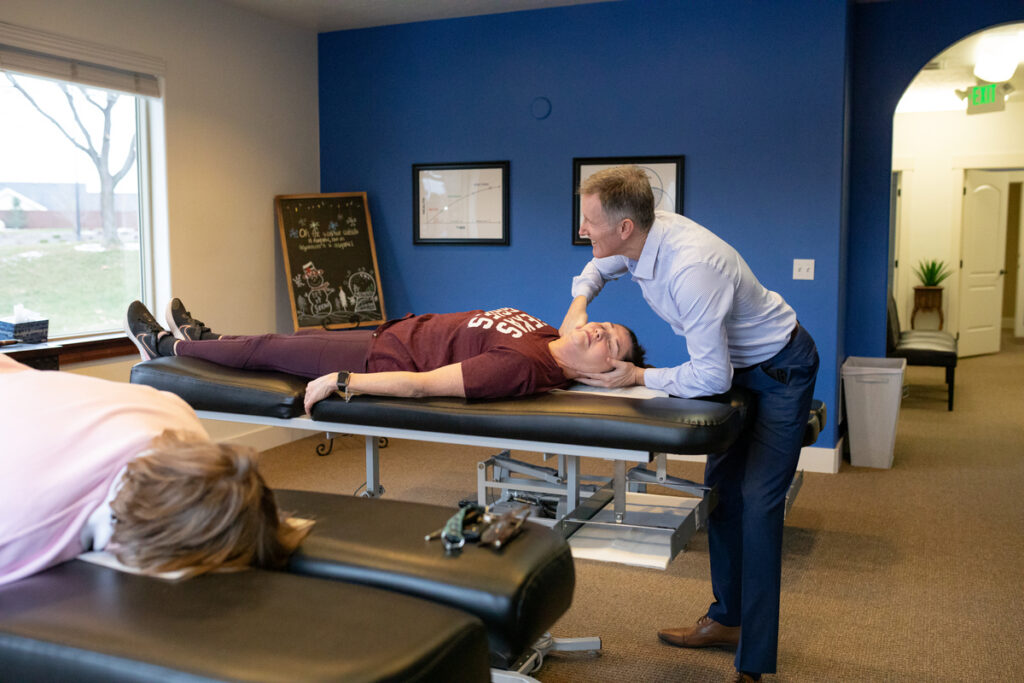

If you’ve experienced whiplash, you understand just how challenging it can be. That’s why it’s crucial to know the best techniques for recovery. The first step is getting an early diagnosis, which sets the foundation for your healing journey. However, that’s just the beginning.
Chiropractic care is one of the most effective methods for alleviating pain and restoring function after a whiplash injury. By focusing on spinal alignment and overall body balance, chiropractic adjustments can help relieve tension, reduce inflammation, and promote healing naturally—without the need for medications or invasive procedures.
In addition to chiropractic adjustments, incorporating tailored exercise regimens can significantly enhance your recovery. Gentle stretches and strengthening exercises, guided by your chiropractor, can improve mobility and support muscle recovery, allowing you to regain stability and strength.
Proper therapies, such as massage and relaxation techniques, can also complement your chiropractic care. These approaches help to reduce muscle tightness and stress, promoting a holistic healing experience.
Curious about how these methods work together for optimal recovery? Here are some essential tips you can take away:
- Stay Active: Engage in light exercises as recommended by your chiropractor to maintain flexibility and strength.
- Listen to Your Body: Pay attention to your pain levels and avoid pushing yourself too hard. Gentle movements can help you ease into recovery without exacerbating your symptoms.
- Stay Hydrated: Drinking plenty of water can help reduce inflammation and support overall health.
- Follow Up with Care: Regular chiropractic visits can ensure that you stay on track with your recovery and address any new concerns that arise.
- Practice Good Posture: Being mindful of your posture can help alleviate strain on your neck and spine, especially when sitting at a desk or using a phone.
By embracing chiropractic care and these healthy practices, you can take significant steps toward regaining your well-being and enjoying a pain-free life. Let’s work together to ensure your recovery is as smooth and effective as possible!
Understanding Whiplash Injuries
Whiplash injuries happen when your head is suddenly thrust forward and then backward, a common occurrence in car accidents. This quick motion can put strain on the muscles and ligaments in your neck, leading to discomfort. If you’ve experienced whiplash, you may notice pain, stiffness, or a limited range of motion in your neck.
It’s important to pay attention to your body, as symptoms can show up right away or take a few days to appear, which can make it hard to connect the injury to the accident. After an accident, you might also feel dizzy, have headaches, or feel unusually tired. Everyone’s experience with whiplash can be different, so listening to your body is crucial.
While whiplash is often thought of as a minor injury, it can lead to chronic pain if not taken seriously. Chiropractic care is an excellent approach to addressing whiplash injuries. A chiropractor can help realign your spine, relieving tension in your neck and promoting natural healing. This hands-on therapy focuses on restoring mobility and reducing pain without the need for medications or invasive procedures.
Here are some general tips to help you manage whiplash symptoms and promote recovery:
- Stay Active: Gentle neck stretches can improve flexibility and reduce stiffness. Just be careful not to overdo it.
- Apply Ice: In the first few days after your injury, using ice packs can help reduce swelling and numb the pain.
- Maintain Good Posture: Be mindful of your posture, especially if you spend long hours sitting. Keeping your head aligned with your spine can lessen strain on your neck.
- Hydrate: Drinking plenty of water supports overall health and can help keep your muscles hydrated.
- Seek Chiropractic Care: A chiropractor can develop a personalized treatment plan to address your specific needs and help you recover naturally.
Understanding whiplash and its effects is the first step toward recovery. By focusing on natural healing methods like chiropractic care, you can take charge of your health and work towards feeling your best again.
Importance of Early Diagnosis
Recognizing the symptoms of whiplash early is crucial for your recovery, and chiropractic care plays a vital role in this process. When you notice signs of whiplash, seeking help from a chiropractor can lead to an effective assessment and tailored treatment plan.
Early diagnosis allows us to implement natural healing techniques that can significantly enhance your recovery time and overall well-being. The sooner you reach out for chiropractic care, the better your chances of experiencing a smoother healing journey.
Remember, chiropractors focus on addressing the root causes of pain and discomfort, helping your body heal naturally without the need for medications or surgery.
Here are some general tips to help you manage whiplash symptoms while you seek chiropractic care:
- Stay Active: Gentle movements and light stretching can help keep your neck flexible and reduce stiffness.
- Apply Ice: Using an ice pack on the affected area can help reduce inflammation and alleviate pain.
- Practice Good Posture: Keeping your head aligned over your shoulders can minimize strain on your neck.
- Stay Hydrated: Drinking plenty of water supports overall health and aids in the healing process.
By prioritizing chiropractic care and these simple lifestyle adjustments, you can set yourself up for optimal recovery and long-term health.
Recognizing Symptoms Promptly
How quickly can you identify the signs of whiplash? Recognizing symptoms promptly is crucial for effective recovery and optimal health. The sooner you notice these signs, the quicker you can seek help and reduce the risk of long-term complications.
Here are four common symptoms to keep an eye on:
- Neck Pain: You might experience anything from mild discomfort to intense pain in your neck. This is often the first sign that something is wrong.
- Stiffness: If you find it hard to move your neck or notice a reduced range of motion, this could be a sign of whiplash. Gentle stretching and chiropractic adjustments can help improve mobility.
- Headaches: These often start at the base of the skull and can be persistent. Chiropractic care can address the underlying issues contributing to these headaches, offering relief without the need for medications.
- Fatigue: Feeling unusually tired can accompany whiplash injuries. This fatigue can stem from your body’s natural response to pain and injury. Prioritizing rest, hydration, and proper nutrition can support your recovery.
Recognizing these symptoms early allows you to take action sooner. Chiropractic care is an excellent option for addressing whiplash.
With natural healing methods, we can help restore your neck’s function, alleviate pain, and promote overall wellness.
Initial Assessment Techniques
When it comes to diagnosing whiplash, understanding the importance of an initial assessment is crucial. An accurate early diagnosis not only helps you grasp the extent of your injury but also guides your path to recovery. After an accident, it’s vital to seek a professional evaluation, and here’s where chiropractic care shines.
Chiropractors utilize comprehensive physical examinations to assess your condition. They’ll check your range of motion, evaluate pain levels, and look for any neurological symptoms. These assessments are key in identifying damage to your neck and surrounding tissues without the need for invasive procedures like X-rays or MRIs, which can sometimes be unnecessary.
The beauty of chiropractic care lies in its focus on natural healing. With a thorough evaluation, chiropractors can create a personalized treatment plan that may include spinal adjustments, therapeutic exercises, and lifestyle advice. This tailored approach not only addresses your immediate pain but also promotes overall wellness and helps prevent future injuries.
Remember, the initial assessment is the foundation of your healing journey. By choosing chiropractic care, you’re taking a step towards a healthier, pain-free life.
Don’t underestimate the power of these assessments—they can significantly enhance your recovery experience and lead you to optimal health. Always listen to your body, and if you feel discomfort after an accident, reach out to your local chiropractor for guidance on your path to wellness!
Impact on Recovery Time
An early diagnosis is vital for a quicker recovery from whiplash, and chiropractic care plays a significant role in this process. When you recognize the injury early on, you can start chiropractic treatment sooner, leading to better outcomes.
Here are four key benefits of early diagnosis and chiropractic care that can positively influence your recovery:
- Personalized Treatment Plans: As a chiropractor, I’ll create a treatment plan tailored to your specific needs, which can help speed up your healing process through natural methods.
- Effective Pain Management: Early chiropractic interventions can effectively manage your pain levels, helping you feel more comfortable and at ease during your recovery journey.
- Preventing Long-Term Issues: By addressing your symptoms promptly with chiropractic adjustments and therapies, you can significantly reduce the risk of developing chronic pain or complications down the road.
- Restoring Mobility: Starting chiropractic rehabilitation early allows you to regain your movement and strength more efficiently, helping you get back to your daily activities sooner.
Remember, taking action early is essential. By choosing chiropractic care, you’re opting for a natural approach to healing that can significantly shorten your recovery time and enhance your overall wellness.
If you suspect whiplash or any spinal issues, don’t hesitate to seek chiropractic care for the best path to recovery.
Role of Physical Therapy in Recovery
Chiropractic care plays a vital role in your recovery from whiplash, focusing on natural healing and overall wellness. Instead of relying on medications or surgeries, we offer personalized treatment plans that address your specific needs, helping you alleviate pain and restore function effectively.
Through gentle spinal adjustments and targeted therapies, we can enhance your body’s natural ability to heal. Our approach includes exercises designed to strengthen your neck and back, promoting better mobility and reducing discomfort.
Here are some helpful tips to support your recovery at home:
- Stay Active: Gentle stretching and light activities can keep your muscles engaged without overexerting them.
- Ice and Heat Therapy: Applying ice can help reduce inflammation, while heat can soothe tight muscles.
- Maintain Good Posture: Be mindful of your posture, especially when sitting or using your phone. This can prevent additional strain on your neck.
- Hydration and Nutrition: Drink plenty of water and eat a balanced diet rich in anti-inflammatory foods to support your healing process.
Benefits of Physical Therapy
Recovering from whiplash can be a challenging journey, and while many consider physical therapy, I want to share with you how chiropractic care can be a superior choice for promoting healing and overall wellness.
Chiropractic care focuses on natural healing, helping you restore balance and function to your body without the use of medications or invasive procedures. Here are four key benefits of choosing chiropractic care during your recovery:
- Pain Relief: Chiropractors specialize in aligning the spine and addressing any misalignments that may contribute to pain. By using gentle adjustments, we help alleviate discomfort and promote faster healing.
- Enhanced Mobility: Chiropractic adjustments improve your range of motion and flexibility. This can make daily activities easier and more enjoyable, allowing you to get back to doing what you love.
- Better Posture: A chiropractor can teach you about proper posture and body mechanics, which not only aids recovery but also helps prevent future injuries. Good posture supports your spine and overall health.
- Self-Care Education: In addition to hands-on care, chiropractors provide you with valuable tips and exercises that you can do at home. These strategies empower you to manage your symptoms and maintain wellness long after your initial recovery.
Choosing chiropractic care not only addresses your immediate needs but also sets you up for long-term health and vitality.
Remember to prioritize your spinal health and seek natural, effective solutions for your well-being.
Tailored Rehabilitation Programs
Tailored rehabilitation programs are a vital component in your recovery from whiplash, focusing on your individual needs and circumstances. As a local chiropractor, I believe in the power of personalized care to help you heal naturally. These programs are typically designed by skilled professionals who thoroughly assess your specific symptoms, mobility, and pain levels.
Through customized exercises and gentle adjustments, we aim to restore strength and flexibility in your neck and shoulders. You might engage in a combination of manual therapy, stretching, and strengthening exercises—all geared towards promoting your recovery without the need for medications or invasive procedures.
As you progress, we’ll continually adjust your program based on your improvements and feedback. This personalized approach not only helps speed up your recovery but also empowers you to take an active role in your healing journey. Consistent participation in your tailored chiropractic program is key to achieving the best results.
Here are a few tips to support your recovery:
- Stay Active: Gentle movements and stretches can help keep your muscles engaged and promote healing.
- Listen to Your Body: Pay attention to how your neck feels during exercises. If something doesn’t feel right, let your chiropractor know.
- Maintain Good Posture: Keeping a straight back and relaxed shoulders can reduce strain on your neck.
- Stay Hydrated: Drinking enough water supports overall health and can aid in recovery.
- Consider Regular Adjustments: Regular chiropractic visits can help align your spine and relieve tension, aiding your healing process.
Effective Exercise Regimens for Healing
To effectively heal from whiplash, a structured exercise regimen can greatly enhance your recovery process. Regular physical activity is essential for restoring mobility and strengthening the muscles that support your neck.
As a chiropractor, I believe in the power of natural healing through movement, and I’d like to share four effective exercises that can aid in your recovery:
- Neck Stretches: Gently tilt your head from side to side and forward. This simple motion can help ease tightness and improve your range of motion.
- Isometric Exercises: For these exercises, push your head against your hands in various directions. This technique builds strength without requiring movement, which is particularly beneficial during the healing phase.
- Shoulder Rolls: Take a moment to roll your shoulders forward and backward. This not only alleviates tension but also promotes better circulation throughout your upper body.
- Chin Tucks: Gently pull your chin back toward your neck. This exercise strengthens the deep neck muscles, which play a crucial role in supporting your spine.
As you embark on these exercises, remember to start slowly and pay attention to your body’s signals. If you feel any pain, stop the exercise and consult with a healthcare professional.
Consistency is vital; aim to integrate these exercises into your daily routine to achieve the best results.
In addition to these exercises, consider scheduling regular chiropractic adjustments. Chiropractic care focuses on the alignment of the spine and overall wellness, helping to facilitate healing and improve your quality of life.
Utilizing Heat and Cold Therapy
As a local chiropractor, I want to share how incorporating heat and cold therapy can significantly support your whiplash recovery alongside chiropractic care. Utilizing these methods can promote healing and enhance your overall well-being.
Heat therapy, such as warm compresses or heating pads, is a fantastic way to relax tight muscles and boost blood circulation. Applying heat for 15 to 20 minutes can ease pain and stiffness, allowing you to move more comfortably throughout your day. This simple practice can complement your chiropractic adjustments, helping your body heal more effectively.
Conversely, cold therapy is especially beneficial in the first few days after your injury. Ice packs can help reduce inflammation and numb sharp pain, giving you some much-needed relief. Just remember to apply cold therapy for 10 to 15 minutes at a time, using a cloth to protect your skin. This can be a great way to manage discomfort while your body responds to chiropractic treatment.
By combining these therapies with regular chiropractic care, you’re taking proactive steps toward a pain-free life. Always listen to your body and feel free to reach out for personalized advice on how to best incorporate these techniques into your recovery plan.
Your journey to optimal health is just beginning!
Exploring Chiropractic Care
Navigating the recovery process after a whiplash injury can feel overwhelming, but exploring chiropractic care offers effective, natural solutions that can help you regain your health and wellness.
As a chiropractor, my focus is on diagnosing and treating musculoskeletal issues, particularly through restoring your spine’s alignment and enhancing your mobility without the need for invasive procedures or medications.
Here are four essential aspects of chiropractic care that can support your recovery:
- Spinal Adjustments: These gentle manual manipulations are designed to relieve pressure on your nerves, reducing pain and improving your overall function. By aligning the spine, we create a healthier environment for your body to heal itself.
- Therapeutic Exercises: I often recommend specific exercises tailored to strengthen your neck and enhance flexibility. These exercises are simple and can be easily incorporated into your daily routine, helping to promote stability and prevent future injuries.
- Posture Correction: Maintaining proper posture is crucial for alleviating strain on your spine. I can provide you with tips and techniques to improve your posture at work or while engaging in daily activities, which can significantly reduce the risk of further injury.
- Holistic Approach: Chiropractic care isn’t just about treating the symptoms; it’s about fostering overall wellness. I often integrate lifestyle advice, nutritional guidance, and stress management techniques to support your recovery and enhance your quality of life.
By choosing chiropractic care, you’re opting for a natural path to pain relief and wellness.
Remember, healing takes time, but with the right support and commitment to your health, you can achieve optimal well-being.
If you have further questions or need personalized advice, feel free to reach out—I’m here to help you on your journey to recovery!
The Benefits of Massage Therapy
Massage therapy can be a helpful addition to your whiplash recovery journey, but when it comes to achieving optimal health and wellness, chiropractic care stands out as the best choice. Chiropractic adjustments work to realign the spine and restore proper function, which can significantly reduce pain and improve your overall well-being.
While massage therapy can provide temporary relief by alleviating muscle tension and reducing pain, chiropractic care goes to the root of the problem. By focusing on spinal alignment, chiropractic adjustments promote better mobility in your neck and help your body heal more effectively. You might find that chiropractic care enhances your range of motion even more than massage alone, allowing you to regain normal function and enjoy daily activities without discomfort.
In addition to physical benefits, chiropractic care can also help manage the stress and anxiety that often accompany injuries like whiplash. The holistic approach of chiropractic treatment encourages the body’s natural healing processes, which can lead to an enhanced sense of well-being.
Furthermore, many patients report improved sleep quality after receiving chiropractic adjustments—a vital component of the healing process.
As you embark on your recovery, it’s essential to communicate openly with your chiropractor about your specific symptoms. This way, they can customize your treatment plan to best suit your needs.
Remember, incorporating regular chiropractic care into your recovery can provide significant relief and support as you work toward regaining full mobility and comfort.
For optimal results, consider combining chiropractic care with daily practices such as gentle stretching, good posture, and staying hydrated. These simple lifestyle changes can further support your recovery and help you maintain a healthy spine long-term.
Always prioritize your health and wellness by choosing natural solutions like chiropractic care for lasting pain relief and overall wellness.
Alternative Treatments: Acupuncture and Beyond
When it comes to finding relief from whiplash, many individuals may be tempted to explore various treatment options. However, chiropractic care stands out as one of the best choices for managing pain and promoting healing naturally. As a chiropractor, I want to share some insights about how chiropractic care can help you recover from whiplash effectively.
- Chiropractic Adjustments: Through gentle spinal adjustments, chiropractors can realign your spine, which helps relieve pressure on nerves and reduces pain in your neck and back. This not only alleviates discomfort but also promotes proper healing.
- Personalized Treatment Plans: Every patient is unique, and as a chiropractor, I develop tailored treatment plans that include specific exercises and stretches designed to strengthen your neck muscles. This can improve your range of motion and reduce any lingering discomfort.
- Holistic Approach: Chiropractic care focuses on the whole body. By addressing not just the symptoms of whiplash but also the underlying causes, chiropractic helps restore balance and function, which is essential for your overall well-being.
- Natural Pain Relief: Unlike medications that mask pain, chiropractic care addresses the root cause of your discomfort. Many patients report significant pain relief and improved function after just a few visits.
In addition to chiropractic treatments, here are some general tips to support your recovery:
- Stay Active: Gentle movement can help keep your neck flexible. Simple neck stretches can be beneficial.
- Apply Heat or Ice: Depending on what feels best, alternating between heat and ice packs can help reduce inflammation and soothe sore muscles.
- Practice Good Posture: Maintaining proper posture, especially while sitting at a desk or using a phone, can prevent further strain on your neck.
- Stay Hydrated: Drinking plenty of water aids in healing and keeps your muscles functioning optimally.
Lifestyle Modifications for Prevention
To prevent whiplash and maintain a healthy spine, consider incorporating some simple lifestyle changes into your daily routine.
As a local chiropractor, I can tell you that setting up an ergonomic workstation is crucial. This means ensuring your chair, desk, and computer are positioned to support your body properly, which can help prevent strain on your neck and back.
Additionally, regular stretching exercises are essential for keeping your muscles flexible and strong. Simple stretches throughout the day can alleviate tension and promote better posture, reducing your risk of injury.
Don’t forget about safe driving practices! Keeping a proper distance from other vehicles and maintaining a relaxed grip on the steering wheel can help minimize the impact of sudden stops or collisions.
By making these adjustments, you not only protect yourself from whiplash but also enhance your overall well-being.
Remember, chiropractic care is an excellent choice for pain relief and achieving optimal health. Regular visits to your chiropractor can help ensure your spine remains aligned and healthy, supporting your journey toward a pain-free lifestyle.
Stay proactive about your health, and embrace these tips for a better you!
Ergonomic Workstation Setup
Creating an ergonomic workspace is crucial for maintaining your overall health and well-being, especially if you’re looking to recover from discomfort like whiplash.
As a chiropractor, I want to share some easy tips to help you set up an environment that supports your spine and promotes natural healing. Here are some straightforward adjustments you can make to optimize your workstation:
- Chair Height: Start by adjusting your chair so that your feet rest flat on the floor. Your knees should be at a 90-degree angle. This position helps distribute your weight evenly and supports your lower back.
- Monitor Position: Place your monitor at eye level and about an arm’s length away. Keeping your screen at this height helps minimize neck strain, allowing your spine to stay in a more natural alignment.
- Keyboard and Mouse: Position your keyboard and mouse at elbow height. This way, your wrists remain straight while typing, reducing the risk of strain and promoting better posture.
- Lumbar Support: A chair with good lower back support is essential for maintaining the natural curve of your spine. If your chair lacks this support, consider adding a cushion to provide the extra help your back needs.
By following these simple tips, you’ll create a workspace that not only feels more comfortable but also supports your journey toward optimal health.
Remember, chiropractic care is a fantastic way to enhance your recovery and maintain wellness. Regular adjustments can help ensure your spine stays aligned, reducing discomfort and promoting a healthier lifestyle.
Take care of your body, and it will take care of you!
Regular Stretching Exercises
Creating an ergonomic workspace is a great first step toward a healthier lifestyle, but it’s essential to pair that with regular stretching exercises for optimal health. Stretching is a natural way to improve flexibility, relieve tension, and prevent injuries, especially if you’ve experienced whiplash.
As a chiropractor, I encourage you to make stretching a part of your daily routine. Focus on areas like your neck, shoulders, and upper back, which often bear the brunt of daily stress. Simple movements such as gentle neck rolls, shoulder shrugs, and side bends can greatly enhance your overall well-being.
To help you remember to stretch, consider setting reminders to take short breaks every hour, particularly if you spend long periods sitting. These stretches not only ease discomfort but also promote better circulation, which is vital for recovery and maintaining a healthy spine.
By prioritizing these regular stretching exercises, you’re not just relieving tension; you’re actively supporting your body’s healing process and preventing future strain.
This proactive approach, combined with chiropractic care, is the key to achieving lasting health and wellness. Make stretching a daily habit, and your body will truly appreciate the effort!
Safe Driving Practices
As a local chiropractor, I understand that many whiplash injuries can result from car accidents, and it’s crucial to adopt safe driving practices to help prevent them.
By taking proactive steps while driving, we can significantly reduce the risk of injury and promote overall wellness. Here are four essential practices to keep in mind:
- Always wear your seatbelt: This is your best protection in a collision and helps prevent serious injuries, including whiplash.
- Maintain a safe following distance: Keeping a safe distance from the car in front of you allows you more time to react to sudden stops, reducing the likelihood of an accident.
- Avoid distractions: Staying focused on the road is vital. Make sure to put away your phone and any other distractions so you can concentrate fully on driving.
- Adjust your headrest: Position your headrest at the correct height to provide support for your head and neck. This can help minimize the risk of injury during an impact.
Incorporating these habits into your daily driving routine can help protect you and others on the road, contributing to a safer driving environment for everyone.
Remember, maintaining a healthy spine and overall well-being is essential, and safe driving is a key part of that.
If you ever experience discomfort or pain after an accident, consider seeking chiropractic care as a natural and effective way to promote healing and restore your body’s balance.
Monitoring Progress and Adjusting Treatment
How can you effectively monitor your recovery from whiplash and make necessary adjustments to your treatment? One of the best ways to start is by keeping a daily journal of your symptoms and progress. Write down your pain levels, stiffness, and any changes in your mobility. This simple habit can help you spot patterns and triggers, which is invaluable for guiding your treatment decisions.
Regular communication with your chiropractor is essential. Share your observations and discuss what’s working and what isn’t. Your chiropractor can suggest modifications to your treatment plan based on your feedback, whether it’s adjusting specific exercises, incorporating new chiropractic techniques, or focusing on particular areas of your spine.
Incorporate self-assessments into your routine. Take a moment each week to check your range of motion and strength. Tracking these improvements helps you stay engaged in your recovery. If you notice stagnation or setbacks, reach out to your chiropractor for professional guidance.
Lastly, be flexible in your approach. Recovery from whiplash isn’t always a straight line, and it’s important to adapt your methods as needed. Embrace the process and remember that chiropractic care is designed to support your body’s natural healing abilities.
Conclusion
Recovering from whiplash is all about taking a proactive approach, and I’m here to guide you through it! The first step is to get an early diagnosis, which allows us to tailor a treatment plan specifically for your needs. Chiropractic care is a fantastic option for addressing whiplash, as it focuses on aligning the spine and relieving pain naturally.
Incorporating effective exercise regimens is crucial. Gentle stretches and strengthening exercises can help restore mobility and prevent stiffness. Heat and cold therapy can also work wonders—ice can reduce swelling, while heat can help relax tight muscles. If you’re open to it, massage therapy and acupuncture are great complementary treatments that can enhance your recovery.
Lifestyle modifications play a significant role in your healing journey. Focus on ergonomics, especially if you spend long hours at a desk, and try to incorporate regular breaks to avoid strain. Staying active, maintaining a healthy diet, and managing stress can also support your recovery and overall well-being.
It’s essential to monitor your progress closely. By staying committed to your chiropractic care and making necessary adjustments along the way, you’ll be on your path to a full recovery in no time. Remember, chiropractic care not only helps alleviate pain but also promotes natural healing and optimal health. Let’s work together towards a pain-free life!