
If you're struggling with ongoing back pain, it's common to feel frustrated after trying numerous remedies that seem ineffective. As a chiropractor, I want to emphasize that finding true relief often requires a comprehensive approach that combines stretching, strengthening exercises, and thoughtful lifestyle changes. Simple yet powerful techniques, such as the Cat-Cow stretch and core-building exercises like planks, can significantly improve your condition.
However, it's crucial not to overlook the importance of posture and ergonomics. Many patients don't realize how much these factors can impact their pain levels and overall well-being. By focusing on these aspects, you may uncover solutions that transform your experience with back pain. Have you considered how your daily habits might be contributing to your discomfort? Let's explore together how chiropractic care and natural healing can provide a more holistic approach to your back pain management.
Understanding Back Pain
As a local chiropractor, I want to share some insights about back pain that can help you better understand and manage it. Back pain can disrupt your daily life at any moment, and it's crucial to grasp its nature for effective management. You may encounter various types of back pain, such as acute pain that appears suddenly or chronic pain that lingers for weeks or months. Recognizing these differences is important for determining when it may be time to seek professional help.
Your back is a complex system made up of bones, muscles, ligaments, and nerves. When any of these components experience strain, injury, or inflammation, discomfort can arise. Common culprits of back pain include poor posture, heavy lifting, and a sedentary lifestyle. It's essential to listen to your body's signals. If you experience pain after certain activities, it may be a sign that you need to adjust your habits or seek guidance.
Moreover, I want to emphasize that your mental and emotional well-being can significantly influence your experience of pain. Stress and anxiety can heighten your sensitivity to discomfort, making it feel more intense than it may actually be. By acknowledging this connection, you can take steps to address both the physical and psychological aspects of your back pain.
Ultimately, understanding back pain means recognizing its origins and how it affects your daily life. By being aware of what triggers your discomfort, you can take proactive measures to minimize its impact. This knowledge empowers you to make informed choices about your health and well-being, and as your chiropractor, I'm here to support you on this journey toward natural healing and improved quality of life.
Effective Stretching Techniques
As a local chiropractor, I want to share the importance of stretching in managing back pain and improving your overall mobility. Many people may not realize that incorporating effective stretching techniques can significantly alleviate tightness in your muscles, enhance flexibility, and promote better posture.
Let's start with a fundamental stretch called the Cat-Cow. To perform this, position yourself on your hands and knees, ensuring your wrists are aligned under your shoulders and your knees under your hips. Inhale deeply as you arch your back, allowing your belly to drop while lifting your head (this is the Cow position). Then, exhale and round your spine, tucking your chin to your chest (the Cat position). Repeat this sequence several times, paying close attention to your breathing. This stretch can help mobilize your spine and relieve tension.
Next, I recommend trying the Child's Pose. Kneel on the floor, then gently sit back on your heels and stretch your arms forward on the ground. Hold this position for about 20-30 seconds, allowing the gentle stretch to ease discomfort along your back. This pose is fantastic for relaxation and releasing built-up tension.
Another beneficial stretch is the Seated Forward Bend. Sit with your legs extended in front of you and slowly reach toward your toes. Don't feel pressured to touch them; instead, stretch to a point that feels comfortable. This stretch effectively targets your hamstrings and lower back, promoting flexibility.
Finally, let's include the Piriformis stretch. Lie on your back and cross one leg over the other knee. Gently pull the uncrossed leg toward you and hold for 20-30 seconds before switching sides. Regular practice of these stretches can help reduce back pain and improve your overall mobility.
Strengthening Exercises for Relief
As a local chiropractor, I want to emphasize the importance of incorporating strengthening exercises into your daily routine, especially if you're dealing with back pain or looking to prevent future issues.
These exercises are designed to target the muscles that support your spine, enhancing stability and reducing strain on your back. When your core muscles are strong, they help maintain proper alignment and evenly distribute weight, which can significantly alleviate pressure on your back.
To begin, I recommend focusing on exercises that engage your core, such as planks and bridges. For planks, lie face down and lift your body off the ground, balancing on your forearms and toes. Keep your body in a straight line for as long as you can, starting with 20-30 seconds.
Bridges are excellent for strengthening your glutes and lower back. Lie on your back with your knees bent and feet flat on the floor. Press through your heels to lift your hips toward the ceiling, squeezing your glutes at the top. Hold this position for a few seconds before lowering back down.
Additionally, consider adding bird-dogs to your routine. In this exercise, balance on your hands and knees while simultaneously extending one arm and the opposite leg. This movement not only strengthens your core but also enhances coordination and stability. Aim to perform these exercises two to three times a week, gradually increasing repetitions as you become stronger.
Always listen to your body; if you experience pain, please stop and consult with a professional. By committing to these strengthening exercises, you may notice a significant improvement in your back pain over time.
Importance of Posture
As a local chiropractor, I want to emphasize the critical role that maintaining good posture plays in your spinal health and overall well-being. Many people may not realize how much their posture affects their experience with back pain. When you sit, stand, or move with the right alignment, you significantly reduce unnecessary strain on your muscles and ligaments. This proper alignment helps distribute your body weight evenly, which is essential for preventing excessive pressure on specific areas of your spine.
Poor posture can often lead to muscle fatigue and discomfort. For instance, slouching or leaning forward can put extra stress on your back, exacerbating pain and creating a cycle of tension that can be hard to break. By becoming more aware of your posture, you can greatly improve your comfort throughout the day.
To maintain good posture, it's important to remember a few key points: keep your shoulders back and your spine straight. When sitting, ensure your feet are flat on the ground and your knees are at a right angle. If you work at a desk, consider investing in ergonomic furniture that supports proper posture.
Standing tall with your weight evenly distributed can also make a significant difference, as it encourages proper alignment and reduces strain on your back.
I encourage you to check in with your posture regularly, especially when you find yourself absorbed in tasks or screens. Small adjustments can lead to remarkable improvements in how you feel. By prioritizing good posture, you not only help alleviate back pain but also enhance your overall health.
Lifestyle Changes for Prevention
As a local chiropractor, I want to emphasize that preventing back pain goes beyond just maintaining proper posture; it involves making intentional lifestyle changes that can significantly enhance your spinal health. Your daily habits play a crucial role in how your back feels, so let's explore some simple yet effective practices you can adopt to support your spine.
Firstly, incorporating regular physical activity into your daily routine is vital. Aim for at least 30 minutes of moderate exercise on most days. Activities like walking, swimming, or cycling can help strengthen your back and core muscles, which are essential for providing adequate support to your spine.
Another important factor is your weight. Keeping a healthy weight is key to minimizing stress on your back, thereby reducing the risk of pain. If you find yourself carrying extra pounds, consider adopting a balanced diet that's rich in fruits, vegetables, whole grains, and lean proteins. This approach can help you shed those extra inches and promote overall wellness.
Don't forget about hydration—drinking plenty of water is crucial for keeping your spinal discs hydrated and functioning optimally.
Let's also talk about sleep. Poor sleep can significantly exacerbate back pain, so it's important to evaluate your sleep habits. Investing in a supportive mattress and pillows that help align your spine can make a world of difference.
Additionally, establishing a regular sleep schedule can ensure you get the restorative rest your body needs.
Lastly, if you find yourself sitting or standing for long periods, remember to take breaks. Whether you're working at a desk or tackling household chores, make it a point to pause every 30 minutes to stretch or move around.
These small adjustments in your daily lifestyle can greatly reduce your chances of developing back pain, keeping you active and healthy.
Alternative Therapies to Consider
As a local chiropractor, I want to share some valuable insights on alternative therapies that can effectively complement traditional treatments for back pain relief. Many of my patients have found significant improvement through various methods, and I believe understanding these options can empower you in your journey towards wellness.
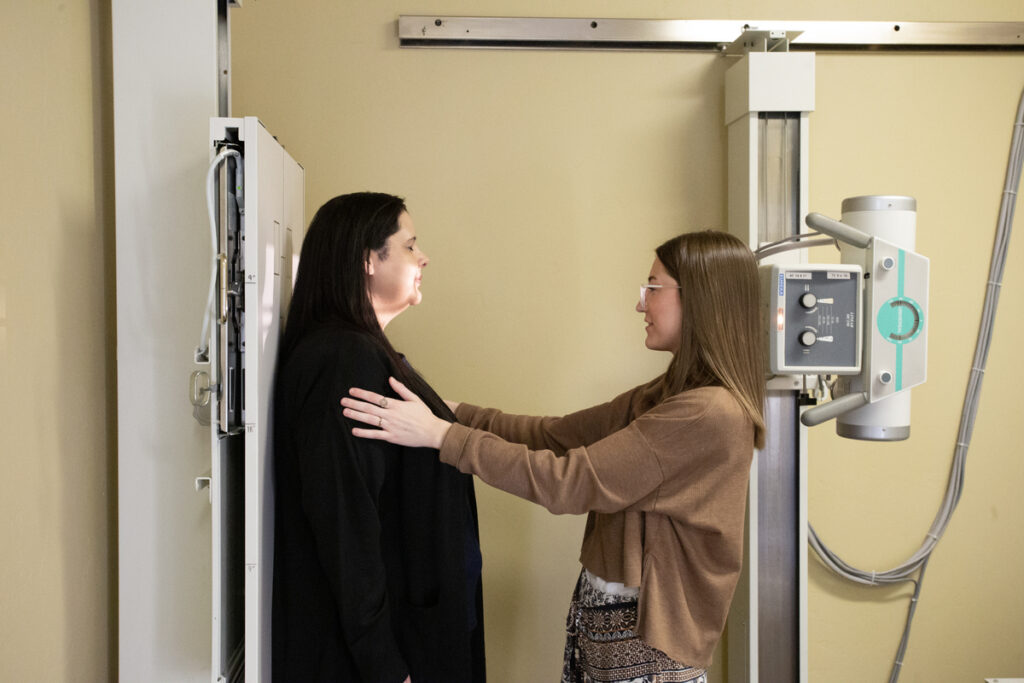
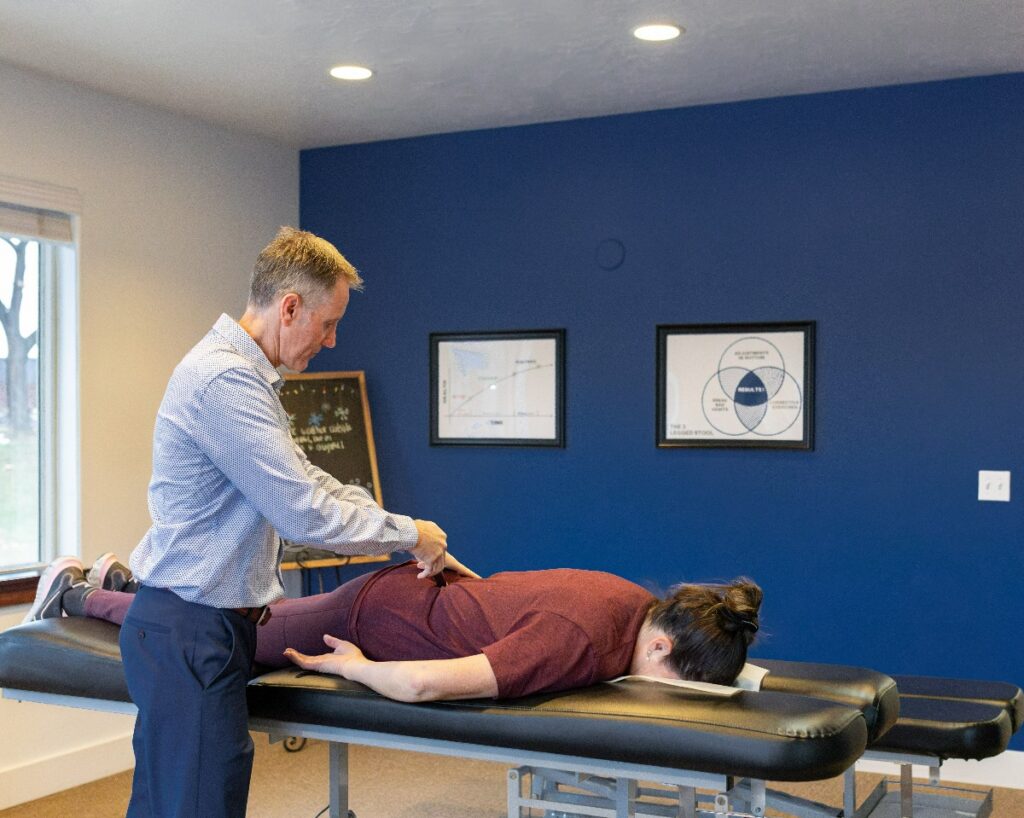
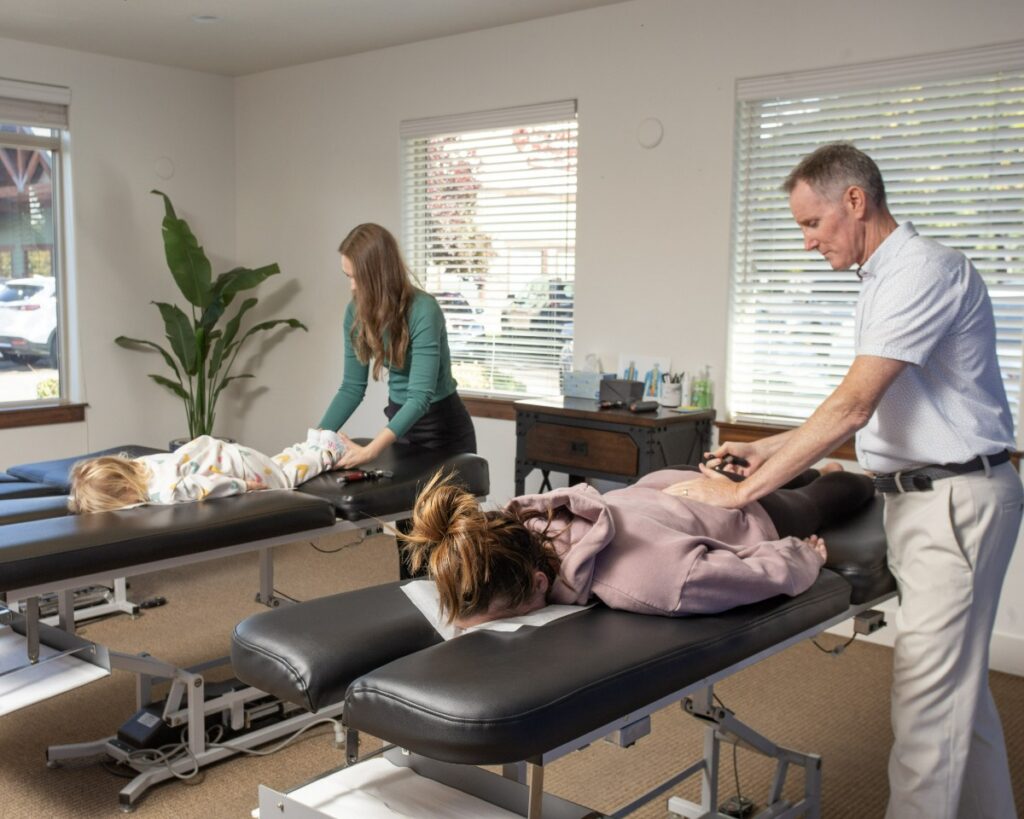
One of the most effective therapies is chiropractic care. This approach focuses on aligning your spine and improving your posture, which can alleviate pressure on nerves and muscles. Regular adjustments not only relieve pain but can also lead to long-term benefits for your overall health. It's a natural and holistic way to support your body's healing process.
Acupuncture is another therapy worth considering. This ancient technique involves inserting thin needles into specific points on the body to release tension and enhance blood circulation. Many patients report feeling relaxed and experiencing reduced pain after sessions, making it a complementary option alongside chiropractic care.
Massage therapy is also beneficial. By targeting muscles and soft tissues through various techniques, such as deep tissue or trigger point therapy, massage promotes relaxation and helps reduce pain. This hands-on approach can be tailored to your individual needs, providing a personalized experience that addresses your specific discomfort.
Additionally, incorporating practices like yoga and Pilates can greatly enhance your flexibility and strength. These disciplines focus on core stability and proper body mechanics, which are crucial for alleviating strain on your back. They also foster mindfulness, helping you manage stress—an often overlooked contributor to pain.
Lastly, I encourage you to explore herbal remedies and supplements, such as turmeric or ginger, known for their anti-inflammatory properties. However, it's essential to consult with a healthcare professional before starting any new supplement to ensure it's safe and suitable for your individual health needs.
Conclusion
As a local chiropractor, I want to share some proven techniques that can significantly relieve your back pain and enhance your overall well-being. It's important to first understand the nature of your pain. By doing this, you can begin to incorporate effective stretches and exercises that focus on strengthening your core muscles, which play a vital role in supporting your spine.
Maintaining good posture is another essential aspect of spinal health that I encourage all my patients to prioritize. Making small lifestyle changes can also have a big impact on your comfort and mobility. Additionally, if you're looking for extra support, I recommend exploring alternative therapies that can complement your healing journey.
Remember, consistency is crucial. By staying committed to these practices and integrating them into your daily routine, you can take charge of your spinal health and work towards achieving a pain-free back. I'm here to guide you every step of the way on this path to natural healing.