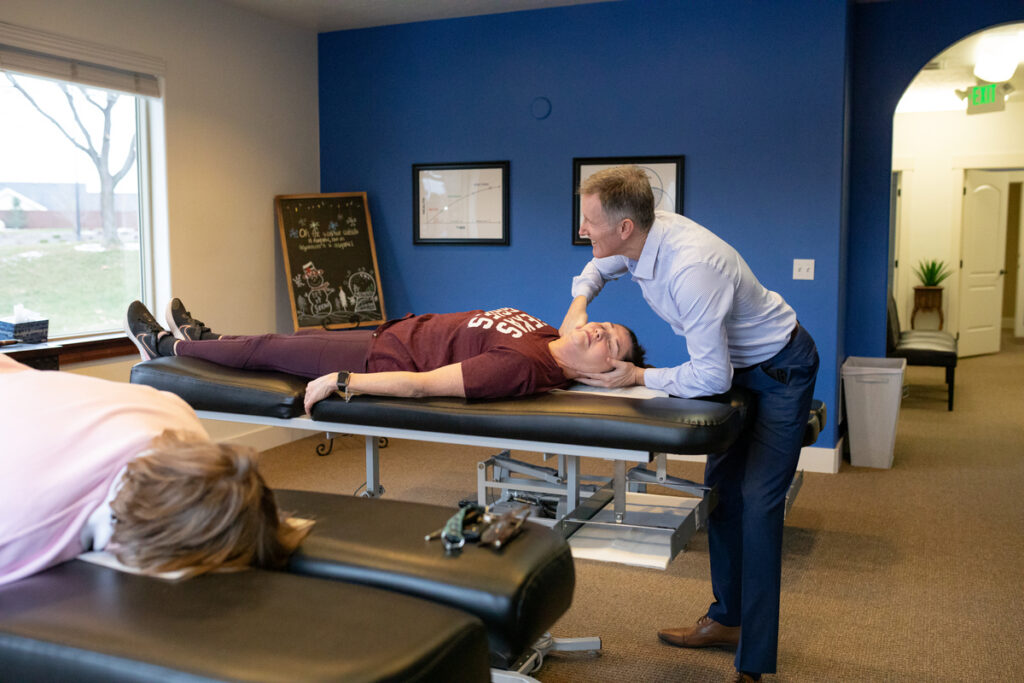

Are you dealing with ongoing back pain? You're definitely not alone, and I'm here to share some proven techniques that can provide you with lasting relief. As a local chiropractor, I want to emphasize the importance of understanding how chiropractic care, along with simple lifestyle changes and targeted exercises, can significantly support your back and promote healing.
Incorporating alternative therapies and mindful practices is also crucial in effectively managing pain. Many patients are surprised to learn how these elements can work harmoniously to enhance your overall back health. The key is to start with the right approach and recognize what truly makes a difference in your journey to recovery.
Let's delve into the most effective strategies together, so you can reclaim your comfort and mobility. Whether it's through spinal adjustments, strengthening exercises, or lifestyle modifications, I'm here to guide you on the path to a pain-free life.
Understanding Back Pain
As a local chiropractor, I want to shed some light on the common issue of back pain, which affects countless individuals every day. Understanding what causes this discomfort is essential for finding natural relief and promoting overall wellness. Back pain can stem from various sources, such as muscle strains, herniated discs, or conditions like spinal stenosis. Pinpointing the underlying cause of your pain is crucial for effective treatment and recovery.
Muscle strains are often a result of improper lifting techniques or sudden movements. If you lead a sedentary lifestyle, your muscles may weaken over time, increasing the likelihood of injury. Additionally, poor posture—whether you're sitting at your desk or standing—can significantly contribute to back pain.
I encourage you to reflect on your daily habits, as they may be placing undue stress on your back.
Chronic back pain can also arise from conditions such as arthritis or osteoporosis, which frequently develop with age and can cause inflammation or reduced bone density. It's important to pay attention to any accompanying symptoms, as they may signal a more serious issue that requires further evaluation.
Injuries resulting from accidents or falls can lead to immediate pain, whereas repetitive stress injuries might accumulate gradually. If you have experienced a recent trauma, I recommend consulting a healthcare professional, like myself, to assess any potential injuries and explore natural healing options.
At our chiropractic practice, we focus on understanding the root causes of your back pain and providing holistic treatments to promote healing without relying solely on medication.
Together, we can work towards restoring your comfort and enhancing your quality of life.
Lifestyle Modifications
As your local chiropractor, I want to share some important lifestyle modifications that can help you effectively manage back pain. One of the first steps you can take is to create an ergonomic workspace. This means arranging your desk and chair to support your spine properly, which can make a significant difference in your daily comfort.
Additionally, incorporating a regular exercise routine into your life is crucial. Movement strengthens your muscles, improves flexibility, and keeps your spine healthy. It doesn't have to be intense; even gentle activities like walking or yoga can be beneficial.
Maintaining a healthy weight is another key factor. Excess weight can put additional strain on your back, so focusing on a balanced diet and regular physical activity can help you achieve and sustain a healthy weight.
By embracing these lifestyle changes, you're taking proactive steps toward not just alleviating your back pain, but also enhancing your overall well-being.
Ergonomic Workspace Setup
As a local chiropractor, I want to emphasize the importance of creating an ergonomic workspace to help reduce the discomfort and pain often associated with prolonged sitting.
It's essential to start with your chair; adjust it so that it provides proper support for your lower back. Ideally, your feet should rest flat on the floor or on a footrest, with your knees bent at a 90-degree angle. This position helps maintain the natural curvature of your spine.
Next, let's talk about your desk height. It should be set so that your elbows remain at a right angle while typing. Your wrists should hover comfortably above the keyboard to prevent unnecessary strain.
If you use a monitor, it's vital that it's positioned at eye level. This alignment helps avoid tilting your head, which can contribute to neck and back discomfort.
I also recommend investing in an ergonomic chair designed to promote good posture. Pay attention to your mouse placement as well; keeping it close to your keyboard can prevent reaching, which often leads to shoulder tension.
Moreover, try to keep frequently used items within arm's reach. This minimizes unnecessary twisting or bending, which can strain your back and neck.
By making these simple adjustments, you can create a workspace that not only enhances your comfort but also supports your spinal health. This, in turn, can make your daily tasks much more enjoyable and help you feel better overall.
Regular Exercise Routine
As a local chiropractor, I want to emphasize the importance of incorporating a regular exercise routine to complement your ergonomic workspace. Engaging in consistent physical activity can significantly enhance your overall health and help alleviate back pain. Exercise plays a vital role in strengthening the muscles that support your spine, improving flexibility, and preventing stiffness—all of which are crucial for maintaining a healthy back.
I recommend starting with low-impact activities such as walking or swimming. These exercises are gentle on your back while still providing substantial benefits. As you progress, consider adding core-strengthening exercises like planks or bridges. These movements are essential for stabilizing your spine and can provide much-needed relief from discomfort.
In addition to strengthening your muscles, it's crucial to include stretching in your routine. Stretching enhances your flexibility and helps alleviate tension in your back muscles. Practices like yoga or Pilates can be particularly beneficial, as they focus on alignment, balance, and core strength.
Consistency is the foundation of an effective exercise regimen. I encourage you to aim for at least 150 minutes of moderate aerobic activity each week, along with two days dedicated to strength training.
It's important to listen to your body; if you experience pain during any exercise, take a step back and modify it or choose an alternative that feels better for you.
Healthy Weight Management
As a local chiropractor, I want to emphasize the importance of maintaining a healthy weight for managing back pain and promoting your overall well-being. Carrying excess weight can place additional stress on your spine and surrounding muscles, which can lead to injuries and chronic pain. By working towards a healthier weight, you can significantly reduce the pressure on your back and improve your quality of life.
First, I encourage you to assess your current weight and establish realistic goals for yourself. A balanced diet is key—focus on incorporating plenty of fruits, vegetables, lean proteins, and whole grains into your meals. It's also important to steer clear of processed foods that are high in sugar and unhealthy fats. Not only will this help you lose weight, but it will also supply your body with the essential nutrients it needs to function optimally.
In addition to dietary changes, regular physical activity is crucial. Aim for at least 150 minutes of moderate aerobic exercise each week, and consider adding strength training to build muscle. Strengthening your core is particularly beneficial for your back, as it provides better support and stability, which can help alleviate pain.
As your chiropractor, I'm here to guide you on this journey towards a healthier lifestyle and support your efforts to manage back pain naturally. Together, we can work on a comprehensive plan that includes proper nutrition, exercise, and chiropractic care, all aimed at enhancing your overall health and well-being.
Targeted Exercises
As a chiropractor, I often see patients struggling with back pain and limited mobility, and I want to share how targeted exercises can make a significant difference in your recovery and overall well-being. By concentrating on specific muscle groups, you can effectively strengthen your back, core, and surrounding areas, which not only alleviates pain but also helps prevent future injuries.
It's essential to select exercises that are appropriate for your individual fitness level and specifically address your pain points.
I recommend starting with gentle stretches to enhance flexibility. One of my favorites is the cat-cow stretch, which promotes spinal movement and helps relieve tension in your back. Incorporating hamstring stretches can also be beneficial, as they relieve pressure on your lower back.
As you become more comfortable, you can progress to strengthening exercises like bridges, planks, and bird-dogs. These exercises engage your core and promote stability, which is crucial for supporting your spine.
Remember, consistency is vital. Aim to incorporate these exercises into your routine several times a week. Pay attention to your body—if you experience any pain during an exercise, it's important to stop and evaluate your form or try a modified version.
As your strength improves, you can gradually increase the intensity and duration of your workouts.
In addition to dedicated exercise, it's important to incorporate movement into your daily routine. Simple activities like walking or making a point to stand up regularly can significantly enhance your back health.
It's not just about isolated exercises; maintaining good posture and staying active throughout the day is equally important.
If you're uncertain about where to start or how to safely perform these exercises, I encourage you to consult with a chiropractor. We can create a personalized program tailored to your specific needs, ensuring you're performing the right exercises safely and effectively.
With commitment and the right approach, you can experience lasting relief from back pain through targeted exercises and natural healing methods.
Alternative Therapies
As a local chiropractor, I want to share some valuable insights about alternative therapies that can complement your journey toward relief from back pain. Many of my patients have found that integrating these natural approaches into their routine not only alleviates discomfort but also enhances their overall well-being.
One of the most effective alternative therapies I offer is chiropractic care. Through spinal manipulation, I help realign the spine, relieving pressure on nerves and reducing pain. Many patients experience significant improvement in their back pain after a series of adjustments, which can lead to a better quality of life without the need for medications.
In addition to chiropractic adjustments, I encourage exploring acupuncture as a complementary therapy. This ancient practice involves inserting thin needles into specific points on the body to stimulate energy flow and alleviate pain. Research indicates that acupuncture can be particularly effective for chronic back pain, providing a drug-free avenue for relief.
Another valuable option is massage therapy. By targeting tense muscles and promoting relaxation, massage can effectively reduce back pain and improve flexibility. Regular massage sessions can't only help relieve existing discomfort but also support muscle health and help prevent future pain.
I also recommend considering holistic practices such as yoga and meditation. These approaches can significantly enhance your mind-body connection. Through gentle stretching and mindfulness, you can reduce stress and tension that often contribute to back pain. Incorporating yoga into your routine can increase your strength and flexibility, further supporting your back health.
Lastly, some patients inquire about herbal remedies like turmeric or willow bark, which may provide anti-inflammatory benefits. However, I always advise consulting with a healthcare provider before trying new supplements or therapies to ensure they're safe and effective for your individual needs.
Pain Management Techniques
As a local chiropractor, I want to share some effective techniques for managing back pain that you may not be familiar with.
First, incorporating mindfulness and relaxation practices can be incredibly beneficial for easing both your mind and body. These techniques help reduce stress and tension, which can often exacerbate pain.
In addition, physical therapy exercises are a key component of strengthening your body and supporting your spine. These exercises are tailored to your individual needs and can enhance your overall mobility and function.
Furthermore, exploring natural options such as specific medications and supplements might provide the relief you're looking for. It's important to consider these alternatives as part of a comprehensive approach to pain management.
Mindfulness and Relaxation Techniques
As a local chiropractor, I want to share some powerful tools that can help you manage back pain effectively through mindfulness and relaxation techniques. These methods focus on calming your mind and directing your attention, which can significantly reduce the stress and tension often associated with pain.
One of the first techniques I recommend is deep breathing exercises. Begin by inhaling slowly through your nose, allowing your belly to expand fully, and then exhaling gently through your mouth. This simple practice not only helps lower your heart rate but also promotes a sense of calm, which can be very beneficial for your overall well-being.
Another effective method is progressive muscle relaxation. This technique involves tensing and then relaxing different muscle groups throughout your body, starting from your toes and gradually moving upward. By consciously releasing tension in this way, many of my patients have experienced a noticeable reduction in discomfort.
Incorporating mindfulness into your daily routine is also advantageous. Aim to stay present in the moment and observe your thoughts and feelings without judgment. This kind of awareness can help you detach from pain and alleviate anxiety, which often exacerbates discomfort.
Don't overlook the benefits of meditation either. Even dedicating just a few minutes each day to this practice can enhance your ability to cope with back pain. There are many apps and guided sessions available that can help you get started, making it easier to weave this practice into your life.
Physical Therapy Exercises
As your local chiropractor, I want to share how integrating physical therapy exercises into your routine can significantly aid in managing back pain. These exercises are designed to strengthen your core, enhance flexibility, and promote better posture, all of which are essential for alleviating pain and preventing future issues.
Begin with gentle stretches, such as the cat-cow stretch or child's pose, to improve flexibility and release any built-up tension in your muscles.
Once you feel comfortable, gradually introduce core-strengthening exercises like pelvic tilts and bridges. These movements are crucial for supporting your spine and minimizing strain.
Additionally, don't overlook the importance of your hips and legs; including lunges and squats will enhance your overall stability and support.
It's vital to listen to your body during this process. If you experience any pain while performing a movement, please stop immediately and either adjust your technique or skip that exercise altogether.
Consistency is key—aim to practice these exercises several times a week for the best results.
As you progress, I encourage you to consider scheduling a session with me. Together, we can create a personalized program tailored to your specific needs and ensure you're maintaining proper form throughout your journey to better health.
Medication and Supplements Options
As a local chiropractor, I want to help you understand how medication and supplements can play a role in your journey toward relieving back pain, alongside the benefits of chiropractic care. Many people start with over-the-counter pain relievers, such as ibuprofen or acetaminophen, which can help reduce inflammation and ease discomfort. These medications can be beneficial for making everyday activities more manageable.
However, if these options don't provide enough relief, it's essential to collaborate with a healthcare professional. Sometimes, stronger medications like muscle relaxants or opioids might be prescribed. It's crucial to follow your doctor's guidance with these medications due to their possible side effects and risks.
In addition to medication, various natural supplements can support your back health. For instance, omega-3 fatty acids, which are found in fish oil, have well-documented anti-inflammatory effects. Supplements like glucosamine and chondroitin sulfate may also support joint health, benefiting your back. Before starting any new supplements, I recommend discussing them with your healthcare provider to ensure they won't interfere with any medications you may be taking.
Topical treatments, such as creams or patches containing capsaicin or menthol, can provide targeted relief for back pain without the systemic effects associated with oral medications.
At our clinic, we believe that finding the right combination of treatments—whether that includes chiropractic adjustments, natural supplements, or medications—is a personal journey. We encourage you to work closely with us and your healthcare provider to develop an effective pain management plan tailored to your needs.
Embracing a holistic approach can help you achieve better overall health and wellness.
When to Seek Help
As a local chiropractor, I want to emphasize the importance of recognizing when to seek help for back pain to prevent further injury and complications. If you're experiencing discomfort that lasts longer than a few weeks, it's crucial to consult with a healthcare professional who specializes in natural healing, like myself. Chronic pain often points to underlying issues that need to be addressed, so don't brush off persistent discomfort.
One key sign that you should seek assistance is if your pain radiates down your legs or if you experience numbness or weakness in your limbs. These symptoms could indicate nerve compression or other serious conditions that require attention. If your back pain is making it hard for you to stand, walk, or carry out your daily activities, please reach out for help right away.
It's also important to monitor any changes in your bowel or bladder function, such as incontinence or difficulty urinating. These symptoms can be serious and may point to a condition called cauda equina syndrome, which necessitates urgent medical evaluation.
Furthermore, if your back pain follows an injury or fall, it's wise to get checked out to rule out fractures or other injuries.
Lastly, if you're experiencing back pain alongside unexplained weight loss, fever, or persistent fatigue, don't hesitate to contact me or your doctor. These signs may indicate an underlying infection or other health concerns that need prompt attention.
Conclusion
As a local chiropractor, I want to share some proven techniques that can help you achieve lasting relief from back pain. Incorporating these strategies into your daily routine can make a significant difference in your overall back health.
Firstly, consider making some lifestyle modifications—small changes can lead to big improvements. Engaging in targeted exercises specifically designed to strengthen your back and core can also be incredibly beneficial. These exercises not only alleviate pain but also help prevent future issues.
I encourage you to explore alternative therapies, such as chiropractic adjustments, which can realign your spine and improve your overall function. Mindfulness practices can also be valuable; by listening to your body and reducing stress, you can enhance your healing process.
If you find that your pain persists or worsens, please don't hesitate to reach out for professional help. As your chiropractor, I'm here to guide you on your journey to a pain-free life. Remember, you deserve to live comfortably, and taking these steps can set you on the right path to recovery.