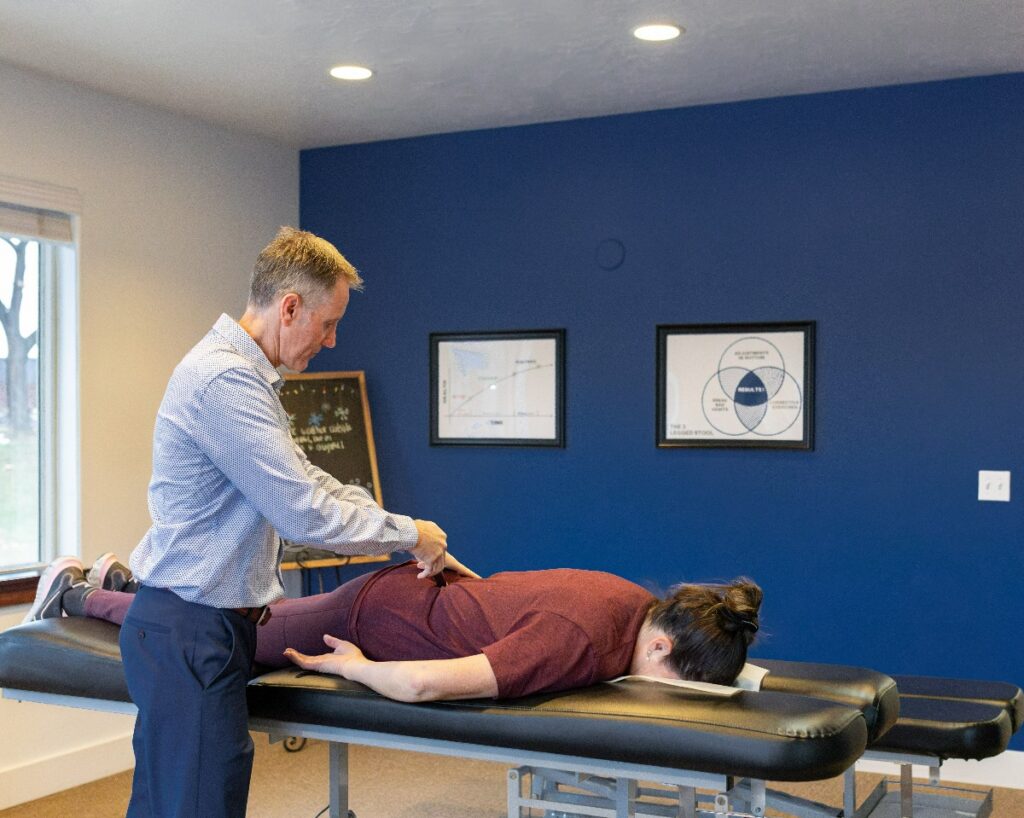

If you’ve ever dealt with neck stiffness, you understand how it can disrupt your everyday activities. Often, misalignments in the cervical spine are the culprits behind this discomfort, restricting your neck’s mobility. The good news is that targeted spinal adjustments—one of the core practices of chiropractic care—can help restore balance and improve your neck function naturally.
Chiropractic adjustments work by gently realigning the vertebrae in your spine, which can relieve tension and enhance overall mobility. By addressing these misalignments, you not only find relief from neck stiffness but also support your body’s natural ability to heal itself.
Here are a few tips to help you maintain a healthy neck in between your chiropractic visits:
- Practice Good Posture: Whether you’re sitting at a desk or using your phone, keeping your head aligned over your shoulders can reduce strain on your neck.
- Take Breaks: If you spend long periods in one position, remember to take regular breaks to stretch and move around. This can help alleviate stiffness.
- Stay Hydrated: Drinking plenty of water supports the health of your discs and tissues, which can enhance your overall spinal health.
- Gentle Neck Stretches: Incorporating gentle stretches into your daily routine can help maintain flexibility and reduce tension. Try tilting your head side to side and gently rotating it to keep your neck muscles relaxed.
- Sleep Support: Use a supportive pillow that keeps your neck in a neutral position while you sleep. This can help prevent stiffness in the morning.
Chiropractic care is a powerful tool for achieving optimal health and wellness. By focusing on spinal health, you can experience lasting relief and improved mobility, allowing you to enjoy life to the fullest. If you have any questions or need assistance, don’t hesitate to reach out—your journey to a pain-free neck starts here!
Understanding Spinal Alignment and Its Importance
When you learn about spinal alignment, you’ll quickly realize how essential it’s for your neck’s mobility and overall well-being. Proper alignment means your spine is in a neutral position, which is key for optimal function. This alignment supports the structures in your neck, helping to reduce strain and enhance flexibility.
When your spine is aligned, it decreases tension on the muscles and ligaments around it, allowing you to move your head more freely and comfortably. Good spinal alignment also boosts blood flow to your neck, which means that vital nutrients can reach your muscles and joints.
By focusing on maintaining good alignment, you’re not only preventing stiffness but also encouraging better posture and lowering the risk of injuries. Regular visits to a chiropractor can be incredibly beneficial for keeping your spine in the best position possible.
Here are some simple tips to help you maintain good spinal alignment in your daily life:
- Posture Check: Pay attention to how you sit and stand. Keep your shoulders back and your head aligned over your spine.
- Mindful Movements: When you turn your head, do so gently and avoid sudden movements that could strain your neck.
- Supportive Sleep: Choose a pillow that supports your neck’s natural curve and promotes alignment while you sleep.
- Stretch It Out: Incorporate gentle neck stretches into your routine to keep your muscles flexible and relaxed.
- Stay Active: Regular physical activity strengthens your body and supports your spine, contributing to better overall health.
Remember, when your spine is aligned, your neck can move freely, allowing you to enjoy your daily activities without discomfort. Prioritize your spinal health, and you’ll likely notice a significant improvement in your neck’s mobility and overall wellness.
Chiropractic care is a natural and effective way to help you achieve and maintain this alignment, ensuring you feel your best every day!
Common Causes of Neck Stiffness
Neck stiffness is a common issue that many people face, often resulting from poor posture, especially if you find yourself spending long hours hunched over a screen.
This habit can lead to muscle tension that builds up over time, particularly due to stress or repetitive movements. Understanding these causes is crucial as it allows you to take proactive steps toward relief and improved neck mobility.
As a chiropractor, I want to emphasize that chiropractic care is an excellent option for addressing neck stiffness and enhancing your overall well-being.
Regular chiropractic adjustments can help realign the spine, reduce muscle tension, and promote better posture. This natural approach not only alleviates pain but also supports your body’s ability to heal itself.
In addition to seeking chiropractic care, here are some simple tips to help you manage neck stiffness at home:
- Practice Good Posture: Ensure that your workstation is ergonomically set up. Keep your screen at eye level and sit with your back straight and shoulders relaxed.
- Take Breaks: If you’re working at a desk, take short breaks every hour to stretch and move around. This can help reduce tension and improve circulation.
- Stay Hydrated: Drinking plenty of water can help keep your muscles hydrated and functioning properly, which is essential for preventing stiffness.
- Gentle Stretching: Incorporate gentle neck stretches into your daily routine. For example, slowly tilt your head from side to side and forward and backward to relieve tension.
- Heat Therapy: Applying a warm compress to your neck can help relax tight muscles and improve blood flow.
By focusing on these strategies and incorporating regular chiropractic visits into your wellness routine, you can effectively manage neck stiffness and enhance your overall health.
Poor Posture Practices
Many individuals unknowingly contribute to neck stiffness through poor posture practices. Common habits like slouching at your desk or hunching over your phone can cause strain in your neck muscles. When you spend extended periods looking down, the alignment of your neck is compromised, leading to discomfort.
It may surprise you to learn that sitting with your head forward or shoulders rounded places unnecessary pressure on your spine.
Furthermore, neglecting proper neck support while sleeping can leave you waking up with stiffness. To help combat these issues and promote a healthier spine, it’s vital to create an ergonomic workspace, maintain an upright posture, and incorporate regular breaks to stretch and reset your alignment.
As a chiropractor, I encourage you to be mindful of these habits. By doing so, you can significantly reduce the risk of developing neck stiffness.
Regular chiropractic care can also play a crucial role in optimizing your spinal health and enhancing your overall mobility. Remember, a healthy spine supports a healthy life, so consider integrating these practices into your daily routine for better wellness.
Muscle Tension Accumulation
Muscle tension accumulation is a common issue that many people experience, especially when it comes to neck stiffness. This tension often arises from our daily habits, such as hunching over our phones or computers, which places a strain on the neck and shoulder muscles.
Stress can exacerbate this problem, as it leads us to unconsciously tighten these areas even more. After a long day, you might find that your neck feels sore and stiff, signaling that your body is trying to communicate with you.
Ignoring these signs can lead to chronic discomfort, but there are effective ways to address muscle tension. One of the best approaches is chiropractic care. Chiropractors are trained to help relieve tension and improve spinal alignment, which can significantly enhance your neck mobility and overall well-being.
Through gentle adjustments and tailored treatments, chiropractic care targets the root causes of tension, providing a natural path to pain relief.
In addition to seeking chiropractic care, there are simple steps you can take at home to help alleviate muscle tension. Regular stretching is vital; try to incorporate gentle neck and shoulder stretches into your daily routine.
Practicing relaxation techniques, such as deep breathing or mindfulness, can also help reduce stress levels and prevent tension from building up. Additionally, be mindful of your posture while working or using your phone – maintaining proper ergonomics can make a significant difference.
Gentle Neck Stretching Techniques
Incorporating gentle neck stretching techniques into your daily routine can significantly enhance your flexibility and reduce tension, ultimately contributing to your overall spinal health. By regularly practicing these stretches, you’ll keep your neck feeling relaxed and mobile, which is essential for preventing discomfort and maintaining optimal wellness.
Here are some effective techniques that you can easily try at home:
- Side Neck Stretch: Gently tilt your head toward one shoulder, allowing the stretch to ease tension in the muscles. Hold this position for 15-30 seconds before switching sides. This stretch not only promotes flexibility but can also help alleviate discomfort in the neck and shoulders.
- Chin Tucks: This simple exercise involves pulling your chin back towards your neck, creating a slight double chin effect. Hold for a few seconds and then release. This technique can help improve posture and reduce strain on your spine, supporting overall neck health.
- Neck Rolls: Slowly roll your head in a circular motion, starting clockwise and then switching to counterclockwise. Repeat this several times. Neck rolls help increase circulation and reduce stiffness, making them a great addition to your daily routine.
- Forward Neck Stretch: Lower your chin toward your chest and hold for 15-30 seconds to stretch the muscles at the back of your neck. This stretch can be particularly beneficial for those who spend long hours in front of a computer, helping to relieve the tension that can build up throughout the day.
By integrating these gentle neck stretches into your routine, you can promote better spinal alignment and support your body’s natural healing processes.
Remember, regular chiropractic care can further enhance these benefits by addressing any underlying issues that may contribute to neck pain.
Prioritize your health and wellness by choosing natural methods like stretching and chiropractic adjustments for pain relief and a healthier lifestyle.
The Role of Chiropractic Adjustments
Gentle neck stretching techniques are a fantastic starting point for improving neck mobility, but when it comes to achieving optimal health, chiropractic adjustments offer even greater benefits by addressing misalignments in the spine.
As your local chiropractor, my goal is to help you understand the importance of spinal health for your overall well-being.
When you come in for a visit, I’ll take the time to assess your posture and spinal alignment, identifying areas that may be causing tension or discomfort.
Through specific chiropractic adjustments, I’ll work to restore balance and function to your neck and spine, helping to alleviate any pain you may be experiencing.
These adjustments do more than just relieve discomfort. They can reduce pressure on nerves, enhance blood flow, and promote overall spinal wellness.
Many patients notice an immediate increase in their neck’s range of motion after just one session, allowing for greater freedom of movement in daily activities.
Regular chiropractic care isn’t just about fixing current issues; it’s also a proactive approach to preventing future problems.
By making chiropractic adjustments a part of your routine, you’re investing in your long-term neck mobility and overall health.
Here are a few tips to help maintain your neck health at home:
- Practice Good Posture: Whether sitting at a desk or using your phone, always be mindful of your posture. Keep your shoulders back and your head aligned with your spine.
- Take Breaks: If you’re working for long periods, take short breaks to stretch and move around. This can help prevent stiffness.
- Stay Hydrated: Drinking plenty of water can help keep your spinal discs hydrated, promoting better mobility.
- Sleep Smart: Use a supportive pillow that keeps your neck aligned while you sleep. This can help reduce strain on your neck.
- Incorporate Gentle Stretches: Simple neck stretches can be beneficial. Slowly tilt your head side to side and forward to help maintain flexibility.
If you’re looking for a natural approach to pain relief and wellness, consider scheduling an appointment.
Experience the benefits of chiropractic care firsthand, and let’s work together to boost your neck’s flexibility and overall health!
Benefits of Regular Massage Therapy
Regular massage therapy can be a wonderful complement to chiropractic care, offering significant pain relief and relaxation. It helps ease tension in your muscles, which is essential for maintaining a healthy spine. When your muscles are relaxed, it allows your chiropractor to perform adjustments more effectively.
In addition to reducing muscle tension, massage therapy improves circulation and flexibility, enhancing your overall mobility. This increased mobility is crucial for spinal health, as it helps maintain proper alignment and function of the spine.
Incorporating regular massage into your wellness routine, alongside chiropractic care, can truly be a game-changer for your neck and spine health. Remember, a healthy spine is the foundation of your overall well-being.
Here are some simple tips to maximize the benefits of massage therapy and chiropractic care:
- Stay Consistent: Just like regular chiropractic adjustments, make massage therapy a routine part of your health regimen.
- Communicate with Your Chiropractor: Let your chiropractor know about your massage therapy sessions. This information can help them tailor your adjustments to better suit your needs.
- Practice Good Posture: Maintaining good posture can reduce the tension in your muscles, making your massage therapy sessions more effective.
- Stay Hydrated: Drinking plenty of water after a massage can help flush out toxins released during the session.
- Listen to Your Body: If you feel any discomfort after a massage, don’t hesitate to reach out to your chiropractor for advice.
Pain Relief and Relaxation
Chiropractic care offers remarkable benefits for pain relief and relaxation, making it an ideal choice for those looking to unwind while effectively addressing muscle tension and discomfort.
Regular chiropractic adjustments can lead to a variety of positive outcomes that enhance both your mental and physical well-being. Here are some key benefits you can expect from chiropractic care:
- Reduced muscle tension: Chiropractic adjustments target misalignments in the spine, helping to alleviate stiffness and tightness in your muscles.
- Eased pain: Consistent chiropractic care can significantly reduce chronic pain conditions by improving spinal alignment and function, allowing your body to heal naturally.
- Enhanced mood: Chiropractic treatments promote the release of endorphins, which can help elevate your mood and reduce stress levels.
- Improved sleep quality: By relieving tension and discomfort, chiropractic care encourages better sleep patterns, helping you wake up feeling refreshed and revitalized.
In addition to these benefits, here are some general tips for maintaining optimal health and wellness:
- Stay active: Incorporate regular physical activity into your routine to keep your muscles and joints healthy.
- Practice good posture: Pay attention to your posture while sitting, standing, and working to prevent unnecessary strain on your spine.
- Stay hydrated: Drink plenty of water to support overall health and help maintain the elasticity of your muscles and joints.
- Stretch regularly: Incorporate gentle stretching into your daily routine to improve flexibility and reduce tension.
By choosing chiropractic care, you’re taking a proactive step towards achieving and maintaining optimal health naturally.
It’s a holistic approach that focuses on your body’s innate ability to heal itself, offering a safe and effective alternative to reliance on medications or surgeries.
Improved Circulation and Flexibility
When you consider the benefits of chiropractic care, you’ll likely notice improved circulation and flexibility throughout your body. Enhanced blood flow not only delivers more oxygen and nutrients to your muscles, but it also promotes faster recovery and helps reduce tension.
As your circulation improves through chiropractic adjustments, you’ll find that your joints become more mobile, allowing for a greater range of motion.
Regular chiropractic care can help break down adhesions and tightness in your muscles, making it easier to move freely. This improved flexibility not only boosts your overall performance during physical activities but also lowers your risk of injury.
By integrating chiropractic adjustments into your wellness routine, you’ll feel more agile and rejuvenated, enhancing both your physical and mental well-being.
To maximize the benefits of chiropractic care, consider incorporating gentle stretching exercises into your daily routine, staying hydrated, and maintaining good posture throughout your day.
These simple practices can complement your chiropractic treatment, helping you achieve and maintain optimal health.
Prioritize chiropractic care for a natural path to wellness and pain relief!
Utilizing Foam Rollers for Neck Relief
While foam rollers may not be the first tool that comes to mind for addressing neck discomfort, they can be a valuable addition to your wellness routine. By gently working on the muscles and fascia around your neck, you can enhance mobility and reduce tension, ultimately supporting your overall spinal health.
Here are some practical tips for using foam rollers to relieve neck discomfort effectively:
- Select the right foam roller: Choose a softer foam roller to ensure you’re not applying too much pressure on your neck, which can lead to strain.
- Proper positioning is key: Lay down on your back and position the foam roller beneath your upper back. This allows your neck to rest comfortably while you roll out tension in your upper spine.
- Roll with care: Move slowly and deliberately, pausing at any tight spots you feel. This helps to release tension without overexerting your neck.
- Follow up with gentle stretches: After using the foam roller, incorporate some gentle neck stretches. This will help to further enhance flexibility and relieve any residual tightness.
Remember, while foam rolling can be beneficial, regular chiropractic care is the most effective way to achieve lasting neck relief and overall wellness.
A chiropractor can provide personalized adjustments and guidance tailored to your specific needs, ensuring that you maintain optimal spinal health.
Integrating foam rolling into your routine can complement your chiropractic care and help you to live a healthier, pain-free life.
Strengthening Exercises for Neck Support
To effectively support your neck and enhance its strength, incorporating targeted exercises into your routine is essential. As a chiropractor, I want to emphasize that these exercises can complement your chiropractic care, promoting optimal health and natural healing.
Start with neck tilts. Gently tilt your head toward one shoulder, hold for a few seconds, then switch sides. This simple movement not only improves flexibility but also helps relieve tension that can accumulate in the neck.
Next, try shoulder shrugs. Lift your shoulders toward your ears, hold for a moment, and then release. This exercise strengthens the trapezius muscles, which play a key role in supporting your neck. It’s a great way to alleviate stiffness and promote better posture, which is crucial for overall spinal health.
Another effective exercise is the chin tuck. Sit up straight, gently tuck your chin toward your chest, and hold for several seconds. This movement targets the deep neck flexors, helping to stabilize your neck and support your head better.
Don’t forget about resistance exercises! Place your palm against your forehead and push forward while resisting with your hand. You can do the same on the sides and back of your head. These exercises help build strength in the neck muscles, which is vital for maintaining proper alignment and reducing pain.
Aim for three sets of ten repetitions of each exercise, two to three times a week. By incorporating these exercises into your routine, you can create a strong foundation for your neck support and mobility.
Tips for Maintaining Good Posture at Work
Incorporating strengthening exercises for neck support is just one important aspect of maintaining overall neck health. However, it’s equally crucial to focus on your posture while working. Good posture not only helps prevent strain and discomfort but also keeps your spine aligned, ensuring your neck remains healthy and mobile.
As a chiropractor, I want to share some simple yet effective tips to help you maintain good posture at work:
- Adjust Your Chair: Ensure your chair provides adequate support for your lower back. Your feet should rest flat on the floor to promote proper alignment. A well-adjusted chair can make a significant difference in your comfort level throughout the day.
- Position Your Screen: Place your computer monitor at eye level. This adjustment helps prevent straining your neck and encourages a natural position while you work. If necessary, use a stand or stack books to elevate your monitor.
- Take Breaks: Remember to stand up and stretch every hour. This not only relieves tension but also gives your spine a chance to reset. Incorporating short breaks into your routine can drastically improve your overall comfort and productivity.
- Use Ergonomic Tools: Consider investing in ergonomic keyboards and mice. These tools are designed to promote a natural wrist and arm position, which can help reduce strain and discomfort. When your equipment supports your body’s natural posture, it can enhance your work experience.
By following these tips, you can support your spinal health and reduce discomfort while working.
Conclusion
Incorporating recommended spinal adjustments into your routine can significantly improve your neck mobility and overall well-being. As a chiropractor, I want to emphasize the critical role that spinal alignment plays in maintaining a healthy neck. Many people experience neck stiffness due to poor posture, stress, or muscle tension, but by addressing these issues through chiropractic care, you can take proactive steps toward better health.
Chiropractic adjustments not only help realign your spine but also promote natural healing throughout your body. Coupling these adjustments with gentle stretching, massage therapy, and strengthening exercises is a powerful way to empower yourself. Here are some practical tips to enhance your neck health:
- Practice Good Posture: Be mindful of your posture while sitting, standing, and even sleeping. Keeping your head aligned over your shoulders can reduce strain on your neck.
- Incorporate Regular Stretching: Gentle neck stretches can help alleviate tightness. Try tilting your head side to side and forward to stretch the muscles around your neck.
- Stay Active: Engaging in regular physical activity strengthens the muscles that support your neck and spine. Simple exercises like neck rotations and shoulder shrugs can make a difference.
- Use Ergonomic Supports: If you spend long hours at a desk, consider using ergonomic chairs and desks that promote better alignment and reduce strain on your neck.
- Stay Hydrated: Drinking plenty of water keeps your discs hydrated and supports overall spinal health.
By prioritizing chiropractic care and these healthy habits, you can enjoy a more flexible, pain-free neck for years to come. Remember, taking care of your spine is a vital step toward achieving optimal health and well-being naturally.