
When you’re experiencing low back pain, selecting the right exercises can truly transform your healing journey. It’s essential to engage in movements that support your spine and alleviate your symptoms rather than make them worse. Gentle core-strengthening exercises, flexibility routines, and low-impact cardio can offer significant relief while promoting overall wellness. However, not every exercise is beneficial for everyone, so understanding which activities can help you heal is key.
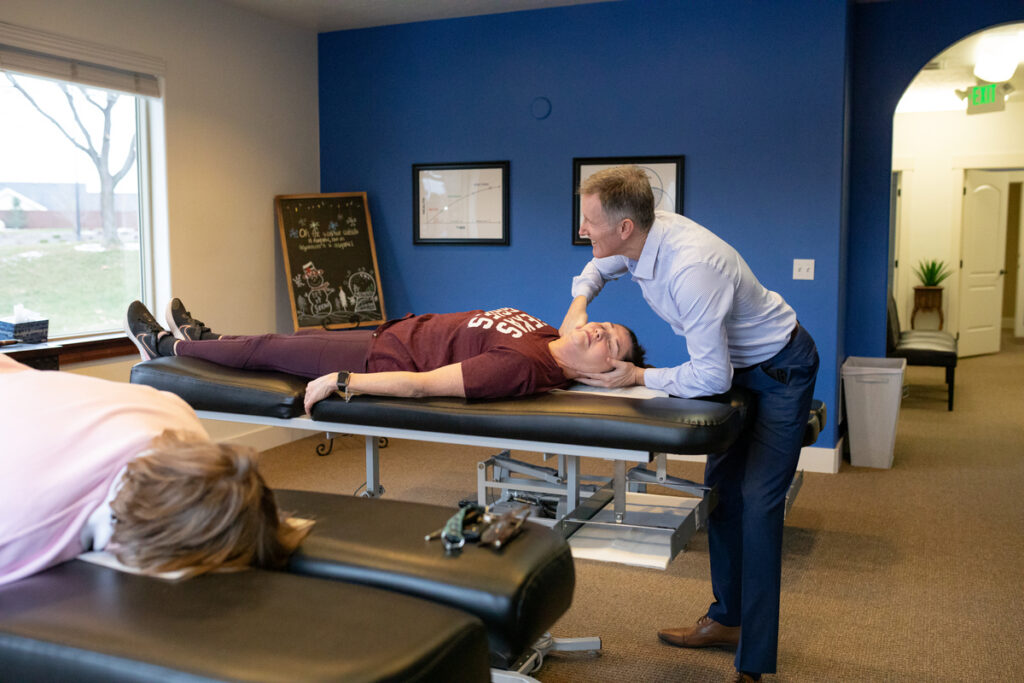
As a chiropractor, I want to emphasize that chiropractic care is one of the best options for managing back pain naturally. Regular chiropractic adjustments not only alleviate discomfort but also enhance your body’s ability to heal itself. By improving spinal alignment, chiropractic care can reduce tension and restore proper function, giving you the foundation you need for effective exercise.
Here are some practical tips to help you manage low back pain through exercise and chiropractic care:
- Start Gentle: Begin with low-intensity exercises like walking or swimming. These low-impact activities can increase blood flow and reduce stiffness without putting undue stress on your back.
- Focus on Core Strength: Strengthening your core muscles is crucial for back support. Simple exercises like pelvic tilts, bridges, and modified planks can help build stability.
- Incorporate Stretching: Gentle stretching can improve flexibility and relieve tension in your back. Consider incorporating yoga or specific stretches recommended by your chiropractor tailored to your condition.
- Listen to Your Body: Pay attention to how your body responds to different movements. If something feels painful or uncomfortable, stop and consult your chiropractor for guidance.
- Stay Consistent: Regular exercise is key to long-term relief. Aim for daily movement, even if it’s just a short walk or a few minutes of stretching.
- Seek Professional Guidance: Working with a chiropractor can provide you with personalized exercise recommendations and adjustments to ensure your spine is healthy and well-aligned.
Remember, chiropractic care is a natural and effective way to achieve optimal health, helping your body heal and function better. By combining chiropractic adjustments with the right exercises, you can significantly reduce your low back pain and enhance your overall wellness. Let’s work together to find the best path for your healing journey!
Key Takeaways
As a local chiropractor, I’m here to help you understand how to manage and alleviate low back pain naturally. One of the best ways to support your spine is by focusing on core-strengthening exercises like planks and bridges. These exercises not only build strength but also help reduce the risk of low back pain by providing stability to your spine.
In addition to strengthening, it’s important to incorporate gentle stretches into your routine. Movements like Cat-Cow and Child’s Pose can greatly improve your flexibility and help relieve muscle tension. These stretches are safe and can be easily done at home, making them a great addition to your daily routine.
When it comes to lifting heavy objects, always prioritize proper techniques. This is crucial to avoid aggravating any existing low back issues. Remember to bend your knees and keep your back straight while lifting to protect your spine.
Engaging in regular low-impact activities, such as walking or swimming, is another excellent way to maintain your overall mobility without putting extra strain on your back. These activities can enhance your endurance and promote overall wellness.
Lastly, always listen to your body. If you experience increased pain during any exercise, it’s important to stop or modify the movement to prevent further injury. Remember, chiropractic care is a fantastic resource for achieving optimal health and managing pain naturally. By focusing on these simple, yet effective strategies, you can take significant steps toward a healthier, pain-free life.
Understanding Low Back Pain
When you experience low back pain, it can be a daunting and frustrating experience, especially if you’re unsure of the cause. There are many factors that can lead to this discomfort, such as muscle strain, poor posture, or even issues like herniated discs. You may notice that certain activities—like lifting heavy objects or sitting for long periods—can make your pain worse. It’s important to understand the difference between acute pain, which usually goes away quickly, and chronic pain, which can linger for weeks or even months.
Sometimes, you might be feeling referred pain, which means that discomfort starts in one area but feels like it’s coming from your lower back. Understanding the root cause of your pain is crucial for effective treatment. By recognizing your specific triggers and patterns, you can take proactive steps to manage your pain and seek appropriate advice.
Chiropractic care is an excellent option for addressing low back pain and promoting natural healing. A chiropractor can help identify the underlying issues and provide gentle adjustments to realign your spine, relieving pressure and tension. This approach not only helps with pain relief but also supports your overall health and wellness.
Here are some general tips to help you manage low back pain on your own:
- Maintain Good Posture: Be mindful of your posture, especially when sitting for long periods. Use ergonomic chairs and try to keep your back straight.
- Stay Active: Engage in gentle exercises like walking, stretching, or yoga to strengthen your back and improve flexibility.
- Use Proper Lifting Techniques: When lifting heavy objects, bend your knees and keep your back straight to avoid strain.
- Apply Heat or Cold: Use a heating pad or ice pack on your lower back to help reduce pain and inflammation.
- Stay Hydrated: Drink plenty of water to keep your discs hydrated and functioning well.
- Consider Chiropractic Care: Regular visits to a chiropractor can help keep your spine aligned, reduce pain, and enhance your overall well-being.
Importance of Core Strength
Core strength is essential for maintaining a healthy spine and enhancing overall stability in your body. As your local chiropractor, I want to emphasize that strong core muscles play a crucial role in supporting your lower back and preventing injuries. When your core is strong, it provides the necessary support your spine needs during everyday activities, which helps you move more freely and with less discomfort.
Strengthening your core isn’t just about looking fit; it’s fundamental to achieving a healthier back and overall well-being. Here are some simple tips to enhance your core strength:
- Engage Your Core: Throughout the day, whether standing, sitting, or walking, consciously engage your core muscles. Imagine pulling your belly button in toward your spine. This small adjustment can make a big difference.
- Practice Balance: Incorporate balance exercises into your routine, such as standing on one leg or using a balance board. These activities challenge your core and improve stability.
- Incorporate Low-Impact Exercises: Activities like Pilates or yoga can help strengthen your core without straining your body. These practices focus on controlled movements and breathing, which are excellent for spinal health.
- Stay Active: Regular physical activity is key. Aim for at least 30 minutes of moderate exercise most days of the week. Walking, swimming, or cycling can all help strengthen your core and support your back.
- Consult with Your Chiropractor: Regular chiropractic adjustments can help align your spine, improve your posture, and enhance your core strength. Your chiropractor can also provide personalized exercises that suit your specific needs.
Remember, a strong core is the foundation of a healthy back and a pain-free life. By focusing on core strength and incorporating these tips into your daily routine, you’ll be taking important steps toward natural healing and optimal health.
Embrace the benefits of chiropractic care, and let’s work together to achieve your wellness goals!
Role of Core Muscles
Having strong core muscles is essential for supporting your lower back and enhancing overall stability. When your core is robust, it helps evenly distribute the weight on your spine, which can significantly lower the chances of experiencing pain or injury. This means that simple everyday tasks, such as bending down to pick something up or lifting a grocery bag, can be done more safely and with greater ease.
A well-developed core is also vital for maintaining good posture and improving your movement efficiency. You might notice that activities you once found challenging become much simpler with a strong core. Moreover, core strength isn’t just beneficial for everyday tasks; it also plays a significant role in boosting your athletic performance. With a solid core, you can engage in various physical activities with greater confidence.
Incorporating core-strengthening exercises into your routine is a fantastic way to invest in your lower back health and overall wellness. As a chiropractor, I can’t stress enough how vital it’s to prioritize your core strength as part of a holistic approach to health. Not only can this reduce the likelihood of back pain, but it also supports your body’s natural healing processes.
Here are some helpful tips to strengthen your core and improve your well-being:
- Practice Good Posture: Be mindful of your posture throughout the day. Whether sitting, standing, or walking, maintaining a neutral spine can help engage your core.
- Try Simple Exercises: Incorporate exercises like planks, bridges, or gentle abdominal workouts into your routine. These movements can build core strength effectively without needing fancy equipment.
- Stay Active: Engage in activities like walking, swimming, or yoga, which naturally promote core strength and overall body stability.
- Listen to Your Body: Pay attention to any signs of discomfort during exercise. If something doesn’t feel right, it’s essential to consult with a chiropractor to ensure you’re on the right track.
Enhancing Stability and Support
Enhancing Stability and Support for Optimal Health
As your local chiropractor, I want to emphasize the importance of enhancing stability and support to prevent lower back pain and improve your overall movement. A strong core is the foundation of a healthy spine, allowing you to perform daily activities with ease and comfort.
Here are three essential aspects to focus on for a healthier spine and body:
- Improved Balance: A stable core plays a crucial role in maintaining balance. This not only helps you navigate your daily tasks but also reduces the risk of falls and injuries. Incorporating simple balance exercises, like standing on one leg or practicing yoga, can significantly enhance your stability.
- Better Posture: Strengthening your core encourages proper alignment of your spine. This alignment alleviates pressure on your lower back, which can lead to discomfort and pain. Pay attention to your posture when sitting or standing; keeping your shoulders back and your spine straight can make a big difference.
- Increased Functional Strength: A strong core allows you to lift, bend, and twist more effectively. This means less strain on your back and a lower likelihood of injury. Consider incorporating core-strengthening exercises, such as planks and bridges, into your routine to build this strength naturally.
By focusing on these aspects, you can support your spine and overall health without the need for medications or surgeries. Remember, chiropractic care is an excellent way to achieve optimal health by addressing the root causes of pain and discomfort.
Regular adjustments can help maintain your spinal alignment, enhancing your core strength and stability even further. Take small steps today towards a healthier, pain-free life!
Preventing Future Injuries
Core strength is often overlooked but is essential for preventing future injuries, particularly in your lower back. A strong core helps stabilize your spine and pelvis, which is crucial for maintaining good posture during everyday activities. When you focus on exercises that strengthen your abdominal, back, and pelvic muscles, you can significantly reduce the risk of strains and sprains.
Incorporating simple exercises like planks, bridges, and pelvic tilts into your routine can help you build this important strength. Remember, a well-conditioned core isn’t just about looking good; it supports your entire body and plays a vital role in your overall health.
As you work on enhancing your core strength, you may also notice improvements in your balance and flexibility, both of which are key factors in avoiding injuries. Prioritizing core workouts can lead to a stronger back and contribute to a healthier, more active lifestyle.
At our chiropractic practice, we emphasize the importance of natural healing and the role that a strong core plays in your overall wellness. Regular chiropractic adjustments can also complement your core strengthening exercises by ensuring that your spine is aligned and functioning optimally. This holistic approach can help you achieve pain relief and maintain your health naturally.
Stretching for Flexibility
Stretching for flexibility is crucial for relieving low back pain and improving your overall mobility. As a chiropractor, I believe that incorporating a regular stretching routine can significantly enhance your range of motion and reduce tension in your back muscles. Here are three simple yet effective stretches to consider adding to your daily routine:
- Cat-Cow Stretch: This gentle, dynamic stretch helps to mobilize your spine and ease tension in your back. By alternating between arching and rounding your back, you can experience great relief and improve spinal health.
- Child’s Pose: This calming pose gently stretches your lower back and hips while promoting relaxation. Taking a few deep breaths while holding this position can enhance flexibility and ease discomfort.
- Seated Forward Bend: While sitting with your legs extended in front of you, reach for your toes while maintaining a straight back. This stretch targets not only your lower back but also your hamstrings, helping to relieve tightness.
Incorporating these stretches into your daily routine can help you manage pain and boost your flexibility. Remember, chiropractic care is also an excellent way to support your overall wellness and address any underlying issues contributing to pain.
Strengthening Exercises for Back Support
To strengthen your back and support your spine, it’s vital to incorporate targeted exercises into your routine. A strong back starts with a strong core, as it provides essential stability for your lower back. One excellent exercise to begin with is the plank. Aim to hold a plank position for 20 to 30 seconds, and as you build strength, gradually increase the time. This exercise not only strengthens your core but also helps align your spine, promoting better posture.
Another effective exercise is the bird-dog. Begin on all fours and extend one arm forward while simultaneously extending the opposite leg back. Hold this position for a few seconds, then switch sides. This movement enhances coordination and strengthens the muscles in your back, contributing to overall spinal health.
Don’t overlook the glute bridge, an exercise that activates your glutes and lower back. Lie on your back with your knees bent, and gently lift your hips towards the ceiling, holding for a few seconds before lowering back down. This movement supports your lower back and encourages proper alignment.
Lastly, consider incorporating deadlifts with light weights into your routine. This exercise can help build overall back strength, but remember to maintain proper form to avoid injury.
Remember, regular practice of these exercises can lead to a stronger, more resilient back, reducing discomfort and enhancing your mobility. However, if you experience persistent pain or discomfort, chiropractic care can be an invaluable resource. Chiropractors specialize in spinal health and can help address underlying issues, guiding you on your path to optimal health through natural methods. Prioritizing your spinal wellness not only relieves pain but also supports your overall well-being.
Always listen to your body, and if you’re unsure about any exercise, consult with a chiropractor to ensure you’re on the right track.
Low-Impact Cardio Options
When managing low back pain, incorporating low-impact cardio can be a transformative addition to your wellness routine. These gentle activities not only enhance your cardiovascular health but also minimize strain on your spine, allowing you to stay active and support your healing journey. As a chiropractor, I emphasize the importance of natural approaches to pain relief and overall wellness. Let’s dive into the benefits, some recommended low-impact activities, and key safety tips that can help you on your path to optimal health.
Benefits of Low-Impact Cardio
- Improves Circulation: Engaging in low-impact cardio helps increase blood flow, which is essential for delivering nutrients to your spine and aiding in recovery.
- Reduces Pain: By promoting the release of endorphins, these activities can help alleviate pain naturally without the need for medications.
- Enhances Flexibility and Strength: Low-impact exercises can strengthen the muscles that support your spine and improve your overall flexibility, reducing the risk of future injuries.
- Boosts Mood: Regular cardiovascular activity is known to enhance your mood and reduce stress, which is vital for those dealing with chronic pain.
Recommended Low-Impact Activities
- Walking: A simple yet effective way to get moving. Aim for a comfortable pace and gradually increase your distance as your strength improves.
- Swimming: The buoyancy of water supports your body and alleviates pressure on your spine, making it an excellent choice for cardio.
- Cycling: Whether on a stationary bike or outdoors, cycling provides a good workout with minimal impact on your back.
- Elliptical Training: This machine mimics running without the jarring impact, providing an effective cardiovascular workout.
Important Safety Considerations
- Listen to Your Body: Pay attention to how your body feels during and after exercise. If you experience increased pain, it’s a sign to modify your activity.
- Warm-Up and Cool Down: Always include gentle stretches before and after your workout to prepare your muscles and prevent stiffness.
- Consult Your Chiropractor: Before starting any new exercise routine, it’s beneficial to discuss it with your chiropractor. They can provide personalized advice based on your specific condition and needs.
General Tips for a Healthier Lifestyle
- Stay Consistent: Aim for regular activity, even if it’s just short walks daily. Consistency is key to reaping the benefits of low-impact cardio.
- Focus on Your Posture: While exercising, maintain good posture to protect your spine and ensure you’re engaging the right muscles.
- Hydrate: Drink plenty of water before, during, and after exercise to keep your body well-hydrated and functioning optimally.
Incorporating low-impact cardio into your routine can be an effective way to improve your back health and overall wellness. Remember, the goal is to support your body naturally, and chiropractic care is your best ally in achieving lasting pain relief and improved health.
Together, we can work towards a healthier, more active life.
Benefits of Low-Impact Cardio
Low-impact cardio options, such as walking, swimming, or cycling, are excellent choices for those experiencing low back pain. These activities not only provide relief but also contribute to your overall health and wellness. As a chiropractor, I believe that incorporating these gentle exercises can work in harmony with chiropractic care for optimal recovery.
- Improved circulation: Low-impact cardio increases blood flow, which is vital for healing your back muscles and tissues. This enhanced circulation can complement the adjustments you receive in chiropractic care, helping to speed up your recovery.
- Enhanced flexibility: Regular movement through low-impact cardio can significantly boost your flexibility. This is important for reducing stiffness and discomfort in your lower back. Pairing these activities with chiropractic adjustments can further enhance your range of motion and help you feel more comfortable.
- Weight management: Keeping a healthy weight is crucial for minimizing strain on your back. Low-impact cardio can aid in weight management, which can help reduce pain and improve your overall function. A healthy lifestyle, supported by chiropractic care, can lead to lasting pain relief and better movement.
Incorporating these exercises into your routine not only offers relief but also empowers you to take control of your low back pain. Remember, chiropractic adjustments can help realign your spine and improve your overall health, making these low-impact activities even more effective.
Always listen to your body and consult with your chiropractor to create a personalized approach that works best for you. You’ll feel stronger and more capable in your daily activities, paving the way for a healthier, pain-free life.
Recommended Activities
Finding the right low-impact cardio activities can greatly aid in managing low back pain and improving your overall wellness. As a chiropractor, I want to emphasize that incorporating these activities into your routine can promote healing and enhance your quality of life, all while avoiding the risks associated with medications or surgeries.
Walking is one of the simplest and most effective ways to stay active and improve circulation without straining your back. You can easily integrate it into your daily routine—whether it’s a stroll around the neighborhood or a walk in the park. Aim for a comfortable pace, and remember to maintain good posture to get the most benefit.
Swimming is another excellent option. The buoyancy of the water supports your body, allowing you to move more freely and strengthen your muscles without any impact on your spine. It’s a fantastic way to improve cardiovascular health while minimizing discomfort.
Cycling, whether on a stationary bike or outdoors, provides a great way to get your heart pumping while keeping pressure off your spine. Just make sure your bike is properly fitted to your body to avoid any unnecessary strain.
If you enjoy a social setting, consider joining low-impact aerobics or dance classes that focus on gentle movements. These classes not only provide physical benefits but also foster a sense of community, which can be incredibly uplifting.
In addition to these activities, always remember to listen to your body. If something doesn’t feel right, it’s essential to stop and assess. Regular chiropractic check-ups can also help ensure your spine is aligned and functioning optimally, supporting overall health and recovery.
Safety Considerations
While engaging in low-impact cardio exercises can certainly support your journey toward managing low back pain, it’s crucial to prioritize safety to prevent aggravating your condition.
Here are some essential tips to keep in mind that can help you exercise safely and effectively:
- Listen to Your Body: Pay close attention to how your body feels during exercise. If you experience any pain or discomfort, it’s important to stop immediately. Recognizing the difference between good fatigue and potential injury is key to maintaining your health.
- Choose the Right Equipment: Invest in supportive footwear to protect your feet and back. Additionally, using equipment like stationary bikes or elliptical machines can provide stability and reduce impact, making your workout safer and more comfortable.
- Warm Up and Cool Down: Always start your exercise routine with a gentle warm-up and finish with a cool-down. This practice helps prevent muscle strain and enhances flexibility, which is crucial for maintaining a healthy spine.
Incorporating these simple practices into your exercise routine can significantly enhance your overall wellness and support your spinal health.
Safe Techniques for Lifting
Lifting heavy objects safely is crucial for preventing back injuries and promoting overall spinal health. As a chiropractor, I want to share some effective techniques that won’t only help you lift safely but also support your well-being.
When preparing to lift something heavy, start by standing with your feet shoulder-width apart to ensure stability. Instead of bending at your waist, bend at your knees while keeping your back straight. This alignment is important for maintaining a healthy spine. Engage your core muscles to provide extra support for your back as you grasp the object. Before you lift, take a moment to test the weight to ensure it’s manageable for you.
As you lift, focus on pushing through your heels and standing up straight, keeping the object close to your body. This technique not only minimizes strain on your back but also promotes better posture, which is vital for spinal health. If you’re lifting with a partner, make sure to communicate clearly and move in unison to avoid any unexpected shifts in weight that could lead to injury.
When it’s time to set the object down, remember to reverse your lifting process: bend your knees and lower the object carefully. Avoid twisting your torso while lifting or carrying; this movement can significantly increase your risk of injury and strain on your spine.
Yoga Poses for Relief
Incorporating yoga poses into your routine can be a fantastic way to alleviate low back pain and improve flexibility, complementing the benefits of chiropractic care.
Regular practice of these poses not only helps release tension but also strengthens your core, which is essential for supporting your spine.
Here are three effective yoga poses you can try at home:
- Child’s Pose: This gentle stretch helps elongate your spine and relaxes your back muscles, offering a soothing release that can complement your chiropractic adjustments.
- Cat-Cow Stretch: Transitioning between these two positions warms up your spine and promotes mobility. This flow can ease stiffness and enhance your overall spinal health, making it a great addition to your wellness routine.
- Downward-Facing Dog: This pose stretches your hamstrings and calves while also helping to relieve pressure on your lower back. It’s a wonderful way to enhance flexibility and can support your chiropractic care efforts.
Remember, while yoga is beneficial, it’s essential to listen to your body.
If you experience pain during any of these poses, consider consulting with your chiropractor for tailored guidance and support.
Combining chiropractic care with these simple exercises can lead to a healthier, pain-free lifestyle.
Pilates for Core Stability
Building core strength is crucial for preventing and managing low back pain. As a chiropractor, I want to emphasize that a strong core supports your spine and can greatly enhance your overall health and wellness. In this section, we’ll discuss effective Pilates techniques that not only improve core stability but also prioritize safety through proper modifications.
Incorporating these practices into your routine can lead to better support for your spine and relief from discomfort. Remember, the goal is to strengthen your core in a way that complements your chiropractic care, helping you achieve optimal health naturally.
Here are some simple tips to get you started:
- Focus on Your Breathing: Proper breathing techniques during Pilates can help engage your core muscles more effectively. Inhale deeply to expand your ribcage, and exhale fully to activate your abdominal muscles.
- Start Slow: If you’re new to Pilates, begin with basic exercises. This allows your body to adapt and helps prevent any strain. Gradually increase the intensity as your core strength improves.
- Listen to Your Body: Pay attention to how your body feels during each exercise. If something doesn’t feel right, don’t hesitate to modify the movement or stop altogether. Your comfort and safety are paramount.
- Engage Your Core Throughout the Day: Core strength isn’t just for your Pilates sessions. Practice engaging your core while sitting, standing, or walking. This can help support your spine in everyday activities.
- Combine with Chiropractic Care: Regular chiropractic adjustments can enhance the benefits of your Pilates practice. They help ensure your spine is aligned and functioning optimally, allowing you to achieve the best results from your core strengthening efforts.
Core Strength Importance
Strengthening your core is vital for alleviating low back pain and improving your overall stability. A strong core provides essential support for your spine, eases strain on your back muscles, and helps you maintain better posture. By prioritizing core strength, you’re making a significant investment in your body’s health and functionality. Here are some important benefits of a strong core:
- Improved Balance: A stable core enhances your balance, which can help you avoid falls and injuries in your daily life.
- Injury Prevention: By strengthening your core, you can distribute physical loads more evenly across your body, reducing the risk of injury during activities.
- Enhanced Movement Efficiency: A strong core allows for smoother and more efficient movements, whether you’re exercising or simply going about your day-to-day tasks.
Incorporating core-strengthening exercises into your routine is a valuable step towards managing low back pain naturally. As a chiropractor, I encourage you to focus on movements that engage your core, such as planks, bridges, and gentle yoga stretches. These exercises can be done at home and are a great way to support your spine and enhance your overall wellness.
Remember, chiropractic care is an excellent choice for addressing pain and promoting natural healing. Regular visits to a chiropractor can help ensure your spine is aligned and functioning properly, further supporting your core strength efforts.
Pilates Techniques Explained
Incorporating Pilates techniques into your routine can greatly enhance your core stability, which is vital for alleviating low back pain. By emphasizing controlled movements and proper alignment, you can effectively engage your deep abdominal muscles. Start with the “Hundred” exercise to build endurance and improve circulation. The “Roll-Up” is excellent for strengthening your spine while also increasing flexibility. Don’t forget the “Single-Leg Stretch,” which challenges your core and helps promote balance.
Each movement in Pilates focuses on smooth progressions, ensuring you stay aware of your body’s alignment. As you practice these exercises, you’ll find they not only support your lower back but also enhance your overall posture. Remember, consistency is essential—regular practice will lead to improved core strength and pain relief over time.
While Pilates is beneficial, it’s important to highlight that chiropractic care plays a crucial role in achieving optimal health. By addressing spinal alignment and function, chiropractic adjustments can enhance your body’s natural healing processes, providing a powerful complement to your Pilates practice.
For those looking to support their wellness journey, consider incorporating these general tips: maintain good posture throughout your day, stay hydrated, and listen to your body’s signals. With the right approach, you can achieve lasting relief from pain and enjoy a healthier, more active lifestyle. Remember, chiropractic care is your partner in this journey toward better health and wellness.
Safety and Modifications
When practicing Pilates for core stability, especially if you’re dealing with low back pain, it’s crucial to prioritize safety and make necessary modifications. As a chiropractor, I believe that natural healing through movement is essential for overall wellness.
Here are some practical tips to help you stay safe and get the most out of your Pilates practice:
- Start Slow: Begin with simple movements that are easy to manage. As your core strength improves, you can gradually increase the intensity. Remember, it’s all about listening to your body and allowing it to guide you.
- Use Props: Incorporating tools like resistance bands or cushions can provide extra support. These props help reduce strain on your back, making it easier to perform exercises safely. They can also enhance your stability and comfort during workouts.
- Focus on Alignment: Maintaining proper form is essential to avoid injury and ensure you’re getting the full benefits of each exercise. Pay attention to your body’s alignment, and don’t hesitate to modify movements if something feels off. This not only protects your spine but also enhances your overall experience.
Incorporating these tips into your Pilates routine can greatly aid in your journey towards better health. Remember, chiropractic care can play a vital role in supporting your spine and enhancing your body’s natural ability to heal.
Daily Habits to Promote Spinal Health
Maintaining good daily habits is crucial for promoting spinal health and preventing low back pain. As a chiropractor, I believe that simple adjustments to your routine can create a significant impact on your overall well-being. By prioritizing spinal health through natural methods, you can achieve optimal wellness without the need for invasive procedures or medications.
Start by practicing good posture, whether you’re sitting at your desk or standing in line. Good posture not only helps align your spine but also reduces the strain on your muscles. Additionally, make it a point to incorporate regular movement into your day. This could be as simple as taking short breaks to stretch or going for a brisk walk. Movement is essential for maintaining flexibility and can help alleviate tension.
Here are some daily habits that you can adopt to support your spinal health:
| Habit | Benefit | Emotion Evoked |
|---|---|---|
| Stretching daily | Increases flexibility | Relief from tension |
| Creating an ergonomic workspace | Reduces strain | Comfort while working |
| Mindful lifting | Prevents injury | Confidence in movement |
Stretching daily not only increases your flexibility but also provides relief from tension that can build up in your muscles. If you work at a desk, consider setting up an ergonomic workspace. This reduces strain on your back and promotes comfort while you work. And remember, when lifting objects, practice mindful lifting techniques. This prevents injury and helps you feel more confident in your movements.
In addition to these habits, regular chiropractic care can play a vital role in maintaining spinal health. Chiropractic adjustments can help ensure that your spine is properly aligned, which supports your overall health and helps alleviate pain naturally.
When to Seek Professional Help
When it comes to low back pain, many cases can be effectively managed through self-care and healthy lifestyle choices. However, there are certain signs that indicate it’s important to reach out to a chiropractor for professional help. If you notice any of the following symptoms, don’t hesitate to consult a healthcare provider who specializes in spinal health:
- Persistent pain: If your discomfort lingers for more than a few weeks or seems to get worse, it’s a good idea to have it evaluated. This could be a sign that your spine needs some attention.
- Numbness or tingling: Feeling numbness, tingling, or weakness in your legs might indicate nerve involvement, which is best assessed by a chiropractic professional. They can help identify the source of the issue and guide you on the right path to healing.
- Injury or trauma: If your back pain arises after an injury or accident, seeking chiropractic care promptly can help address the underlying problems and prevent further complications.
Ignoring these warning signs can lead to more serious conditions down the line. A chiropractor can evaluate your spinal health, recommend natural treatment options, and provide guidance to help you recover and maintain optimal wellness.
Conclusion
Incorporating the right exercises into your daily routine can significantly help in managing low back pain while promoting overall wellness. As a chiropractor, I emphasize the importance of gentle core-strengthening exercises, flexibility routines, and low-impact cardio. These not only support your spine but also contribute to your overall health.
Start with simple exercises like pelvic tilts, bridge lifts, and gentle stretches. These movements help strengthen the muscles that support your spine and improve flexibility. Remember to listen to your body—if any movement causes discomfort, stop immediately. It’s crucial to prioritize your spinal health and remain consistent with your routine for the best results.
Chiropractic care plays a vital role in achieving optimal health and pain relief. Regular adjustments can enhance your body’s ability to heal naturally, helping alleviate pain and improve function. If your low back pain persists despite your efforts, consider visiting a chiropractor for personalized guidance tailored to your specific needs.
In addition to exercises, here are some general tips to support your spinal health:
- Maintain a good posture, whether sitting or standing.
- Use ergonomic furniture to reduce strain on your back.
- Stay active with regular low-impact activities like walking or swimming.
- Consider incorporating mindfulness practices like yoga or deep breathing to enhance relaxation.
By focusing on these strategies and prioritizing chiropractic care, you can find lasting relief and elevate your quality of life naturally. Remember, you don’t have to manage low back pain alone—there’s help available to guide you on your journey to better health.