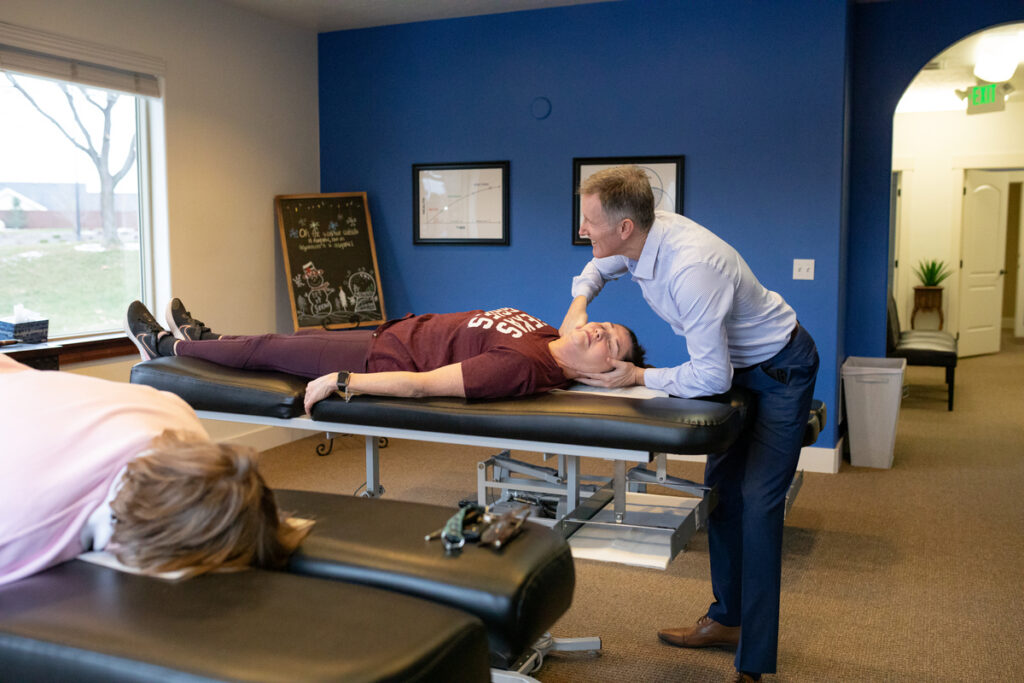

As a local chiropractor, I want to share some insights about upper back discomfort that you may be experiencing. It's important to know that you're not alone—many individuals contend with tightness and misalignments in this area, which can interfere with daily tasks and activities. That's where targeted adjustments come into play. These specialized techniques are designed to directly address the root causes of your discomfort, helping to restore your mobility and improve your posture.
You might be surprised to learn that just a few sessions with a chiropractor can lead to significant relief from your symptoms. However, I also encourage you to consider additional strategies that can complement these adjustments for long-lasting comfort. Exploring a holistic approach to your back care, which may include stretches, strengthening exercises, and ergonomic adjustments in your daily routine, can greatly enhance the effectiveness of chiropractic treatment.
By understanding the full range of options available to you, you can take a proactive role in your back health. Together, we can work towards a pain-free lifestyle that allows you to enjoy all the activities you love. Your journey to better back health starts with knowledge and support—let's explore this together!
Understanding Upper Back Discomfort
As a local chiropractor, I want to share some insights about upper back discomfort, a common issue that many of my patients encounter at different stages in life. If you've ever experienced tightness, stiffness, or even sharp pain in your upper back, you know how it can significantly affect your daily activities. Understanding the nature of this discomfort is crucial in finding effective relief.
Often, upper back discomfort arises from muscle strain, poor posture, or overuse—particularly if you spend long hours sitting at a desk or hunched over a computer. You might find that your discomfort worsens after prolonged sitting or improper lifting techniques. It's essential to tune into your body and recognize when these discomforts occur, as this can help you identify potential triggers and address them early on.
Stress can also play a significant role in upper back discomfort. When you're feeling overwhelmed, it's common to unconsciously tense your shoulders and upper back, which can lead to increased discomfort.
I encourage you to reflect on your daily habits and how they might impact your upper back health. Evaluating your posture, the ergonomics of your workstation, and your stress levels can provide valuable insights into managing and alleviating discomfort.
Incorporating regular physical activity and stretching into your routine can be incredibly beneficial for keeping your upper back muscles flexible and strong.
If you find that your discomfort persists, I highly recommend consulting with a healthcare professional. As a chiropractor, I can help you explore the underlying factors contributing to your pain and offer tailored solutions to promote healing.
Common Causes of Upper Back Pain
As a local chiropractor, I often encounter patients who are struggling with upper back pain, a common issue that can significantly impact your everyday life. It's important to understand the underlying causes of your discomfort so you can take steps toward relief and healing.
One of the primary contributors to upper back pain is poor posture. Many of us spend long hours hunched over computers or slouched on the couch, which can lead to muscle strain and tension in the upper back. This repetitive strain can accumulate over time, making it crucial to practice good posture throughout your daily activities. Simple adjustments to your sitting habits can make a significant difference.
Another frequent cause is muscle overuse. If you've recently ramped up your physical activity levels or engaged in strenuous exercise without proper warm-up or techniques, your upper back muscles may be feeling the strain. It's also important to lift heavy objects correctly to avoid unnecessary stress on your back.
Additionally, we can't overlook the role of stress and anxiety. These emotional states can manifest physically, often resulting in tightness and tension in the upper back. When you're under stress, your muscles tend to tighten, leading to discomfort that can persist if not addressed.
Here are some common causes of upper back pain that I want you to be aware of:
- Poor posture from prolonged sitting or slouching
- Muscle overuse from increased exercise or improper lifting techniques
- Stress and anxiety leading to muscle tension
By understanding these causes, you can take proactive steps towards managing your upper back pain. Chiropractic care focuses on natural healing and can help restore balance and alleviate discomfort.
If you're experiencing upper back pain, don't hesitate to reach out for personalized guidance and treatment options. Together, we can work towards a healthier and pain-free life.
Benefits of Targeted Adjustments
As a local chiropractor, I want to share with you how targeted adjustments can significantly alleviate discomfort in your upper back. These specialized techniques are designed to realign your spine and relieve the tension in the surrounding muscles. Unlike general treatments that may address broader issues, targeted adjustments concentrate on the specific areas that are causing your pain, providing you with both immediate relief and long-term benefits.
One of the primary advantages of these adjustments is the improvement in mobility. By correcting misalignments and relieving tightness in your upper back, we can help restore your range of motion. This means that everyday activities—like lifting objects, reaching for items on a high shelf, or even sitting comfortably at your desk—will become much easier and more fluid.
Another key benefit of targeted adjustments is enhanced posture. Over time, poor postural habits can lead to discomfort and pain. By focusing on correcting these imbalances, we can align your spine properly, promoting a more natural posture. This not only alleviates pain but also boosts your confidence, allowing you to carry yourself with greater ease.
Moreover, targeted adjustments can help accelerate your body's natural healing processes. By enhancing blood flow and optimizing nerve function, these adjustments improve communication between your brain and body. This can lead to quicker recovery from injuries or chronic pain conditions, helping you get back to your daily activities sooner.
Finally, as your upper back starts to feel better, many patients report a noticeable reduction in stress and tension. The relief from targeted adjustments contributes to an overall sense of well-being, helping you to feel more relaxed and at ease in your daily life.
If you're curious about how chiropractic care can benefit you, I encourage you to reach out. Together, we can explore how targeted adjustments can enhance your quality of life.
Effective Stretching Techniques
As a local chiropractor, I often see patients who experience upper back discomfort. One of the most effective ways to relieve this pain is by incorporating stretching techniques into your daily routine. Stretching not only enhances flexibility but also promotes better blood circulation and alleviates muscle tension that supports your upper back.
Just a few minutes of dedicated stretching each day can lead to significant improvements in your comfort and overall well-being.
Here are three stretching techniques that I highly recommend:
- Thoracic Extension Stretch: Begin by sitting or standing up straight. Interlace your fingers behind your head, gently pulling your elbows back while arching your upper back. This stretch opens up the thoracic spine, which can help alleviate stiffness. Hold this position for 15-30 seconds while engaging in deep breathing.
- Child's Pose: This is a gentle stretch that can effectively relax your upper back. Kneel on the floor, bringing your big toes together and sitting back on your heels. Extend your arms forward on the ground, allowing your chest to sink toward the floor. Hold this position for about 30 seconds, focusing on releasing any tension in your upper back.
- Seated Twist: To perform this stretch, sit tall in a chair with your feet flat on the ground. Place your right hand on the back of the chair and gently twist your torso to the right, using your left hand to provide support on your right knee. Hold this position for 15-30 seconds before repeating on the other side. This twist can help improve spinal mobility and reduce discomfort.
Incorporating these stretches into your daily routine is a fantastic way to alleviate discomfort and enhance your posture. Always listen to your body and adjust any stretch that feels uncomfortable.
Strengthening Exercises for Relief
As a local chiropractor dedicated to your well-being, I want to share some valuable insights on how to relieve upper back discomfort through natural healing techniques.
Strengthening exercises play a vital role in this process. It's important to focus on core stability exercises, which help support your spine, while also incorporating stretches for your upper back to enhance flexibility.
Additionally, strengthening your shoulder muscles can significantly contribute to better posture and reduced pain.
By integrating these targeted movements into your routine, you can take proactive steps towards alleviating discomfort and improving your overall health.
Core Stability Exercises
As a local chiropractor, I want to emphasize the importance of core stability exercises in alleviating upper back discomfort.
These exercises are crucial for strengthening the muscles that support your spine, creating a stable foundation that helps reduce strain on your upper back. When your core is strong, it plays a vital role in supporting your posture, which significantly decreases the risk of discomfort and injury.
Here are some effective core stability exercises that you can easily include in your daily routine:
- Plank: This exercise engages your entire core and is excellent for spine stabilization. Start by holding a plank position for 20-30 seconds, and as your strength improves, gradually increase the duration.
- Dead Bug: To perform this exercise, lie on your back with your arms pointing straight toward the ceiling. Slowly lower one arm and the opposite leg toward the floor while ensuring your back remains flat. Alternate sides for a total of 10-15 repetitions.
- Bird Dog: Begin on all fours and extend one arm and the opposite leg while keeping your hips level. Hold this position for a few seconds before switching sides. Aim for 10-12 repetitions on each side.
Incorporating these exercises into your routine not only strengthens your core but also provides essential support to your upper back, promoting overall health and well-being.
If you're interested in learning more about how chiropractic care can further enhance your wellness journey, feel free to reach out!
Upper Back Stretch Techniques
As a chiropractor dedicated to your well-being, I want to emphasize the importance of stretching your upper back for both relief from discomfort and improved flexibility. Incorporating specific stretching techniques into your daily routine can significantly ease tension while promoting better posture—an essential aspect of overall health.
Let's start with a simple yet effective stretch known as the seated twist. While seated comfortably, place your right hand on the back of your chair and gently twist your torso to the right. Hold this position for 15-30 seconds, then switch and repeat on the left side. This stretch can help release tightness in your spine and encourage mobility.
Another excellent technique is the cat-cow stretch. Position yourself on your hands and knees, and alternate between arching your back upward (like a cat) and lowering your belly while lifting your head (like a cow). This dynamic movement not only mobilizes your spine but also effectively stretches your upper back.
You might also benefit from the doorway stretch. Stand in a doorway and place your forearms on the door frame. Gently lean forward to feel a stretch across your chest and upper back. Holding this position for 20-30 seconds can help open up tight areas and improve your posture.
Lastly, let's not overlook the child's pose, a fantastic stretch for relaxation and flexibility. Begin by kneeling on the floor, sitting back on your heels, and extending your arms forward as you lower your torso. Take deep breaths and hold this pose for 30 seconds. This stretch isn't only soothing but also helps release tension in your upper back.
Strengthening Shoulder Muscles
As a chiropractor dedicated to promoting natural healing and overall wellness, I want to emphasize the importance of building strength in your shoulder muscles. Strong shoulders play a crucial role in stabilizing your upper back and can significantly reduce discomfort. Incorporating specific exercises into your routine can help you achieve optimal shoulder strength and enhance your overall mobility.
- Shoulder Press: Whether standing or sitting, hold weights at shoulder height and press them overhead while keeping your core engaged. This exercise primarily targets your deltoids and upper back, helping to build a solid foundation.
- Lateral Raises: Stand with weights at your sides and raise your arms straight out to the sides until they reach shoulder level. This movement is excellent for strengthening the outer shoulder muscles, which can aid in better shoulder stability.
- Face Pulls: Using a resistance band or cable machine, pull the handles towards your face while keeping your elbows elevated. This exercise focuses on the rear deltoids and upper back, which is essential for improving your posture and overall shoulder function.
I recommend performing these exercises 2-3 times a week. It's essential to start with lighter weights and prioritize proper form to avoid injury.
As you become more comfortable and your strength increases, you can gradually add more weight. Strengthening your shoulder muscles not only enhances upper body stability but also helps alleviate upper back discomfort, contributing to better posture and improved mobility.
If you have any questions or need guidance on incorporating these exercises into your routine, feel free to reach out!
Posture Correction Strategies
As a local chiropractor, I often see patients who are unaware of how their daily habits can negatively impact their posture and lead to upper back discomfort. It's crucial to understand that small adjustments in your environment and routine can yield significant improvements in your overall well-being.
First and foremost, let's talk about your sitting posture. When you're at your desk or lounging on the couch, ensure that your back is straight, your shoulders are relaxed, and your feet are flat on the ground. Investing in an ergonomic chair designed to support your lower back can make a world of difference.
I also encourage you to take regular breaks. Every 30 minutes, stand up, roll your shoulders back, and stretch your arms overhead. This simple practice not only reduces tension but also enhances blood circulation, which can significantly improve how your back feels throughout the day.
Another critical aspect is the height of your screen. If you work on a computer, the top of your screen should be at or slightly below eye level to avoid leaning forward. When using your phone or tablet, hold it at eye level instead of bending your neck down, which can lead to discomfort.
Furthermore, be mindful of your standing posture. Distributing your weight evenly on both feet and aligning your head over your shoulders is essential. Engaging your core muscles while standing can provide additional support for your spine.
Finally, I'd recommend incorporating specific posture exercises into your daily routine. Simple movements like shoulder blade squeezes and chin tucks can help reinforce proper alignment.
Utilizing Professional Adjustments
As a local chiropractor dedicated to improving your health and well-being, I want to share how professional adjustments can significantly alleviate upper back discomfort. These specialized treatments focus on realigning your spine and relieving muscle tension, allowing your body to function optimally.
Unlike over-the-counter solutions, which may only mask symptoms, chiropractic care addresses the root of the problem.
During your visits, you'll experience a variety of techniques, including spinal manipulation and soft tissue therapy. These methods not only help to relieve your pain but also enhance your overall mobility.
Regular adjustments can be instrumental in maintaining proper alignment and preventing future discomfort.
Here are some key benefits you can expect from professional adjustments:
- Immediate relief: Many patients report feeling a significant difference after their very first session. That initial relief can be a powerful motivator to continue with your treatment plan.
- Customized treatment plans: As your chiropractor, I'll tailor your care based on your unique condition and needs, ensuring you receive the most effective treatment possible.
- Long-term benefits: Beyond immediate pain relief, consistent chiropractic adjustments can improve your posture and promote better spinal health, reducing the likelihood of future issues.
Incorporating professional adjustments into your health routine can be a vital step in managing upper back discomfort.
By partnering with a chiropractor, you're taking a proactive approach toward a healthier spine and a more comfortable life.
Don't underestimate the impact of expert care; it may be just what you need to enhance your overall well-being.
Let's work together on your journey to feeling your best!
Lifestyle Changes for Prevention
As a local chiropractor, I want to share some valuable insights on how simple lifestyle changes can significantly lower your risk of experiencing upper back discomfort. One of the first steps you can take is to be mindful of your posture throughout the day. Whether you're working at a desk, driving, or simply standing, it's crucial to keep your shoulders back and your spine properly aligned.
Utilizing ergonomic furniture can provide essential support for your back, helping you maintain a comfortable position.
Incorporating regular exercise into your daily routine is another effective way to promote spinal health. I recommend focusing on activities that specifically strengthen your core and back muscles, such as yoga, Pilates, or swimming. These forms of exercise not only enhance your posture but also improve your flexibility, which can significantly reduce tension in your upper back.
It's also important to take breaks during prolonged periods of sitting. I suggest setting a timer to remind yourself to stand up, stretch, and move around every hour. This simple practice can help relieve accumulated pressure and prevent stiffness in your back.
Pay attention to your sleeping habits as well. Choosing a mattress that offers adequate support is essential, and selecting pillows that keep your neck aligned with your spine can make a world of difference.
Try to sleep in a position that minimizes strain on your back; for instance, lying on your side with a pillow between your knees can be very beneficial.
Lastly, managing stress is vital for your overall well-being. High levels of stress can lead to muscle tightness and discomfort in your upper back. I encourage you to explore relaxation techniques such as deep breathing, meditation, or mindfulness practices to help keep your muscles relaxed and your mind at ease.
Conclusion
As a local chiropractor, I want to share with you how incorporating targeted adjustments into your routine can greatly alleviate upper back discomfort. Many people experience this type of pain due to various causes, including poor posture, muscle tension, or even stress. By understanding these factors, you can take proactive steps to enhance your well-being.
One effective way to relieve upper back discomfort is through a combination of stretching and strengthening exercises tailored to your specific needs. Additionally, correcting your posture during daily activities can make a significant difference. I also want to emphasize the importance of professional chiropractic adjustments. These treatments are designed to realign your spine, improve mobility, and relieve tension in the muscles surrounding the spine.
Don't overlook the impact of lifestyle changes as well. Simple modifications like ergonomic workspaces, regular breaks during prolonged sitting, and stress management techniques can prevent future issues. With consistent care and a proactive approach, you can enjoy a healthier, pain-free back and ultimately improve your quality of life. I encourage you to take charge of your health today and consider how chiropractic care can support your journey to wellness.