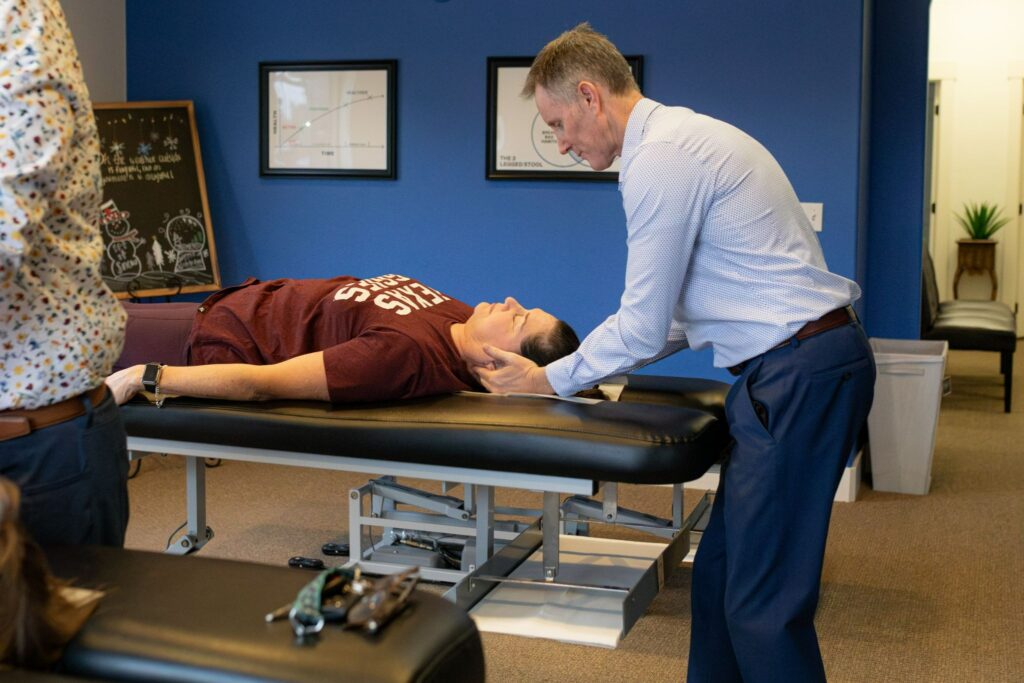

As a local chiropractor, I often see patients who are looking for relief from lower back pain and tend to gravitate towards traditional treatments. However, I want to share with you some surprising methods that can offer significant relief and enhance your overall well-being. Techniques such as mindfulness meditation and water therapy are holistic approaches that can transform your experience with pain.
Have you ever considered how incorporating these natural healing techniques into your daily routine might benefit you? Let’s take a closer look at these unexpected options together and explore how they can complement chiropractic care in your journey to better health.
The Power of Mindfulness Meditation
As a local chiropractor, I often see patients who struggle with lower back pain. One effective method I recommend for managing this discomfort is mindfulness meditation. This practice encourages you to focus on the present moment, which can significantly reduce stress and promote relaxation—key factors in alleviating muscle tension.
Here’s a simple technique you can try: Find a comfortable position, close your eyes, and take slow, deep breaths. As you inhale, visualize warmth spreading through your lower back, helping to soothe any discomfort. With each exhale, imagine releasing any tension you might be holding. If your mind begins to wander, gently redirect your focus back to your breath.
Incorporating mindfulness meditation into your routine can enhance your awareness of your body’s sensations. This increased awareness allows you to acknowledge pain without judgment, which can lessen its emotional burden.
Over time, you may find that mindfulness meditation fosters a more resilient mindset, making it easier to cope with lower back pain and improving your overall well-being.
As you explore natural healing options alongside chiropractic care, consider integrating mindfulness meditation into your daily life. It can be a powerful ally in your journey toward better health.
Exploring Acupuncture Techniques
If you’re looking for natural ways to manage lower back pain, I’d like to introduce you to acupuncture techniques, which can complement chiropractic care effectively.
This ancient practice involves the careful insertion of thin needles into specific points on the body to stimulate energy flow and encourage healing. By focusing on areas connected to your lower back, acupuncture can help reduce inflammation, enhance circulation, and alleviate muscle tension.
While some patients might experience a brief pinch during needle insertion, many report feeling quite relaxed throughout the session. Typically, treatments last between 30 to 60 minutes, and you may notice immediate relief or gradual improvement as you continue.
It’s important to work with a licensed acupuncturist who can customize the treatment to fit your specific needs.
Incorporating acupuncture into your pain management plan can significantly boost your overall well-being. I encourage you to consider this holistic approach as part of your journey toward relief from lower back pain.
Utilizing Essential Oils for Pain Relief
As a local chiropractor, I want to share with you some natural methods for alleviating lower back pain that go beyond traditional chiropractic adjustments.
One effective option is the use of essential oils, which can play a significant role in your pain relief journey. These oils have therapeutic properties that can help reduce inflammation, enhance circulation, and promote relaxation.
For effective relief, consider incorporating oils like lavender, eucalyptus, and peppermint into your routine. Lavender is renowned for its calming effects, making it a great choice for stress relief, while eucalyptus can assist in easing muscle tension, which is often a contributor to back pain. Peppermint oil offers a cooling sensation that may help alleviate discomfort.
To use these essential oils safely, I recommend diluting them with a carrier oil, such as coconut or olive oil, before gently massaging the mixture into your lower back.
Alternatively, adding a few drops of essential oil to a warm bath can provide a soothing soak that helps relax your muscles and ease pain.
By incorporating essential oils into your wellness routine, you aren’t only supporting physical relief but also nurturing your overall well-being.
I encourage you to give this natural approach a try; you may just discover the relief you’ve been searching for!
The Benefits of Tai Chi for Back Health
As a local chiropractor, I often see patients who are seeking relief from lower back pain through conventional treatments. However, I want to introduce you to an alternative approach that can significantly enhance your back health: Tai Chi.
This gentle martial art emphasizes slow, deliberate movements that not only promote flexibility and strength but also align with the principles of natural healing.
Practicing Tai Chi can help improve your posture, which is crucial for maintaining a healthy lower back. Good posture reduces strain on your spine and muscles, leading to less discomfort and better overall alignment.
Additionally, the mindful aspect of Tai Chi plays a vital role in managing stress, a common factor that can contribute to back pain. As you flow through the movements, you cultivate greater body awareness, enabling you to recognize and adjust any imbalances that may be causing tension in your back.
The low-impact nature of Tai Chi exercises builds muscle endurance, making daily activities feel easier and more manageable. By incorporating regular Tai Chi practice into your routine, you aren’t only addressing your current pain but also laying a stronger foundation for long-term back health.
I encourage you to consider this holistic approach to wellness. By embracing Tai Chi alongside chiropractic care, you may discover a renewed sense of well-being and greater resilience against future discomfort.
Experimenting With Heat and Cold Therapy
As your local chiropractor, I want to share the benefits of experimenting with heat and cold therapy for lower back pain relief.
Many patients may not realize how effective these natural methods can be in managing discomfort. Applying heat can help relax tense muscles and boost blood circulation, providing soothing relief.
On the other hand, cold therapy is excellent for reducing inflammation and numbing sharp pain, which can be especially helpful after an injury.
By understanding how to use both heat and cold effectively, you can take significant steps toward alleviating your pain and improving your overall well-being.
Benefits of Heat Application
As a chiropractor, I often recommend heat application as a simple yet effective method for alleviating lower back pain, particularly for those exploring different relief strategies.
When you apply heat to the affected area, it increases blood flow, which can help relax tense muscles and reduce stiffness. Many of my patients find immediate comfort using a heating pad, hot water bottle, or even a warm towel.
This gentle warmth not only soothes discomfort but also encourages the release of endorphins, your body’s natural pain relievers, which can significantly enhance your overall sense of well-being.
Heat therapy is particularly beneficial during the chronic phase of pain, making it easier for you to engage in your daily activities with less discomfort.
I recommend using heat for about 15 to 20 minutes at a time, ensuring that you don’t risk burning your skin. It’s a soothing approach that many of my patients find helpful.
If you’re looking for natural ways to manage your pain, incorporating heat therapy could be a great addition to your routine.
Cold Therapy Techniques
As a local chiropractor, I want to share with you one effective method for alleviating lower back pain: cold therapy. This technique can be particularly beneficial when combined with heat therapy for optimal relief.
To get started, you can apply an ice pack—just remember to wrap it in a cloth—to the painful area for about 15 to 20 minutes. This application not only helps to reduce inflammation but also numbs the pain, providing you with some much-needed comfort.
If you don’t have an ice pack handy, don’t worry! Frozen vegetables can serve as a great alternative. Just be sure to allow your skin to rest between applications to avoid frostbite.
I recommend alternating cold therapy with heat for enhanced relief. Start with the cold treatment, and then switch to a warm compress to soothe your muscles.
You might also want to consider using cold gel packs or even taking a cold shower for broader coverage. Everyone’s body responds differently, so I encourage you to experiment with these techniques to find the combination that soothes your lower back the best.
Discovering the Impact of Nutrition on Pain
As a local chiropractor dedicated to helping you find relief from lower back pain, I want to emphasize that while many patients focus on physical therapies and medications, the role of nutrition in managing pain is often overlooked.
What you choose to eat can significantly influence how your body handles inflammation and discomfort. Incorporating anti-inflammatory foods into your diet, such as fatty fish, nuts, and leafy greens, can be a game changer.
These foods are rich in essential nutrients that not only support tissue repair but also enhance muscle function, promoting overall well-being. Conversely, it’s important to be mindful of processed foods high in sugars and unhealthy fats, as these can heighten inflammation and worsen your pain.
Hydration is another critical factor; drinking enough water helps keep your joints lubricated and can prevent stiffness. I also recommend adding natural spices like turmeric and ginger to your meals.
Both of these spices are known for their anti-inflammatory properties and can be a simple way to boost your diet’s effectiveness in managing pain. By focusing on nutrition alongside chiropractic care, we can work together to create a holistic approach to your recovery and overall health.
Incorporating Yoga Into Your Routine
As a chiropractor, I want to emphasize the incredible benefits of incorporating yoga into your daily routine, especially for those dealing with lower back pain.
Many of my patients have found that specific yoga poses can significantly reduce muscle tension and enhance flexibility, which is essential for maintaining spinal health.
Engaging in yoga not only helps alleviate discomfort but also promotes relaxation, which is vital for overall well-being.
I encourage you to explore some foundational poses that can support your journey towards better spinal alignment and pain relief.
Let’s take a look at these beneficial poses and how they can complement your chiropractic care for optimal results.
Benefits of Yoga
As a chiropractor, I want to emphasize the incredible benefits of integrating yoga into your daily routine for both pain relief and overall wellness. Many of my patients have found significant relief from lower back pain through the practice of yoga. This form of exercise promotes essential qualities like flexibility, strength, and balance that are crucial for maintaining a healthy spine.
When you engage in yoga, you learn to tune into your body, which allows you to recognize movements that may exacerbate your discomfort. Additionally, the emphasis on breath control during yoga practice isn’t just about relaxation; it plays a vital role in reducing stress, which can lead to further tension in your back.
Regular yoga practice can also improve your posture, alleviating pressure on your spine and the surrounding muscles. This aspect is particularly important for those of you who may spend long hours sitting or engaging in activities that strain your back.
By dedicating time to yoga, you’re not only working towards relieving pain but also cultivating mindfulness. This mindfulness can enhance your resilience and foster a sense of peace in your everyday life.
As you explore natural healing methods, consider incorporating yoga into your routine. It’s a holistic approach that complements chiropractic care and can significantly improve your quality of life.
Recommended Poses
As a local chiropractor, I want to share some effective yoga poses that can significantly help with lower back pain relief. Incorporating these poses into your routine can enhance your flexibility and strength, which are essential for maintaining a healthy spine.
Start with the Cat-Cow stretch; this gentle movement warms up your spine and helps to relieve tension. Following that, try Downward-Facing Dog. This pose is excellent for lengthening your back and improving circulation, which is crucial for overall spinal health.
Next, consider the Child’s Pose. This restful position gently stretches the lower back and promotes relaxation, making it an ideal way to unwind after a long day.
The Seated Forward Bend is another recommended pose that enhances hamstring flexibility, which can alleviate strain on your back.
Finally, don’t overlook the Bridge Pose. This exercise strengthens your core and glutes, providing much-needed support for your lower back.
I encourage you to practice these poses regularly, holding each one for about 5-10 breaths. By doing so, you may notice improved comfort and mobility in your daily activities.
If you have any questions or want personalized guidance, feel free to reach out!
The Role of Sleep in Back Pain Management
As a local chiropractor, I often emphasize the importance of sleep in managing lower back pain. Many people are unaware of how crucial quality sleep is for recovery. When you get enough rest, your body is better equipped to heal and repair itself, which can significantly reduce pain and discomfort.
Here are four ways that sleep can positively impact your lower back pain management:
- Muscle Recovery: While you sleep, your muscles have the chance to relax and repair. This process can help alleviate tension in your back, making you feel more comfortable when you wake up.
- Pain Perception: Getting sufficient sleep can lower your sensitivity to pain. When well-rested, you may find it easier to cope with discomfort throughout your day, allowing you to engage more fully in activities you enjoy.
- Inflammation Reduction: Quality sleep plays a vital role in regulating your body’s inflammatory responses. This can lead to a decrease in pain levels, making it easier for you to manage your back pain effectively.
- Mood Enhancement: A good night’s sleep can significantly improve your mood and energy levels. When you feel better emotionally, you’re more likely to stay motivated and participate in activities that support your back health.
By prioritizing quality sleep, you can make a substantial difference in your journey toward relief from lower back pain.
As your chiropractor, I’m here to guide you in finding holistic approaches that encompass not just spinal adjustments, but also lifestyle changes like improving your sleep habits.
Engaging in Water Therapy Exercises
As a local chiropractor, I want to share with you the incredible benefits of water therapy exercises, especially if you’re dealing with lower back pain. Many of my patients have found that exercising in water can significantly alleviate their discomfort. The buoyancy of water not only reduces strain on your joints and muscles but also provides a unique opportunity to strengthen them without the risk of injury.
Let’s dive into the advantages of water therapy exercises. They can enhance flexibility, improve circulation, and promote relaxation—all of which are crucial for healing.
I’ll also guide you through some effective exercises to try, as well as important safety precautions to ensure you have a safe and beneficial experience.
Remember, it’s essential to listen to your body and consult with your healthcare provider before starting any new exercise regime, especially if you’re managing pain.
Benefits of Water Therapy
As a local chiropractor, I often recommend water therapy exercises to my patients who are dealing with lower back pain. It’s a fantastic, natural method of relief that offers several benefits.
When you immerse yourself in water, the strain on your body is significantly reduced, making movements much easier and less painful. Here are some key benefits you can expect from incorporating water therapy into your routine:
- Buoyancy: The water supports your weight, which means you can move freely without putting additional pressure on your spine. This makes it an ideal environment for rehabilitation.
- Flexibility: The natural resistance of water helps enhance your flexibility. This increased range of motion is essential for recovery and can lead to significant pain relief.
- Strengthening: Water provides a safe space to build muscle strength without the risk of injury. The gentle resistance allows you to engage in exercise that strengthens your body effectively.
- Relaxation: The calming properties of water can help reduce stress and tension, contributing positively to your overall well-being. Feeling relaxed can also enhance your body’s healing process.
Incorporating water therapy into your recovery plan can be an excellent complement to chiropractic care, helping you manage pain and improve your quality of life naturally.
If you have any questions about how to get started, feel free to ask!
Recommended Water Exercises
As a local chiropractor, I want to share with you the incredible benefits of incorporating water therapy into your wellness routine. Water exercises can be a game changer, especially for those of you who may be dealing with back discomfort or seeking a natural way to improve your overall health. The buoyancy of water alleviates pressure on your spine, allowing you to move freely without strain.
Start your journey with gentle stretches, such as arm circles and leg swings, which can help loosen up tight muscles. Once you’re warmed up, I recommend walking in the shallow end of the pool; this not only promotes good posture but also encourages proper alignment, which is crucial for your spinal health.
You can also incorporate basic exercises like water squats and lunges. These movements engage your core, providing stability and supporting your back. For those looking to build strength, using water weights can significantly enhance the effectiveness of your workouts, particularly for your back and abdominal muscles.
To wrap up your session, consider a relaxing float or a gentle backstroke. This not only relieves tension but also allows your body to recover from the exercises.
Safety Precautions to Consider
As your local chiropractor, I want to emphasize the importance of safety when it comes to water therapy. While this form of therapy can provide numerous benefits for your overall health, prioritizing safety is key to ensuring a positive experience.
Here are some essential precautions to consider:
- Consult Your Chiropractor: Before initiating any new exercise routine, especially if you have pre-existing health conditions, it’s crucial to discuss it with me or your healthcare provider. We can help tailor a program that suits your unique needs.
- Select the Right Environment: It’s important to choose a water setting that promotes relaxation. Aim for water that’s warm enough to soothe your muscles, but be cautious not to let it become overly hot, as this can lead to discomfort.
- Utilize Proper Equipment: To enhance both safety and effectiveness during your water exercises, consider using flotation devices or resistance tools. These can support your movements and help prevent injury.
- Stay Hydrated: Even when you’re submerged in water, your body can still lose fluids. Be sure to drink water before and after your therapy sessions to maintain proper hydration.
Trying Out Biofeedback for Pain Control
If you’re dealing with chronic lower back pain, I encourage you to consider biofeedback as an innovative approach to managing your discomfort. As a chiropractor, I often see how this technique can empower individuals to take control of their pain management journey. Biofeedback helps you tune into your body’s responses, providing valuable insights that enable you to manage pain more effectively.
Through the use of sensors placed on the skin, biofeedback tracks physiological functions like muscle tension and heart rate. By becoming aware of these signals, you can learn to modify them, leading to a reduction in pain and stress levels. This process often includes practicing relaxation techniques and mindfulness, which can result in a significant decrease in your discomfort.
Many of my patients have reported notable improvements in their pain management and overall quality of life after integrating biofeedback into their wellness routines. While everyone’s experience may differ, it’s a non-invasive option that’s definitely worth exploring—especially if traditional treatments haven’t brought you the relief you seek.
I recommend seeking the guidance of a trained professional who can help you navigate the biofeedback process and maximize its benefits for your lower back pain. Together, we can work towards a more holistic approach to your health and well-being.
Conclusion
As a local chiropractor, I want to share some surprising methods for lower back pain relief that can truly change your approach to managing discomfort. It’s essential to understand that addressing the root causes of pain is far more effective than simply masking it. One way to do this is by embracing mindfulness practices, which can help you become more aware of your body and its needs.
Additionally, exploring therapies like acupuncture can provide significant relief by promoting natural healing within your body. Essential oils are another excellent option; they offer therapeutic benefits that can complement your overall wellness strategy.
I also encourage you to consider incorporating practices such as Tai Chi and water therapy into your routine. These activities not only enhance strength and flexibility but also promote relaxation and stress relief.
Don’t forget that prioritizing good sleep and proper nutrition plays a crucial role in your recovery and overall well-being. By adopting these holistic strategies, you can take an active role in your back health and experience a more vibrant and pain-free life. Together, we can work towards a healthier you!