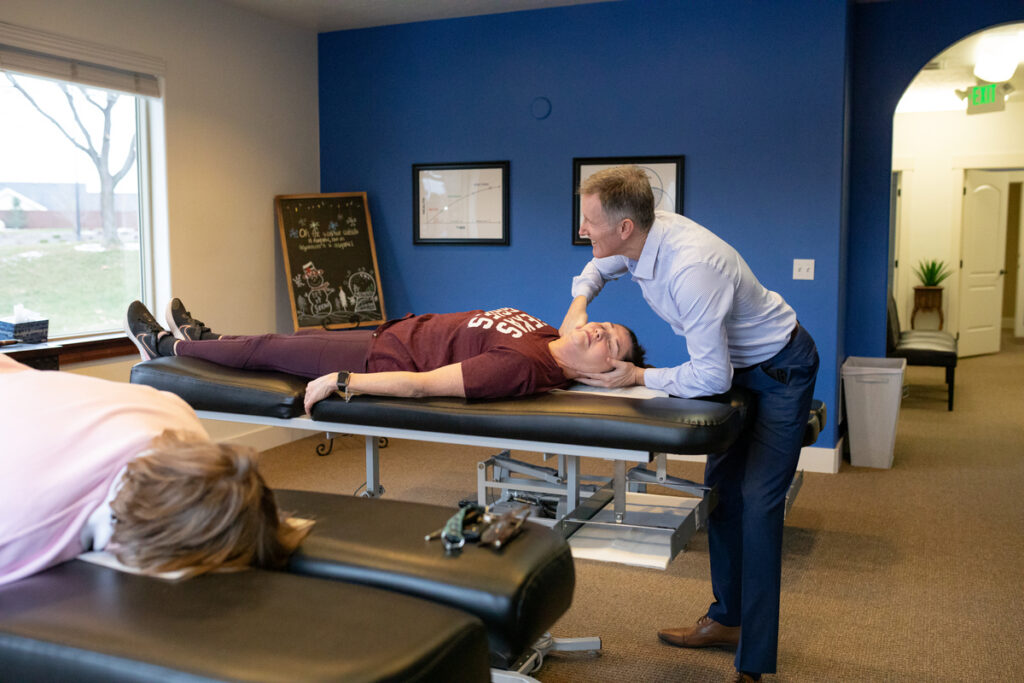

When it comes to managing chronic pain, many people automatically think about quick fixes or relying on medications. As a local chiropractor, I want to encourage you to consider a more holistic approach that emphasizes sustainable solutions through lifestyle changes. These changes can lead to long-term relief and enhanced overall well-being.
By incorporating elements such as a balanced diet, regular physical activity, and mindfulness practices into your daily routine, you can significantly reshape how you handle pain. Chiropractic care complements these lifestyle changes by addressing the root causes of discomfort and promoting optimal function of the nervous system.
But there's even more to explore! Understanding how diet, exercise, and mindfulness work in tandem with chiropractic adjustments can open up new pathways for achieving a more fulfilling and pain-free life. Together, we can create a comprehensive plan that empowers you to take charge of your health and well-being.
Understanding Chronic Pain
Chronic pain is a condition that affects around 20% of adults, making it a prevalent yet intricate issue that many face. As a chiropractor, I want to help you understand that chronic pain often manifests as persistent discomfort that can linger for weeks, months, or even years—sometimes outlasting the normal healing process.
Unlike acute pain, which signals an injury or illness, chronic pain can evolve into a condition in its own right, impacting both your physical and emotional well-being.
To truly grasp the complexities of chronic pain, it's essential to recognize that it can arise from various sources, including injuries, existing medical conditions, or even emotional factors such as stress and anxiety. You may notice that your experience with chronic pain extends beyond mere physical sensations; it can influence your mood, disrupt your sleep, and hinder your daily activities.
This interaction between the physical and emotional aspects of pain is crucial, which is why addressing both is key to finding relief.
Furthermore, chronic pain can present itself in different ways. Some days, you may experience sharp, stabbing sensations, while on other days, a dull ache may be more prominent. This unpredictability can be incredibly frustrating and may lead to feelings of hopelessness or isolation.
As a chiropractor, I encourage you to communicate openly with me about your experiences. Together, we can explore potential underlying causes and create a personalized management plan that aligns with your specific needs.
Lifestyle Modifications
As a local chiropractor, I want to share with you how lifestyle modifications can play a crucial role in managing chronic pain.
By focusing on holistic approaches, we can work together to enhance your overall well-being. Simple changes like adopting balanced nutrition, engaging in regular physical activity, and implementing effective stress management techniques can significantly alleviate your discomfort and improve your quality of life.
Let's dive into how these lifestyle changes can empower you to take control of your pain and support your body's natural healing processes.
With the right guidance and commitment, you can experience a positive shift in how you feel every day.
Balanced Nutrition Choices
As a chiropractor, I often emphasize the important role that balanced nutrition plays in managing chronic pain. The foods you consume can significantly affect how your body feels. By making informed choices and incorporating a variety of nutrient-dense foods into your diet, you can help reduce inflammation and support your overall health, which is crucial for effective pain management.
I encourage my patients to include plenty of fruits, vegetables, whole grains, lean proteins, and healthy fats in their meals. These foods are packed with essential vitamins and minerals that can help alleviate pain. On the other hand, it's important to steer clear of processed foods that are high in sugar and unhealthy fats, as these can lead to increased inflammation and exacerbate your symptoms.
Focus on incorporating foods that are rich in antioxidants, such as berries and leafy greens, as they can help combat oxidative stress in your body. Additionally, omega-3 fatty acids, found in fish like salmon and walnuts, are known for their anti-inflammatory properties and can contribute to reducing discomfort.
Hydration is another key aspect to consider. Drinking plenty of water is vital for maintaining joint health and preventing muscle cramps. I often suggest my patients keep a food diary to monitor how different foods affect their pain levels. This practice can help you identify patterns and make more informed choices about what works best for your body.
Regular Physical Activity
As your local chiropractor, I'm here to share how incorporating regular physical activity into your daily routine can significantly aid in managing chronic pain. Many patients are surprised to learn that exercise can be a powerful ally in improving your overall well-being, elevating your mood, and enhancing your strength and flexibility.
It might seem daunting at first, but even small adjustments can lead to meaningful changes.
Here are four key reasons why you should consider getting moving:
- Natural Pain Relief: Engaging in physical activity triggers the release of endorphins, which are your body's natural pain relievers. With consistent exercise, many patients report a noticeable reduction in their pain levels.
- Improved Mobility: Regular movement is essential for maintaining joint function and flexibility. This can make everyday tasks less challenging and more manageable, reducing discomfort in your daily life.
- Enhanced Mood: Exercise is a well-known mood booster. It can alleviate feelings of depression and anxiety that often accompany chronic pain, helping you feel more positive and energized throughout the day.
- Better Sleep: Incorporating physical activity into your routine can lead to improved sleep quality, which is crucial for recovery and effective pain management.
I recommend starting with gentle activities like walking or stretching, gradually increasing the intensity as you feel comfortable.
Remember, every bit of movement counts, and each step you take is a significant stride toward a more active and fulfilling life.
If you have any questions or need guidance on how to integrate exercise safely into your routine, feel free to reach out during your visit. Together, we can explore the best strategies for your health and well-being.
Stress Management Techniques
As a chiropractor dedicated to helping you on your journey through chronic pain, I want to emphasize the importance of managing stress effectively. Many people may not realize that when stress levels increase, our bodies tend to tense up, which can worsen pain symptoms. By incorporating stress management techniques into your daily routine, you can regain a sense of control and potentially ease your discomfort.
Let's start with deep breathing exercises. By concentrating on your breath, you can activate your body's natural relaxation response, allowing tension to dissipate. Additionally, practices such as mindfulness and meditation can help you remain grounded, reduce anxiety, and enhance your overall sense of well-being.
Regular physical activities like walking or yoga can also play a crucial role in your health. Not only do these activities improve your physical condition, but they also release endorphins—your body's natural pain relievers.
I encourage you to carve out time for activities you enjoy. Whether it's painting, gardening, or reading, engaging in hobbies can provide excellent distractions from your pain.
Establishing a consistent sleep routine is equally important. Quality rest enables your body to heal and manage pain more effectively.
Remember, seeking support is vital too. Don't hesitate to reach out to friends, family, or professionals. Sharing your experiences can lighten your emotional burden and make stress more manageable.
Mindfulness Practices
As a local chiropractor, I want to share how mindfulness practices can significantly aid in managing chronic pain.
By integrating techniques like meditation, breathing exercises, and enhanced body awareness into your routine, you can actively work towards reducing your pain levels and enhancing your overall well-being.
These strategies empower you to take control of your pain and support your journey toward natural healing.
Let's delve into how these approaches can complement chiropractic care and help you lead a more comfortable life.
Meditation Techniques for Pain
As a local chiropractor, I want to introduce you to some effective meditation techniques that can complement your chiropractic care and aid in pain management.
Utilizing these practices can be a powerful addition to your healing journey, helping you alleviate discomfort and improve your overall well-being. By embracing mindfulness, you can transform your relationship with pain, giving you a greater sense of control and reducing feelings of being overwhelmed.
Here are four meditation techniques that I recommend you try:
- Body Scan: Begin by lying down in a comfortable position. Take a moment to mentally scan your body from head to toe, noting any areas of tension without judging them. As you breathe deeply, focus on sending your breath to those tight spots, inviting relaxation and release.
- Loving-Kindness Meditation: This technique encourages you to cultivate compassion for yourself. As you repeat affirmations like "May I be healthy, may I be free from pain," you foster positive emotions that can help reduce stress and enhance your healing process.
- Guided Imagery: Picture a serene and peaceful scene in your mind. Allow yourself to immerse in this visualization, which can act as a distraction from pain and promote a deep sense of relaxation.
- Mindful Breathing: Focus on your breath, paying attention to each inhale and exhale. This simple practice can ground you in the present moment and help diminish your perception of pain.
Incorporating these meditation techniques alongside your chiropractic treatments can significantly enhance your experience with chronic pain and empower you on your path to healing.
Breathing Exercises Benefits
As a chiropractor, I want to share how incorporating breathing exercises into your daily routine can significantly enhance your overall well-being. Many of my patients are surprised to learn that simple techniques focused on breath can greatly reduce stress and promote relaxation.
When you concentrate on your breathing, it helps divert your attention from pain and discomfort, fostering a sense of calm and tranquility. This practice of mindfulness can effectively lower your heart rate and reduce muscle tension, which may contribute to alleviating some of your pain.
Breathing exercises also play a crucial role in improving the oxygen flow throughout your body. Enhanced oxygenation can help boost your energy levels and support vital bodily functions. By practicing deep breathing, you engage your diaphragm, which strengthens your respiratory muscles and can lead to improved lung capacity—a critical factor in overall health.
Moreover, regularly practicing breathing exercises can increase your self-awareness. You become more in tune with your body's signals, which helps you identify specific triggers for pain and stress. This heightened awareness empowers you to respond more effectively to these triggers, allowing you to manage your pain in a more productive way.
The great news is that adding these exercises to your daily routine doesn't require much time or effort. Just a few minutes each day can lead to significant benefits, helping you regain a sense of control over chronic pain and improve your overall quality of life.
As your chiropractor, I encourage you to explore these techniques as a natural and effective complement to your care.
Body Awareness Practices
As a local chiropractor, I understand the challenges that come with managing chronic pain, and I want to share how body awareness practices can be a valuable part of your healing journey. These techniques can help you reconnect with your body, fostering a sense of control and relief. By paying attention to your physical sensations, you can become more aware of pain triggers and learn how to respond with intention.
Here are four effective body awareness practices that I encourage you to incorporate into your daily routine:
- Progressive Muscle Relaxation: This practice involves tensing and then relaxing each muscle group in your body. It's a simple yet powerful way to release built-up tension and promote relaxation.
- Body Scan Meditation: Take some time to slowly focus on each part of your body, observing any sensations without judgment. This can help you gain insight into areas of discomfort and enhance your connection to your physical self.
- Mindful Walking: As you walk, focus on each step and notice the ground beneath you, as well as the rhythm of your breath. This practice allows you to be present in the moment and can create a sense of calm.
- Yoga or Tai Chi: Engaging in gentle movements through yoga or tai chi can improve your flexibility and promote mindfulness. These practices encourage a deeper connection with your body, which can be particularly beneficial for those dealing with pain.
Incorporating these body awareness practices into your routine not only aids in pain management but also fosters a sense of peace and well-being.
As you become more attuned to your body and its needs, you may find that managing chronic pain becomes more achievable. I invite you to start exploring these techniques today and notice the positive changes they can bring to your experience.
Alternative Therapies
As you seek ways to manage chronic pain, I want to introduce you to the world of alternative therapies, which can provide relief beyond what traditional treatments may offer.
My focus as a chiropractor is on holistic approaches that address not just the physical symptoms of pain, but also the emotional and mental aspects that often accompany it.
One popular alternative therapy I recommend is acupuncture. This ancient practice involves inserting thin needles at specific points in the body, which can help activate your natural pain relief mechanisms. Many of my patients report experiencing reduced pain and an overall sense of well-being after just a few sessions.
Another effective option we often discuss is massage therapy. Regular massages can significantly alleviate muscle tension, enhance circulation, and promote relaxation—all of which are vital for reducing pain levels.
Whether you prefer deep tissue, Swedish, or trigger point therapy, I can help connect you with a skilled massage therapist who can tailor the experience to your unique needs.
Additionally, practices like yoga and tai chi are excellent for those looking to incorporate gentle movement and stretching into their routine. These exercises not only improve flexibility and strength but also promote mindfulness, allowing you to foster a more positive relationship with your body and your pain.
Lastly, I encourage you to consider the benefits of aromatherapy. Essential oils, such as lavender and peppermint, can create a calming environment, helping to reduce stress and discomfort.
By incorporating these oils into your daily routine—whether through diffusion or topical application—you may find an enhancement in your overall sense of well-being.
As your chiropractor, my goal is to guide you through these natural healing options and support you on your journey toward pain relief and improved health.
Nutrition and Diet
As a local chiropractor, I want to emphasize how crucial a balanced diet can be in managing chronic pain and enhancing your overall well-being. The food choices you make can either increase your pain or help alleviate it. By prioritizing nutrient-rich foods, you can support your body's natural healing processes and potentially reduce inflammation, a common factor in chronic pain conditions.
Here are four dietary changes I recommend to help you manage your chronic pain effectively:
- Increase Omega-3 Fatty Acids: Incorporating foods rich in omega-3 fatty acids, such as salmon, walnuts, and flaxseeds, can be incredibly beneficial. These foods have anti-inflammatory properties that may help lessen pain and improve your mobility.
- Load Up on Fruits and Vegetables: Colorful fruits and vegetables are loaded with antioxidants that help combat oxidative stress in the body. Try to include a variety of colors in your meals; this not only makes your plate more appealing but also maximizes your nutrient intake.
- Reduce Processed Foods: Processed foods are often high in unhealthy fats, sugars, and additives, which can exacerbate inflammation and discomfort. By minimizing these foods in your diet, you may notice a significant drop in your pain levels.
- Stay Hydrated: Proper hydration is vital for maintaining joint lubrication and overall health. I recommend drinking at least 8 glasses of water per day to ensure your body remains hydrated and functions optimally.
Support Systems
As a local chiropractor, I want to emphasize the importance of support systems in managing chronic pain, alongside dietary changes and chiropractic care. When you're faced with ongoing discomfort, having a strong network can significantly enhance your healing journey. Surrounding yourself with empathetic friends, family members, or support groups can provide both emotional comfort and practical help, making you feel less alone as you navigate your pain.
I encourage you to explore local or online support groups where you can connect with others experiencing similar issues. Sharing your experiences and learning from others can offer new insights and strategies for managing pain effectively. Open conversations about your struggles can foster deeper connections with your loved ones, helping them understand your situation better.
Professional support is equally important. Therapists or counselors specializing in chronic pain can work with you to develop coping mechanisms and address any emotional hurdles you may face. Together, you can confront negative thought patterns that may intensify your discomfort.
It's also beneficial to educate those around you about your condition. By sharing resources, articles, or even inviting them to your chiropractic appointments, you can empower your support network to better understand what you're going through and how they can assist you.
Ultimately, building a strong support system is crucial not only for coping with pain but also for empowering you to take control of your healing journey. Remember, you don't have to face this path alone. Reach out and create the connections that will uplift and support you in your pursuit of wellness.
Conclusion
As a local chiropractor, I want to share how incorporating sustainable solutions for chronic pain management can truly transform your life. Many of my patients have found that by embracing lifestyle modifications, practicing mindfulness, and exploring alternative therapies, they can take significant control over their pain.
It's important not to underestimate the impact of a balanced diet and a strong support system—both are crucial components of your healing journey. Chiropractic care is a natural approach that can help restore balance and function to your body, complementing these other strategies.
Remember, you have the power to create a more manageable and fulfilling life, even in the face of chronic pain. I encourage you to start implementing these strategies today, including considering chiropractic care as a valuable part of your pain management plan. Together, we can empower you to live better and improve your overall well-being.