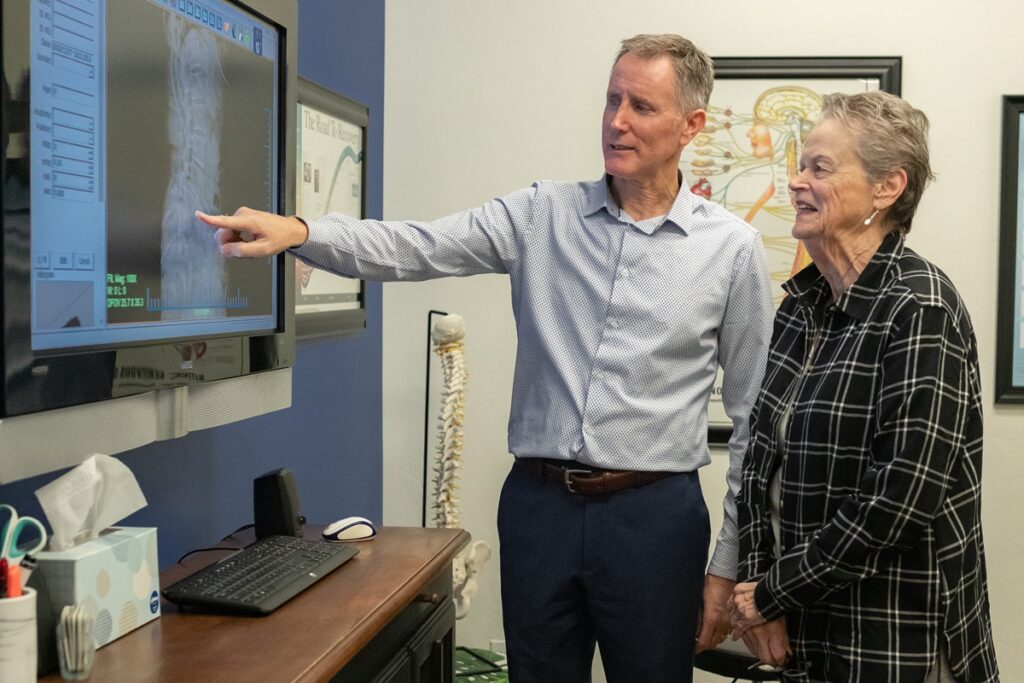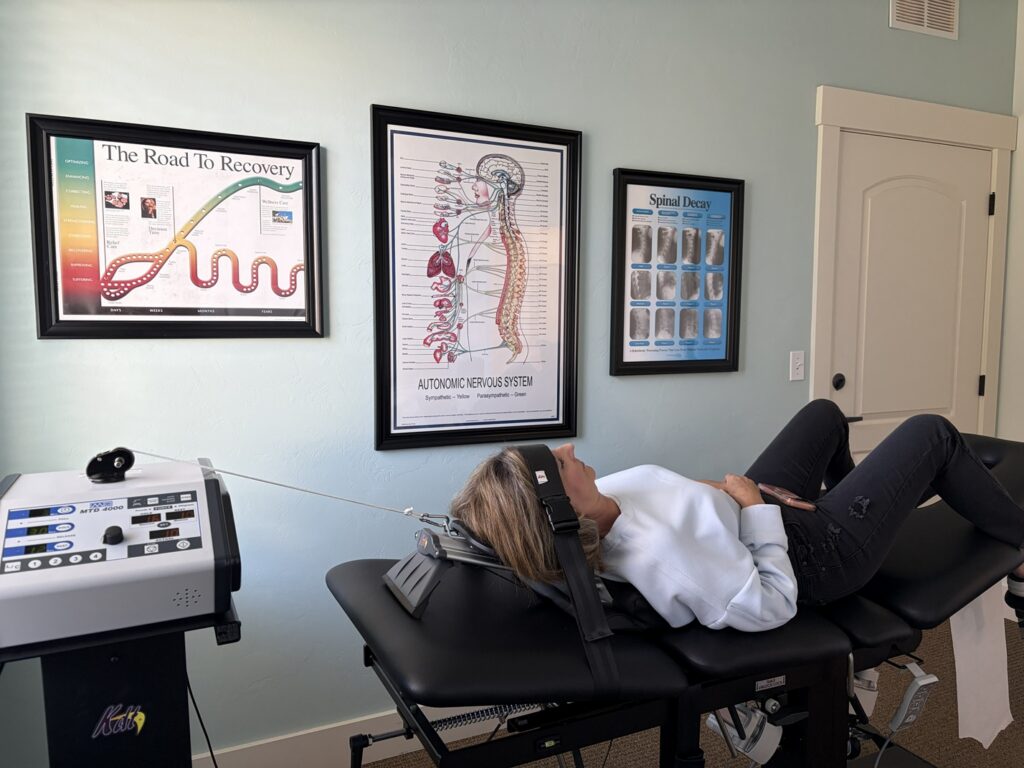

When you think about your health, it's clear that a one-size-fits-all approach isn't effective for everyone. Tailored treatment plans can greatly enhance your well-being by focusing on your specific needs, preferences, and circumstances. By integrating various components, from medical history to lifestyle choices, these plans not only improve adherence but also address the complexities of chronic conditions. However, the conversation doesn't end there; understanding the broader implications of personalized care could reshape your perspective on health. What aspects of tailored plans truly make a difference in your journey?
Importance of Personalization
Personalization in treatment plans is essential for achieving the best outcomes. When you consider that each individual responds differently to various treatments, it's clear that a one-size-fits-all approach often falls short. Tailored plans take into account your unique medical history, lifestyle, and preferences, ensuring that the treatment aligns with your specific needs. By focusing on what works for you, healthcare providers can enhance the effectiveness of interventions, minimizing side effects and maximizing benefits.
Moreover, personalization fosters a sense of ownership over your health journey. When you're actively involved in the decision-making process, you're more likely to adhere to the treatment plan. This commitment can lead to better adherence to medications, increased engagement in therapy, and a stronger motivation to achieve your health goals.
Additionally, personalized treatment plans can help identify and address potential barriers you may face. Whether it's financial constraints, time limitations, or personal preferences, a tailored approach allows for flexibility. For instance, if you prefer a specific type of therapy or have a busy schedule, your plan can reflect that, making it easier for you to stick with it.
In essence, personalization transforms treatment from a generic experience into a collaborative effort. By considering your individual circumstances, you increase the likelihood of achieving ideal health outcomes. Ultimately, the more tailored your treatment plan is, the greater your chances for success and improved well-being.
Components of Tailored Plans
Creating a tailored treatment plan involves several key components that work together to provide a thorough approach to your health. First, it's important to conduct a detailed assessment. This includes evaluating your medical history, current conditions, lifestyle, and personal preferences. By understanding all these factors, you can identify specific needs that will guide your treatment.
Next, setting clear and achievable goals is important. These goals should be realistic and aligned with your personal values, helping to keep you motivated throughout the process. Whether it's improving physical health, enhancing mental well-being, or managing specific symptoms, these goals will serve as a roadmap for your journey.
Another significant component is selecting appropriate interventions. This can range from medication and therapy to lifestyle changes like diet and exercise. It's necessary to choose methods that resonate with you, making it more likely that you'll stick with them.
Regular monitoring and evaluation are also key elements of a successful tailored plan. By tracking your progress, you can identify what works and what needs adjustment. This flexibility allows your plan to evolve based on your changing needs and responses to treatment.
Finally, collaboration with healthcare professionals can enhance your plan's effectiveness. Open communication with your doctors, therapists, or nutritionists ensures everyone involved is on the same page, making it easier to achieve your health goals.
Benefits for Chronic Illnesses
Tailored treatment plans offer considerable benefits for managing chronic illnesses. By customizing your approach based on your unique needs, you can experience more effective symptom management and improved overall health. These plans take into account your medical history, lifestyle factors, and personal preferences, guaranteeing that the treatment you receive aligns with your specific situation.
One of the key advantages of tailored plans is the increased likelihood of adherence. When you engage in a treatment that resonates with you, whether it's medication, lifestyle changes, or alternative therapies, you're more likely to stick with it. This consistency can lead to better health outcomes and a greater sense of control over your condition.
Additionally, tailored plans can enhance communication between you and your healthcare providers. By discussing your preferences and experiences openly, you create a partnership that fosters trust and accountability. This collaboration helps guarantee that adjustments can be made quickly if something isn't working as expected.
Moreover, personalized treatment tends to focus on holistic approaches, addressing not just the physical aspects of your illness but also the lifestyle changes that can make a difference.
You may find that incorporating exercise, nutrition, and stress management techniques can considerably improve your quality of life.
Psychological and Emotional Health
When managing chronic illnesses, it's essential to take into account your psychological and emotional health alongside physical symptoms. Chronic conditions often bring about feelings of frustration, anxiety, or sadness, which can greatly impact your overall well-being. Recognizing these emotional challenges is the first step toward developing a thorough treatment plan.
You might find it helpful to engage in regular self-reflection. Journaling your thoughts and feelings can provide insights into your emotional state and help you identify triggers that affect your mental health. Additionally, don't hesitate to reach out for support—whether it's from friends, family, or mental health professionals. Talking about your experiences can lighten the emotional load and foster a sense of community.
Mindfulness practices, such as meditation or yoga, can also play an essential role in managing your psychological health. These activities help you stay grounded and reduce stress, enabling you to cope better with the challenges of living with a chronic illness. Incorporating physical activities that you enjoy can further enhance your mood and overall outlook.
Lastly, consider setting achievable goals for both your physical and emotional health. This could mean scheduling regular therapy sessions or simply dedicating time each week to activities that bring you joy.
The Future of Personalized Care
As you prioritize your psychological and emotional health, it becomes clear how personalized care is shaping the future of chronic illness management. The shift towards individualized treatment plans is revolutionizing how healthcare providers approach your unique needs. Instead of a one-size-fits-all method, professionals are now focusing on your specific genetic makeup, lifestyle choices, and personal experiences to design tailored interventions.
Imagine a future where technology plays a critical role in your care. Wearable devices and mobile applications can track your health metrics in real time, providing data that informs your treatment plan. With this information, your healthcare team can adjust medications, recommend lifestyle changes, or suggest therapies that resonate with you. This proactive approach means you're not just a passive recipient of care; you're an active participant in your health journey.
Moreover, the integration of artificial intelligence into healthcare systems is enhancing personalized care. Algorithms analyze vast amounts of data to identify patterns and predict your needs, ensuring you receive the right interventions at the right time. This can lead to better outcomes and improved quality of life.
Ultimately, the future of personalized care is about collaboration. You'll work closely with your healthcare providers, creating a partnership based on trust and communication. As personalized care continues to evolve, it holds the promise of not only managing chronic illnesses more effectively but also empowering you to take control of your overall well-being.
Conclusion
Incorporating tailored treatment plans into your healthcare routine can greatly enhance your well-being. By focusing on your unique needs, these personalized approaches not only improve symptom management but also support your emotional and psychological health. As you collaborate with healthcare professionals, you'll find that these customized strategies lead to better outcomes and a higher quality of life. Embrace the future of personalized care, and take charge of your health journey today!