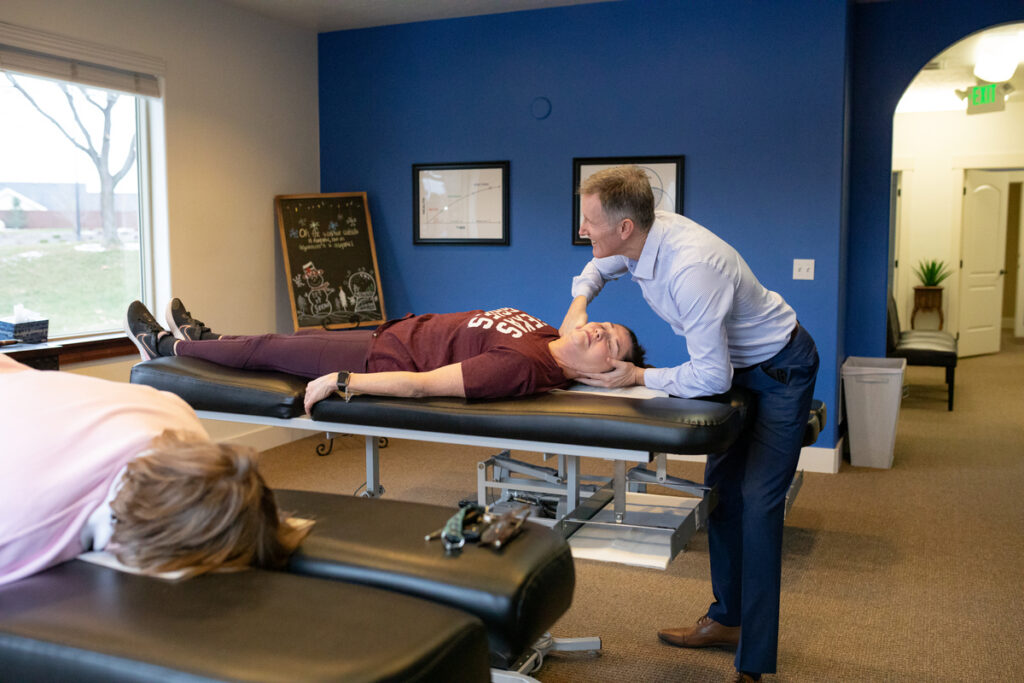

If you’ve experienced whiplash, your recovery journey might seem daunting. However, taking the right steps can ensure your neck heals effectively and naturally. By emphasizing rest, gentle movements, and the invaluable support of chiropractic care, you can significantly enhance your recovery process. Let’s delve into the top 10 tips that can help you regain comfort and mobility, guiding you back to feeling like yourself again.
- Seek Chiropractic Care: One of the best ways to address whiplash is through chiropractic adjustments. A chiropractor can realign your spine, relieve tension, and enhance your body’s ability to heal itself naturally.
- Prioritize Rest: Allow your body to recuperate. Adequate rest is essential for healing and can help reduce inflammation in the neck.
- Gentle Movements: Engage in gentle neck stretches and movements, as advised by your chiropractor. This can help maintain mobility without placing undue stress on your injured area.
- Ice Therapy: Applying ice packs to the affected area can help minimize swelling and alleviate pain. Just remember to wrap the ice in a cloth to protect your skin.
- Stay Hydrated: Drinking plenty of water is vital for overall health and can assist in the healing process by keeping your tissues hydrated.
- Posture Awareness: Be mindful of your posture, especially if you spend long hours sitting. Good posture can reduce strain on your neck and promote healing.
- Warm Compresses: After the initial swelling has subsided, using warm compresses can help relax tense muscles and improve blood flow to the area.
- Nutrient-Rich Diet: Eating a balanced diet rich in vitamins and minerals can support your body’s healing efforts. Focus on foods like fruits, vegetables, lean proteins, and whole grains.
- Limit Strain: Avoid activities that could exacerbate your injury, such as heavy lifting or high-impact sports, until cleared by your chiropractor.
- Regular Check-Ins: Schedule regular appointments with your chiropractor to monitor your progress. They can adapt your treatment plan as needed, ensuring optimal recovery.
Remember, whiplash recovery is a journey that requires patience and care. By incorporating these tips and prioritizing chiropractic care, you’ll be taking significant steps towards achieving optimal health and wellness. Your body has an incredible ability to heal, and with the right support, you’ll be back to your usual activities in no time!
Rest and Limit Movement
When you’re recovering from whiplash, prioritizing rest and limiting movement is crucial for your healing journey. Your body needs ample time to heal, so it’s important not to rush back into your regular activities. Spend the first few days taking it easy, allowing your neck muscles to relax and recover.
Pay close attention to what your body is telling you; if an activity causes pain or discomfort, stop right away. It may be tempting to push through the discomfort, but doing so can extend your recovery time. Instead, focus on gentle movements that feel comfortable, which can help maintain flexibility without putting extra strain on your neck.
Using supportive pillows while you sleep can aid in keeping your neck properly aligned, promoting a better healing environment. It’s wise to steer clear of high-impact sports or heavy lifting until your chiropractor gives you the go-ahead. Remember, each day is a step toward recovery, and patience is essential.
By emphasizing rest and limiting movement, you’re laying the groundwork for a smoother healing experience. Additionally, incorporating chiropractic care into your recovery plan can be incredibly beneficial. Chiropractors specialize in restoring proper alignment and function to the spine, which can significantly alleviate pain and enhance your overall well-being.
Consider scheduling a visit to your chiropractor to discuss your recovery and receive tailored advice. They can provide gentle adjustments and supportive therapies that promote healing and help you regain strength and mobility.
Embracing chiropractic care is a natural, effective way to achieve optimal health and wellness during your recovery from whiplash.
Apply Ice and Heat Therapy
After prioritizing rest and limiting movement, incorporating ice and heat therapy can significantly enhance your recovery from whiplash. These natural methods can help reduce pain and inflammation while promoting healing, making them a great complement to your chiropractic care.
Here’s how to effectively use ice and heat therapy:
- Ice Therapy: Start by applying an ice pack wrapped in a cloth to the affected area for about 15-20 minutes. This is especially important in the first 48 hours after your injury, as it can help minimize swelling and numb the pain.
- Heat Therapy: Once the initial swelling has gone down, you can transition to heat therapy. Use a warm towel or heating pad for 15-20 minutes to relax tight muscles and improve blood flow. This can be particularly soothing and supportive of your recovery.
- Alternating Therapies: If you find it helpful, try alternating between ice and heat. This combination can aid in managing pain and enhancing circulation, which is beneficial for healing.
- Listen to Your Body: Be mindful of how your neck feels during these treatments. If you notice any increase in pain, don’t hesitate to adjust your approach. Your body knows best!
Remember, while ice and heat therapy can provide relief, chiropractic care is your best ally in achieving optimal health and well-being.
A chiropractor can help address the underlying issues related to your whiplash and guide you through a personalized recovery plan that focuses on natural healing.
Always consult your chiropractor for advice tailored to your specific situation, and enjoy the journey to a healthier, pain-free life!
Practice Gentle Stretching
To support your recovery from whiplash, practicing gentle stretching can be incredibly beneficial. Stretching not only improves flexibility but also helps reduce muscle tension and promotes healthy blood flow to the affected areas.
Begin with simple neck movements, such as tilting your head side to side and gently rotating it. Hold each position for about 15-30 seconds, but remember to listen to your body and avoid pushing yourself too hard.
In addition to neck stretches, you can enhance your recovery by incorporating shoulder rolls and upper back stretches. These movements can alleviate tension and improve your overall mobility. Aim to stretch at least once a day, especially after long periods of inactivity.
Deep breathing during your stretches can help you relax and maximize the benefits of your efforts. It’s important to note that if you experience pain while stretching, you should stop immediately and consult a chiropractor or healthcare professional.
Gentle stretching, when done properly, can significantly support your journey to recovery and help you regain your normal range of motion.
Remember, chiropractic care is an excellent choice for addressing pain naturally and promoting overall wellness. By focusing on gentle movement and proper spinal alignment, you can enhance your healing process and achieve optimal health.
Consider scheduling a visit with your chiropractor to explore personalized treatment options that can complement your stretching routine and support your recovery journey.
Maintain Good Posture
Maintaining good posture is crucial for your whiplash recovery and overall spinal health. Proper alignment not only alleviates strain on your neck and shoulders but also supports your body’s natural healing processes. Here are some simple tips to help you maintain good posture and enhance your recovery:
- Sit Upright: When sitting, ensure your back is straight, shoulders are relaxed, and feet are flat on the floor. This position helps to keep your spine aligned and reduces discomfort.
- Use Support: Opt for a chair that provides good lumbar support. This encourages a healthy spine position and can significantly aid in your recovery.
- Adjust Your Workspace: Make sure your computer screen is at eye level and your keyboard is close enough so you don’t need to lean forward. Proper ergonomics can prevent additional strain and promote better posture.
- Stay Mindful: Throughout the day, take a moment to check in with your posture. Small adjustments can make a big difference in how you feel.
Remember, chiropractic care is an excellent option for addressing pain and promoting natural wellness.
Seek Professional Treatment
Even with good posture, some whiplash symptoms may stick around, so it’s crucial to seek out professional chiropractic care. Ignoring ongoing pain, stiffness, or headaches can lead to more serious issues that need expert attention.
A chiropractor can thoroughly assess your condition and create a personalized treatment plan just for you. Chiropractic care may involve gentle spinal adjustments, manual therapy, and specific exercises that promote healing and help restore your neck’s function.
By addressing these issues early, you can prevent future complications and speed up your recovery. In addition, your chiropractor can provide valuable advice on activities to avoid and tips on how to protect your neck during daily tasks.
Remember, every case of whiplash is unique, and a tailored chiropractic approach can truly make a significant difference in your healing journey.
Don’t hesitate to reach out for help—getting the right support through chiropractic care is essential for a successful recovery. Together, we can work towards restoring your health and well-being naturally.
Consider Over-the-Counter Pain Relief
When dealing with whiplash pain, many people look for quick relief through over-the-counter pain relievers. While these options may provide temporary comfort, I want to emphasize the importance of addressing the root cause of your pain through chiropractic care.
Chiropractic adjustments can help restore proper alignment in your spine, which is crucial for your body’s natural healing process. Instead of relying solely on medications, consider incorporating chiropractic treatments into your recovery plan.
A skilled chiropractor can assess your condition and work with you to develop a personalized treatment approach that promotes healing without the need for drugs or invasive procedures.
Here are some general tips to help you manage whiplash pain and support your recovery:
- Stay Active: Gentle exercises and stretches can help maintain mobility in your neck and shoulders. Movement encourages blood flow, which is essential for healing.
- Apply Heat or Cold: Using a warm compress or an ice pack on the affected area can help alleviate pain and reduce inflammation. Just be sure to wrap ice in a cloth to protect your skin.
- Practice Good Posture: Being mindful of your posture can prevent additional strain on your neck. Keep your head aligned over your shoulders, and avoid slouching.
- Stay Hydrated: Drinking plenty of water supports overall health and helps maintain the elasticity of your muscles and connective tissues.
- Consider Chiropractic Care: Regular visits to a chiropractor can provide long-term relief and support your body’s natural ability to heal. They can help realign your spine, improve mobility, and reduce pain, addressing the underlying issues rather than just masking the symptoms.
Common Pain Relievers
Many individuals experiencing whiplash pain may seek relief through various methods, but as a chiropractor, I want to emphasize the importance of natural healing and the benefits of chiropractic care for achieving optimal health and wellness.
While it’s common to consider over-the-counter medications for pain relief, I encourage you to explore how chiropractic adjustments can provide a holistic approach to managing your discomfort.
Chiropractic care focuses on the alignment of your spine and the overall health of your nervous system, which can play a crucial role in reducing pain and promoting healing.
Here’s how chiropractic care can help with whiplash recovery:
- Spinal Adjustments – Gentle adjustments can realign the vertebrae in your neck, reducing tension and promoting better movement. This can alleviate pain and inflammation naturally.
- Muscle Relaxation Techniques – Chiropractors often incorporate massage and stretching techniques to relax tight muscles, which can be particularly beneficial after a whiplash injury.
- Exercise Recommendations – A chiropractor can guide you on specific exercises to strengthen your neck and improve flexibility, helping to prevent future injuries.
- Posture Education – Learning how to maintain proper posture can significantly reduce strain on your neck and spine, aiding in your recovery.
While it may be tempting to reach for pain relievers, I encourage you to consider these natural methods.
Always consult with your chiropractor to develop a personalized plan that fits your needs.
Remember, prioritizing your spinal health and overall wellness can lead to a more effective and lasting recovery.
Embrace the journey to healing through chiropractic care and enjoy the benefits of a healthier, pain-free life.
Dosage and Timing
While it might be tempting to turn to over-the-counter pain relief for your whiplash symptoms, there’s a more effective and natural approach to managing your discomfort: chiropractic care.
Understanding the right strategies for pain relief can make a significant difference in your recovery. Instead of relying on medications, consider visiting a chiropractor who can assess your spine and neck alignment. Chiropractic adjustments can help reduce pain, restore mobility, and promote your body’s natural healing processes.
If you’re experiencing pain, here are some general tips to help you manage your symptoms:
- Stay Active: Gentle movements and stretches can keep your neck flexible and reduce stiffness. Your chiropractor can guide you on appropriate exercises tailored to your condition.
- Ice and Heat Therapy: Applying ice packs can help reduce inflammation, while heat can soothe tight muscles. Alternate between the two for maximum relief.
- Maintain Good Posture: Be mindful of your posture when sitting and standing. Proper alignment can alleviate unnecessary strain on your neck.
- Stay Hydrated: Drinking plenty of water supports overall health and helps maintain the elasticity of your spinal discs.
- Consult a Chiropractor: Regular chiropractic visits can help you manage pain naturally, without the need for medication. Your chiropractor will create a personalized treatment plan to address your specific needs.
Always remember, the goal is to restore your body’s natural function and promote healing from within. If you’re unsure about the best approach for your symptoms, reach out to a chiropractic professional who can help you navigate your path to wellness.
Side Effects Awareness
When dealing with whiplash discomfort, many people might consider over-the-counter pain relief as a quick solution. However, it’s important to recognize that these medications can come with unwanted side effects. Instead of relying solely on them, I encourage you to explore chiropractic care as a natural and effective way to find relief and promote overall wellness.
Here are some potential side effects of over-the-counter medications that you should be mindful of:
- Gastrointestinal distress – Medications can sometimes lead to nausea, vomiting, or stomach pain, which can be uncomfortable and disruptive to your daily life.
- Drowsiness – Some pain relievers may cause drowsiness, making it difficult to stay alert and carry out your daily activities.
- Allergic reactions – Keep an eye out for any unusual symptoms like rashes, swelling, or trouble breathing, which could indicate an allergic response.
- Kidney damage – Taking these medications for an extended period can affect your kidney function, so it’s crucial to be cautious with your intake.
Instead of turning to medications, consider visiting a chiropractor for a personalized treatment plan. Chiropractic care focuses on addressing the root cause of pain and discomfort through natural methods, such as spinal adjustments and therapeutic exercises. This approach not only helps alleviate pain but also promotes healing and overall wellness.
Here are some general tips for managing whiplash naturally:
- Stay Active: Gentle exercises, such as stretching and light walking, can help keep your muscles engaged and promote healing.
- Apply Ice or Heat: Using ice packs for the first few days can help reduce inflammation, while heat therapy can relax tight muscles afterward.
- Maintain Good Posture: Be mindful of your posture when sitting or standing to reduce strain on your neck and spine.
- Mindfulness and Relaxation: Incorporate relaxation techniques, like deep breathing or meditation, to help manage stress and promote healing.
Always consult with a healthcare professional, like a chiropractor, for guidance tailored to your specific needs. Embracing a natural approach to your recovery can lead to lasting health benefits and a better quality of life. Your journey to optimal health is worth it!
Stay Hydrated and Nourished
Staying hydrated and nourished is crucial for your recovery from whiplash, and as a chiropractor, I want to emphasize the importance of these aspects in your healing journey. Your body needs the right fuel to heal effectively, and that starts with what you eat and drink. Aim to drink plenty of water throughout the day; dehydration can lead to increased pain and discomfort.
In addition to hydration, focus on a balanced diet that includes plenty of fruits, vegetables, lean proteins, and whole grains. These nutrient-dense foods play a vital role in supporting tissue repair and reducing inflammation, which can help alleviate pain.
Make it a point not to skip meals; regular eating helps keep your energy levels stable, which is essential when you’re managing discomfort. If you find it challenging to eat solid foods, smoothies or soups can be excellent alternatives, as they’re easier to digest while still providing essential nutrients.
Try to limit processed foods, as they can contribute to inflammation in the body. A good tip is to keep a water bottle within reach as a reminder to stay hydrated throughout the day.
By prioritizing your nutrition and hydration, you’re giving your body the best chance to heal naturally. Remember, chiropractic care is here to support your recovery, helping to optimize your overall health and wellness.
Stay committed to these healthy habits, and you’ll be on the right path to feeling better soon!
Incorporate Physical Therapy
Incorporating physical therapy into your recovery plan can significantly enhance your healing process from whiplash, but it’s essential to understand how chiropractic care can play a pivotal role in your overall wellness. As a local chiropractor, I want to emphasize the benefits of choosing chiropractic treatment as a natural and effective approach to managing pain and promoting recovery.
When you visit a chiropractor, you’ll receive a customized treatment plan that focuses on realigning your spine and improving your body’s function. This can include gentle adjustments that help relieve pain and restore mobility in your neck. Chiropractic care not only addresses the immediate symptoms of whiplash but also supports long-term healing and overall wellness.
In addition to spinal adjustments, a chiropractor can guide you through specific exercises that strengthen your neck and improve its flexibility. These exercises are tailored to your unique needs and can help you regain strength and mobility safely. Manual therapy techniques used in chiropractic care can further alleviate pain and enhance your recovery process.
Here are some general tips to support your recovery from whiplash:
- Stay Active: Engage in light activities as recommended by your chiropractor to maintain mobility and prevent stiffness.
- Practice Good Posture: Be mindful of your posture while sitting and standing to reduce strain on your neck.
- Apply Heat or Ice: Use a warm compress or ice pack on your neck as needed to help relieve discomfort.
- Hydrate: Drink plenty of water to keep your body hydrated, which is essential for healing.
- Get Adequate Rest: Allow your body time to heal by getting enough quality sleep.
By choosing chiropractic care, you’re taking a proactive step towards natural healing and optimal health. Remember, a chiropractor isn’t just focused on alleviating pain; we aim to enhance your overall well-being and quality of life.
If you’re experiencing symptoms of whiplash, consider scheduling an appointment to discuss how chiropractic care can benefit you.
Tailored Exercise Programs
A tailored exercise program can significantly support your recovery from whiplash, and as a chiropractor, I believe in the power of natural healing through movement. Engaging in specific exercises can help strengthen your neck and shoulders, improve mobility, and promote overall wellness. Here’s what you should consider including in your program:
- Range of Motion Exercises: Start by gently moving your head side to side and up and down. These simple movements can help improve flexibility and reduce stiffness in your neck.
- Strengthening Exercises: Incorporating resistance bands can be incredibly effective. These bands can help you build strength in your neck and upper back, which is essential for stability and pain relief.
- Posture Correction: Maintaining good posture is crucial for alleviating strain on your neck. Focus on exercises that promote proper alignment, such as wall angels or chin tucks. Good posture can reduce pain and prevent further injury.
- Aerobic Conditioning: Low-impact activities like walking or swimming are excellent for overall fitness. They can help increase blood flow to your muscles, which aids in healing and can reduce pain.
Always remember, it’s important to consult with a chiropractor to create a personalized plan that fits your specific needs and limitations. Chiropractic care not only addresses the symptoms but also works to improve your overall spinal health, ensuring a natural and effective pathway to recovery.
Additionally, here are some general tips to keep in mind:
- Stay hydrated; proper hydration supports muscle function and recovery.
- Apply heat or cold packs to your neck to ease discomfort as needed.
- Listen to your body; if an exercise causes pain, stop and consult your chiropractor.
Manual Therapy Techniques
While tailored exercise programs are key to your whiplash recovery, chiropractic care can significantly enhance your healing journey. Our hands-on chiropractic techniques focus on relieving pain, improving mobility, and promoting natural healing without the need for medications or invasive procedures.
Chiropractic adjustments play a crucial role in restoring proper alignment of the spine and neck, which can alleviate discomfort and improve your range of motion. Techniques like soft tissue mobilization can help loosen tight muscles, while specific adjustments can enhance joint function and reduce stiffness in your neck.
Additionally, myofascial release performed by your chiropractor can relieve tension in the connective tissues, further supporting your recovery. By incorporating these chiropractic therapies into your wellness plan, you not only manage pain effectively but also enhance the benefits of your exercise routine.
It’s essential to communicate openly with your chiropractor about your symptoms and progress. This collaboration allows for a personalized treatment plan that addresses your unique needs and challenges.
Use Supportive Devices
Using supportive devices can significantly aid your recovery from whiplash, especially when you’re dealing with persistent neck pain and stiffness.
While chiropractic care is the most effective way to address these issues holistically, incorporating supportive devices can further enhance your healing journey.
These tools can provide stability, reduce strain on your body, and promote overall healing. Here are four supportive devices you might consider integrating into your recovery plan:
- Cervical Collar: A soft or rigid collar can help immobilize your neck, allowing it to rest and recover without unnecessary movement. This is especially helpful after an adjustment, as it supports the spine’s natural alignment.
- Neck Brace: Similar to a collar, a neck brace offers additional support and can be beneficial during daily activities. It helps you maintain proper neck positioning, which is crucial for healing.
- Heat or Cold Packs: Applying heat or cold compresses can soothe sore muscles and alleviate pain, making it easier for you to move your neck comfortably. Heat can promote circulation, while cold can reduce inflammation.
- Lumbar Roll: When sitting, using a lumbar roll can help maintain proper posture. Good posture is vital for reducing extra strain on your neck and spine, making it easier for your body to heal.
Remember, while these supportive devices can help improve your comfort, they aren’t a substitute for chiropractic care, which addresses the root causes of your pain.
Regular chiropractic visits can help restore proper alignment, enhance mobility, and promote natural healing in your body.
Incorporating these devices into your recovery can complement your chiropractic care, providing you with a more comprehensive approach to healing and wellness.
Always consult with your chiropractor for personalized recommendations that best suit your needs.
Gradually Return to Activities
After incorporating supportive devices into your recovery, it’s important to gradually return to your daily activities while prioritizing your spine’s health. Start by tuning in to how your body feels.
Begin with light tasks that won’t strain your neck, such as taking short walks or engaging in gentle stretching exercises. This approach allows you to understand your limits without overexerting yourself.
As you gain confidence and comfort, you can slowly increase the intensity and duration of your activities. Consider adding in more engaging tasks, but remember to take breaks when necessary.
It’s crucial to avoid sudden movements that could aggravate your injury. Chiropractic care can play a vital role in your recovery journey. Regular adjustments can help ensure your spine is aligned, improving your overall mobility and reducing discomfort as you ease back into your routine.
Additionally, maintaining good posture during your activities can protect your spine and support your healing process.
Remember, the goal is to foster a lifestyle of natural wellness. Listen to your body, take it slow, and consider incorporating chiropractic care into your routine for ongoing support and optimal health.
Your recovery is a journey, and with the right approach, you can achieve a healthier, pain-free life.
Conclusion
To sum up, prioritizing your recovery from whiplash is essential, and chiropractic care can play a pivotal role in your healing journey. Start by allowing your body to rest, but also engage in gentle movements as advised by your chiropractor to promote mobility without risking further injury. Utilizing ice and heat therapy can help ease the pain, but don’t underestimate the benefits of spinal adjustments and targeted treatments from your chiropractor to address the underlying issues.
Maintaining good posture is crucial, especially as you begin to reintroduce daily activities. Remember, a properly aligned spine can greatly reduce discomfort and aid in your recovery. Staying hydrated and nourishing your body with wholesome foods will support the healing process and enhance your overall wellness.
Consider incorporating physical therapy into your recovery plan, as your chiropractor can guide you through exercises tailored to your needs. And above all, listen to your body—if something doesn’t feel right, consult with your chiropractor to adjust your treatment plan accordingly. With patience, proper care, and a focus on natural healing, you’ll be well on your way to feeling like yourself again. Trust in chiropractic care to help you achieve optimal health and wellness throughout your recovery.