
As a local chiropractor, I understand that dealing with lower back pain can be a daunting experience. Many of my patients come in feeling overwhelmed by the number of treatment options available—from chiropractic adjustments to mindfulness techniques. It's essential to find the approach that works best for your individual needs. Each treatment has its own unique benefits that can help you regain mobility and comfort in your daily life.
If you're curious about how chiropractic care and other natural healing methods can help alleviate your back pain, I'm here to guide you. Let's take a closer look at the top 10 treatments that have proven effective in transforming the lives of those suffering from back pain. Understanding these options can empower you to make informed decisions about your health and well-being.
Physical Therapy
When it comes to managing lower back pain, chiropractic care can be a transformative solution. Our approach focuses on helping you restore strength, flexibility, and mobility through natural healing techniques. As your chiropractor, I'll work closely with you to develop a personalized treatment plan that addresses your specific condition and pain points.
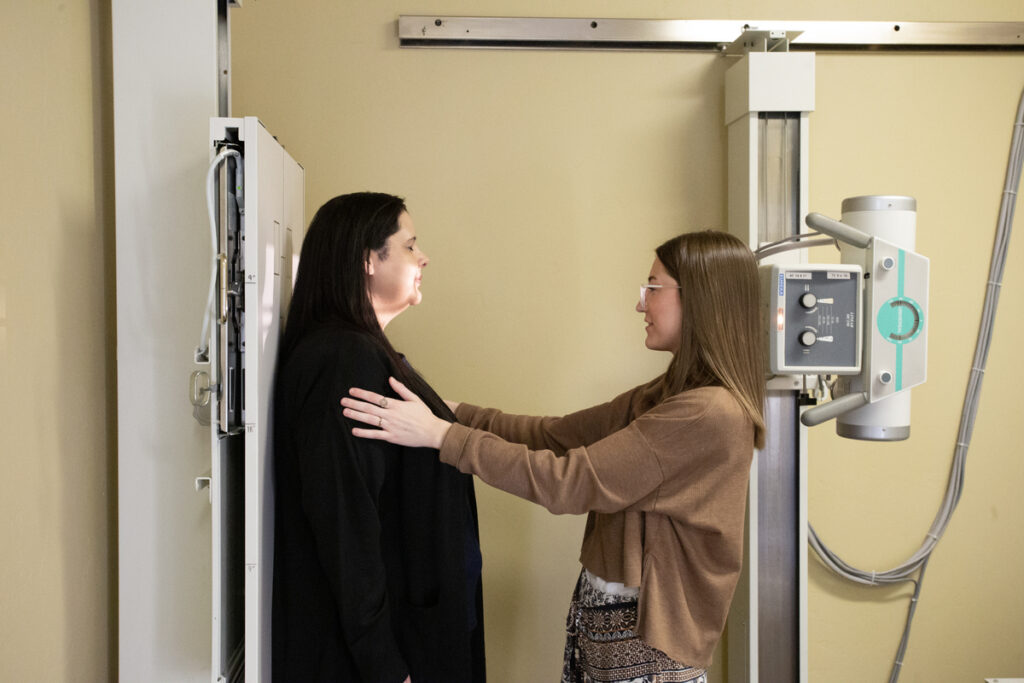
During your initial assessment, I'll evaluate your spine and overall posture to identify any misalignments or issues that may be contributing to your discomfort. By understanding the underlying causes of your pain, we can create a targeted strategy that includes spinal adjustments and therapeutic exercises aimed at alleviating your symptoms.
A key component of chiropractic care is strengthening your core muscles, which are essential for supporting your spine. Through specific exercises and adjustments, we can't only help relieve your pain but also prevent future occurrences. I'll teach you proper body mechanics so that you can lift, bend, and sit correctly, minimizing strain on your lower back.
In addition to spinal adjustments, we'll incorporate stretching techniques that enhance flexibility and reduce tightness in the muscles surrounding your lower back. Improved flexibility can significantly boost your overall mobility and comfort in daily activities.
To further support your healing process, we may use complementary therapies such as heat or cold therapy to manage pain and promote recovery. I'll also provide you with practical techniques for pain management, including guidance on maintaining good posture and making ergonomic adjustments in your everyday life.
Ultimately, chiropractic care empowers you to take charge of your lower back pain. By committing to your treatment plan and engaging actively in your recovery, you can achieve long-lasting relief and an improved quality of life.
Don't overlook the benefits of chiropractic care on your journey toward a pain-free back.
Chiropractic Adjustments
As a local chiropractor, I want to take a moment to explain the importance of chiropractic adjustments as part of your overall treatment plan. These adjustments are specifically designed to realign your spine, which is crucial for improving your body's overall function. When your spine is out of alignment, it can lead to discomfort, restricted movement, and even pain that radiates to other areas of your body.
By incorporating regular chiropractic adjustments into your routine, you can help restore balance to your musculoskeletal system and encourage your body's natural healing process.
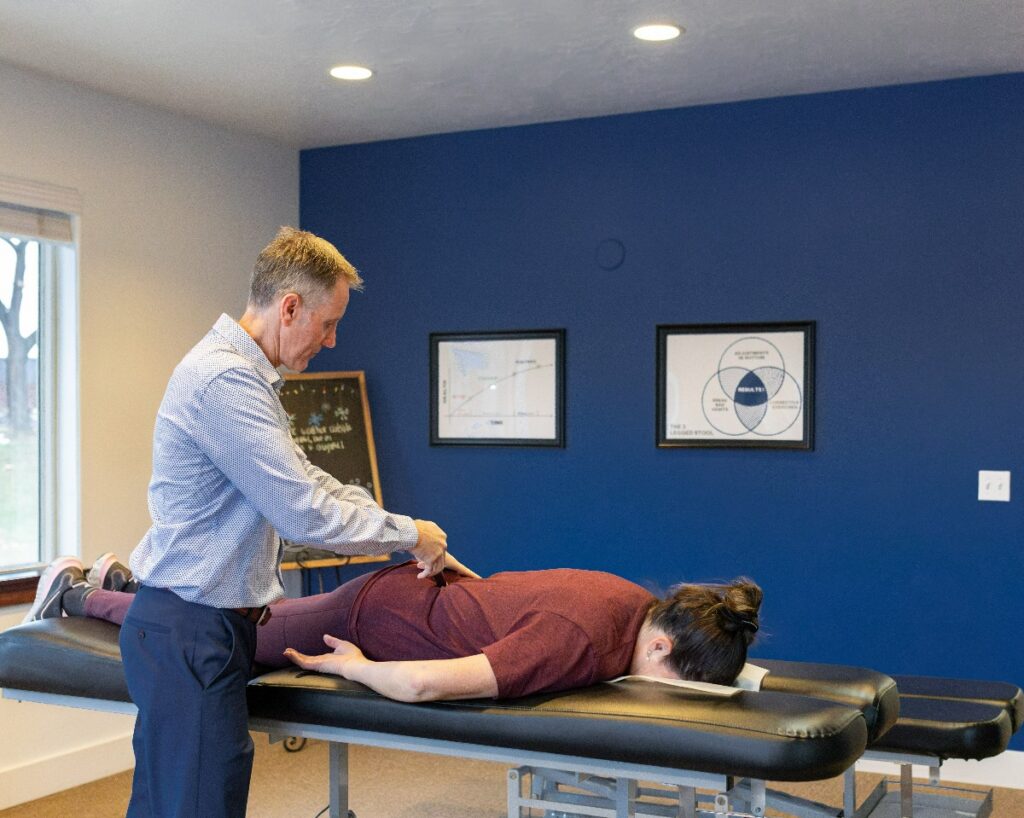
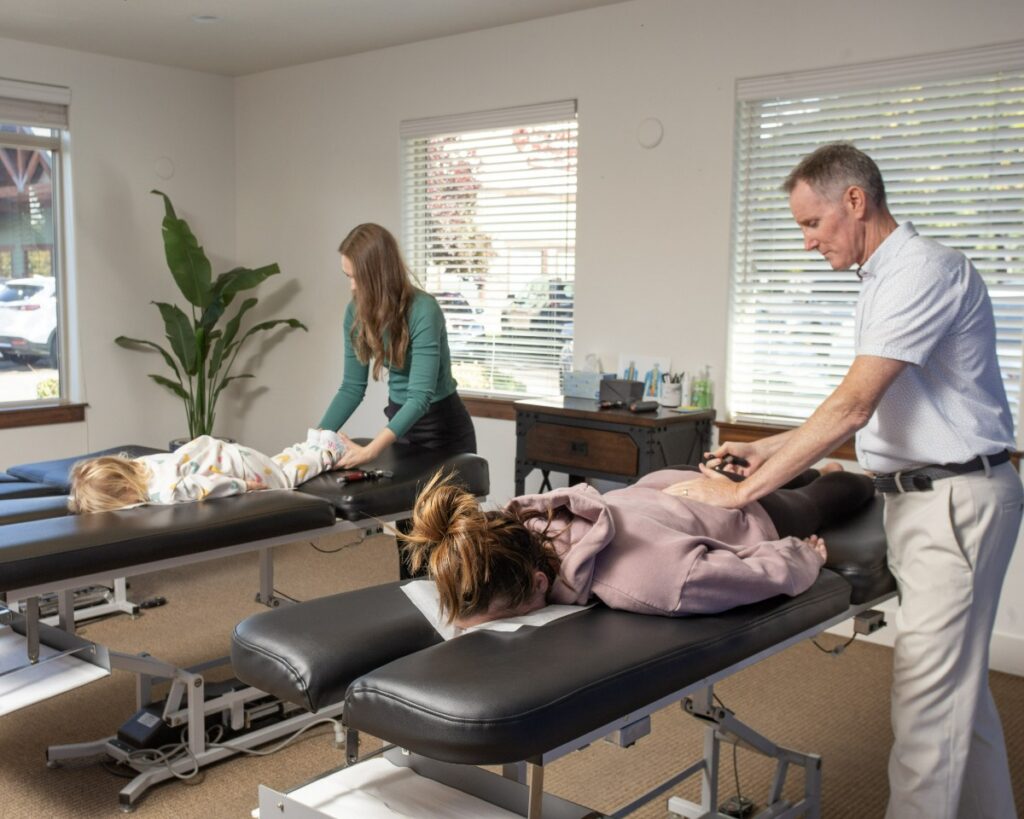
During your chiropractic session, I'll carefully assess your spine to identify any misalignments or subluxations. Using my hands or specialized tools, I'll apply controlled pressure to specific areas, gently guiding the vertebrae back into their proper position. This process not only works to alleviate pain but also enhances your body's ability to function effectively.
Many patients report experiencing immediate relief following an adjustment, while others may notice gradual improvements over several sessions. It's essential to communicate openly with me about your symptoms and progress, as I'll tailor your treatment plan based on your individual needs to ensure you receive the most effective care.
Beyond just pain relief, chiropractic adjustments can significantly enhance your mobility, reduce inflammation, and improve your overall quality of life. They can also complement other treatments you might be undergoing, like physical therapy, by addressing the underlying issues contributing to your discomfort, such as lower back pain.
If you're dealing with lower back pain or any other discomfort, I encourage you to consider incorporating chiropractic adjustments into your treatment plan. They can be a powerful tool in your journey toward recovery and lasting relief.
Let's work together to help you feel your best!
Massage Therapy
As a local chiropractor, I want to shed light on the benefits of massage therapy as a complementary approach to managing lower back pain and enhancing your overall well-being. If you're struggling with discomfort in your lower back, a skilled massage therapist can work in conjunction with chiropractic care to help alleviate tension in your muscles, improve circulation, and increase flexibility.
When you receive massage therapy, the therapist employs various techniques such as deep tissue, Swedish, or trigger point therapy. Each of these methods is designed to serve a specific purpose—whether it's relaxing tight muscles or addressing deeper layers of tension. The pressure applied during these sessions can effectively break up knots and reduce soreness, leading to immediate relief.
In addition to providing relief from current pain, regular massage therapy can play a crucial role in preventing the recurrence of lower back issues. By incorporating massage into your wellness routine, you're not just treating existing discomfort; you're also promoting long-term health and wellness.
Many of my patients report improvements in posture and increased mobility after consistent massage sessions, which can be especially beneficial if your daily activities involve prolonged sitting or physical exertion.
It's important to communicate openly with your massage therapist about your specific pain points and any underlying conditions. This collaboration allows them to tailor the treatment to meet your unique needs effectively.
Whether you're seeking relief from chronic pain or simply looking to unwind, massage therapy can be an invaluable addition to your pain management strategy.
If you're curious about how massage therapy, alongside chiropractic care, can enhance your quality of life, I encourage you to explore this holistic approach to healing. Together, we can work towards a healthier, more balanced you.
Acupuncture
As a local chiropractor, I want to introduce you to an effective complementary approach to managing lower back pain: acupuncture. While many are familiar with chiropractic care, acupuncture offers a unique way to enhance your healing process. This ancient technique involves the insertion of thin needles into specific points on your body, which helps stimulate energy flow and promote overall healing.
You might be surprised by the positive outcomes; numerous patients report notable pain relief after just a few sessions.
Here are some key benefits of incorporating acupuncture into your pain management strategy:
- Pain Reduction: Research indicates that acupuncture can significantly alleviate lower back pain by encouraging the release of endorphins, your body's natural pain relievers. Many patients experience reduced discomfort and improved mobility after treatment.
- Improved Blood Flow: The placement of needles in targeted areas enhances circulation, allowing more oxygen and nutrients to reach the affected regions. This improved blood flow not only aids in recovery but also helps to diminish inflammation.
- Stress Relief: Acupuncture isn't solely focused on physical healing; it also encourages relaxation and helps to lower stress levels. By calming both your mind and body, you may find that you become more resilient to pain and better equipped to handle daily challenges.
If you're considering acupuncture alongside your chiropractic care for lower back pain, I encourage you to consult with a qualified practitioner. They can customize the treatment to suit your individual needs and guide you through the process.
Embracing this holistic approach may just be the key to unlocking the relief you've been seeking.
Over-the-Counter Medications
As a local chiropractor, I understand that dealing with lower back pain can be quite challenging. Many of my patients often seek quick relief, and over-the-counter (OTC) medications can be a common first step. Options like ibuprofen and acetaminophen may provide temporary relief, but it's crucial to be informed about the proper dosages and safety precautions to prevent any unwanted side effects.
While these medications can help manage discomfort, I encourage you to consider a holistic approach to healing. Chiropractic care focuses on addressing the underlying issues contributing to your pain, rather than just masking the symptoms.
By incorporating spinal adjustments, therapeutic exercises, and lifestyle modifications, we can work together to not only alleviate your pain but also promote long-term wellness.
Let's explore how combining chiropractic care with OTC medications can enhance your recovery and help you achieve a healthier, more active life. Your journey to pain relief can be more effective when we address both the symptoms and the root causes of your discomfort.
Common OTC Options
As a chiropractor dedicated to helping you understand natural healing methods, I want to share how over-the-counter (OTC) medications can complement your journey to alleviating lower back pain. These options, available without a prescription, can provide quick relief and help you manage discomfort as you explore other holistic treatments.
Here are three common OTC medications you might consider:
- Ibuprofen – This nonsteroidal anti-inflammatory drug (NSAID) is effective in reducing inflammation and alleviating pain. Many people find it to be a reliable choice for relief from back pain, especially when combined with chiropractic adjustments that address the root cause of discomfort.
- Acetaminophen – While it doesn't tackle inflammation directly, acetaminophen is effective for pain relief. It can be a good alternative for those who may not tolerate NSAIDs well. Remember, it's always best used in conjunction with natural therapies that support overall health.
- Naproxen – Similar to ibuprofen, naproxen is another NSAID that works to reduce pain and inflammation. One advantage is its longer duration of action, which may mean fewer doses throughout the day.
As you consider these medications, I encourage you to follow the instructions on the label closely.
While they can provide temporary relief, it's important to remember that they don't address the underlying issues that chiropractic care aims to treat. If your pain persists, it's essential to seek a more comprehensive evaluation and treatment plan that includes chiropractic adjustments and lifestyle modifications for long-term relief and wellness.
Together, we can work towards a pain-free life through natural healing methods.
Dosage and Safety Tips
As a local chiropractor, I want to share some important information about the use of over-the-counter (OTC) medications for pain management, especially if you're new to chiropractic care and natural healing methods.
Understanding the right dosage and safety tips is crucial for effectively managing pain, including lower back pain.
When considering OTC pain relievers like ibuprofen or acetaminophen, it's essential to read the label thoroughly. Always adhere to the recommended dosage instructions; taking more than the recommended amount can lead to serious complications.
For adults, a typical dose for ibuprofen is 200-400 mg every 4-6 hours, while acetaminophen is usually 500-1000 mg every 4-6 hours, without exceeding 3000 mg in a single day.
It's also important to consider any pre-existing health conditions or medications you may be taking. For example, if you have liver issues, it would be wise to avoid acetaminophen. Additionally, if you have stomach problems or heart conditions, ibuprofen may not be the best option for you.
Staying hydrated is key, and I recommend taking these medications with food to help reduce the risk of stomach upset.
If you find yourself relying on these medications for more than a few days, it's a good idea to consult with your healthcare provider, including me, to ensure that it's safe for your specific situation.
Lastly, I want to stress the importance of not mixing different pain relievers without professional guidance, as this can increase the chances of harmful interactions.
Heat and Cold Therapy
As a local chiropractor, I often emphasize the benefits of heat and cold therapy for alleviating lower back pain. These natural methods can make a significant difference in your healing journey, targeting inflammation, enhancing blood circulation, and promoting overall recovery.
Plus, they're easy to incorporate into your daily routine right from home. Here's how you can effectively apply heat and cold therapy for optimal results:
- Heat Packs: Consider using a heating pad or a warm towel. Simply place it on your lower back for 15-20 minutes. The warmth is excellent for relaxing tight muscles and boosting blood flow to the area, which can provide much-needed relief and comfort.
- Cold Packs: Alternatively, you can utilize an ice pack or a bag of frozen vegetables wrapped in a towel. Apply this to your lower back for 15-20 minutes. Cold therapy is effective in reducing inflammation and numbing pain, making it particularly beneficial during acute flare-ups.
- Alternating Between Heat and Cold: Many patients have found success by alternating between heat and cold therapy. Start with cold for 15 minutes, then switch to heat for another 15 minutes. This combination can work wonders in managing pain and decreasing swelling.
Implementing these straightforward techniques can help you take control of your back pain and enhance your overall well-being.
If you have any questions or would like to learn more about how chiropractic care can complement these therapies, feel free to reach out!
Exercise and Stretching
As a local chiropractor, I want to share how incorporating exercise and stretching into your daily routine can significantly help in managing lower back pain. Engaging in regular physical activity not only strengthens your core muscles that support your spine but also enhances flexibility and reduces muscle tension. By moving your body more, you encourage better blood circulation, which can alleviate stiffness and discomfort.
I recommend starting with low-impact exercises such as walking, swimming, or cycling. These activities are gentle on your back while still providing the necessary strength-building benefits. Aim to get at least 30 minutes of moderate exercise most days of the week. If you're new to exercising, it's important to start slowly and gradually increase the intensity as your body adapts.
In addition to aerobic exercises, it's essential to focus on strengthening your core. Exercises like planks, bridges, and pelvic tilts can offer considerable benefits for your back. Pay close attention to your form to prevent injury—consider working with a physical therapist or a certified trainer to ensure you're performing these movements correctly.
Stretching shouldn't be overlooked either. Incorporate stretches that focus on your hips, hamstrings, and lower back. Simple stretches such as the cat-cow, child's pose, and knee-to-chest can help relieve tension and improve your range of motion. Make stretching a regular aspect of your routine, holding each stretch for at least 15-30 seconds.
Prescription Medications
As a local chiropractor, I want to share some insights about managing lower back pain, particularly if you're unfamiliar with chiropractic care and natural healing approaches.
While prescription medications might seem like a convenient option, there are many other effective methods to consider. Chiropractic care focuses on addressing the root causes of pain through natural techniques, such as spinal adjustments and therapeutic exercises.
It's important to explore these options, as they often come with fewer side effects compared to traditional medications.
By understanding the benefits of chiropractic care, you can make informed decisions about your treatment and potentially find relief without the need for prescriptions.
Let's work together to discover a holistic approach to your lower back pain.
Common Prescription Options
If you're dealing with lower back pain, it's important to know that there are various ways to find relief beyond traditional medication. As a local chiropractor, I want to help you understand some common prescription options that your healthcare provider might suggest if over-the-counter medications aren't doing the trick.
However, I also want to emphasize the benefits of chiropractic care and natural healing methods that can address the root of your pain. Here are three common prescription options:
- Nonsteroidal Anti-Inflammatory Drugs (NSAIDs): Medications like ibuprofen or naproxen can reduce inflammation and alleviate pain. While these are often prescribed for short-term relief during flare-ups, I encourage my patients to explore how chiropractic adjustments can help reduce inflammation naturally and improve overall spinal health.
- Muscle Relaxants: If your back pain is accompanied by muscle spasms, muscle relaxants might be recommended by your doctor. However, chiropractic care focuses on restoring proper alignment and function to your musculoskeletal system, which can help relieve muscle tension without the need for medication.
- Corticosteroids: For severe inflammation, corticosteroids can be prescribed. These powerful anti-inflammatory medications can provide quick relief, but they come with potential side effects. Chiropractic treatment aims to address the underlying causes of inflammation and pain, promoting long-term healing and wellness.
While prescription medications can improve comfort, I believe that incorporating chiropractic care into your treatment plan can lead to more sustainable results.
Always consult your healthcare provider to determine the best approach for your individual situation. Remember, taking the right steps towards understanding and treating your pain holistically can be a crucial part of regaining your quality of life.
Let's work together to explore all of your options, including the natural healing benefits of chiropractic care.
Potential Side Effects
As a local chiropractor, I want to share some important information about managing lower back pain and the potential side effects of various treatment options. While prescription medications can sometimes provide relief, they often come with a range of side effects that you should be aware of.
For example, opioids might help manage your pain effectively, but they carry risks like dependency, constipation, and sedation, which can make daily activities challenging. Muscle relaxants may also help, but they can cause drowsiness, dizziness, or blurred vision, potentially making it unsafe to drive or operate machinery.
Nonsteroidal anti-inflammatory drugs (NSAIDs) can alleviate inflammation but may lead to gastrointestinal issues, such as ulcers or bleeding, particularly with long-term use. Corticosteroids can reduce inflammation but might result in weight gain, mood swings, or elevated blood sugar levels. It's crucial to be mindful of these effects when considering your pain management options.
Additionally, some patients may experience allergic reactions or liver damage from certain medications, highlighting the importance of caution. Before starting any prescription medication, I encourage you to consult with your healthcare provider to discuss your medical history and any possible interactions with other treatments you may be receiving.
At my practice, we focus on natural healing methods that prioritize your overall health and well-being. Chiropractic care can provide effective relief for lower back pain without the risks associated with medications.
Mindfulness and Relaxation Techniques
As a local chiropractor, I often see patients struggling with lower back pain, which can significantly impact their daily lives. One effective approach to alleviate this discomfort is to incorporate mindfulness and relaxation techniques into your routine.
These practices encourage you to focus on the present moment, helping to reduce stress and tension that may contribute to your pain. By embracing mindfulness, you can enhance your ability to manage pain and promote overall wellness.
Here are three effective techniques I recommend for getting started:
- Deep Breathing: Find a comfortable seated position and take deep breaths, inhaling through your nose and exhaling through your mouth. Aim for a slow and rhythmic pattern. This technique not only calms your mind but also relaxes your muscles, which can help relieve tension in your lower back.
- Guided Imagery: Close your eyes and visualize a peaceful setting, such as a tranquil beach or a serene forest. Imagine yourself fully immersed in this environment, experiencing the sights, sounds, and scents. This practice can effectively distract your mind from pain and encourage relaxation, fostering a sense of tranquility.
- Body Scan Meditation: Lie down in a comfortable position and perform a mental scan of your body from head to toe. Pay attention to areas of tension and consciously allow those muscles to relax. This technique helps you connect with your body and pinpoint where you may be holding stress, empowering you to release it.
Incorporating these mindfulness practices into your daily life can be a valuable complement to chiropractic care, supporting your journey toward improved health and relief from lower back pain.
Lifestyle Modifications
As a local chiropractor, I want to share with you how making simple lifestyle modifications can significantly alleviate lower back pain.
By integrating regular exercise into your routine and establishing an ergonomic work environment, you can provide essential support to your back and enhance your overall well-being.
Exercise isn't just about fitness; it plays a vital role in maintaining spinal health. Engaging in low-impact activities like walking, swimming, or yoga can strengthen the muscles that support your spine and improve flexibility.
Additionally, creating an ergonomic workspace is crucial. This means arranging your desk, chair, and computer in a way that promotes good posture and minimizes strain on your back.
Small adjustments, like using a chair that supports your lower back or ensuring your computer screen is at eye level, can make a world of difference.
Incorporating these changes into your daily life can lead to a remarkable improvement in how you feel and function.
Let's work together to explore these modifications and discover how they can enhance your quality of life.
Regular Exercise Routine
As a local chiropractor, I want to emphasize the importance of establishing a regular exercise routine to alleviate lower back pain and promote overall spinal health. Many patients may not realize that consistent physical activity can significantly strengthen the muscles that support your spine, enhance flexibility, and encourage better posture.
Here are three effective exercises I recommend incorporating into your daily routine:
- Walking: This is a fundamental yet impactful exercise. Walking increases blood flow to your back muscles, which can aid in healing and prevent stiffness. Aim for at least 30 minutes each day, whether you prefer strolling around your neighborhood or using a treadmill in your home or gym.
- Stretching: Gentle stretches are crucial for targeting the lower back and hamstrings. I often recommend stretches like the cat-cow stretch, child's pose, and knee-to-chest stretches. These movements can improve flexibility and help relieve tension in your back, which is essential for maintaining a healthy spine.
- Strength Training: Focusing on core-strengthening exercises is vital for supporting your spine during everyday activities. Incorporate exercises like planks and bridges into your routine to strengthen your abdominal and back muscles. A strong core provides the necessary support your spine needs, reducing the risk of injury.
By integrating these exercises into your life, you can take proactive steps toward better spinal health and overall well-being.
Ergonomic Work Environment
As a local chiropractor, I want to emphasize the importance of creating an ergonomic work environment to help prevent lower back pain, especially for those who find themselves sitting at a desk for extended periods.
One of the first steps you can take is to select a chair that provides adequate support for your lower back. It's crucial that your feet rest flat on the floor to promote proper alignment.
Next, adjust your desk height so that when you're typing, your elbows are at a 90-degree angle. This small change can significantly impact how your body feels throughout the day. If your feet don't comfortably reach the ground, consider using a footrest to enhance your stability.
It's also vital to position your computer monitor at eye level. This will help avoid unnecessary strain on your neck, allowing you to maintain a more natural posture and reducing discomfort as you work.
Incorporating regular breaks into your routine is essential. Stand up, stretch, and take a moment to walk around. These actions not only relieve pressure on your spine but also improve circulation, which is beneficial for your overall health.
If you're struggling to find a comfortable balance, you might consider a standing desk or a sit-stand workstation. These options can allow you to alternate between sitting and standing, further promoting your well-being throughout the day.
Lastly, keep frequently used items within easy reach to minimize the risk of twisting or bending in awkward ways.
By making these simple adjustments in your workspace, you can significantly lower your chances of developing lower back pain and enhance your overall comfort and productivity.
As your chiropractor, I'm here to support you in embracing these natural healing practices for a healthier work life.
Conclusion
As a local chiropractor, I understand that finding relief from lower back pain can feel overwhelming, especially if you're not familiar with chiropractic care and natural healing methods. It's important to recognize that effective relief often comes from a combination of treatments tailored specifically to your needs. Chiropractic adjustments can help realign your spine and alleviate pain, while over-the-counter medications might provide temporary relief.
Incorporating mindfulness techniques, such as meditation or deep breathing, can also play a significant role in managing pain and stress. I encourage you to stay proactive in your approach to recovery. Regular exercise and lifestyle modifications, like improving your posture or ergonomics at work, can greatly enhance your healing process.
Always listen to your body, and don't hesitate to consult with healthcare professionals, including your chiropractor, who can guide you through various options. Remember, exploring different treatments is key to discovering what works best for you. Together, we can develop a personalized plan that addresses your lower back pain effectively.