
If you're experiencing lower back pain, it's important to know that you're not alone, and finding the right treatment is crucial for your everyday comfort. As a chiropractor, I want to highlight the effectiveness of chiropractic care alongside other natural healing options available to you. Many people are surprised by how beneficial simple treatments like heat therapy can be or how specific exercises can lead to significant relief.
Chiropractic adjustments focus on realigning the spine and improving mobility, which can play a pivotal role in reducing pain and enhancing overall function. Additionally, incorporating mindfulness techniques can help manage your perception of pain and promote relaxation. As you explore these top treatments, you'll discover which methods resonate with your unique needs and lifestyle. My goal is to challenge any preconceived notions you may have about pain relief and guide you toward a holistic approach to your lower back pain management.
Physical Therapy
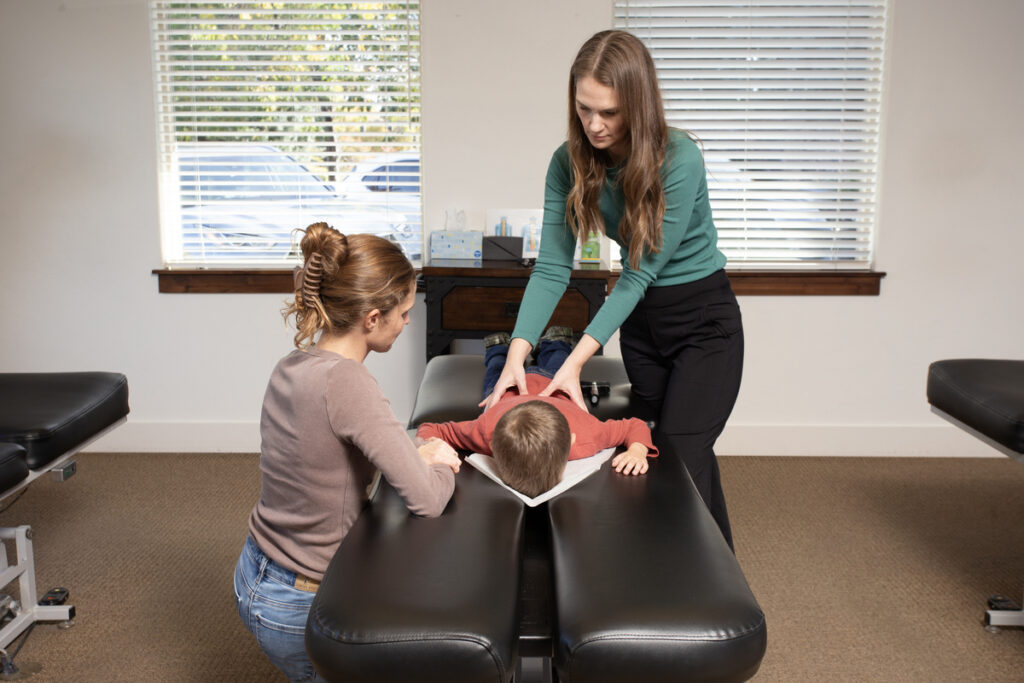
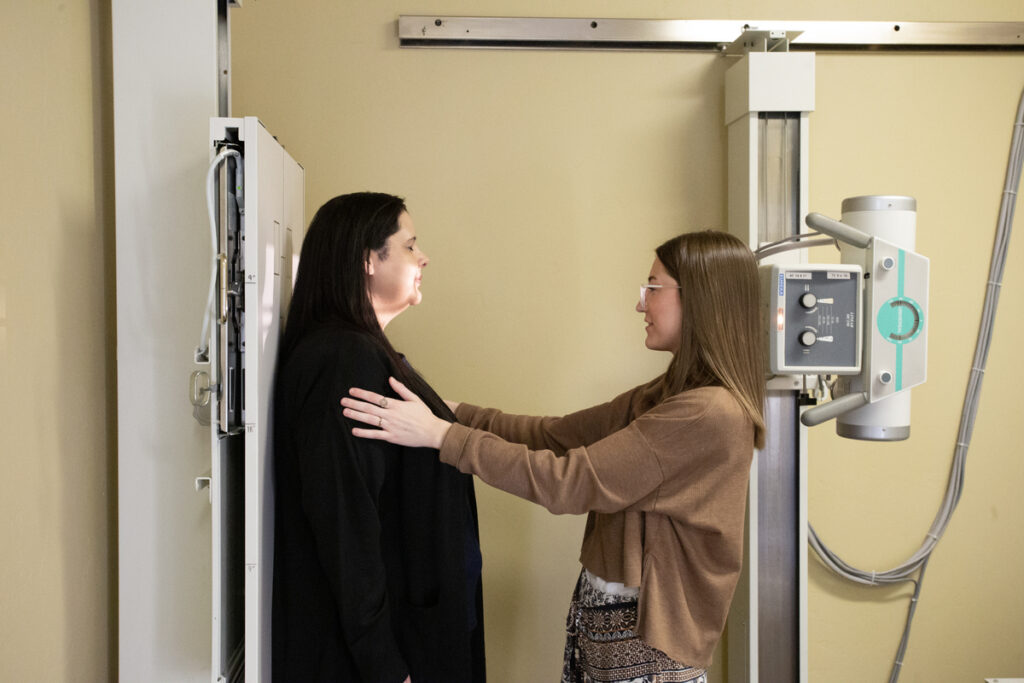
When it comes to alleviating lower back pain, chiropractic care is an excellent choice that emphasizes natural healing. Our approach is personalized, focusing on your unique needs and limitations. As a chiropractor, I'll conduct a thorough assessment of your condition, taking into account your medical history and lifestyle habits. This comprehensive evaluation allows me to create a tailored treatment plan specifically designed to address your pain effectively.
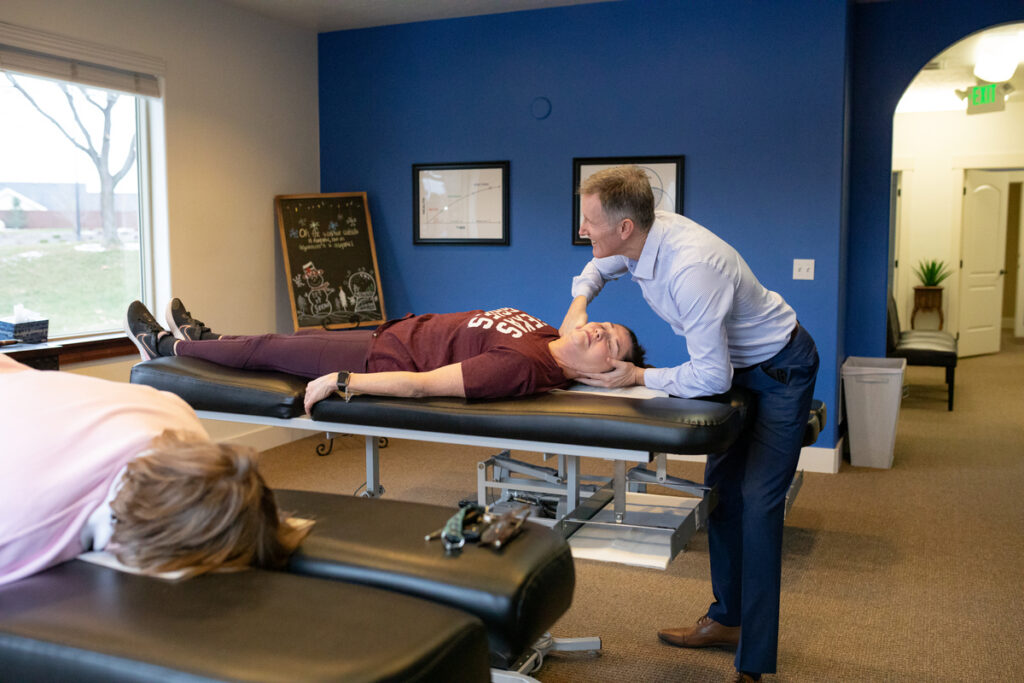
During your visits, we'll engage in a variety of techniques aimed at realigning your spine, improving mobility, and enhancing overall function. These adjustments not only help relieve pain but also prevent future issues by addressing any underlying misalignments.
You'll learn how to maintain proper posture and body mechanics during daily activities, which can significantly reduce strain on your back.
In addition to spinal adjustments, you may also benefit from complementary therapies, such as soft tissue techniques, which can relieve muscle tension and improve blood circulation in the affected areas. We may also use modalities like heat, ice, or electrical stimulation to ease discomfort and support your healing process.
As you progress in your treatment, I'll continually monitor your response and adjust your care plan as necessary to ensure that you're challenged yet comfortable.
By committing to your chiropractic care, many patients find they experience improved mobility and reduced pain, making everyday activities much more manageable. Chiropractic care empowers you to take charge of your recovery, providing you with the tools to maintain a healthy back for years to come.
If you're dealing with lower back pain, I encourage you to reach out to a chiropractor to embark on your natural healing journey.
Chiropractic Adjustments
As a local chiropractor, I want to share with you the potential benefits of chiropractic adjustments for relieving lower back pain.
These adjustments work by aligning your spine, which can significantly enhance your overall function and well-being.
There are various techniques we utilize during these adjustments, each specifically tailored to meet your individual needs.
By understanding these methods, you can make an informed decision about whether chiropractic care is the right path for you in your journey toward natural healing.
I'm here to guide you through the process and help you feel your best!
Benefits of Chiropractic Care
As a local chiropractor, I want to share with you the many benefits of chiropractic care, especially if you're dealing with lower back pain. One of the most effective methods we utilize is chiropractic adjustments. These adjustments are designed to restore proper alignment to your spine, which is crucial for a healthy nervous system. When your spine is properly aligned, you may notice a significant reduction in tension in the surrounding muscles, leading to less pain and stiffness.
Chiropractic care goes beyond just pain relief; it also enhances your range of motion. As we work on your joints through adjustments, you'll likely find that you can move more freely and perform daily activities with greater ease. This improvement not only makes your everyday life more comfortable but can also enhance your overall physical performance, whether you're exercising or simply navigating your daily tasks.
Another key advantage of chiropractic care is the potential to reduce your reliance on pain medications. Instead of masking your symptoms with pharmaceuticals, which often come with unwanted side effects, we focus on addressing the root cause of your pain. This natural approach can help you manage your symptoms effectively and sustainably.
Additionally, chiropractic adjustments can improve circulation, which promotes healing in any injured tissues and helps reduce inflammation. This holistic approach targets not just immediate pain relief but also supports your long-term wellness and health.
Choosing chiropractic care is a proactive step towards taking control of your health. It can lead you to a more active, pain-free life, allowing you to enjoy all the activities you love.
If you have any questions or would like to learn more about how chiropractic care can benefit you, please don't hesitate to reach out. Your journey to better health starts here!
Techniques Used in Adjustments
As a local chiropractor, I want to help you understand the various techniques we use to alleviate lower back pain through chiropractic adjustments. Each method is designed to promote healing and improve your overall well-being.
One of the most commonly used techniques is the diversified technique. This involves quick, controlled thrusts to realign your vertebrae. Patients often report feeling immediate relief as pressure is released from nerves and joints, making it a highly effective approach.
Another gentle option is the activator method. Using a specialized handheld device, this technique delivers a gentle impulse to specific areas of your spine. It's perfect for those who may feel anxious about traditional adjustments, providing a more comfortable experience while still addressing your pain.
You may also encounter the Thompson technique during your visits. This method involves lying on a specialized table that drops slightly with each adjustment, enhancing the effectiveness of the thrusts and promoting better alignment.
The Gonstead technique is another approach we offer. It focuses on a detailed analysis of your spine, ensuring that adjustments are precisely tailored to your individual needs. This personalized care is essential for effective treatment.
For those who prefer a softer touch, we also utilize spinal mobilization techniques. These methods involve gradual movement of the joints, promoting flexibility and increasing your range of motion. They're particularly beneficial for patients who may be sensitive to more forceful adjustments.
As your chiropractor, I may combine these techniques based on your specific condition, ensuring you receive the best care possible for your lower back pain. Your comfort and safety are always my top priorities throughout your healing journey.
If you have any questions about these techniques or how they can help you, please don't hesitate to reach out!
Massage Therapy
As a local chiropractor, I want to introduce you to the benefits of massage therapy as a natural and effective approach for relieving lower back pain. Unlike conventional treatments that may rely heavily on medication, massage therapy offers a holistic option that not only promotes relaxation but also actively addresses discomfort and enhances mobility.
Here's what you can expect when incorporating massage therapy into your lower back pain management plan:
- Reduced Muscle Tension: A skilled massage therapist employs various techniques to target and loosen tight muscles in your lower back. This can lead to increased comfort and improved flexibility, essential for your daily activities.
- Improved Circulation: One of the key benefits of massage is its ability to boost blood flow to the affected areas. Enhanced circulation can facilitate healing and help reduce inflammation, addressing the root causes of your pain.
- Pain Relief: Many of my patients report experiencing significant pain relief through regular massage sessions. This can make a world of difference, allowing you to engage more fully in your daily life without the burden of constant discomfort.
- Enhanced Relaxation: Beyond targeting back pain, massage therapy promotes overall relaxation and well-being. Reducing stress is vital for your overall health, and massage can be a wonderful tool to help you achieve a more balanced state of mind.
Before you begin treatment, I encourage you to communicate openly with your massage therapist about your specific pain points and concerns. This dialogue allows them to customize the massage techniques to meet your individual needs.
Whether you prefer a deep tissue approach or a gentler technique, integrating massage therapy into your routine can be a valuable addition to your strategy for relieving lower back pain.
Heat and Cold Therapy
As your local chiropractor, I want to share some valuable insights about managing lower back pain through heat and cold therapy.
Many patients I see are unfamiliar with how these techniques can significantly aid in relief.
Heat therapy is fantastic for relaxing tight muscles and enhancing blood circulation, which can promote healing in the affected areas.
On the other hand, cold therapy is effective at reducing inflammation and numbing any sharp pain you might be experiencing.
Incorporating these methods into your routine can provide substantial relief.
I encourage you to consider how you might use these therapies at home, and I'm here to guide you on the best practices for your specific condition.
Let's work together to help you feel your best!
Benefits of Heat Therapy
As a local chiropractor, I want to share with you the benefits of heat therapy for alleviating lower back pain. This natural approach can be an excellent addition to your self-care routine, promoting relaxation and enhancing blood flow to the affected areas.
By incorporating heat therapy, you can experience several advantages that not only ease discomfort but also contribute to your overall well-being.
Here are four essential benefits of using heat therapy for lower back pain:
- Muscle Relaxation: The application of heat is a fantastic way to relax tense muscles. It reduces stiffness, allowing for improved movement and flexibility, which is crucial for maintaining an active lifestyle.
- Pain Relief: Heat has the ability to dull pain signals sent to your brain, providing quick and effective relief from discomfort. This can be especially helpful during flare-ups of lower back pain.
- Improved Circulation: Applying heat increases blood flow to the affected area. This enhanced circulation delivers vital nutrients and oxygen to your tissues, which can accelerate the healing process and support recovery.
- Enhanced Flexibility: When you warm up your muscles and surrounding tissues, it can significantly improve your flexibility. This increased range of motion can facilitate daily activities and exercise, helping you feel more comfortable and active.
To make the most of heat therapy, consider options like warm baths, heating pads, or hot packs. Always be sure to monitor the temperature to prevent burns.
Incorporating heat therapy into your wellness routine can be a simple yet effective method to manage lower back pain and foster a sense of overall comfort. If you have any questions or would like to explore more natural healing techniques, feel free to reach out during your next visit!
Advantages of Cold Therapy
As a local chiropractor, I want to share with you the benefits of cold therapy for managing lower back pain, especially after injuries or during acute flare-ups. Applying cold packs or ice to the affected area can significantly reduce inflammation and numb the pain. This method works by constricting blood vessels, which helps to minimize swelling and provides immediate relief from discomfort.
One of the key advantages of cold therapy is its effectiveness in decreasing muscle spasms. When you apply cold, it helps relax tight muscles, making it easier for you to move and improving your overall mobility. Many of my patients find that incorporating cold therapy into their routine allows them to perform daily activities with more ease, helping them return to their normal lives more quickly.
What's great about cold therapy is how simple it's to use; you don't need any special equipment. Common household items, like frozen vegetables or a bag of ice wrapped in a cloth, can do the trick.
Plus, it's a cost-effective solution compared to other treatment options.
Finally, cold therapy can complement other pain relief methods we may discuss during your chiropractic care, enhancing your overall recovery process. Whether you're dealing with a recent injury or a flare-up of chronic pain, I encourage you to consider incorporating cold therapy into your routine. It can provide the relief you need to feel better and support your journey towards holistic healing.
Application Techniques Explained
As a local chiropractor dedicated to helping you find relief from lower back pain, I want to share some valuable insights about effective application techniques for heat and cold therapy.
Understanding how to properly use these methods can significantly enhance your comfort and support your healing process. Here are four essential techniques to consider:
- Cold Packs: When you're experiencing acute pain or swelling, applying a cold pack wrapped in a cloth to your lower back for about 15-20 minutes can be very beneficial. This technique helps to reduce inflammation and numb the affected area, offering immediate relief.
- Heat Pads: For those dealing with chronic pain or muscle stiffness, using a heat pad or a warm towel on your back for 15-20 minutes can work wonders. The heat promotes increased blood flow, which helps in relaxing tense muscles and easing discomfort.
- Alternating Therapies: An effective strategy is to alternate between heat and cold. Start with cold therapy right after an injury, and then switch to heat after 24-48 hours. This combination can maximize your pain relief and accelerate the healing process.
- Timing: It's important to know when to use each therapy. Cold therapy is best used immediately following an injury, while heat is more effective for addressing chronic pain or stiffness in your muscles.
Always pay attention to how your body responds to these treatments. If you feel any discomfort or notice adverse effects, it's crucial to stop the treatment and consult with a healthcare professional.
Over-the-Counter Medications
As a local chiropractor, I understand that dealing with lower back pain can be a challenging experience. Many individuals seek quick relief to help regain their mobility, and over-the-counter medications are often the first option they consider. While these non-prescription solutions can provide temporary comfort, it's important to understand their role in a broader approach to healing.
Nonsteroidal anti-inflammatory drugs (NSAIDs), such as ibuprofen and naproxen, are commonly used to reduce inflammation and alleviate pain. They can help ease your discomfort, making it easier for you to move. However, it's crucial to adhere to the recommended dosage on the label to minimize potential side effects, which can include stomach irritation and an increased risk of bleeding.
Another alternative is acetaminophen, which can relieve pain without the anti-inflammatory properties of NSAIDs. If you find that NSAIDs don't agree with you or if you have specific health concerns, acetaminophen could be a better choice. Just remember to stick to the maximum daily limit to protect your liver.
In addition to oral medications, you might consider topical analgesics. Creams or patches containing menthol or lidocaine can be applied directly to the painful area, offering localized relief. This option may be particularly appealing if you'd prefer to avoid taking pills.
As you explore your options for managing pain, it's essential to consider your unique health needs and any other medications you're currently taking. I encourage you to consult with a healthcare professional, like myself, if you're uncertain about which treatment is best for you or if your pain continues despite using over-the-counter remedies.
While these medications can provide relief, I believe it's important to address the root cause of your pain. Combining these treatments with chiropractic care, physical therapy, or gentle exercises can significantly enhance your recovery journey.
Natural healing approaches focus on restoring balance and function to your body, promoting long-term wellness and resilience against future discomfort. Let's work together to find the best path forward for your health!
Prescription Medications
As a local chiropractor, I often see patients who are struggling with lower back pain and may be considering prescription medications after over-the-counter options have fallen short.
While these medications can provide relief, it's important to understand that they come with their own set of risks and side effects.
Before diving into any new medication, I encourage you to explore natural healing methods that can address the root cause of your pain.
Chiropractic care focuses on aligning the spine, improving mobility, and enhancing overall wellness without the need for pharmaceuticals.
This approach not only aims to relieve pain but also to promote long-term health benefits.
If you're interested, I'd be happy to discuss how chiropractic adjustments, lifestyle changes, and other natural therapies can be effective alternatives to prescription medications.
Your health and well-being are my top priorities, and there are many paths to relief that prioritize your body's natural healing abilities.
Common Prescription Options
Managing lower back pain can often be approached through natural healing methods, and as a local chiropractor, I want to help you understand the options available to you beyond traditional prescriptions.
While medications can provide temporary relief, they may not address the underlying issues contributing to your pain. Here's a brief overview of options that might be considered in conjunction with chiropractic care:
- NSAIDs: Nonsteroidal anti-inflammatory drugs, such as ibuprofen or naproxen, are commonly used to reduce inflammation and relieve pain. However, relying solely on these may not lead to long-term solutions.
- Muscle relaxants: Medications like cyclobenzaprine can help ease muscle spasms, but they often don't address the root cause of the discomfort. Chiropractic adjustments can help realign the spine and reduce muscle tension naturally.
- Antidepressants: Some practitioners may suggest certain antidepressants, such as duloxetine, for chronic pain management. While they can alter pain perception, they aren't a cure and can come with side effects that mightn't be necessary if we focus on holistic healing.
- Opioids: In severe cases, opioids like oxycodone or hydrocodone may be prescribed for short-term pain relief. However, these carry a risk of dependency and should be approached with caution.
As your chiropractor, my goal is to work with you to find a treatment plan that promotes healing and aligns with your wellness goals.
I encourage open communication about your symptoms and any other treatments you may be considering. Together, we can explore natural methods, like spinal adjustments, physical therapy, and lifestyle changes, that may provide lasting relief without the need for reliance on medications.
Risks and Side Effects
As your local chiropractor, I want to share some important information about managing lower back pain, especially if you're considering prescription medications. While these medications can offer quick relief, it's crucial to understand the potential risks and side effects associated with them.
Common pain relievers like non-steroidal anti-inflammatory drugs (NSAIDs) and opioids can pose challenges. For instance, long-term use of NSAIDs might lead to stomach irritation, ulcers, or kidney issues. If you're frequently relying on these, you could also face gastrointestinal problems or elevated blood pressure.
On the other hand, opioids can be effective for severe pain, but they also carry a significant risk of addiction and dependence. Many people find themselves needing to increase their dosage to achieve the same level of relief, which can create a difficult cycle.
Moreover, both NSAIDs and opioids can interact with other medications you may be taking, heightening the risk of unwanted side effects. It's vital to have an open discussion with your healthcare provider about your medical history to help minimize these risks. You should also be aware of possible side effects—like dizziness, fatigue, or nausea—which can affect your daily activities.
At our chiropractic office, we believe in a holistic approach to pain management. By exploring alternative treatments alongside or instead of medication, you can address the root cause of your discomfort.
Chiropractic care focuses on natural healing methods that can help alleviate pain and improve your overall well-being. Always consider how chiropractic care might fit into your pain management plan for a more comprehensive and safer solution.
Exercise and Stretching
As a local chiropractor dedicated to helping you achieve optimal health, I want to emphasize the importance of regular exercise and stretching in alleviating lower back pain. Engaging in physical activity not only strengthens your core and back muscles, but it also enhances flexibility, which can lead to reduced tension and improved posture.
Here are four effective exercises and stretches that I recommend to help you get started on your journey to better spinal health:
- Cat-Cow Stretch: This dynamic stretch is excellent for warming up your spine and increasing flexibility. Begin on your hands and knees. As you inhale, arch your back (this is the Cat position), and as you exhale, lower your belly and lift your head (the Cow position). This movement promotes mobility in the spine and helps relieve tension.
- Child's Pose: This restorative stretch is particularly beneficial for relaxing your back. To perform it, kneel on the floor, sit back on your heels, and extend your arms forward on the ground while lowering your forehead to the mat. This position gently stretches the spine and can provide a calming effect.
- Bridges: Strengthening your glutes and lower back through bridges can significantly support your spine. To do this exercise, lie on your back with your knees bent and feet flat on the floor. Raise your hips towards the ceiling while squeezing your glutes at the top, then lower back down. This movement helps build strength in the posterior chain, which is crucial for spinal support.
- Pelvic Tilts: This exercise is effective for strengthening your lower abdominal muscles and relieving tension in your back. Lie on your back with your knees bent. Gently tilt your pelvis upward to flatten your lower back against the floor, then release. This simple movement can enhance core stability and reduce discomfort.
Incorporating these exercises and stretches into your routine can be a powerful step towards achieving better spinal health and alleviating lower back pain.
Acupuncture Treatment
As a local chiropractor, I want to share some insights about an effective treatment option for alleviating lower back pain: acupuncture. While my primary focus is on chiropractic care, I believe in the value of understanding various holistic approaches to health. Acupuncture is an ancient practice that involves the insertion of thin needles into specific points on the body, aimed at promoting healing and restoring balance.
If you're considering acupuncture, it's important to know how it works and the benefits it can provide. Typically, during an acupuncture session, a licensed acupuncturist will evaluate your condition and customize the treatment to meet your specific needs. The needles are usually left in place for about 20 to 30 minutes, allowing you to experience a sense of relaxation. Many individuals report feeling less pain and enjoying improved mobility after just a few sessions.
One of the reasons acupuncture is effective for chronic lower back pain is that it's believed to stimulate the body's natural painkillers and enhance circulation. This can significantly contribute to healing and pain relief, making it a complementary option to chiropractic adjustments.
Research has indicated that acupuncture may offer longer-lasting relief for chronic lower back pain compared to traditional pain medications. This holistic approach not only addresses pain but also fosters overall well-being, which aligns with the principles of chiropractic care.
Before you embark on any new treatment, including acupuncture, I encourage you to consult with your healthcare provider to ensure it's suitable for your situation. Keep in mind that results can vary from person to person, so maintaining an open mind is key.
With regular sessions, you might discover that acupuncture, alongside chiropractic care, can be a valuable part of your journey toward effective lower back pain relief.
Mindfulness and Meditation
As a local chiropractor, I want to share with you the incredible benefits of mindfulness and meditation for alleviating lower back pain.
These practices can enhance your body's innate healing abilities and serve as a complementary approach to chiropractic care. By learning to focus your mind, reduce stress, and promote relaxation, you can significantly alleviate tension in your back.
Incorporating mindfulness and meditation into your daily routine can be a powerful tool for managing pain alongside your chiropractic treatments.
Here are four straightforward steps to help you get started with mindfulness and meditation:
- Find a Comfortable Position: Choose a quiet space where you can be undisturbed. Whether you prefer sitting or lying down, ensure your back is well-supported and your body is in a relaxed state.
- Focus on Your Breath: Gently close your eyes and begin taking deep breaths. Inhale slowly through your nose, hold briefly, and then exhale softly through your mouth. Concentrate on the natural rhythm of your breath—it can help ground you and ease anxiety.
- Scan Your Body: Shift your awareness through different areas of your body, starting from your toes and working your way up to your head. Pay special attention to your lower back; if you notice any tension, consciously allow those muscles to relax.
- Practice Regularly: Aim to dedicate at least 10-15 minutes each day to meditation. By practicing consistently, you can enhance your ability to manage pain and stress, which can complement the adjustments and therapies you receive in my office.
Surgery Options
When lower back pain persists and other treatments haven't brought you relief, it may be time to consider your options. As a local chiropractor, I want to emphasize that surgery isn't your only route. Many patients are unaware that there are non-invasive, natural healing methods that can effectively address chronic pain.
Before thinking about surgical interventions, it's essential to understand the underlying causes of your pain. Often, discomfort can arise from misalignments in the spine, muscle tension, or poor posture. A thorough evaluation can help identify these issues. Chiropractic adjustments focus on realigning the spine, which can alleviate pressure on nerves and promote overall healing.
If you're facing specific conditions like a herniated disc, chiropractic care offers various techniques to help manage pain without the need for surgery. Techniques such as spinal manipulation and therapeutic exercises can address nerve compression and enhance mobility.
Additionally, we can incorporate lifestyle changes and strengthening exercises that support your spine's health.
While some patients may eventually consider surgical options like discectomy, laminectomy, or spinal fusion, I encourage you to explore all avenues first. Surgery carries risks, such as infection or complications from anesthesia, and recovery can be a lengthy process.
Before proceeding with any treatments, I recommend discussing your symptoms with a healthcare provider who understands the benefits of chiropractic care. Together, we can work towards a personalized plan that prioritizes natural healing.
Conclusion
As a local chiropractor, I want to emphasize how vital it is to find the right treatment for your lower back pain, as it can significantly enhance your daily life. Chiropractic adjustments are one of the most effective ways to alleviate pain and improve mobility. In addition to chiropractic care, therapies such as massage and acupuncture can also provide tremendous relief.
It's essential to explore these natural healing options to see what works best for you. I also encourage incorporating mindfulness practices and regular exercise into your routine, as these can greatly support your long-term spine health. Remember, this journey is personal, and I recommend consulting with a healthcare professional – like me – to create a tailored plan that addresses your unique needs. Together, we can help you get back to feeling your best!