
As a local chiropractor, I understand how frustrating it can be to be sidelined by a sports injury. It's important to explore effective chiropractic techniques that can significantly aid in your recovery process. Techniques such as Active Release and Graston are designed not only to address the root cause of your pain but also to improve your overall performance as you heal.
You may be surprised to learn that spinal manipulation and myofascial release are also crucial in helping you regain strength and mobility. These methods work by relieving tension in the muscles and improving the alignment of your spine, which can lead to faster recovery times.
My goal is to help you understand these techniques so you can make informed decisions about your healing journey. Each technique has specific benefits that can be tailored to your unique situation, providing you with a personalized approach to recovery. If you're curious about how these chiropractic methods can help you bounce back from your injury, I'm here to guide you every step of the way.
Active Release Technique
At our chiropractic practice, we want to introduce you to an effective method called Active Release Technique (ART) that can significantly aid in your recovery from soft tissue injuries, especially those related to sports. This hands-on therapy focuses on the underlying issues affecting your muscles, tendons, ligaments, fascia, and nerves. By breaking down scar tissue and restoring proper function, ART can help you recover much faster.
When you sustain a sports injury, your body may develop adhesions, which are areas where tissue sticks together, restricting your movement and causing discomfort. With ART, we specifically target these adhesions to help release them, enabling you to regain your flexibility and strength.
During your ART session, I'll thoroughly evaluate your condition and apply precise pressure while you actively move the affected area. This dynamic technique not only provides treatment but also engages your muscles in the healing process, ensuring that the therapy is tailored to your unique needs—whether you're dealing with a strain, sprain, or an overuse injury.
Many of my patients notice improvements in their mobility and a decrease in pain after just a few sessions. By addressing the root cause of your discomfort, ART promotes long-term recovery and helps prevent future injuries.
Athletes of all kinds, from casual weekend players to elite professionals, have successfully incorporated ART into their recovery routines. By adding ART to your sports injury recovery plan, you could experience a remarkable transformation.
It not only speeds up the healing process but also enhances your overall performance, allowing you to return to your favorite activities with greater strength and resilience. If you're dealing with soft tissue injuries, I encourage you to consider ART as an essential step towards a complete recovery.
Let's work together to get you back on track!
Graston Technique
As a local chiropractor, I want to share with you the benefits of the Graston Technique, a valuable tool we use in our practice for soft tissue mobilization.
This technique employs specialized instruments to help you recover more effectively from sports injuries. By breaking down scar tissue and enhancing circulation, the Graston Technique not only aids in your healing process but can also improve your overall performance.
If you're unfamiliar with chiropractic care and natural healing methods, I encourage you to explore how the Graston Technique can support your recovery journey.
It may be just what you need to get back to doing what you love, pain-free. Remember, taking care of your body naturally can lead to long-term wellness and improved physical performance.
Instrument-Assisted Soft Tissue Mobilization
At our chiropractic clinic, we specialize in a technique known as Instrument-Assisted Soft Tissue Mobilization (IASTM), which is often referred to as the Graston Technique. This innovative approach is designed to enhance the healing process for sports injuries, and I want to take a moment to explain how it works and its benefits for your recovery.
IASTM utilizes specialized stainless steel instruments to target specific areas of the body where scar tissue and fascial restrictions may be hindering your recovery. By applying focused pressure, we can achieve deeper tissue manipulation compared to traditional methods. This allows us to break down any scar tissue and alleviate tightness that may be affecting your mobility.
During your treatment session, it's common to experience some discomfort. This sensation is actually a positive indicator that the treatment is effectively addressing areas of tension. The instruments help us pinpoint exactly where your body is holding stress, enabling us to customize your treatment to meet your individual needs.
As a result, many of our patients notice improved mobility and reduced pain, which can help you return to your favorite activities more quickly.
After your session, some soreness may occur, similar to the feeling you might've after an intense workout. To support your recovery further, I may recommend specific exercises or stretches that can complement the benefits of the mobilization.
IASTM is especially advantageous for athletes, as it can significantly decrease recovery time and enhance overall function.
If you're currently dealing with a sports injury or are interested in exploring natural healing options, I encourage you to talk to us about the Graston Technique. Together, we can discuss how this treatment can play a crucial role in your recovery journey.
Enhancing Recovery and Performance
As a local chiropractor, I want to introduce you to an effective method that can significantly aid in your recovery and boost your athletic performance: the Graston Technique. This innovative approach utilizes specialized stainless-steel instruments designed to identify and treat soft tissue injuries, making it a powerful tool in your healing journey.
Many people are unaware that soft tissue injuries can lead to scar tissue and fascial restrictions, which can hinder your mobility and cause pain. The Graston Technique allows us to target these specific areas, helping to break down adhesions and improve blood flow, which is essential for faster healing.
When you experience the Graston Technique, you may notice a remarkable improvement in your mobility and a reduction in pain in the affected areas. This technique not only enhances your body's natural healing processes but also enables you to return to your favorite activities sooner and with greater strength.
Incorporating the Graston Technique into your wellness routine can help you maintain optimal performance levels. Many athletes and active individuals have reported a greater range of motion and less muscle tightness after receiving this treatment. This means you can train harder and more effectively, minimizing the risk of being sidelined by injuries.
To ensure you receive the maximum benefits from the Graston Technique, it's important to work with a chiropractor who's trained in this method. Together, we can create a personalized treatment plan that addresses your unique needs, helping you enhance your recovery and elevate your performance in your chosen sport or daily activities.
If you have any questions or want to learn more about how this technique can benefit you, feel free to reach out!
Spinal Manipulation
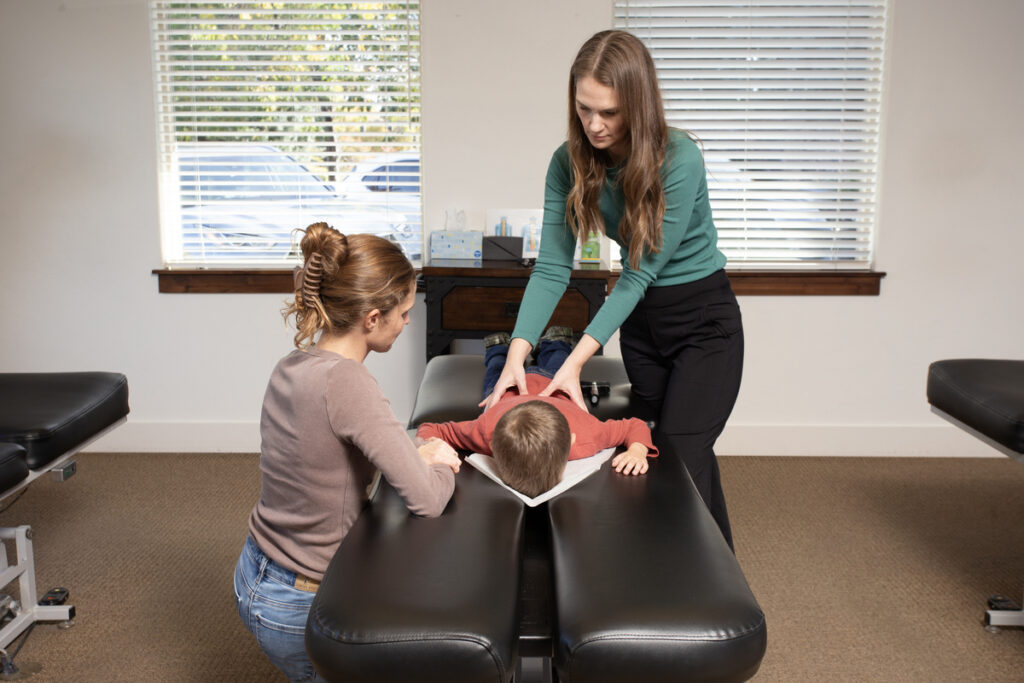
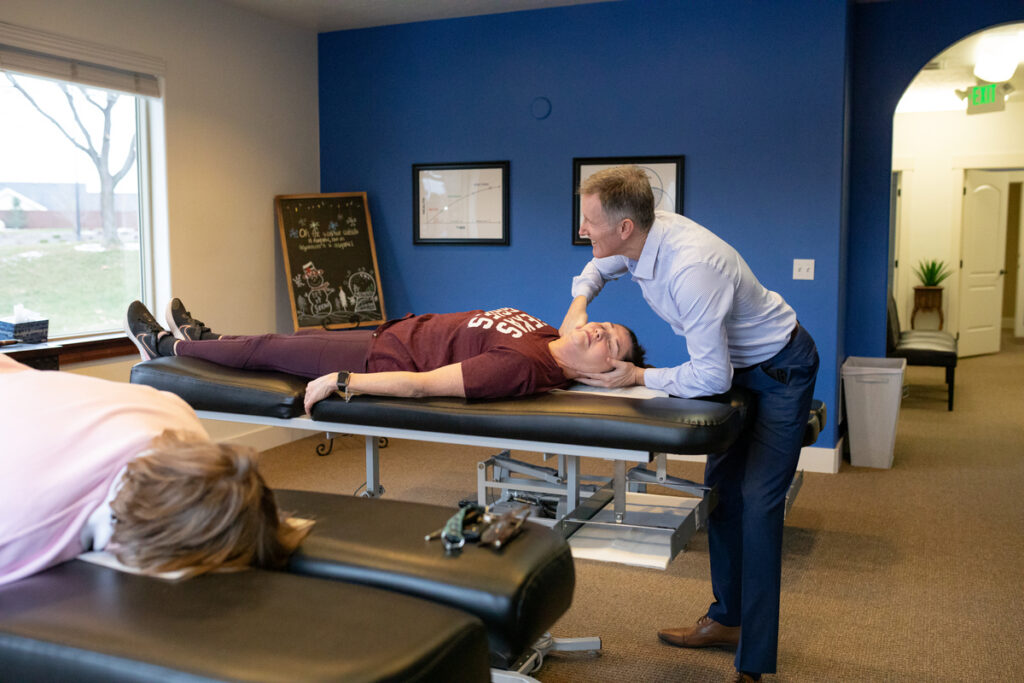
As a local chiropractor, I want to take a moment to explain how spinal manipulation can be a vital part of your recovery from sports injuries. Many people may not be familiar with the benefits of chiropractic care, so let me share how it can help you feel better and get back to doing what you love.
Spinal manipulation is a hands-on technique that helps realign your spine and improve your overall mobility. By addressing misalignments in your spine, we can reduce pain and tension in your body, allowing for a more efficient healing process. It's a natural approach that focuses on your body's ability to heal itself.
In our practice, we use a variety of techniques tailored to your specific needs. Whether you're dealing with back pain, neck stiffness, or joint discomfort, spinal manipulation can help restore balance and function.
By working together, we can enhance your recovery and support your journey back to peak performance.
If you're curious about how chiropractic care can benefit you, I invite you to reach out and learn more. Your health and well-being are our top priorities, and we're here to help you stay active and pain-free.
Benefits of Spinal Manipulation
As a local chiropractor, I want to share with you some of the remarkable benefits of spinal manipulation, especially when it comes to recovering from sports injuries.
It's common for your body to become misaligned after an injury, which can cause pain and restrict your movement. Spinal manipulation is a natural approach that helps realign your spine, promoting healing and restoring your body's functionality.
Let's explore four emotional benefits you may experience through this process:
- Pain Relief: Many patients report significant relief from pain following spinal manipulation. This can help you get back to your favorite activities much sooner than you might expect.
- Increased Mobility: By improving your spinal alignment, you'll often find that your range of motion increases. This newfound mobility makes it easier for you to move freely and perform at your best, whether on the field or in daily life.
- Enhanced Performance: As your body begins to heal, many athletes notice an improvement in their overall performance. This can boost your confidence, allowing you to engage more fully in your sport.
- Overall Well-being: Spinal manipulation doesn't just address physical issues; it can also have a positive effect on your mental health. Many clients experience a reduction in stress and anxiety associated with their injuries, which helps them focus on recovery and getting back to what they love.
If you're curious about how spinal manipulation can benefit you, I encourage you to reach out and learn more about this holistic approach to healing.
Your health and well-being are my top priority!
Techniques Used in Practice
As your local chiropractor, I want to take a moment to educate you about the various techniques we use in our practice to ensure effective spinal manipulation and promote natural healing.
One of the most common methods we utilize is called the Diversified Technique. This technique involves a high-velocity, low-amplitude thrust aimed at restoring proper alignment and improving mobility in the spine. You may hear a popping sound during this process, which is completely normal and simply indicates that gas is being released from the joint.
Another technique that many of our patients appreciate is the Activator Method. This approach utilizes a handheld instrument to deliver quick, controlled impulses to specific areas of the spine. It's a gentle technique, making it a great option for those who may be anxious about more forceful adjustments. If you prefer a softer touch, this could be the right choice for you.
We also offer the Gonstead Technique, which involves a detailed examination of your posture and spinal alignment. By using hands-on adjustments, I can help correct any misalignments, which can greatly enhance your overall mobility and alleviate pain.
Lastly, there's the Thompson Technique, which incorporates a specialized table that drops slightly during the adjustment. This innovative design allows for a more comfortable experience while still achieving effective results.
Each of these techniques is tailored to meet your individual needs, ensuring that you receive the best care possible on your journey to recovery.
If you have any questions or concerns about these methods, please feel free to ask!
Kinesiology Taping
As a local chiropractor dedicated to promoting natural healing and recovery, I want to introduce you to the benefits of kinesiology taping—a technique that has gained popularity in the world of sports injury recovery.
You may have noticed athletes wearing colorful tape on their bodies, and there's a good reason for that! Kinesiology taping not only aids in healing but also enhances your performance by allowing for greater mobility and flexibility.
When applied properly, kinesiology tape can make a significant impact on your recovery journey.
Here are four key benefits of kinesiology taping that can truly enhance your well-being:
- Pain Reduction: The unique design of the tape lifts the skin slightly, creating space that improves blood circulation and alleviates pressure on pain receptors. This means you can return to your favorite activities with less discomfort.
- Muscle Support: Kinesiology tape provides support to weakened or injured muscles, enabling safe and effective movement. Think of it as a supportive ally that helps you stay active while you heal!
- Injury Prevention: By offering stability, the tape plays a vital role in preventing further injuries. You can confidently push your limits, knowing you have an extra layer of protection to help you stay injury-free.
- Enhanced Performance: The flexibility of kinesiology tape allows for improved performance. You'll feel more liberated, confident, and ready to take on any challenge that comes your way.
Integrating kinesiology taping into your recovery plan could be the transformation you need.
If you're curious about how this technique can support your healing journey, I encourage you to reach out and explore this natural approach to wellness!
Myofascial Release
Myofascial release is an effective technique that I often recommend to my patients, especially those recovering from sports injuries. This method focuses on relieving tension in the fascia—the connective tissue that encases your muscles, bones, and organs. When you sustain an injury, the fascia can become tight and restrict your movement, resulting in pain and discomfort. By applying sustained pressure to specific areas, myofascial release helps to soften this tissue, which promotes better blood flow and aids in the healing process.
During a myofascial release session in my office, you'll typically lie down while I use my hands to identify tight areas within your fascia. I'll apply gentle, targeted pressure to these spots, encouraging the fascia to relax. You may experience some discomfort initially, but this is often a sign that the technique is effective. As the tension eases, many of my patients notice increased mobility and a significant reduction in pain.
One of the standout benefits of myofascial release is its versatility. It can be applied to a wide range of injuries, whether you're dealing with a sprain, strain, or chronic pain issues. Additionally, this technique works well alongside other treatment modalities, enhancing the overall effectiveness of your recovery plan.
Incorporating myofascial release into your rehabilitation can lead to quicker recovery times and improved athletic performance. If you're experiencing persistent pain or tightness, I encourage you to discuss myofascial release with me during your next visit. Together, we can create a personalized treatment plan that suits your needs and helps you return to your favorite activities more efficiently.
Rehabilitation Exercises
As a local chiropractor, I want to emphasize the importance of rehabilitation exercises in your recovery from sports injuries. These exercises aren't just about physical healing; they're vital for restoring your strength, flexibility, and stability, which in turn helps boost your confidence and motivation to return to your favorite activities.
By tailoring these exercises to your individual needs, we can create a more effective and personalized recovery process.
Here are four key benefits of incorporating rehabilitation exercises into your routine that I often share with my patients:
- Restores Strength: Rehabilitation exercises help you gradually rebuild the muscle strength necessary for injury prevention. Stronger muscles provide better support for your joints, allowing you to perform at your best.
- Enhances Flexibility: Through targeted stretching exercises, you can improve your range of motion, making everyday tasks easier and minimizing the risk of future injuries. You'll feel more agile and ready to take on new challenges.
- Improves Stability: Balance exercises are crucial for stabilizing your body, which helps prevent falls and ensures you maintain proper form while engaging in sports. As you progress, you'll regain your confidence in movement.
- Promotes Mental Well-being: Engaging in rehabilitation exercises also has a positive impact on your mental health. As you work through your exercises and witness your progress, you'll experience a boost in mood and a reduction in stress, keeping you motivated on your healing journey.
By integrating these rehabilitation exercises into your care plan, you'll be taking significant steps towards not only recovering from your injury but also enhancing your overall well-being.
If you have any questions about how these exercises can fit into your recovery, please feel free to reach out.
Nutritional Support
As a local chiropractor, I want to emphasize the importance of nutritional support in your recovery from sports injuries. Understanding how the right nutrients can aid in your healing process is crucial. Proper nutrition can help reduce inflammation, repair damaged tissues, and restore your energy levels after an injury.
One of the key elements I recommend is increasing your protein intake. Protein is vital for muscle repair, so incorporating sources like lean meats, fish, dairy, or plant-based options into your diet can significantly benefit your recovery.
Hydration is equally important. Keeping your body well-hydrated helps lubricate your joints and ensures that nutrients are effectively transported throughout your system, which is essential for healing. Make it a goal to drink plenty of water, and consider including electrolyte-rich drinks if you've lost fluids during physical activities.
Let's not overlook the role of vitamins and minerals in your recovery. For example, Vitamin C is critical for collagen formation, which aids in tissue healing. Including foods rich in antioxidants—such as berries, spinach, and nuts—can help counteract oxidative stress that often follows an injury.
Additionally, omega-3 fatty acids, found in fish oil and flaxseeds, can help reduce inflammation, which may expedite your recovery process.
Lastly, maintaining a balanced diet is essential for healing. I encourage you to include whole grains, healthy fats, fruits, and vegetables in your meals. These foods provide the necessary energy and nutrients your body needs to heal effectively.
Conclusion
As your local chiropractor, I want to help you understand how incorporating various chiropractic techniques can significantly aid in your recovery from sports injuries and enhance your overall performance. Techniques such as Active Release, Graston, and Myofascial Release focus on soft tissue, helping to alleviate pain and improve mobility. Additionally, spinal manipulation can help align your body, promoting optimal function and healing.
It's also essential to include rehabilitation exercises in your recovery plan, as they strengthen and support your body as it heals. Nutritional support plays a crucial role too, providing your body with the necessary fuel for recovery. By combining these chiropractic methods, I aim to help you return to your active lifestyle and perform at your best in no time! If you have any questions or would like to learn more about how chiropractic care can benefit you, please feel free to reach out.