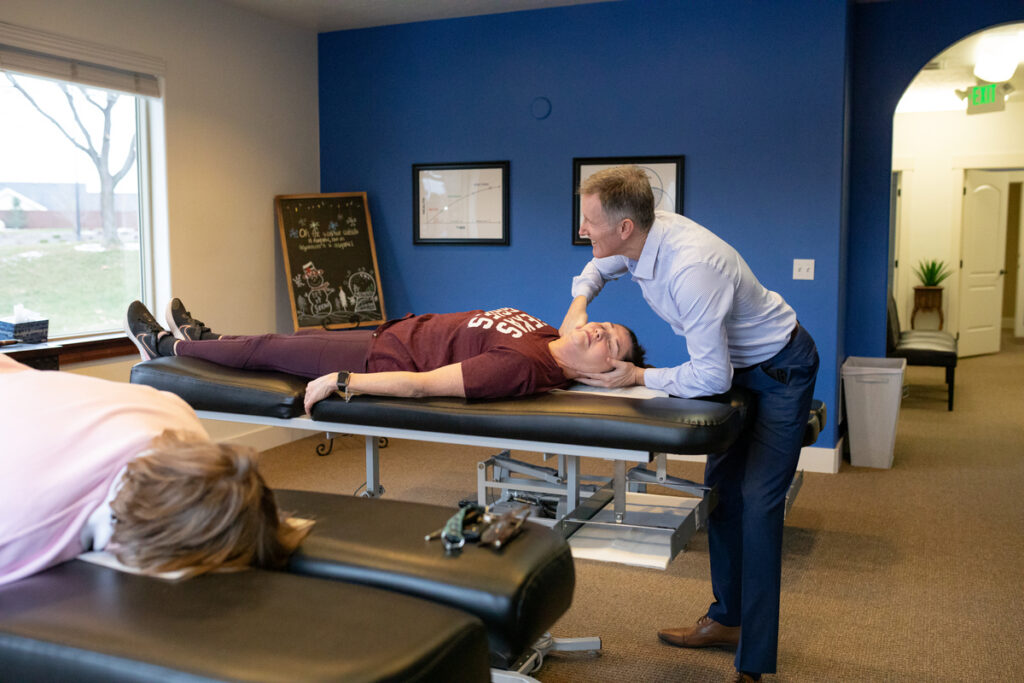

As a local chiropractor, I want to share with you some effective ways to relieve back pain that can truly make a difference in your life. Many of my patients find that a combination of techniques is the most beneficial for their recovery. Incorporating stretching exercises and making lifestyle adjustments can significantly impact your overall comfort.
One of the first things I recommend is focusing on core strengthening and maintaining proper posture—these foundational practices are essential for supporting your spine. But that's just the tip of the iceberg. There are numerous complementary therapies available that can enhance your healing journey and improve your well-being.
If you're curious about how these various approaches can be customized to meet your individual needs, I'm here to guide you. Together, we can explore the options that may surprise you and lead you towards a healthier, pain-free life.
Stretching Exercises
As a local chiropractor, I often see patients who are struggling with back pain and discomfort. One of the most effective ways to alleviate this pain is through stretching exercises. By incorporating a regular stretching routine into your daily life, you can significantly enhance your overall well-being and improve your flexibility.
Dedicating just a few minutes each day to stretching can lead to noticeable improvements in how your back feels. I recommend starting with gentle stretches like the cat-cow pose. This exercise warms up your spine and helps you become more aware of any areas that may feel tight.
To perform this stretch, get on your hands and knees, arch your back upwards, and then dip it downwards while lifting your head. This dynamic motion promotes mobility and relieves stiffness in the spine.
Another great stretch to consider is the child's pose. To do this, kneel on the floor, sit back on your heels, and extend your arms forward on the ground. This position not only helps lengthen your spine but also provides a soothing stretch for your lower back.
I recommend holding this pose for several deep breaths to fully experience the benefits.
Don't overlook the importance of the hamstring stretch! Sit on the ground with one leg extended and the other bent. Reach toward your toes on the extended leg, and you'll feel a wonderful stretch in your hamstrings and lower back. This exercise can help alleviate tightness that often contributes to back pain.
By incorporating these stretches into your routine, you're likely to notice improved flexibility and reduced tension in your back. It's essential to listen to your body and avoid pushing yourself too hard.
Consistency is key, so I encourage you to make stretching a regular habit for lasting relief. Remember, natural healing and chiropractic care work hand in hand to support your journey to wellness.
Strength Training
As a local chiropractor, I want to share how strength training can be a valuable tool in alleviating back pain. By building the muscles that support your spine, strength training enhances stability and reduces strain on your back. When your core, glutes, and back muscles are strong, they work in harmony to maintain proper alignment, which can help prevent or reduce discomfort.
To get started, I recommend focusing on exercises that specifically target your core and lower back, such as planks, bridges, and deadlifts. These movements reinforce the muscles that stabilize your spine. It's crucial to use proper form to avoid injury, so if you're new to strength training, consider working with a qualified trainer who can guide you through the techniques and help you establish a balanced routine.
You don't have to jump into lifting heavy weights right away; bodyweight exercises can be quite effective in building strength. As you progress, gradually increasing resistance will keep your workouts challenging and promote muscle growth.
Consistency is essential, so aim for at least two to three strength training sessions each week, making sure to include rest days for muscle recovery.
While strength training offers many benefits, it's important to listen to your body. If you experience pain during any exercise, stop and reassess your form, or consult with a professional like myself.
With dedication and the right approach, strength training can become a powerful ally in your journey towards relieving back pain and improving your overall well-being.
Posture Improvement
As a local chiropractor dedicated to helping you achieve better health through natural healing, I want to emphasize the importance of strength training in improving posture. Strong muscles play a vital role in supporting an upright alignment, which is essential for your overall well-being.
To begin enhancing your posture, it's crucial to engage your core muscles—this includes your abdominals, obliques, and lower back. Think of these muscles as a natural corset, helping to stabilize your spine and pelvis. Incorporating exercises like planks and bridges can be very effective in strengthening this area.
In addition to strengthening your muscles, I encourage you to pay attention to your daily habits. If your work involves long hours at a desk, be mindful of your sitting posture. Aim to sit up straight, with relaxed shoulders and feet flat on the floor. Choosing a chair that offers support for your lower back is important; if necessary, consider adding a cushion for extra comfort.
Even minor adjustments can lead to significant improvements in how your back feels throughout the day. When standing, make it a point to distribute your weight evenly on both feet. Keep your shoulders back and your head aligned with your spine. This posture not only alleviates tension but also enhances circulation throughout your body.
Incorporating stretching into your daily routine is another essential aspect of supporting your posture. Focus on stretching your chest and hip flexors, as tightness in these areas can contribute to slumping and poor posture.
Lastly, don't forget to be aware of your posture while walking. Keep your chin up and allow your arms to swing naturally at your sides.
With consistent practice and awareness, you'll begin to notice improvements in your posture, which can lead to a significant reduction in back pain. Remember, good posture isn't just about standing tall; it's a holistic lifestyle choice that can greatly benefit your overall health and well-being.
If you have any questions or need personalized advice, don't hesitate to reach out to me. Your journey to better posture and health starts here!
Heat and Cold Therapy
As a local chiropractor, I want to share some valuable insights about managing back pain through natural methods like heat and cold therapy.
Many of my patients find these techniques to be incredibly effective in their recovery process.
Heat therapy is beneficial because it helps to relax tight muscles and enhances blood circulation, which can promote healing.
On the other hand, cold therapy plays a crucial role in reducing inflammation and numbing any sharp pain you may be experiencing.
By incorporating both heat and cold into your self-care routine, you can take a comprehensive approach to alleviating discomfort.
I encourage you to explore these therapies as part of your journey toward better health and well-being.
If you have any questions or need further guidance, feel free to reach out—I'm here to help!
Benefits of Heat Therapy
As a local chiropractor, I want to share with you how beneficial heat therapy can be for alleviating back pain and enhancing your overall well-being. Many of my patients find that applying heat to their back helps ease tension and promotes relaxation.
When you use heat, it increases blood flow to the affected area, which can significantly reduce stiffness and improve flexibility. This enhanced circulation delivers vital nutrients and oxygen to your muscles, supporting the healing process.
One of the standout advantages of heat therapy is its ability to soothe sore muscles. Whether you're experiencing chronic pain or have recently strained a muscle, warmth can help alleviate discomfort and enhance your overall comfort levels.
I often recommend using tools like a heating pad, hot water bottle, or even indulging in a warm bath for quick relief.
Additionally, heat therapy promotes relaxation, which is crucial for managing stress-related back pain. By allowing your muscles to relax, you create a calming environment that can help you cope with pain more effectively.
It's a straightforward yet powerful technique that you can easily incorporate into your daily routine, and I encourage you to consider it as part of your path to natural healing and wellness.
Cold Therapy Techniques
As a local chiropractor, I want to share with you the benefits of cold therapy in managing back pain. This natural approach can be incredibly effective in reducing inflammation and numbing those sore areas that might be bothering you. When you apply cold, it constricts blood vessels, which helps to minimize swelling in the affected area.
One of the simplest ways to incorporate cold therapy into your routine is by using an ice pack or even a bag of frozen vegetables wrapped in a thin cloth. I recommend applying this to your lower back for about 15 to 20 minutes. Just be sure to give your skin a break between sessions to avoid any potential irritation.
If you prefer a different method, taking a cold shower or using a cold compress can also work well. In cases of muscle spasms, a cold gel pack is particularly beneficial as it conforms to your body, providing even and consistent coverage. Remember, it's important to avoid placing ice directly on your skin to prevent frostbite.
Cold therapy can also be beneficial after physical activities to help prevent soreness. If you're out and about, consider keeping a cold pack in your bag for quick relief whenever you need it.
It's worth noting that cold therapy is most effective during the first 48 hours after an injury, so don't hesitate to utilize this method when you're in discomfort.
Combining Heat and Cold
As a local chiropractor, I want to share with you an effective approach to managing back pain that combines heat and cold therapy. Many patients are unaware of how these methods can work together to promote healing and alleviate discomfort.
Each therapy has its unique benefits: heat helps to relax tight muscles and boosts blood circulation, while cold therapy is excellent for reducing inflammation and numbing sharp pain sensations. By alternating between these therapies, you can address your pain more comprehensively.
I recommend starting with a cold pack applied to the affected area for about 15-20 minutes. This initial step can help reduce swelling and numb any acute pain you might be experiencing. Remember to wrap the cold pack in a cloth to protect your skin from direct contact, which can cause irritation.
After the cold therapy, take a break for about 30 minutes, allowing your body to adjust before switching to heat. You can use a heating pad, a warm towel, or even enjoy a soothing warm bath. This step is vital as it helps to relax your muscles and enhance blood flow, both of which are crucial for the healing process.
You can repeat this cycle as needed, but it's important to listen to your body. If you feel any discomfort, consider adjusting the duration or intensity of either the heat or cold.
Many of my patients find that incorporating this combination into their routine leads to significant pain relief, allowing them to engage in daily activities with greater ease. Embracing these natural healing techniques can be a powerful tool in your journey toward wellness.
Massage Therapy
As a local chiropractor, I want to emphasize how massage therapy can significantly alleviate your back pain.
There are several techniques available, each designed to address your specific discomfort and encourage the healing process.
By incorporating massage therapy into your care plan, you can experience improved mobility, reduced tension, and enhanced overall wellness.
Let's delve into the various benefits these therapeutic approaches can provide on your path to relief.
Types of Massage Techniques
As your local chiropractor, I want to share valuable information on how various massage techniques can play a crucial role in alleviating back pain. Understanding these methods can empower you to make informed choices about your health and well-being.
One of the most widely recognized techniques is Swedish massage. This method employs long, flowing strokes that promote relaxation and enhance circulation. If you're experiencing general stiffness or tension, Swedish massage can provide a soothing experience that eases your discomfort.
For those dealing with chronic pain or deeper muscle tension, deep tissue massage may be more beneficial. This technique targets the deeper layers of muscle and connective tissue through slower strokes and firmer pressure. While it can feel intense, many find it to be an effective way to relieve persistent pain and tension.
Another valuable approach is trigger point therapy, which hones in on specific tight areas, known as trigger points. By applying targeted pressure, this technique can help release built-up tension and alleviate localized pain. It's particularly useful if you have specific areas of discomfort that need attention.
Lastly, if you lead an active lifestyle or participate in sports, sports massage can be highly advantageous. This technique combines various methods to help prevent injuries and improve performance, making it an excellent choice for athletes or anyone who engages in physical activities.
I encourage you to explore these massage techniques and discover which one resonates with you. Incorporating these therapies alongside chiropractic care can enhance your overall healing process and provide significant relief from back pain.
Benefits for Back Pain
As a local chiropractor dedicated to helping you manage your back pain, I want to share the significant benefits of incorporating massage therapy into your pain relief plan. Many patients experience immediate relief from muscle tension and soreness right after a massage session. The skilled touch of a therapist can effectively reduce inflammation and enhance blood circulation, which accelerates your recovery process.
Regular massage therapy not only alleviates pain but also enhances your flexibility and range of motion. This improvement can make everyday activities much easier and more enjoyable. As your pain and stiffness diminish, you may find it easier to maintain an exercise routine, which is essential for your overall health and well-being.
Additionally, massage therapy plays a crucial role in lowering stress levels. By promoting relaxation, it decreases the production of stress hormones that can lead to muscle tightness and pain. When your mind is more at ease, you're better equipped to cope with chronic pain.
Moreover, massage therapy fosters a deeper connection between your body and mind. It encourages you to tune in to your body's signals, helping you become more aware of what activities or movements may worsen your pain and how to avoid them.
Chiropractic Care
As a local chiropractor, I often see many individuals seeking a natural solution for back pain relief. Chiropractic care focuses on the alignment of your spine and aims to restore proper function throughout your body. When you come to see me, I'll carefully assess your spine and other areas to identify any misalignments or restrictions that may be contributing to your discomfort.
Chiropractic adjustments involve applying precise, controlled force to realign your spine, which can significantly improve your body's movement. Many of my patients experience immediate relief after an adjustment, as it alleviates pressure on nerves and reduces inflammation. It's common to feel more relaxed and less tense after our sessions together.
In addition to spinal adjustments, I often recommend personalized exercises and stretches that cater to your specific needs. These routines can help strengthen your back muscles and enhance flexibility, reducing the risk of future injuries. I also provide guidance on proper posture and ergonomics, which are essential in preventing recurring pain.
One of the aspects I love most about chiropractic care is its holistic approach. Rather than simply masking the pain with medication, we focus on addressing the root cause. Many of my patients find that regular visits to my office help them maintain their overall health and well-being, creating a foundation for long-term relief.
If you're considering chiropractic care, it's crucial to choose a qualified practitioner. Look for someone with strong credentials and experience in treating back pain. Together, we can work towards achieving lasting relief and improving your quality of life. I'm here to guide you on your journey to better health through natural healing.
Acupuncture
As a local chiropractor, I want to introduce you to a natural healing technique that can complement your chiropractic care: acupuncture. This ancient practice, rooted in Traditional Chinese Medicine, provides a unique approach to alleviating back pain by targeting specific points on the body through the insertion of thin needles. The goal is to balance your energy, known as "qi," and encourage the body's natural healing processes.
When you come to see me, I'll assess your overall health and collaborate with an acupuncturist to determine the best points for your treatment. While you may feel a slight prick when the needles are inserted, most patients report very little discomfort. In fact, many find the experience quite relaxing, almost like a gentle unwinding of tight muscles, which can significantly reduce pain and improve mobility.
Numerous studies indicate that acupuncture can be particularly effective for chronic back pain, with many patients experiencing noticeable relief after just a few sessions. Additionally, it can enhance the outcomes of other treatments, including chiropractic adjustments and physical therapy.
If you have reservations about needles, I assure you that acupuncture is generally safe when performed by a qualified professional.
If you've been struggling with pain and haven't found success with other methods, consider incorporating acupuncture into your pain management plan. It's essential to discuss this option with your healthcare provider to ensure it's suitable for your specific condition.
Mindfulness and Meditation
As a local chiropractor dedicated to your overall well-being, I want to share how incorporating mindfulness and meditation into your daily routine can significantly aid in managing back pain. These practices encourage you to focus on the present moment, which can help alleviate stress and tension that often worsen discomfort. By developing a greater awareness of your body and pain, you can learn to handle your symptoms in a healthier way.
Here are some important benefits of mindfulness and meditation that can help you find relief from back pain:
- Increased relaxation: By lowering stress levels, you allow your muscles to relax, which can reduce tension in your back and promote healing.
- Enhanced body awareness: Mindfulness helps you become more attuned to your body's signals, allowing you to identify what triggers your pain and adjust your movements accordingly.
- Pain perception shift: These practices can change how you perceive pain, making it feel less overwhelming and more manageable, which is crucial for your healing journey.
- Improved emotional resilience: Mindfulness can help you build a stronger mental foundation to cope with the emotional challenges that often accompany chronic pain.
To begin, I recommend setting aside just a few minutes each day for mindfulness or meditation. Find a peaceful spot, sit comfortably, and concentrate on your breath. If your mind starts to wander, gently guide your focus back to your breathing.
You might also consider exploring guided meditations that are specifically tailored for pain relief.
Lifestyle Modifications
As a local chiropractor, I want to share with you some valuable insights on how mindfulness and meditation can complement your journey in managing back pain.
However, it's equally essential to consider how various lifestyle modifications can significantly enhance your healing process. By incorporating small, thoughtful changes into your daily routine, you can alleviate discomfort and promote overall wellness.
First and foremost, let's talk about posture. Whether you're sitting at your desk, driving, or simply standing, maintaining proper alignment is crucial for reducing strain on your back.
Investing in ergonomic furniture or using supportive cushions can help keep your spine in a neutral position, which is vital for long-term health.
Next, let's discuss physical activity. Engaging in regular exercise, especially low-impact activities such as walking, swimming, or yoga, can strengthen your back muscles and enhance flexibility.
I recommend aiming for at least 30 minutes of moderate exercise on most days. However, it's important to listen to your body—if something feels uncomfortable, don't hesitate to adjust your routine.
Nutrition is another key component of your healing journey. A balanced diet that includes anti-inflammatory foods—such as fruits, vegetables, whole grains, and healthy fats—can significantly aid in reducing pain and promoting healing.
Also, don't overlook the importance of staying hydrated, as dehydration can lead to muscle cramps and tension.
Lastly, let's not forget about the significance of quality sleep. Adequate rest allows your body to recover and rejuvenate.
Aim for 7-9 hours of sleep each night, and create a peaceful sleep environment by keeping your bedroom dark, quiet, and cool.
Conclusion
As your local chiropractor, I want to share some effective techniques that can significantly relieve your back pain and improve your overall well-being. One of the primary focuses of chiropractic care is promoting proper alignment through stretching and strength training. Coupling these practices with maintaining good posture can create a strong foundation for your spine and help reduce discomfort.
Additionally, therapies such as massage and acupuncture play a vital role in the healing process. These natural treatments can alleviate tension and stimulate your body's innate ability to heal. I also encourage you to explore mindfulness and make positive lifestyle changes, as these can greatly enhance your recovery journey.
Consistency in these practices is crucial. By integrating them into your daily routine, you'll likely start to notice improvements in how you feel. Remember, I'm here to guide you every step of the way towards a healthier, pain-free life.