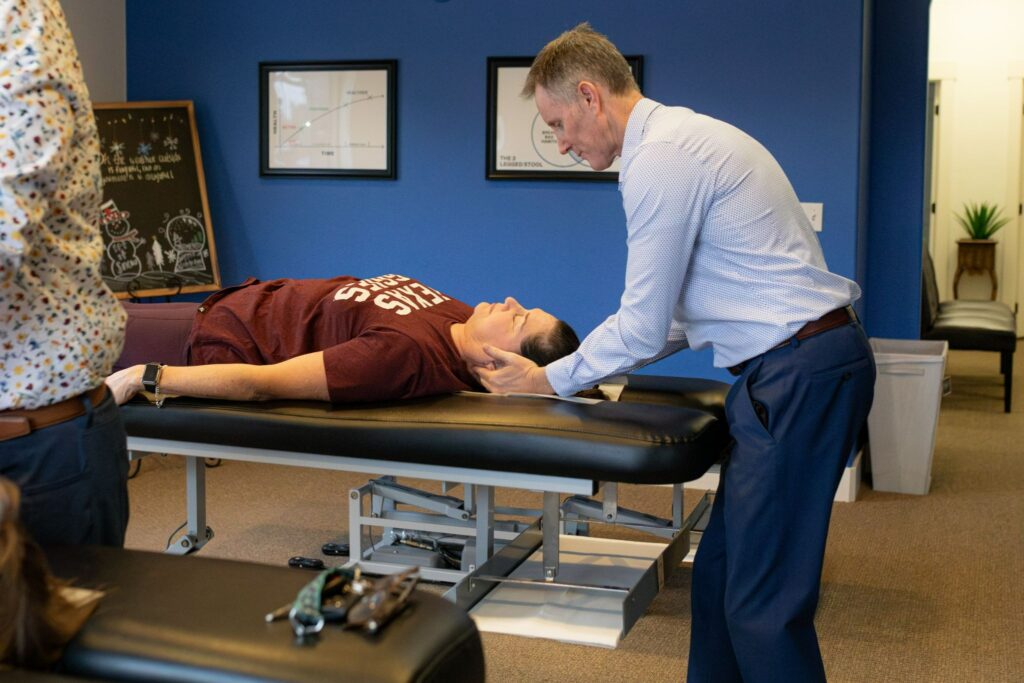

If you're experiencing lower back pain, you may not realize just how significantly it can impact your everyday activities. As a local chiropractor, I want to educate you on the effective treatments available that can help restore your comfort and mobility. One of the most beneficial options is chiropractic adjustments, which focus on realigning your spine and enhancing your body's natural ability to heal itself.
In addition to chiropractic care, many patients find relief through over-the-counter medications, which can offer quick pain relief. However, there are also complementary therapies worth considering, such as acupuncture and hot or cold treatments, which can further aid in your recovery.
Finding the right combination of these methods is essential for achieving lasting relief from lower back pain. By understanding the unique benefits of each treatment, you can make informed decisions about your care. I'm here to guide you through these options and help you discover a tailored approach to your healing process.
Physical Therapy Options
When it comes to managing lower back pain, chiropractic care can be a transformative approach. As a chiropractor, I focus on natural healing methods that address the root cause of your discomfort rather than just alleviating symptoms. By using specific adjustments and techniques, I aim to restore proper alignment to your spine, which is crucial for optimal function and overall health.
During your visits, we'll work together to develop a customized treatment plan tailored to your individual needs. This plan may include spinal adjustments, therapeutic exercises, and stretches designed to strengthen your core muscles and enhance flexibility. Strengthening these muscles provides essential support to your spine, helping to alleviate pain and prevent future injuries.
In our sessions, you may also experience various techniques like soft tissue therapy, which can help relieve muscle tension and improve circulation to the affected areas. Additionally, I'll teach you about proper body mechanics and posture, which can significantly impact your daily activities and help you move more efficiently, reducing strain on your lower back.
To complement your treatment, I may recommend natural modalities such as heat, ice, or electrical stimulation to aid in the healing process. It's important to remember that consistency is vital; regular chiropractic visits and adherence to the home exercises we establish together can lead to more effective and lasting results.
Together, we can set realistic goals that will keep you motivated and focused on your recovery journey. Chiropractic care not only addresses your lower back pain but also empowers you with the knowledge and skills necessary to maintain long-term spinal health.
If you're experiencing discomfort, I encourage you to explore the benefits of chiropractic care for a natural path to relief and wellness.
Chiropractic Adjustments
As a local chiropractor, I want to share with you how chiropractic adjustments can serve as an effective approach for alleviating lower back pain.
Through a variety of techniques, we focus on realigning the spine, which can significantly enhance your overall mobility and well-being.
Many people may not be familiar with the benefits of chiropractic care, but it offers a natural and holistic way to manage pain without relying solely on medications.
By understanding how chiropractic adjustments work, you can make an informed decision about whether this option is right for you in your journey towards better health.
Benefits of Chiropractic Care
As a local chiropractor, I want to share how chiropractic adjustments can be a valuable option for those dealing with lower back pain. Many of my patients have found relief through this gentle, non-invasive method, which focuses on realigning the spine and enhancing overall body function.
Here are some key benefits you may experience when considering chiropractic care:
- Pain Reduction: One of the most immediate benefits of chiropractic care is pain relief. Through precise adjustments, we can realign your spine, relieving pressure on the nerves and reducing discomfort effectively.
- Improved Mobility: Regular chiropractic adjustments can significantly enhance your range of motion. You'll likely notice that activities you once found challenging—like bending, lifting, or even walking—become much easier.
- Holistic Health: At my practice, we take a holistic approach to your health. We don't just focus on alleviating pain; we also address the underlying issues that may be contributing to your discomfort.
This comprehensive perspective fosters overall wellness and supports your body's natural healing processes.
If you're struggling with lower back pain or simply want to improve your health, I encourage you to consider chiropractic care. By focusing on the spine and understanding body mechanics, we can work together not only to relieve your pain but also to empower you with knowledge on how to maintain your well-being for years to come.
Techniques Used in Adjustments
As a local chiropractor dedicated to educating my patients about chiropractic care and natural healing, I want to share some effective techniques we use to alleviate lower back pain.
One of the most common methods is the Diversified Technique. This approach involves high-velocity, low-amplitude thrusts that help realign the spine. Many patients appreciate this technique for its quick and precise nature, often experiencing immediate relief after an adjustment.
Another technique you may find appealing is the Activator Method. This involves a small handheld device that delivers a gentle impulse to specific areas of the spine. If you're looking for a milder approach, this method is particularly beneficial as it's less forceful and can be very comfortable.
The Gonstead Technique is another option we offer, which emphasizes a thorough analysis of your spine, including X-rays when necessary. This detailed evaluation allows us to identify any misalignments and tailor the treatment specifically to your spinal structure and needs.
If you're seeking a softer touch, the Thompson Technique might be right for you. This method utilizes a specialized table that drops slightly during the adjustment, providing a more comfortable experience while still effectively addressing your concerns.
Finally, we also use the Flexion-Distraction Technique, which involves gentle stretching of the spine. This method can help relieve pressure on the discs and nerves in your lower back, promoting better overall function and comfort.
I'm here to guide you on your journey to better health, and I'm happy to discuss which technique may be best suited for your individual needs.
Over-the-Counter Medications
As a local chiropractor, I want to help you understand how to manage lower back pain effectively. Over-the-counter medications can provide quick relief, but it's essential to know which pain relievers are commonly available, how to use them safely, and the potential side effects you should be aware of.
While these medications can help temporarily alleviate discomfort, I also encourage you to consider the benefits of chiropractic care and natural healing methods. By addressing the underlying issues contributing to your pain, we can work together to create a personalized treatment plan that promotes long-lasting relief.
Let's delve into these important points so you can make informed decisions about your health and well-being.
Common OTC Pain Relievers
As a local chiropractor, I understand that dealing with lower back pain can be incredibly frustrating. While chiropractic care focuses on natural healing and addressing the root causes of pain, many patients find relief through common over-the-counter (OTC) pain relievers. These medications can help manage discomfort and allow you to continue with your daily activities.
Here are three popular options that you might consider:
- Ibuprofen: This nonsteroidal anti-inflammatory drug (NSAID) is effective in reducing inflammation and relieving pain. I often recommend it for acute pain episodes, but keep in mind that it's important to understand the underlying issues causing your discomfort.
- Acetaminophen: If you're sensitive to NSAIDs, acetaminophen might be a suitable alternative. It's gentle on the stomach and can help alleviate mild to moderate pain. However, it's essential to remember that this medication doesn't address inflammation, which is often a significant contributor to back pain.
- Naproxen: Another NSAID, naproxen offers longer-lasting relief compared to ibuprofen. If you're looking to manage pain over an extended period, this could be a helpful option.
Still, I encourage you to consider how chiropractic adjustments can complement this relief by promoting better spinal alignment and function.
Before using any OTC medication, I always advise consulting with a healthcare professional, especially if you have pre-existing conditions or are taking other medications.
Understanding your options, including the benefits of chiropractic care, can empower you to address your lower back pain effectively and enhance your overall quality of life.
Dosage and Usage Guidelines
As a local chiropractor dedicated to helping you manage your lower back pain, it's important to understand how to use over-the-counter medications safely and effectively. While chiropractic care focuses on natural healing and addressing the root causes of pain, you may find yourself needing additional relief.
For common pain relievers like ibuprofen and naproxen, it's crucial to adhere to the recommended dosages found on the packaging. Generally, ibuprofen can be taken every 6 to 8 hours, but be cautious not to exceed 1,200 mg in a single day unless your healthcare provider has advised otherwise.
Naproxen, on the other hand, is typically taken every 8 to 12 hours, with a maximum daily limit of 660 mg for over-the-counter use.
If you opt for acetaminophen, the typical dosage is every 4 to 6 hours, with a daily maximum of 3,000 mg. Always read the labels closely, as some medications may contain multiple active ingredients, which could lead to unintentional overdosing.
When using these medications, I recommend starting with the lowest effective dose for your pain and keeping an eye on your symptoms. If your lower back pain continues for several days or worsens, please consider consulting with me or another healthcare professional.
It's also wise to take these medications with food or a full glass of water to help minimize any potential stomach discomfort. Lastly, avoid mixing different pain relievers without professional guidance, as this can increase the risk of complications.
Potential Side Effects
As a local chiropractor, I want to help you understand your options for managing lower back pain. While over-the-counter pain medications may provide quick relief, it's important to be aware of the potential side effects that can accompany their use.
Relying solely on these medications without understanding the risks can lead to complications that may affect your overall health.
Here are three common side effects associated with over-the-counter pain medications that I want you to consider:
1. Gastrointestinal Issues: Many people turn to nonsteroidal anti-inflammatory drugs (NSAIDs) like ibuprofen for pain relief. However, these medications can irritate your stomach lining, which may lead to discomfort, ulcers, or even bleeding, especially with long-term use.
This is something to keep in mind as you explore your pain management options.
2. Kidney Problems: If you find yourself using NSAIDs frequently, it's essential to know that they can put strain on your kidneys. This risk is even greater for individuals with pre-existing kidney conditions.
Reduced kidney function can become a serious issue if not monitored properly.
3. Allergic Reactions: Some patients may experience allergic reactions to certain pain medications. Symptoms can range from mild rashes and itching to more severe reactions like difficulty breathing.
If you have a history of allergies, it's vital to be cautious with these medications.
As a chiropractor, I advocate for a holistic approach to healing. I encourage you to consult a healthcare professional before starting any over-the-counter medication.
By understanding the potential side effects, you can make informed decisions about managing your lower back pain and explore natural healing methods that may be available to you.
Together, we can work towards a safer and more effective pain management plan.
Prescription Pain Relievers
As a local chiropractor, I want to help you understand how managing lower back pain can be approached from a holistic perspective, often without the need for prescription pain relievers. Many people turn to these medications when over-the-counter options fall short, but there are natural healing methods that can effectively alleviate your discomfort.
While prescription pain relievers, such as opioids like oxycodone and morphine, are powerful options for severe pain, they come with significant risks, including dependency and various side effects. That's why I encourage my patients to consider alternative therapies that focus on treating the underlying issues causing your pain, rather than merely masking the symptoms.
Nonsteroidal anti-inflammatory drugs (NSAIDs) like ketorolac or prescription-strength ibuprofen can also reduce inflammation and relieve pain, but they can have side effects, especially with long-term use. Instead, chiropractic care aims to improve your body's natural ability to heal itself. By adjusting the spine and enhancing joint function, we can help reduce inflammation and promote overall well-being.
Muscle relaxants are another common prescription for back pain, designed to ease muscle spasms. However, these medications may only provide temporary relief. Chiropractic adjustments, combined with targeted exercises and stretches, can effectively address muscle tension and promote recovery from back pain.
Ultimately, the best approach to managing your lower back pain is through a personalized treatment plan that aligns with your specific condition and pain level. I encourage open communication about your concerns and experiences, as well as a commitment to a natural healing process.
With the right guidance and support, chiropractic care can be a powerful tool in your journey towards lower back pain relief and improved quality of life.
Hot and Cold Therapy
As a local chiropractor, I often recommend hot and cold therapy as a simple yet effective approach to managing lower back pain. Many patients are surprised at how beneficial these techniques can be for reducing inflammation, easing muscle tension, and enhancing blood circulation, ultimately providing relief from discomfort.
Allow me to guide you on how to effectively incorporate both methods into your self-care routine:
- Heat Therapy: Applying heat can significantly increase blood flow to the affected area, helping to relax tight muscles. You can use a heating pad, a warm towel, or even take a warm bath. I suggest aiming for about 15-20 minutes of heat application. Just remember to always check the temperature to avoid any burns—your safety is paramount.
- Cold Therapy: On the other hand, cold therapy is fantastic for reducing swelling and numbing sharp pain. I recommend wrapping ice or a cold pack in a cloth and applying it to your lower back for approximately 15-20 minutes. This technique is particularly effective during the first 48 hours following an injury or flare-up.
- Alternating Methods: Sometimes, the best results come from alternating between hot and cold therapy. Start with cold therapy to tackle inflammation and then switch to heat to soothe and relax your muscles. You can repeat this process several times a day, as needed, to maximize your relief.
I encourage you to experiment with both therapies to identify which one works best for your body. It's essential to listen to your body's signals, and if you have any concerns or questions, please don't hesitate to consult with me or another healthcare professional.
Massage Therapy Techniques
As a local chiropractor, I want to share with you an effective approach to alleviating lower back pain: massage therapy. This powerful technique can provide immediate relief and support long-term healing by focusing on the muscles and soft tissues of your back.
There are various massage techniques you might find helpful in managing your discomfort. One widely recognized method is Swedish massage, which utilizes long, flowing strokes to promote relaxation throughout the entire body. This technique not only alleviates tension but also enhances blood circulation, ensuring that essential nutrients reach the affected areas.
Another beneficial option is deep tissue massage, which concentrates on the deeper layers of muscle and connective tissue. This approach is particularly effective for those dealing with chronic pain. If you often experience tight knots in your back, deep tissue massage can target and release those stubborn areas, improving your flexibility and overall comfort.
Additionally, I encourage you to explore trigger point therapy. This method focuses on specific points in your muscles that can lead to pain in other areas—known as referred pain. By applying targeted pressure to these trigger points, you can reduce tension and enhance your overall well-being.
Don't forget the value of self-massage techniques as well. Tools like foam rollers or massage balls can be incredibly beneficial for managing your lower back pain from the comfort of your own home. Just be sure to listen to your body and avoid any movements that may worsen your discomfort.
Incorporating massage therapy into your wellness routine can significantly improve your ability to manage lower back pain. I encourage you to give it a try and experience the benefits firsthand!
Acupuncture Benefits
As a local chiropractor, I want to share how acupuncture can be a beneficial complement to your chiropractic care, especially for those dealing with lower back pain.
This therapy targets specific points in your body, helping to stimulate the healing process. Many of my patients have found that not only does acupuncture help reduce their pain, but it also enhances their overall well-being by improving mood and promoting relaxation.
Understanding how acupuncture works can empower you to make informed decisions about your health and explore all the natural healing options available to you.
If you're curious about how this therapy can fit into your treatment plan, I'm here to help!
Pain Relief Mechanism
As a local chiropractor, I often get questions about various methods for relieving lower back pain, and one practice that comes up frequently is acupuncture.
While you may not be familiar with it, acupuncture is an ancient healing art that involves the insertion of thin needles into specific points on the body, and it can be an effective way to promote natural healing.
Here's how it works:
- Endorphin Release: When the needles are inserted, your body has a natural response that triggers the release of endorphins—these are your body's own painkillers. As a result, you may notice a significant reduction in pain and an overall improvement in your sense of well-being.
- Increased Blood Flow: Acupuncture can enhance circulation in the area affected by pain. This increased blood flow brings vital nutrients and oxygen, which can help reduce inflammation and support the healing process in your lower back.
- Muscle Relaxation: Another benefit of acupuncture is its ability to relax tight muscles and relieve tension. This can lead to a decrease in discomfort and improve your range of motion, making it easier for you to participate in daily activities without pain.
As you explore different options for managing your lower back pain, consider the potential benefits of acupuncture in conjunction with chiropractic care.
Both approaches can work together to support your journey toward better health and wellness.
Additional Health Benefits
Are you curious about the benefits of acupuncture in addition to its well-known ability to alleviate lower back pain? As a local chiropractor, I want to share how this ancient practice can positively impact your overall health and wellness.
One of the remarkable benefits of acupuncture is its ability to enhance your immune system. By targeting specific points in the body, acupuncture can stimulate the production of white blood cells, which play a critical role in fighting off infections and keeping you healthy.
If you're dealing with stress or anxiety, acupuncture can be a valuable tool in your wellness journey. This treatment promotes relaxation and encourages the release of endorphins—your body's natural stress relievers. As a result, many patients experience improved mental clarity and an uplifted mood after their sessions.
Another area where acupuncture shines is in improving sleep quality. Many individuals report falling asleep more quickly and enjoying more restorative sleep following acupuncture treatments. By addressing issues such as pain and stress that may be keeping you awake, acupuncture can help pave the way for a peaceful night of rest.
Additionally, acupuncture can support healthy digestion by alleviating common issues like bloating and constipation. By improving gastrointestinal function, it can leave you feeling more comfortable and energized throughout your day.
If you're seeking a holistic approach to enhance your health, consider incorporating acupuncture into your wellness routine. It may just be the game-changer you've been looking for!
Exercise and Stretching
As a local chiropractor, I often encounter patients seeking quick solutions for their lower back pain. However, I want to emphasize that incorporating regular exercise and stretching into your daily routine can lead to more sustainable relief. Engaging in physical activity not only strengthens your core muscles but also enhances flexibility and promotes better posture, all of which are essential for alleviating discomfort.
A balanced approach that includes both strengthening and stretching exercises is crucial for optimal results. Here are three effective exercises and stretches that I recommend:
- Cat-Cow Stretch: This gentle yoga movement is excellent for increasing spinal flexibility. Begin on all fours, arch your back while inhaling (this is the Cat position), then dip your spine and raise your head while exhaling (the Cow position). Repeat this sequence for several cycles to help loosen your back.
- Bridges: This exercise is particularly beneficial for your glutes and lower back. To perform it, lie on your back with your knees bent and feet flat on the floor. Lift your hips toward the ceiling, hold for a few seconds, and then slowly lower back down. Aim for 10-15 repetitions to strengthen your posterior chain.
- Child's Pose: This relaxing stretch can significantly reduce tension in your lower back. Kneel on the floor, sit back on your heels, and extend your arms forward on the ground. Hold this position for 30 seconds to a minute while focusing on deep, calming breaths.
Incorporating these exercises and stretches into your daily routine can greatly enhance your lower back health. Remember, consistency is crucial, and it's important to listen to your body to prevent any additional strain.
If you have any questions or need guidance on how to safely perform these movements, don't hesitate to reach out to our office. We're here to support your journey toward natural healing and well-being.
Mindfulness and Relaxation
As a local chiropractor dedicated to your health and well-being, I want to emphasize the importance of incorporating mindfulness and relaxation techniques into your daily routine, especially when it comes to alleviating lower back pain. Many people may not realize that stress can contribute significantly to physical discomfort, and by managing that stress, you can help ease your pain.
One of the simplest yet most effective techniques is deep breathing. I encourage you to find a comfortable spot, close your eyes, and practice taking slow, deep breaths. Inhale deeply through your nose, allowing your abdomen to expand fully, and then exhale slowly through your mouth. This technique not only calms your mind but also helps to relieve muscle tension in your back, making your chiropractic adjustments more effective.
Another great resource is guided meditation. There are many apps and online platforms that offer sessions specifically designed for pain relief. These meditations often include visualizations and affirmations that can help redirect your focus away from discomfort and promote a sense of relaxation.
Progressive muscle relaxation is also an excellent method to consider. By systematically tensing and then relaxing each muscle group in your body, starting from your toes and moving upward, you can enhance your awareness of physical sensations and effectively release built-up tension.
Finally, I can't stress enough the benefits of yoga. Gentle yoga poses can significantly improve flexibility and promote relaxation while fostering mindfulness. Even dedicating just a few minutes each day to yoga can lead to a noticeable improvement in how you feel.
Lifestyle Modifications
As a local chiropractor dedicated to helping you achieve optimal health, I want to share some simple yet effective lifestyle modifications that can significantly aid in managing lower back pain. By integrating these changes into your daily routine, you can alleviate discomfort and enhance your spinal health.
Here are three essential modifications for you to consider:
1. Engage in Regular Exercise: Incorporating low-impact activities such as walking, swimming, or yoga into your routine can be incredibly beneficial. These exercises strengthen your core muscles and improve flexibility, providing crucial support to your spine.
I recommend aiming for at least 30 minutes of moderate exercise on most days. This proactive approach not only reduces your risk of injury but also promotes overall well-being.
2. Practice Good Posture: Being mindful of your posture is vital, whether you're sitting, standing, or lifting objects. Utilize ergonomic furniture and tools to ensure your back is well-supported throughout the day.
When lifting, remember to bend at your knees and keep the object close to your body. Maintaining good posture minimizes strain on your back and can prevent your pain from worsening.
3. Prioritize Hydration and Nutrition: Your diet and hydration levels play a pivotal role in your overall health, including the health of your back. It's important to stay well-hydrated and consume a balanced diet that includes anti-inflammatory foods.
These dietary choices can support the health of the discs and joints in your spine, aiding in pain management and recovery.
By adopting these lifestyle modifications, you can take an active role in managing your lower back pain and enhancing your overall health.
Conclusion
As a local chiropractor, I want to share how a combination of treatments can significantly alleviate your lower back pain. Chiropractic care is a natural and effective approach that focuses on aligning the spine and optimizing your body's function. Alongside chiropractic adjustments, over-the-counter medications can provide temporary relief, but I encourage you to consider complementary therapies like acupuncture, which many of my patients find beneficial.
Incorporating regular exercise and mindfulness practices into your routine can also play a vital role in enhancing your overall well-being and managing pain. Simple lifestyle modifications, such as improving your posture and incorporating stretching, can make a big difference too.
I invite you to explore these options and reach out to a healthcare professional—like myself—to develop a personalized plan tailored to your specific needs. Remember, your journey to relief can begin today, and I'm here to guide you every step of the way!