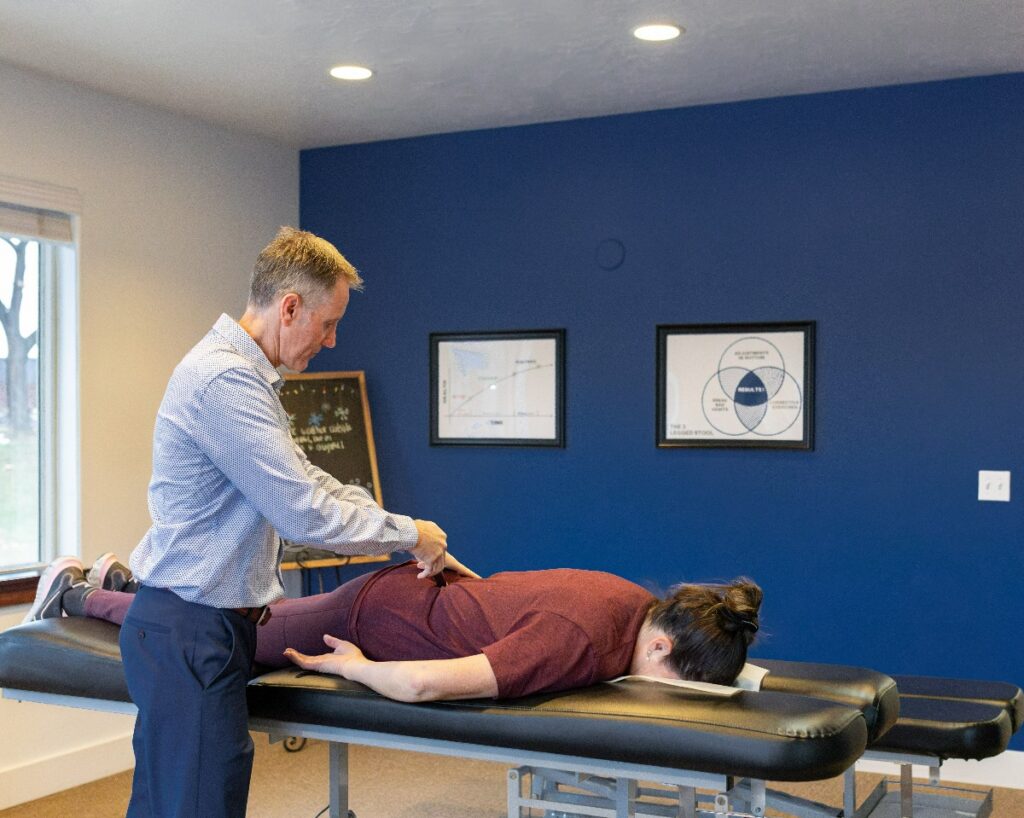

Chronic back pain can often feel overwhelming, but as your local chiropractor, I want to help you understand its underlying causes and guide you toward relief. Many people are surprised to learn how factors such as poor posture, muscle strain, and even daily habits can significantly contribute to their discomfort.
In our practice, we focus on a holistic approach to healing. By exploring a range of strategies, including spinal adjustments, physical therapy, and natural remedies, we can work together to find what truly alleviates your pain. The journey to managing your back pain effectively begins with knowledge and awareness, and I am here to share essential insights that can lead you to a healthier, pain-free life. Let’s take that first step toward your wellness together!
Understanding Chronic Back Pain: Causes and Symptoms
As a local chiropractor, I want to help you better understand chronic back pain, which can be both frustrating and debilitating. Many people are unaware of the various causes and symptoms associated with this condition.
Chronic back pain often manifests as persistent discomfort or aching that can last for weeks or even months. This type of pain can arise from multiple factors, including muscle strain, herniated discs, or degenerative conditions like arthritis. Additionally, poor posture, lack of exercise, and even emotional stress can exacerbate your discomfort.
You might also experience symptoms such as stiffness, limited mobility, and pain that radiates down your legs. It’s crucial to pay attention to these signs, as they can provide valuable insights into the underlying issues contributing to your pain. Understanding your specific pain triggers is essential for effective management.
I encourage you to keep a record of your symptoms and how they affect your daily life. This information is vital as it can empower you to seek appropriate treatment options.
At our chiropractic practice, we focus on natural healing methods that can help alleviate your chronic back pain. By working together, we can tailor a treatment plan that suits your needs, allowing you to regain control over your health and well-being.
The Role of Physical Therapy in Pain Management
When navigating the intricacies of pain management, chiropractic care can be a transformative approach for many individuals suffering from back pain.
By utilizing specialized techniques and exercises, we can help improve your mobility, strengthen your muscles, and alleviate discomfort. As a local chiropractor, my goal is to work closely with you to develop a personalized treatment plan tailored to your unique needs and health goals.
Here are several key benefits of chiropractic care for back pain:
- Enhanced Flexibility: Through targeted adjustments and mobility exercises, we can help restore your range of motion, making daily activities easier and more comfortable.
- Core Strengthening: By focusing on strengthening your core and back muscles, we can reduce the strain on your spine and promote better posture, ultimately relieving pain.
- Natural Pain Relief: Techniques such as spinal adjustments and complementary therapies like heat or cold treatments can offer immediate relief without the need for medication.
Chiropractic care emphasizes natural healing, allowing your body to recuperate effectively while addressing the root causes of your pain.
Let’s work together to find the best path to your recovery!
Innovative Treatments: Exploring Alternative Therapies
As a local chiropractor, I want to help you understand the various alternative therapies that can complement your chiropractic care and assist in managing back pain. One treatment you might find beneficial is acupuncture. This ancient practice works by promoting circulation and alleviating muscle tension through targeted pressure points, providing many patients with significant relief.
Another valuable option is massage therapy. Not only does it help reduce muscle tightness, but it also fosters relaxation. Regular massage sessions can lead to a noticeable decrease in pain levels and contribute to your overall sense of well-being.
You may also want to explore herbal remedies, such as turmeric and ginger. These natural ingredients are renowned for their anti-inflammatory properties and can be easily added to your diet or taken as supplements to support your healing journey.
Additionally, incorporating mindfulness techniques like meditation or yoga can greatly enhance your relationship with your body. These practices help reduce stress and improve your pain management strategies.
The Importance of Regular Exercise and Movement
As a local chiropractor, I want to emphasize the importance of regular exercise and movement in managing back pain and enhancing your overall health. Staying active is vital not only for strengthening your back muscles but also for improving flexibility and boosting your mood.
Many of you may feel intimidated by the idea of incorporating movement into your daily routine, but it doesn’t have to be complex. Here are some practical tips to get you started on your journey to better health:
- Opt for low-impact activities: Activities like walking, swimming, or cycling are excellent choices for keeping your body moving while minimizing strain on your back. These options allow you to stay active without risking further discomfort.
- Incorporate gentle stretching: Regularly engaging in gentle stretches can help relieve tension in your muscles and improve your flexibility. This increased flexibility makes it easier for you to carry out daily tasks and can significantly reduce the risk of injury.
- Be mindful of your body: It’s crucial to listen to your body during and after exercise. Pay attention to how you feel and be willing to adjust your routine if you notice any increase in pain. This approach will help you avoid aggravating your condition and ensure that you’re supporting your body’s healing process.
Posture and Ergonomics: Setting Up for Success
As your local chiropractor, I want to emphasize that managing back pain involves more than just staying active through exercise; it also greatly depends on how you position your body throughout the day. Proper posture is crucial for maintaining spinal health.
When you’re sitting, make sure your feet are flat on the floor and that your back is pressed firmly against the chair. It’s also important to adjust your workspace so that your computer screen is at eye level, which helps to prevent unnecessary strain on your neck.
When you’re standing, try to distribute your weight evenly across both feet and avoid locking your knees, as this can lead to discomfort over time. If you find yourself sitting for extended periods, consider using a footrest to alleviate some pressure from your lower back.
And when it comes to lifting, always bend at the knees rather than the waist, keeping the object close to your body—this helps protect your spine from injury.
By incorporating these ergonomic practices into your daily routine, you can significantly reduce strain on your back, improve your posture, and prevent pain.
Mind-Body Techniques: Managing Pain Through Mental Well-Being
As your local chiropractor, I want to emphasize the significant role your mind plays in managing chronic back pain. Many patients may not be aware of the benefits of incorporating mental techniques into their healing journey.
Practices such as meditation and visualization can be powerful tools to help shift your focus away from discomfort and promote relaxation. By engaging in these techniques, you can improve your mental well-being, which in turn supports your physical recovery.
Together, we can explore how these mind-body approaches can complement your chiropractic care and lead you toward greater relief and a healthier lifestyle.
Meditation and Mindfulness Practices
As a local chiropractor, I understand that chronic back pain can be a daunting experience for many. However, I want to emphasize that incorporating meditation and mindfulness practices into your daily routine can be a powerful complement to chiropractic care and can significantly alleviate discomfort.
By focusing on the present moment, you can reduce stress and enhance your overall well-being, which is crucial for effective pain management.
Here are some simple techniques you can easily integrate into your life:
- Deep Breathing: Dedicate a few minutes each day to deep breathing exercises. Inhale deeply through your nose, allowing your abdomen to expand, then exhale slowly through your mouth. This practice helps to calm your nervous system and can reduce pain perception.
- Body Scan: Find a comfortable position, whether sitting or lying down. Mentally scan your body from head to toe, paying attention to areas of tension. Consciously relax those areas. This technique promotes body awareness and can help you identify and address areas of discomfort.
- Guided Meditations: Consider using apps or online resources that offer guided meditation sessions specifically aimed at pain relief and relaxation. These sessions can provide you with valuable tools to manage your pain effectively.
By incorporating these mindfulness practices alongside your chiropractic treatments, you can create a holistic approach to your pain management journey.
Visualization Techniques for Relief
As your local chiropractor, I want to share with you how visualization techniques can play a vital role in your pain management journey, especially when it comes to chronic back pain. Many people aren’t familiar with how these practices can complement chiropractic care and natural healing methods.
By harnessing the power of visualization, you can create a mental image of a peaceful place or envision a successful healing process, which can effectively help shift your focus away from any discomfort you may be experiencing.
To get started, find a quiet and comfortable space where you can relax. Close your eyes and take a few deep breaths to center yourself.
Now, picture yourself in a serene environment—maybe a beautiful beach with gentle waves lapping the shore or a tranquil forest filled with the soothing sounds of nature. Imagine feeling the warmth of the sun on your skin or the soft rustling of leaves in the breeze. As you immerse yourself in this visualization, allow these sensations to wash over you, inviting a deep sense of relaxation into your body.
Additionally, consider visualizing the pain leaving your body, making room for comfort and ease. Think of your body as a vessel that’s healing and rejuvenating itself.
By incorporating this practice regularly, you can empower yourself and regain a sense of control over your chronic back pain.
Remember, while chiropractic adjustments are essential for aligning your spine and improving physical function, visualization techniques can further enhance your healing process, promoting a holistic approach to your well-being.
Embrace these techniques as part of your journey toward relief and recovery.
Nutrition and Back Pain: Foods That Help and Hinder
As a local chiropractor, I want to emphasize the significant impact nutrition can have on managing chronic back pain. It’s fascinating how the foods we consume can either support our healing process or contribute to discomfort. Understanding this can empower you to make better dietary choices for your health and well-being.
Let’s take a look at some foods that can help alleviate your back pain, as well as those that might make it worse.
– Foods that help: Incorporating fatty fish into your diet, such as salmon or mackerel, is beneficial due to their high omega-3 fatty acid content, which is known to reduce inflammation.
Additionally, leafy greens like spinach and kale are excellent sources of essential vitamins and minerals that support your overall health and wellness. Don’t forget about nuts and seeds; these little powerhouses are rich in antioxidants that help combat oxidative stress in the body.
– Foods that hinder: On the flip side, it’s important to be cautious with processed foods, which often contain unhealthy fats and added sugars that can lead to increased inflammation in your system.
High salt intake can also contribute to fluid retention and swelling, making your back pain feel worse. Furthermore, sugary drinks are a double whammy; they can spike inflammation and contribute to weight gain, both of which can negatively impact your back health.
By being mindful of your dietary choices, you can play a crucial role in managing your back pain.
The Benefits of Heat and Cold Therapy
As a local chiropractor, I want to share valuable insights on managing chronic back pain through natural methods like heat and cold therapy. These techniques can significantly enhance your comfort and recovery.
Heat therapy is a wonderful option for easing tight muscles and boosting blood circulation. When you apply heat, it helps to relax the muscles, making it easier for you to move and function throughout your day.
On the other hand, cold therapy is effective in combating inflammation and numbing acute pain, which can be especially helpful after an injury or during a flare-up.
By combining heat and cold therapy, you can create a customized pain management plan that addresses your unique needs. This dual approach not only promotes healing but also empowers you to take an active role in your recovery.
If you’re new to chiropractic care, I encourage you to explore these natural therapies as part of your journey toward a healthier, pain-free back.
Heat Therapy Advantages
As a local chiropractor dedicated to promoting natural healing methods, I want to share the benefits of heat therapy, especially for those of you dealing with chronic back pain.
When used alongside cold therapy techniques, heat therapy can be a powerful tool in your pain management strategy. Here’s how it works:
- Increased blood flow: Applying heat to the affected area causes blood vessels to expand, which enhances the delivery of oxygen and essential nutrients. This increased circulation is vital for healing and recovery.
- Muscle relaxation: Heat therapy is excellent for easing muscle tension. When your muscles are relaxed, you experience less discomfort and can move more freely, which is crucial for maintaining an active lifestyle.
- Pain reduction: The soothing warmth of heat therapy can effectively block pain signals sent to the brain, providing a comforting distraction from chronic pain.
Incorporating heat therapy into your routine can significantly improve your overall pain management strategy.
As part of your chiropractic care plan, it can lead you toward relief and a better quality of life. If you’re interested in learning more about how heat therapy can benefit you, feel free to ask during your next visit!
Cold Therapy Benefits
As a local chiropractor, I want to share some valuable insights about incorporating cold therapy into your pain management routine. Many people are familiar with heat therapy for relief, but cold therapy, also known as cryotherapy, can be a powerful tool to enhance your healing process.
Cold therapy works wonders by reducing inflammation and numbing sharp pain, making it especially effective for acute injuries or flare-ups. When you apply ice packs or cold compresses, you help constrict blood vessels, which decreases swelling and can alleviate muscle spasms.
This numbing effect can provide immediate relief, giving you a much-needed break from discomfort.
For optimal results, I recommend using cold therapy for about 15 to 20 minutes at a time. This practice can help reset your body, allowing you to engage in your daily activities with greater ease.
Combining Heat and Cold
As a local chiropractor, I want to share some valuable insights on how combining heat and cold therapy can significantly enhance your journey towards managing chronic back pain. Many of my patients have found that alternating these two techniques effectively targets their discomfort and promotes healing.
Let’s break it down:
- Heat therapy is fantastic for relaxing tight muscles and boosting blood circulation, which can ease tension and improve your overall flexibility. The warmth helps to loosen up those stiff areas, allowing you to move more freely.
- Cold therapy, on the other hand, plays a crucial role in reducing inflammation and numbing sharp pain. It’s particularly beneficial after activity, as it helps minimize swelling and alleviate pressure on your nerves.
By integrating both heat and cold into your routine, you can create a well-rounded approach to pain management. Here are a few key benefits you might experience:
- Enhanced flexibility: Regular use of heat can help you move more easily and comfortably.
- Reduced swelling: Cold therapy can help keep inflammation at bay, making your daily activities more manageable.
- Improved recovery: Alternating between heat and cold can accelerate the healing process, allowing you to get back to doing what you love sooner.
Always pay attention to how your body responds and adjust the duration and intensity of each treatment to suit your comfort level.
If you’re new to chiropractic care or natural healing methods, I encourage you to explore these therapies as a complementary part of your overall wellness strategy.
When to Consider Medical Interventions
Are you struggling with chronic back pain and unsure when to seek help? As a local chiropractor dedicated to natural healing, I want to guide you in recognizing when it’s time to consider professional interventions.
If you’ve tried home remedies—such as applying heat, cold, or taking over-the-counter medications—without relief, it may be time to look for additional support.
Pay attention to warning signs like sharp pain radiating down your legs, weakness in your limbs, or difficulty maintaining an upright posture. These symptoms could indicate underlying issues that need to be addressed.
If your back pain is impacting your daily activities or interrupting your sleep, don’t hesitate to reach out for assistance. It’s also crucial to seek help immediately if you experience any changes in bowel or bladder function, as these can signal more serious conditions.
As your chiropractor, I may suggest specific assessments, imaging tests, or tailored therapies to alleviate your pain naturally. In some cases, we might explore other treatment options together.
Building a Support System for Chronic Pain Management
Building a support system for managing chronic pain can significantly enhance your journey toward relief, especially when integrating chiropractic care into your wellness routine.
As a local chiropractor, I want to emphasize the importance of surrounding yourself with the right people and resources, which can provide emotional support, practical assistance, and shared experiences that will ease your burden.
Here are some essential components to consider when building your support network for chronic pain management:
- Family and Friends: Your loved ones can offer invaluable emotional encouragement and help with daily activities, allowing you to focus on your recovery. Engaging them in your healing process can also help them understand your challenges better.
- Support Groups: Connecting with others who are navigating similar struggles can create a sense of community and reduce feelings of isolation. These groups often share effective coping strategies and insights that can complement your chiropractic treatment.
- Healthcare Professionals: Collaborating with healthcare providers, including chiropractors, physical therapists, and pain specialists, is crucial. We understand the complexities of chronic pain and can offer tailored treatment options that align with your needs.
Our goal is to empower you through natural healing methods, helping to restore balance and improve your quality of life.
Conclusion
As a local chiropractor, I want to emphasize that easing chronic back pain requires a comprehensive approach. It’s not just about quick fixes; it’s about understanding and addressing the underlying issues. Incorporating chiropractic care into your routine can be a vital part of this journey.
Regular adjustments can help realign your spine, improve mobility, and reduce pain. Additionally, integrating physical therapy, regular exercise, and mindfulness techniques can enhance your healing process. Don’t underestimate the significance of proper nutrition and maintaining good posture; these factors are crucial for effective recovery.
I encourage you to stay open to various natural treatment options and to build a supportive community around you. With commitment and a well-rounded strategy, you can take control of your health, alleviate your pain, and truly reclaim your quality of life.