
If you’ve ever experienced whiplash, you know just how challenging it can be. The pain and discomfort can linger, making it hard to enjoy your daily activities. But the good news is that you don’t have to live with that discomfort; there are effective healing techniques that can help you recover and regain your mobility.
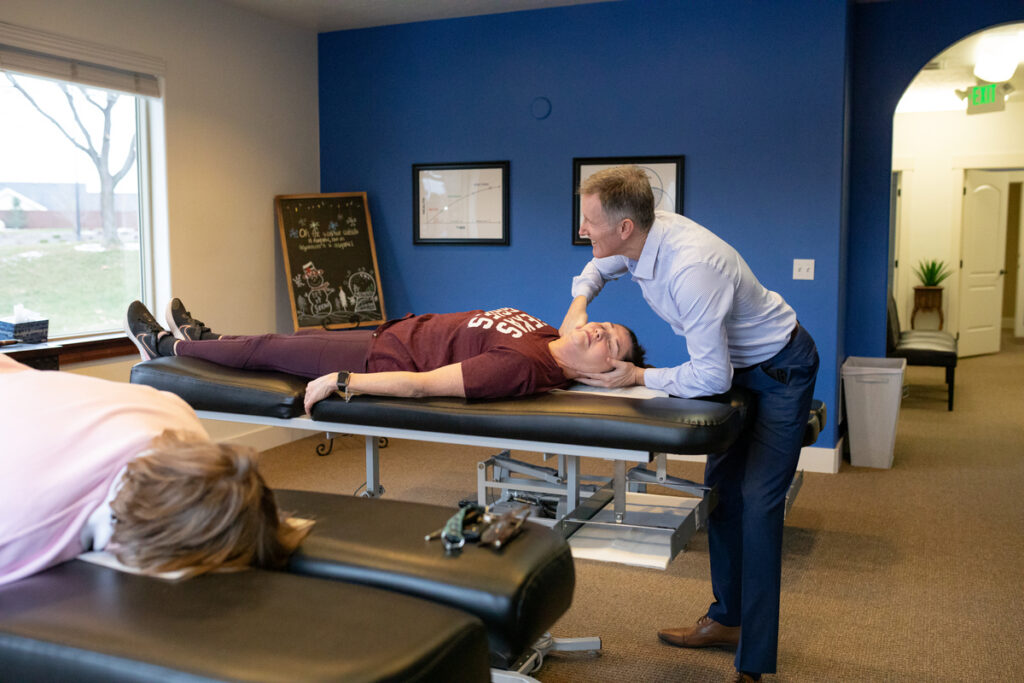
As a chiropractor, I want to emphasize the importance of chiropractic care as a primary approach to healing from whiplash. Through gentle spinal adjustments, we can help realign your spine, reduce pain, and restore proper function to your body. Chiropractic care not only addresses the immediate symptoms but also promotes natural healing by allowing your body to operate at its best.
In addition to chiropractic adjustments, integrating physical therapy exercises can further enhance your recovery. Simple stretches and strengthening exercises help improve flexibility and build resilience in the neck and upper back muscles. Mindfulness practices, such as deep breathing and meditation, can also aid in managing pain and stress, promoting a holistic approach to your healing journey.
Here are some practical tips you can use to support your recovery:
- Stay Active: Engage in light activities, such as walking or gentle stretching, to keep your body moving and avoid stiffness.
- Use Heat or Cold: Applying a warm compress or an ice pack can help relieve pain and reduce inflammation in the affected area.
- Maintain Good Posture: Be mindful of your posture, especially when sitting or using electronic devices. Proper alignment can prevent additional strain on your neck.
- Stay Hydrated: Drinking plenty of water supports overall health and helps keep your muscles and tissues well-nourished.
By focusing on chiropractic care and these supportive practices, you can take significant steps toward healing from whiplash naturally. Remember, you are not alone on this journey; I am here to guide you every step of the way toward optimal health and wellness. If you’re curious about how chiropractic care can assist in your recovery, don’t hesitate to reach out!
Understanding Whiplash: Causes and Symptoms
When it comes to understanding whiplash, it’s crucial to recognize that it often occurs due to a sudden jolt, such as in a car accident. This rapid movement of the head forward and then backward can put significant strain on the muscles and ligaments in your neck.
Common symptoms you might experience include neck pain, stiffness, and headaches, which can arise shortly after the injury, or sometimes take hours or even days to show up.
In addition to neck discomfort, whiplash can also lead to dizziness, fatigue, and difficulty concentrating. You may feel pain radiating to your shoulders or upper back as well. If you’ve been involved in an accident or experienced a blow to the head, it’s essential to stay aware of these symptoms. Recognizing them early can help you seek the right care and start your recovery journey promptly.
As a chiropractor, I want to emphasize that chiropractic care is an excellent option for managing whiplash and promoting natural healing. Regular adjustments can help alleviate pain, restore mobility, and support your body’s natural healing processes.
Here are some general tips to support your recovery:
- Stay Hydrated: Drinking plenty of water can help keep your muscles hydrated and support overall recovery.
- Gentle Stretching: Simple neck stretches can promote flexibility and reduce stiffness. Just be sure to do this gently and avoid any movements that cause pain.
- Ice Therapy: Applying ice to the affected area can help reduce inflammation and numb sharp pain.
- Posture Awareness: Maintaining good posture, especially when sitting or working at a desk, can help alleviate additional strain on your neck.
- Chiropractic Visits: Consider visiting your local chiropractor for a thorough assessment and tailored treatment plan. Regular adjustments can help ensure your spine is in alignment, which is vital for overall health and wellness.
The Role of Physical Therapy in Recovery
While chiropractic care is a vital component in healing from whiplash, incorporating physical therapy can complement your recovery journey by focusing on strengthening and rehabilitating the affected areas.
However, it’s important to understand that chiropractic adjustments directly address spinal alignment and nerve function, which are crucial for overall health and wellness.
Here are three reasons why chiropractic care should be your primary choice for recovery and pain relief:
- Holistic Healing: Chiropractic adjustments help restore proper alignment of the spine, reducing tension in muscles and promoting better communication within your nervous system. This holistic approach can lead to quicker recovery times and improved overall health.
- Natural Pain Relief: By addressing the root causes of pain through spinal adjustments, chiropractic care can provide long-lasting relief without the need for medications or invasive procedures. This natural approach not only alleviates discomfort but also empowers your body to heal itself.
- Guidance on Healthy Living: Chiropractors educate you on proper posture, body mechanics, and lifestyle choices that support spinal health. By integrating these principles into your daily routine, you can prevent future injuries and foster a healthier, pain-free life.
In summary, while physical therapy may offer some benefits, chiropractic care remains the best choice for achieving optimal health and long-term wellness.
Prioritizing chiropractic adjustments can lead to faster recovery and a more balanced, healthier you.
Chiropractic Care: Aligning Your Path to Healing
Chiropractic care is a vital component of your recovery from whiplash, primarily through its focus on spinal alignment. By utilizing gentle manual adjustments, you can find relief from pain and regain your mobility without resorting to medications or invasive procedures.
What sets chiropractic care apart is our commitment to creating personalized treatment plans that cater to your unique needs. This tailored approach not only helps alleviate your symptoms but also supports your overall journey toward wellness and optimal health.
Here are some helpful tips to complement your chiropractic care:
- Stay Hydrated: Drinking plenty of water aids in keeping your body hydrated and supports the healing process.
- Practice Good Posture: Being mindful of your posture, especially when sitting or using electronic devices, can prevent further strain on your spine.
- Incorporate Gentle Stretching: Simple stretches can help maintain flexibility and reduce tension in your muscles.
- Engage in Light Physical Activity: Activities like walking or swimming can promote circulation and enhance your recovery without putting too much strain on your body.
- Prioritize Sleep: Quality sleep is essential for healing. Ensure you have a comfortable sleep environment to support restorative rest.
Importance of Spinal Alignment
Spinal alignment is key to your recovery from whiplash and plays a vital role in your overall health and wellness. When your spine is properly aligned, it can significantly reduce pain and inflammation, allowing your body to heal more effectively.
Here are three reasons why focusing on spinal alignment is beneficial for your recovery and overall well-being:
- Nerve Function: When your spine is aligned, your nervous system can function optimally. Proper alignment ensures that your nerves can transmit signals without interference, which helps to reduce discomfort and supports your healing process. Regular chiropractic adjustments can help maintain this alignment.
- Muscle Balance: An aligned spine promotes muscle balance, which is crucial for avoiding additional strain and tension, especially in your neck and shoulders. By visiting a chiropractor, you can receive personalized treatments that help keep your spine in the right position, allowing your muscles to relax and function properly.
- Posture Improvement: Good spinal alignment contributes to better posture. When your posture improves, it reduces pressure on your spine and can lead to increased comfort and mobility. Incorporating simple practices like being mindful of your sitting and standing posture, combined with chiropractic care, can make a significant difference in how you feel.
In addition to seeking chiropractic care, consider incorporating gentle stretches and exercises into your daily routine to support your spinal health.
Always listen to your body and make adjustments as needed. Remember, a well-aligned spine is the foundation for a healthier, pain-free life!
Benefits of Manual Adjustments
When you experience whiplash, seeking manual adjustments can truly transform your recovery journey. These specialized techniques are designed to restore proper spinal alignment, which is crucial for reducing pain and tension in your neck and shoulders.
By gently manipulating your spine and the surrounding tissues, I can help enhance blood flow to the affected areas, promoting faster healing. Many patients notice an increase in mobility and a decrease in muscle stiffness after just a few sessions, making daily activities much easier to manage.
Additionally, manual adjustments can help alleviate headaches and improve your overall body function by ensuring that your nervous system operates smoothly. Regular chiropractic sessions not only address immediate discomfort but also play a vital role in preventing future issues.
By embracing this hands-on approach, you take an active step towards regaining control of your health and well-being.
Here are a few general tips to enhance your recovery at home:
- Stay Hydrated: Drinking plenty of water can help keep your muscles and joints lubricated, which supports your healing process.
- Gentle Stretching: Incorporate gentle neck and shoulder stretches into your routine to improve flexibility and reduce tension.
- Maintain Good Posture: Pay attention to your posture, especially when sitting or using electronic devices, to minimize strain on your neck and back.
- Rest and Recovery: Allow your body the time it needs to heal. Make sure to get enough rest and avoid activities that may exacerbate your pain.
By prioritizing chiropractic care and these simple wellness tips, you’ll be on your way to a smoother recovery and a healthier lifestyle.
Personalized Treatment Plans
To effectively address your unique needs after experiencing whiplash, a personalized treatment plan can truly make a difference. As your local chiropractor, I’m here to evaluate your specific condition and create a strategy that’s tailored just for you.
Here’s what you can expect in a customized plan:
- Comprehensive Assessment: I’ll conduct a thorough examination, reviewing your medical history and current symptoms to get to the root cause of your pain. This helps us understand exactly what’s going on and how to best help you.
- Customized Adjustments: Based on your assessment, you’ll receive manual adjustments specifically designed to realign your spine and relieve pressure. These adjustments are gentle and effective, helping your body to heal naturally.
- Supportive Therapies: Your plan may also include complementary therapies such as physical therapy and massage. These treatments work alongside chiropractic care to promote overall healing and restore mobility, enhancing your recovery process.
- Lifestyle Tips: Along with your treatment plan, I’ll provide you with practical tips for healthier living. This includes exercises to strengthen your neck and back, proper posture techniques, and ways to reduce stress, all of which can support your healing journey.
This individualized approach ensures that you’re on the right path to recovery.
Exploring Acupuncture for Pain Relief
How can chiropractic care provide relief for whiplash pain? Whiplash is a common injury that occurs when the neck is suddenly jolted, often during car accidents. As a local chiropractor, I want to share how chiropractic adjustments can be an effective solution for managing and alleviating whiplash pain.
Chiropractic care focuses on the spine and its connection to the nervous system. By gently adjusting the vertebrae in your neck and back, we can help restore proper alignment. This not only reduces tension in the surrounding muscles but also improves blood flow and promotes healing in the affected areas. Many patients experience significant relief after just a few chiropractic sessions.
In addition to adjustments, we often incorporate other natural healing techniques such as massage therapy, stretching exercises, and lifestyle advice. These methods can help to relax tight muscles and reduce inflammation, further aiding your recovery process.
It’s important to remember that whiplash can also lead to emotional stress. Chiropractic care can help in this area too by promoting overall body balance and well-being, which is essential for healing both physically and mentally.
If you’re suffering from whiplash, consider visiting a chiropractor for a comprehensive approach to pain relief. With our focus on natural healing and spinal health, chiropractic care can help you regain your quality of life without the need for medications or surgeries.
Plus, remember to engage in gentle neck stretches, stay hydrated, and maintain good posture to support your recovery. Your journey to wellness starts with the right care!
Mindfulness and Meditation: Mental Healing Techniques
Mindfulness and meditation can significantly support your healing journey after experiencing whiplash, especially when combined with chiropractic care. As a chiropractor, I believe that addressing the root cause of pain is essential for recovery.
By practicing mindfulness, you can reduce stress and enhance your emotional well-being, which is crucial for overall health. Incorporating guided meditation techniques can further assist you in focusing your thoughts and cultivating a sense of peace as you heal.
This mental clarity can complement the physical adjustments and therapies that chiropractic care provides, allowing your body to recover more effectively.
Here are some simple tips you can incorporate into your routine:
- Daily Mindfulness: Take a few moments each day to practice mindfulness. This could be as simple as focusing on your breath or observing your surroundings without judgment. This can help you stay present and ease any anxiety related to your recovery.
- Gentle Movement: Alongside your chiropractic adjustments, consider gentle stretches or yoga that promote relaxation and flexibility in your neck and back. Always consult your chiropractor before starting any new exercise routines.
- Breath Work: Incorporate deep breathing exercises into your daily activities. This can help calm your nervous system and promote healing by increasing oxygen flow to your muscles.
- Stay Hydrated and Nourished: Make sure to drink plenty of water and eat a balanced diet rich in anti-inflammatory foods. Proper nutrition supports the healing process and overall wellness.
Remember, chiropractic care is a powerful tool in your healing journey, helping to restore balance to your body and alleviate pain naturally.
Benefits of Mindfulness Practice
While many individuals concentrate on the physical recovery from whiplash, it’s important to recognize that mindfulness practice can significantly enhance your mental well-being during this time.
Incorporating mindfulness into your daily routine can help manage stress, improve emotional balance, and create a sense of tranquility, all of which complement the benefits of chiropractic care.
Here are three key benefits of mindfulness that can support your path to recovery:
- Reduced Anxiety: Mindfulness encourages you to focus on the present moment, helping you let go of worries about past incidents or future uncertainties. This can lead to lower anxiety levels, making it easier to engage with your chiropractic treatments and embrace your healing journey.
- Enhanced Focus: Practicing mindfulness sharpens your concentration and mental clarity. This can be particularly beneficial as you navigate daily challenges during your recovery. Improved focus can help you better follow your chiropractor’s guidance and stay committed to your wellness goals.
- Improved Sleep: Quality sleep is vital for both physical and mental healing. Mindfulness techniques can assist in promoting better sleep patterns, helping you recharge and optimally benefit from your chiropractic adjustments.
As you explore mindfulness, consider incorporating simple practices like deep breathing exercises, meditation, or taking mindful walks.
These small steps can lead to significant improvements in your overall health and well-being.
Guided Meditation Techniques
Incorporating guided meditation into your daily routine can greatly complement the benefits of chiropractic care, especially when it comes to healing your body and mind. This technique allows you to focus on your breath and naturally relieve tension, while a calming voice guides you through peaceful visualizations.
To start, try short sessions of five to ten minutes. As you grow more comfortable, you can gradually extend the duration to reap even more benefits.
Select themes that resonate with you, such as relaxation or healing, to enhance your experience. There are plenty of apps and online resources available that offer guided sessions tailored to your needs. Regular practice can help you cultivate greater self-awareness, reduce stress, and promote emotional well-being, all of which are essential for recovery from conditions like whiplash.
Don’t forget to find a quiet space where you can fully relax and immerse yourself in the moment. Pairing guided meditation with chiropractic care not only nurtures your physical health but also supports your overall wellness journey.
The Benefits of Massage Therapy
Massage therapy can be a valuable complement to chiropractic care, especially for those recovering from whiplash. By working on the affected muscles and soft tissues, massage can help alleviate pain and improve mobility.
However, it’s important to remember that chiropractic adjustments play a crucial role in your overall recovery. Here are three key benefits of incorporating both massage and chiropractic care into your healing journey:
- Pain Relief: While massage therapy can help release tension and knots in the muscles, chiropractic adjustments directly address the misalignments in the spine that may contribute to your pain. Together, they can lead to significant pain relief and a more comfortable recovery process.
- Enhanced Circulation: Massage improves blood flow, which is essential for delivering nutrients and oxygen to injured areas. However, chiropractic adjustments also help improve circulation by ensuring that the nervous system functions optimally, further promoting healing throughout your body.
- Stress Reduction: The soothing nature of massage can help reduce stress and anxiety, which often accompany physical injuries. Chiropractic care also plays a role in managing stress by improving your overall physical function and well-being, helping you feel more relaxed and balanced.
Incorporating both massage therapy and chiropractic care into your recovery plan can make a noticeable difference in how you feel and function after experiencing whiplash.
Utilizing Heat and Cold Treatments
When dealing with whiplash, incorporating heat and cold treatments can significantly enhance your recovery journey. As a chiropractor, I often emphasize the importance of these natural therapies in promoting healing and overall wellness.
Heat therapy is a fantastic way to relax tense muscles, bringing soothing warmth to the area affected by whiplash. This not only helps alleviate discomfort but also encourages blood flow, which is essential for healing. You can use a warm towel, heating pad, or even take a warm shower to apply heat to the affected area.
On the other hand, cold treatment is invaluable for reducing inflammation and numbing pain. Applying an ice pack wrapped in a cloth can help minimize swelling and provide relief to those sore muscles. Remember to limit cold applications to about 15-20 minutes at a time to avoid any frostbite.
Knowing when to use heat or cold can truly make a difference in your healing process. A good rule of thumb is to use cold treatments in the first 48 hours after an injury to combat inflammation, and then switch to heat to relax muscles and promote recovery.
As you navigate your recovery, consider complementing these treatments with chiropractic care. A chiropractor can provide targeted adjustments and therapies that not only relieve pain but also address the underlying issues contributing to your discomfort.
By embracing a holistic approach to healing, you can achieve optimal health and regain your quality of life without the need for medications or invasive procedures.
Benefits of Heat Therapy
Heat therapy can be a fantastic way to find relief from whiplash, especially when paired with cold treatments. As a local chiropractor, I emphasize the importance of natural healing methods like heat therapy that promote optimal wellness without the need for medications or surgeries.
Here’s how heat therapy can help you recover and feel better:
- Increased Blood Flow: When you apply heat, it causes your blood vessels to expand, which enhances circulation. This means that essential nutrients and oxygen are delivered to the injured area, promoting healing. It’s a simple yet effective way to support your body’s recovery process.
- Reduced Muscle Stiffness: Heat is great for relaxing tight muscles, which can often be a source of discomfort after an injury. By loosening up those muscles, you’ll find that you can move more freely, improving your flexibility and range of motion. This can be especially beneficial if you’re working on regaining your strength after an injury.
- Pain Relief: The gentle warmth from heat therapy can help soothe discomfort, allowing you to engage in your daily activities with greater ease. It’s a comforting way to manage pain naturally, and it complements the chiropractic adjustments you may be receiving to align your spine and enhance your overall wellness.
For optimal results, consider incorporating heat therapy into your routine alongside regular chiropractic care.
Remember to consult with your chiropractor to create a personalized plan that best suits your needs. By combining these natural healing methods, you can take significant steps toward achieving better health and wellness.
Cold Treatment Techniques
While heat therapy is beneficial for whiplash recovery, incorporating cold treatment techniques creates a well-rounded approach to healing. Cold therapy plays a vital role in reducing inflammation and numbing sharp pain, making it an essential part of your recovery strategy.
You can easily use ice packs or cold compresses by applying them directly to the affected area for about 15-20 minutes at a time. Just remember to wrap the ice pack in a cloth to protect your skin and prevent frostbite. Cold gel packs are also a great option as they can mold easily to your body, providing targeted relief.
Listening to your body is key; if you experience discomfort, it’s best to stop the treatment. Alternating between heat and cold can enhance circulation, reduce muscle spasms, and support a more effective healing process.
It’s important to remember that chiropractic care can also help address the underlying issues causing your pain, providing a natural and holistic approach to recovery. By combining these techniques with chiropractic adjustments, you can promote optimal health and wellness.
Always consult with your chiropractor for personalized advice and to ensure you’re on the right track to recovery.
Timing for Application
To effectively manage whiplash symptoms, timing your application of heat and cold treatments is essential for a smooth recovery. As a chiropractor, I want to guide you on how to use these treatments to support your healing process and promote overall wellness. Here’s a straightforward approach to help you:
1. Cold Treatment: In the first 48 hours following your injury, applying cold packs can be very beneficial. This helps reduce swelling and numbs the pain, allowing you to feel more comfortable.
Remember, this is a crucial first step in your healing journey.
2. Heat Treatment: Once the initial swelling has diminished—typically after the first two days—it’s time to switch to heat. Heat therapy encourages blood flow, which can help ease muscle tension and promote relaxation.
This transition is important for recovery.
3. Application Duration: For both treatments, aim for about 15-20 minutes each time. Be sure to take breaks between applications to protect your skin from any potential damage.
In addition to these treatments, consider incorporating gentle stretches and movements recommended by your chiropractor to enhance your recovery.
Remember, chiropractic care offers a holistic approach to healing, focusing on restoring balance and function without the need for medications or invasive procedures.
Strengthening Exercises for Neck Stability
Strengthening exercises are crucial for enhancing neck stability, especially after a whiplash injury. Incorporating these exercises into your daily routine can lead to improved muscle strength and support around your neck, which is essential for overall spinal health.
Start with gentle isometric exercises. A great way to begin is by pressing your forehead into your palms and holding for a few seconds before relaxing. This simple move helps activate the neck muscles without putting too much strain on them. As you become more comfortable, you can add neck range-of-motion stretches. Remember to breathe steadily as you perform these stretches; this will help keep your muscles relaxed and responsive.
Once you feel ready to take it up a notch, consider using a light resistance band. Anchor the band securely and gently pull your head against the resistance while focusing on maintaining good posture. This not only strengthens your neck muscles but also promotes proper alignment, which is vital for your overall spinal health. Additionally, incorporating shoulder shrugs and rotations can significantly contribute to building overall neck support.
Consistency is key for these exercises; aim to practice them several times a week for the best results. Always listen to your body—if you feel any pain, it’s important not to push through it.
Remember, chiropractic care can also play a vital role in your recovery and overall wellness. Regular adjustments can help ensure that your spine is aligned, which supports your body’s natural healing process.
Nutritional Support for Healing
Nutritional support is essential for your recovery from whiplash, and the right foods can significantly aid in reducing inflammation and promoting healing.
As a chiropractor, I believe that combining proper nutrition with chiropractic care is one of the best strategies for achieving optimal health and pain relief.
Here are three key dietary components to focus on that can complement your chiropractic treatments:
- Omega-3 Fatty Acids: These healthy fats are found in fatty fish like salmon, as well as flaxseeds and walnuts. Incorporating omega-3s into your diet can help reduce inflammation and support overall joint health, which is crucial for healing after an injury.
- Antioxidant-Rich Foods: Fruits and vegetables, particularly berries, spinach, and kale, are loaded with vitamins C and E. These nutrients help combat oxidative stress in your body and promote tissue repair, enhancing the benefits of your chiropractic adjustments.
- Protein Sources: Lean meats, legumes, and dairy products are excellent sources of protein, which provides the essential amino acids necessary for muscle and tissue recovery. Adequate protein intake will support your body in healing more effectively.
In addition to these key nutrients, remember to stay hydrated and practice mindful eating.
Drinking plenty of water can help your body function optimally, while being mindful of portion sizes can aid in digestion and overall wellness.
By focusing on a balanced diet and incorporating chiropractic care into your healing process, you’re taking significant steps towards a healthier, pain-free life.
Embrace these natural approaches to recovery, and you’ll be on the path to optimal health in no time!
Preventative Measures: Avoiding Future Injuries
While healing from whiplash is essential, it’s equally important to take proactive steps to prevent future injuries. One of the best ways to support your spine and overall health is by maintaining proper posture, whether you’re sitting at your desk, standing, or driving. Ensuring your head is aligned with your spine can significantly reduce strain on your neck.
Consider investing in a supportive chair that promotes good posture and make sure your car seat is adjusted so your headrest is at the right height. Always buckle up when driving, and think about using extra neck support during long journeys to keep your spine properly aligned.
Incorporating regular exercise into your routine is another excellent way to strengthen your neck and upper back muscles. Focus on exercises that build strength and enhance flexibility, as these can help reduce tension and improve your range of motion. Simple stretching routines can do wonders for keeping your muscles relaxed and your spine healthy.
Additionally, staying aware of your surroundings can help you avoid sudden movements that might lead to injury. By adopting these simple habits, you can safeguard your neck and enhance your overall well-being.
Conclusion
Incorporating chiropractic care into your recovery plan can be a game-changer when it comes to waving goodbye to whiplash. By focusing on natural healing techniques, such as spinal adjustments, physical therapy, mindfulness practices, and maintaining a balanced diet, you can not only relieve pain but also strengthen your neck for the future.
Chiropractic care specifically targets the root of your discomfort by ensuring that your spine is properly aligned, which can alleviate pressure on the nerves and surrounding muscles. This means you can experience relief more quickly and effectively without relying on medications or invasive procedures.
Here are some general tips to enhance your healing journey:
- Stay Active: Engage in gentle movements and stretches that promote flexibility in your neck and spine. Simple neck rotations and shoulder rolls can make a big difference.
- Practice Mindfulness: Incorporate relaxation techniques into your daily routine, such as deep breathing or meditation, to help reduce stress and tension in your body.
- Eat Well: Nourish your body with anti-inflammatory foods—think leafy greens, berries, and healthy fats—which can support your overall healing process.
- Hydrate: Drinking plenty of water is essential for maintaining proper spinal health and ensuring your body can heal efficiently.
- Stay Proactive: Regular chiropractic visits can help you maintain spinal health and prevent future injuries. Your chiropractor can provide personalized advice tailored to your needs.
By embracing these strategies, you’ll not only enhance your overall well-being but also reclaim your mobility and comfort. Remember, your journey to healing starts now, and chiropractic care is here to support you every step of the way!