
If you're dealing with back pain, you might be wondering what non-invasive options are available to help you manage it effectively. There are several approaches, from physical therapy and chiropractic adjustments to acupuncture and massage therapy, each offering unique benefits. Understanding which methods align best with your lifestyle and pain level can make a significant difference in your recovery. But how do you choose the right option for your specific situation? Let's explore some of these strategies and their potential impact on your daily life.
Physical Therapy Techniques
When dealing with back pain, exploring physical therapy techniques can make a significant difference in your recovery. These techniques focus on strengthening your muscles, improving flexibility, and enhancing your overall mobility. A qualified physical therapist will assess your condition and tailor a program specifically for you, which means you'll be getting a personalized approach to your pain relief.
One common technique is stretching exercises. These help alleviate tension in your back and surrounding muscles, promoting better posture and reducing discomfort. By incorporating stretches into your routine, you can gradually increase your flexibility, making daily activities easier and less painful.
Strengthening exercises are another important component. These exercises target the core muscles that support your spine, helping to stabilize your back and reduce the risk of further injury. Your therapist might guide you through specific movements that focus on your abdominal and back muscles, ensuring you develop a strong foundation.
Manual therapy is also an essential technique. This hands-on approach can include soft tissue mobilization and joint manipulation, which aim to relieve pain and improve your range of motion. Your therapist will use their expertise to help loosen tight muscles and joints, providing immediate relief.
Lastly, education plays a significant role. Your therapist will teach you about body mechanics and posture, empowering you to make better choices in your daily activities.
With dedication to these physical therapy techniques, you can take significant steps toward overcoming your back pain and reclaiming your life.
Chiropractic Adjustments
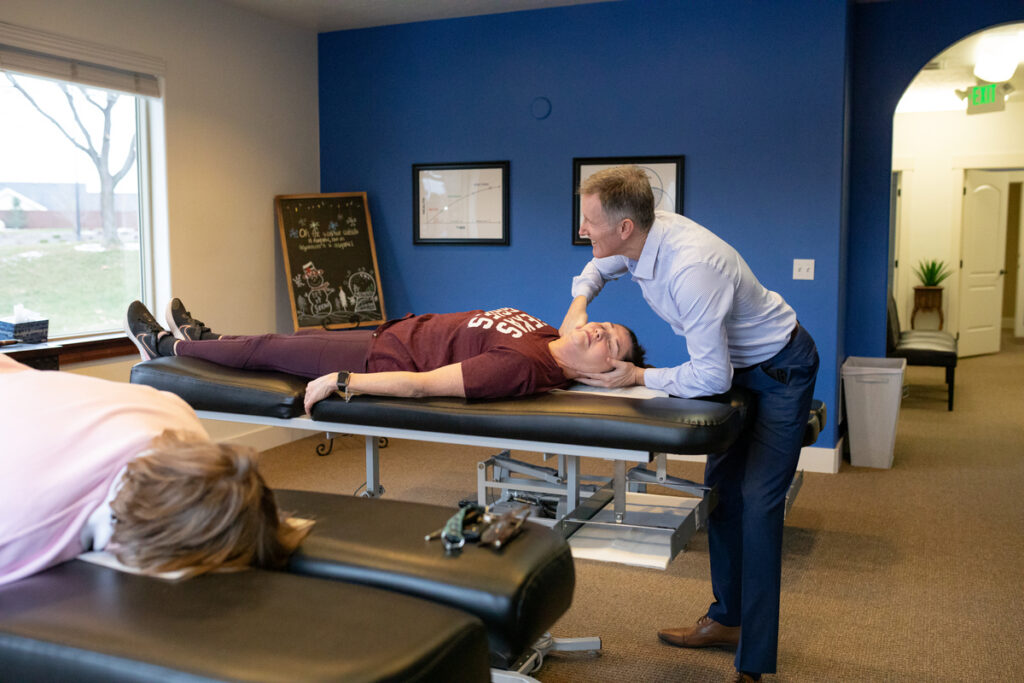
Chiropractic adjustments can offer effective relief for back pain by aligning your spine and improving overall function. When your spine is misaligned, it can lead to discomfort, limited mobility, and even nerve issues. A chiropractor uses specific techniques to manipulate your spine, restoring its proper alignment and relieving pressure on surrounding nerves and muscles.
During your first visit, your chiropractor will assess your posture, range of motion, and any areas of pain. This thorough evaluation helps them develop a personalized treatment plan tailored to your needs. Most adjustments are quick and painless, and many patients report feeling immediate relief after their sessions. By restoring proper alignment, you'll likely experience reduced tension and improved flexibility.
In addition to alleviating pain, chiropractic adjustments can promote better overall health. They help improve circulation, boost immune function, and enhance your body's natural ability to heal. Regular adjustments can also prevent future injuries by maintaining spinal health, especially if you lead an active lifestyle or sit for extended periods.
It's important to communicate openly with your chiropractor about your symptoms and any concerns you may have. They can adjust their techniques to guarantee you're comfortable and receive the maximum benefit from each session.
If you're looking for a non-invasive way to manage your back pain, chiropractic adjustments might be a valuable option worth exploring. Remember, an aligned spine contributes considerably to your overall well-being.
Acupuncture Benefits
If you're seeking relief from back pain, acupuncture might be worth considering.
It works by stimulating specific points on your body, helping to alleviate pain and promote overall well-being.
Plus, the holistic health benefits can enhance your overall quality of life.
Pain Relief Mechanism
Acupuncture offers a unique approach to pain relief by stimulating specific points on the body, which can enhance your body's natural healing processes. When you receive acupuncture treatments, tiny needles are inserted at targeted sites, promoting increased blood flow and releasing endorphins, your body's natural painkillers. This process helps to reduce inflammation and alleviate discomfort in your back.
You might notice that acupuncture can also help relax tight muscles and improve your overall range of motion. By addressing both the physical and energetic aspects of pain, acupuncture encourages a balanced state within your body. This holistic stimulation not only soothes acute pain but can also provide long-term relief by addressing underlying issues.
Studies have shown that acupuncture can be effective for chronic back pain, making it a viable alternative to medication or surgery. The treatment can also be tailored to your specific needs, allowing you to target the areas that hurt the most.
With regular sessions, you might find that your pain decreases considerably, allowing you to engage in daily activities with greater ease and comfort. Consider giving acupuncture a try and experience its pain-relieving benefits firsthand.
Holistic Health Benefits
Many people find that acupuncture offers more than just relief from back pain; it also promotes overall holistic health. When you receive acupuncture, tiny needles are strategically placed along your body's meridians, stimulating energy flow and helping restore balance. This process can enhance not only your physical well-being but also your emotional and mental health.
You might notice reduced stress and anxiety levels after sessions, as acupuncture helps regulate hormones and reduce cortisol production. Improved sleep quality is another benefit you could experience, leading to better recovery and enhanced mood. Additionally, acupuncture can boost your immune system, making you less susceptible to illnesses.
By addressing underlying issues rather than just symptoms, acupuncture supports your body's natural healing processes. This approach can lead to improved digestion, increased energy, and a general sense of well-being.
As you explore acupuncture for back pain relief, consider these holistic benefits. You're not just treating one symptom; you're investing in your overall health, creating a more balanced and harmonious life. Embracing this ancient practice may just be the holistic solution you've been searching for.
Massage Therapy Options
When seeking relief from back pain, massage therapy offers a variety of effective options tailored to your needs.
Whether you're dealing with chronic discomfort or acute pain, different massage techniques can help alleviate your symptoms and improve your overall well-being.
One popular option is Swedish massage, which uses gentle, flowing strokes to relax your muscles and increase blood circulation.
This can be particularly beneficial for easing tension in the back and neck, providing a soothing experience that promotes relaxation.
If you're looking for deeper relief, consider deep tissue massage.
This technique targets the deeper layers of muscles and connective tissue, helping to release chronic tension and alleviate pain.
It's especially effective for tight knots and areas that are hard to reach.
Another option is trigger point therapy, which focuses on specific tight spots in the muscles that can refer pain to other areas of the body.
By applying pressure to these points, you can often achieve significant relief from back pain.
Finally, if you prefer a more holistic approach, consider incorporating aromatherapy into your massage sessions.
Essential oils like lavender or peppermint can enhance relaxation and further reduce discomfort.
Before starting any massage therapy, it's important to consult with a qualified therapist who can tailor the treatment to your specific back pain needs.
With the right approach, massage therapy can be a powerful tool in your pain management arsenal.
Mindfulness and Meditation
Mindfulness and meditation can be powerful allies in managing back pain. These practices help you develop a heightened awareness of your body and mind, allowing you to recognize pain without judgment. Instead of getting caught up in negative thoughts or anxieties about your discomfort, mindfulness encourages acceptance. This shift in perspective can considerably reduce the emotional toll that back pain takes on you.
When you practice mindfulness, you focus on the present moment. Techniques like deep breathing or body scanning can calm your mind and help you identify areas of tension. By concentrating on your breath or observing sensations in your back, you can foster a sense of relaxation. This relaxation can alleviate muscle tightness and promote a better flow of energy, which may contribute to pain relief.
Meditation complements mindfulness by offering a structured way to practice stillness. You might find that dedicating just a few minutes each day to meditation can help you cultivate a sense of peace. Guided meditations specifically designed for pain management can provide you with tools to visualize healing or to redirect your focus away from discomfort.
Incorporating mindfulness and meditation into your daily routine can empower you to take control of your back pain. By enhancing your ability to cope with discomfort, these practices can lead to improved overall well-being.
Yoga for Back Pain
Yoga can be a powerful ally in managing back pain, offering both physical and mental benefits.
You'll find specific poses that strengthen your back while improving flexibility and posture.
However, it's crucial to take into account safety to guarantee you practice effectively and avoid injury.
Benefits of Yoga
Looking to ease back pain? Yoga could be just what you need. It's not only a great way to stretch and strengthen your muscles, but it also promotes relaxation and mindfulness, which can help you manage pain more effectively.
By incorporating yoga into your routine, you can improve your flexibility and posture, reducing the strain on your back.
Practicing yoga regularly allows you to develop better body awareness. You'll learn to listen to your body and recognize the signals it sends, helping you avoid movements that may exacerbate your pain.
Plus, many yoga practices focus on breathing techniques that can help reduce stress and tension, which often contribute to back discomfort.
Another significant benefit of yoga is its ability to enhance your overall well-being. It encourages a balanced lifestyle, promoting physical fitness and mental clarity.
This holistic approach can lead to better sleep, increased energy levels, and improved mood—all essential factors in managing chronic pain.
Recommended Poses
When it comes to alleviating back pain, incorporating specific yoga poses into your routine can make a significant difference.
These poses can help stretch and strengthen muscles, improve flexibility, and promote relaxation. Here are three recommended yoga poses that can help you find relief:
– Cat-Cow Stretch: This gentle flow between two poses warms up the spine and relieves tension in the back.
Start on your hands and knees, arch your back while inhaling (Cat), then lower your belly and lift your head while exhaling (Cow).
– Child's Pose: This restorative pose stretches the back and hips.
Kneel on the floor, sit back on your heels, and stretch your arms forward while lowering your forehead to the ground. Breathe deeply and hold the pose for several breaths.
– Downward-Facing Dog: This invigorating pose stretches the entire back.
Start on your hands and knees, tuck your toes, and lift your hips up and back, creating an inverted V-shape. Keep your spine long and breathe into the stretch.
Try these poses regularly to help ease your back pain and improve your overall well-being.
Safety Considerations
Before diving into yoga for back pain, it's important to keep a few safety considerations in mind. First, consult with your healthcare provider, especially if you have pre-existing conditions or severe pain. They can help determine if yoga is a suitable option for you.
Next, listen to your body. If a pose feels uncomfortable or painful, don't push through it. Modify or skip it as necessary. Yoga should never cause escalating pain; it should promote relaxation and relief.
Always start with gentle poses and gradually progress to more challenging ones. This approach helps your body adapt and reduces the risk of injury. Incorporate props like blocks or straps to support your practice and enhance safety.
Be mindful of your alignment. Poor alignment can exacerbate back pain, so pay attention to your body's positioning during poses. Consider joining a class or working with a qualified instructor who can provide guidance tailored to your needs.
Finally, practice consistently, but allow your body time to rest and recover. Balancing activity with rest is vital for healing. With these precautions, you can safely explore yoga's benefits for back pain relief.
Heat and Cold Therapy
Heat and cold therapy can work wonders for alleviating back pain. Both methods offer unique benefits, making them a popular choice for those looking to manage discomfort at home. It's crucial to know how and when to use each type effectively.
When you apply heat, it increases blood flow to the affected area, which helps relax tense muscles and soothe stiffness. This is particularly useful if your pain is related to muscle tightness. You can use a heating pad, hot water bottle, or even take a warm bath for relief.
On the other hand, cold therapy reduces inflammation and numbs sharp pain. It's best used right after an injury or if you notice swelling in your back. A cold pack or a bag of ice wrapped in a towel can do the trick.
Here are a few tips for using heat and cold therapy effectively:
- Timing: Use heat for 15-20 minutes to relax muscles, while cold therapy can be applied for 10-15 minutes to reduce swelling.
- Frequency: Alternate between heat and cold throughout the day, especially if you're dealing with chronic pain.
- Listen to Your Body: Pay attention to how your body responds. If something doesn't feel right, stop and consult a healthcare professional.
Incorporating heat and cold therapy into your routine may help you find relief and get back to your daily activities more comfortably.
Over-the-Counter Pain Relief
For many people, over-the-counter (OTC) pain relief medications can be a quick and effective way to manage back pain. These medications are readily available and can help alleviate discomfort without the need for a prescription. Common OTC options include nonsteroidal anti-inflammatory drugs (NSAIDs) like ibuprofen and naproxen, as well as acetaminophen.
When you take NSAIDs, they work by reducing inflammation, which is often a significant contributor to back pain. If your pain is more related to muscle strain or general discomfort, acetaminophen can be a suitable alternative. It's important to follow the recommended dosage instructions on the packaging to avoid potential side effects.
Before choosing a medication, consider any other health conditions you may have. For instance, people with certain gastrointestinal or kidney issues should be cautious with NSAIDs. If you're unsure which option is best for you, consult with a healthcare professional.
Additionally, while OTC medications can provide temporary relief, they shouldn't replace more thorough treatment plans. If your back pain persists or worsens, it may be time to explore other options or seek professional help.
Lifestyle Modifications
Making small lifestyle modifications can greatly impact your back pain management. By making a few adjustments to your daily routine, you can alleviate discomfort and enhance your overall well-being. Here are some effective changes you can consider:
- Stay Active: Regular physical activity strengthens your back muscles and improves flexibility. Aim for low-impact exercises like walking, swimming, or yoga to keep your body moving without straining your back.
- Improve Your Posture: Pay attention to how you sit, stand, and lift. Maintaining good posture while sitting at your desk or lifting objects can prevent unnecessary stress on your spine. Consider investing in ergonomic furniture that supports your back.
- Mind Your Weight: Carrying excess weight can put additional strain on your back. Focus on a balanced diet and portion control to maintain a healthy weight. Even small changes can make a big difference.
Incorporating these modifications into your lifestyle doesn't have to be overwhelming. Start with one or two changes, and gradually implement more as you feel comfortable.
Remember, consistency is key. As you make these adjustments, you'll likely notice a reduction in your back pain and an improvement in your overall quality of life.
Conclusion
Incorporating non-invasive options for back pain can greatly improve your quality of life. By exploring techniques like physical therapy, chiropractic adjustments, and acupuncture, you can find relief tailored to your needs. Don't forget the benefits of massage therapy, yoga, and mindfulness practices, which promote relaxation and flexibility. Additionally, using heat and cold therapy alongside lifestyle modifications can further enhance your recovery. Remember, you have the power to manage your pain holistically and effectively without resorting to invasive procedures.