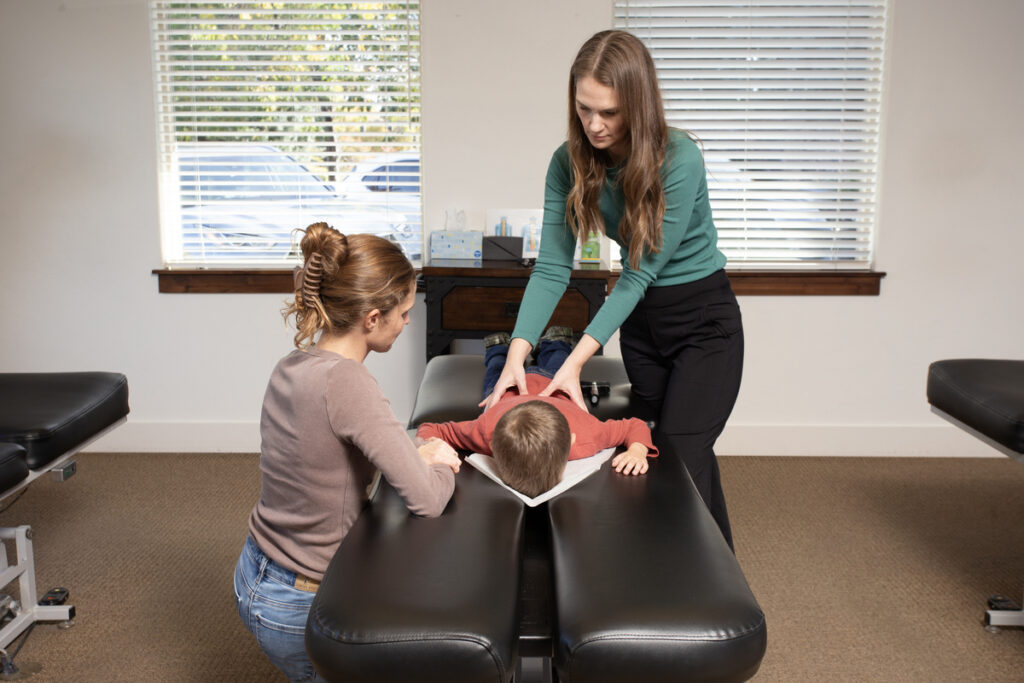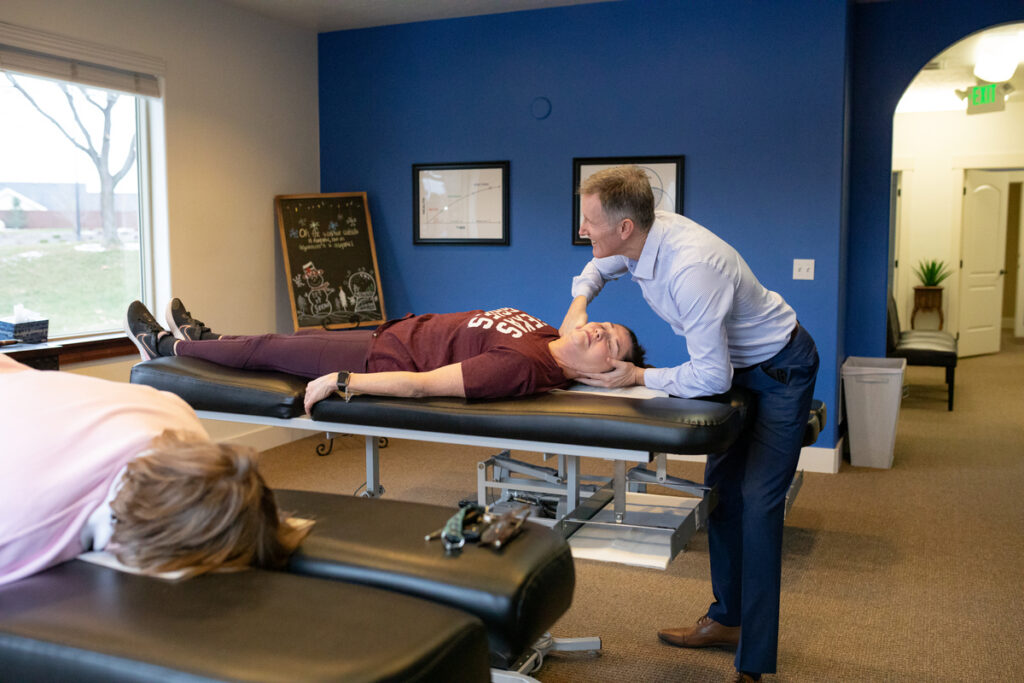

As a local chiropractor, I understand that keeping your infants and toddlers safe is a priority that can often feel overwhelming. However, ensuring their well-being involves various considerations that extend beyond just a secure home. It's essential to focus on proper lifting techniques when handling your little ones to prevent strain on your back and to promote healthy physical development for them.
Using age-appropriate safety gear is crucial, whether it's car seats, baby gates, or play mats. Additionally, maintaining constant supervision during their playtime is vital to prevent accidents and injuries. As a chiropractor, I also emphasize the importance of being prepared for emergencies; knowing how to respond can make a significant difference.
To enhance safety in your daily routine, consider implementing these chiropractic-friendly techniques: practice proper body mechanics when lifting or carrying your child, create a safe play environment by removing potential hazards, and regularly check that their safety gear is in good condition. Let's work together to ensure that your little ones grow up healthy and safe.
Creating a Safe Home Environment
Creating a safe home environment for your infant or toddler is crucial, not only for their physical safety but also for their overall well-being, which is something I emphasize in my chiropractic practice. Establishing a secure space allows your child to explore and develop without unnecessary risks that could lead to injuries.
Start by assessing each room in your home for potential hazards. In the living room, it's important to keep sharp objects and fragile items out of reach, as falls or accidents can lead to misalignments or injuries that I often see in my practice. Using corner guards on furniture can help minimize the risk of injury from bumps and falls.
In the kitchen, ensure that cleaning supplies and sharp utensils are stored high up or secured in locked cabinets. Supervision is key here, especially when cooking. Hot items should never be left unattended, as burns can lead to not just immediate pain but also long-term physical issues.
Moving to the bathroom, installing nonslip mats is a great way to prevent falls on wet surfaces. Keep medications and toiletries out of reach and ensure that the water temperature is set safely to avoid burns, which can result in trauma that may necessitate chiropractic care.
In the bedroom, securing heavy furniture to the wall can prevent tipping, which could lead to serious injuries. Use snug-fitting crib sheets and refrain from placing toys or pillows in the crib, as these could pose suffocation risks. A safe sleep environment is essential for your child's development and spinal health.
In the playroom, select age-appropriate toys and regularly inspect them for damage. Safe play promotes healthy movement patterns and reduces the risk of injuries that can misalign the spine.
Don't forget about your home's entry points. Installing safety gates at stairways and ensuring that windows have secure locks or screens can prevent falls. Creating a designated play area helps keep your child safe from hazards in other rooms.
As your child grows, it's essential to teach them about safety rules. Encouraging them to respect boundaries and understand what's safe helps promote a healthy awareness of their environment, which is vital for their physical and mental development.
Safe Handling and Transport
As a local chiropractor dedicated to promoting the well-being of families, I want to emphasize that ensuring your infant or toddler's safety extends beyond the walls of your home; it also encompasses how you handle and transport them.
Whether you're cradling them in your arms, maneuvering a stroller, or securing them in a car seat, every action you take is vital for their safety and your own physical health. Here are some essential tips to consider:
- Practice proper lifting techniques: It's crucial to protect your own back while lifting. Always bend at your knees instead of your waist when picking up your child. This technique not only safeguards your spine but also helps prevent any strain that can lead to discomfort or injury.
- Secure them in a car seat: For infants, a rear-facing car seat is the safest option, while toddlers should transition to a forward-facing seat. Ensure that the seat is installed correctly and that the harness is snug. This is fundamental not only for your child's safety but also to minimize any potential jolting that can affect their developing spine.
- Check stroller safety features: Make sure the stroller is equipped with a five-point harness and a secure locking mechanism. Engaging the brakes when the stroller is stationary is essential to prevent it from rolling away and to keep your child secure.
- Avoid distractions: When carrying or transporting your child, it's vital to remain focused on their safety. Resist the temptation to use your phone or engage in conversations that could divert your attention from your little one.
- Be mindful of your surroundings: Always be aware of your environment. Watch out for obstacles, stairs, or uneven surfaces that could pose a risk when you're moving with your child. Ensuring your path is clear can prevent accidents that may cause injury to both you and your child.
By integrating these practices into your routine, you not only enhance your child's safety but also promote your own physical health.
If you have any questions about how to maintain your well-being while caring for your little ones, feel free to reach out for more information on chiropractic care and natural healing methods. Your health matters, and so does the safety of your family!
Supervision and Monitoring Techniques
As a local chiropractor, I understand the importance of creating a safe and nurturing environment for your little ones, especially when it comes to their physical development and overall well-being. Just as effective supervision is essential for keeping infants and toddlers safe, it's equally important to be actively engaged in their health and wellness.
While baby gates and safety locks are helpful tools, they can't replace the attentive care that your children need. Always keep an eye on them during playtime and exploration, as children are naturally curious and can quickly find themselves in risky situations. Just like how a moment of distraction can lead to an accident, neglecting their spinal health can lead to discomfort or misalignment.
Consider establishing a designated play area where you can supervise your child while also promoting healthy activities that support their growing bodies. This not only creates a safe space but also encourages physical movement, which is vital for spinal development. If you find yourself in another room, consider using tools like baby monitors to stay connected, as being aware of their activities can help you intervene if needed.
When out in public, it's crucial to keep your child close. Toddlers can move quickly, and crowded areas can pose additional challenges. Using a stroller or harness can help maintain control and ensure they don't stray too far. Additionally, teaching your child about safety and the importance of staying close can empower them to make safe choices.
In group settings, such as playdates or family gatherings, communication with other caregivers is key. Establish a system for shared supervision so everyone is aware of their roles. This collective approach not only reduces the risk of accidents but also ensures that your child is cared for in a supportive environment, much like how we work together in the chiropractic community to promote holistic health and healing for our patients.
Age-Appropriate Play and Exploration
As a local chiropractor, I want to emphasize the importance of age-appropriate play and exploration for your child's physical and cognitive development. Engaging in activities that are well-suited to their age is crucial for building essential skills, understanding their environment, and expressing themselves.
It's vital to select play activities that not only stimulate curiosity and creativity but also promote safety and physical well-being.
Here are some effective ways to encourage age-appropriate play that support healthy development:
- Sensory Play: Incorporating materials like sand, water, or textured fabrics can enhance your child's sensory awareness and motor skills. This type of play isn't only enjoyable but also beneficial for their physical health.
- Building Blocks: Simple stacking toys are excellent for promoting fine motor skills and hand-eye coordination. They also encourage problem-solving as your child learns to balance and construct, which can positively impact their overall body mechanics.
- Pretend Play: Engaging in role-playing with dolls, action figures, or kitchen sets fosters imagination and social skills. This type of imaginative play can also promote healthy emotional development and interpersonal relationships.
- Outdoor Exploration: Encouraging your child to explore nature—whether it's a walk in the park, playing in the grass, or collecting leaves—can enhance their observational skills while promoting physical fitness. Physical activity is crucial for maintaining a healthy spine and overall well-being.
- Art Activities: Providing materials like crayons, paints, or playdough allows for creative expression. These activities not only unleash their artistic potential but also strengthen fine motor skills, which are important for their physical development.
By supporting your child in engaging with these age-appropriate activities, you're helping them develop a strong foundation for their health and well-being, which is essential for their growth and future development.
As always, it's important to ensure that playtime is safe and nurturing, aligning with the principles of natural healing that we advocate in chiropractic care.
Emergency Preparedness and First Aid
As a chiropractor, I understand that playtime isn't only a wonderful opportunity for your child to grow and develop, but it's also crucial to be prepared for any unexpected situations that may arise during their adventures. Emergencies can occur at any moment, so having a plan in place is essential for your peace of mind and your child's safety.
Start by assembling a well-stocked first aid kit. This kit should include essential items like adhesive bandages, antiseptic wipes, gauze pads, tweezers, and a digital thermometer. Additionally, consider including a first aid manual or a smartphone app that offers clear instructions for common emergencies. This foundational knowledge can be incredibly helpful in a pinch.
Familiarizing yourself with basic first aid techniques is equally important. For instance, knowing how to perform CPR on infants and toddlers, as well as how to manage choking incidents, can be life-saving. I encourage you to seek out local classes that provide hands-on training, as this can significantly boost your confidence in managing emergencies. Being prepared can truly make a difference in a crisis situation.
Additionally, I recommend having a comprehensive emergency plan in place. Identify the closest hospital or urgent care center, and ensure their contact information is readily accessible. It's also wise to discuss this plan with caregivers, family members, and babysitters to ensure that everyone is aligned and knows how to respond in case of an emergency.
Remember, remaining calm during such situations is key; your composure will help your child feel secure and safe.
Finally, keep a list of emergency numbers easily accessible, including poison control and your pediatrician. Regularly reviewing your first aid kit and emergency plan is crucial to ensure that everything is current and effective.
Conclusion
As a local chiropractor, I want to emphasize the importance of creating a safe and healthy environment for your infants and toddlers, which is essential for their overall well-being. Ensuring their safety goes beyond just childproofing your home; it also includes proper handling techniques that support their developing bodies.
By being attentive during playtime and encouraging age-appropriate activities, you can help reduce the risk of injuries. It's also vital to foster their natural curiosity while being prepared for any emergencies. Keeping a well-stocked first aid kit is a great way to stay ready for unexpected situations.
Additionally, consider incorporating gentle chiropractic care into your child's routine. This can support their physical development and help establish healthy habits early on. Remember, your proactive approach not only safeguards your child but also lays the foundation for a lifetime of good health. Stay aware, and cherish these precious moments of parenthood!