
As a local chiropractor, I understand that if you're experiencing lower back pain, you may have many questions about which treatments are truly effective. You've probably heard of options like physical therapy, chiropractic care, and various medications, but it can be overwhelming to determine what will work best for you. It's crucial to explore these options and understand how they can help you on your healing journey.
Chiropractic care focuses on the relationship between the spine and the nervous system, and it can play a significant role in treating lower back pain. Through gentle adjustments and manipulations, we aim to restore proper alignment to your spine, which can alleviate pain and improve function. Many patients are surprised to find that chiropractic adjustments can significantly enhance their recovery and overall well-being.
In addition to chiropractic adjustments, I often recommend incorporating lifestyle changes such as regular exercise, stretching, and proper posture to support your healing process. These strategies not only help to address your pain but also promote a healthier, more active lifestyle.
If you're looking for reliable ways to manage your lower back pain naturally, I encourage you to consider chiropractic care as part of your treatment plan. Together, we can explore effective strategies tailored to your individual needs and help you achieve long-term relief.
Understanding Lower Back Pain
As a local chiropractor, it's essential for you to understand the complexities of lower back pain so you can make informed decisions about your health and treatment options. This type of pain can arise from a range of factors, including muscle strain, poor posture, or even underlying conditions like arthritis or herniated discs. Identifying the root cause of your pain is crucial, as it guides how we can approach your treatment holistically.
Pay attention to the sensations you experience. Is the pain sharp, dull, or throbbing? Does it radiate down your legs? These details are vital for us to determine the underlying issue. For instance, nerve-related pain often feels distinctly different than muscular discomfort.
Additionally, consider your daily habits and lifestyle factors, such as your activity level and stress, as these can significantly influence your lower back pain.
The duration of your pain is also important to assess. Acute pain, which lasts less than three months, often resolves through natural healing processes, while chronic pain persists longer and may require more comprehensive treatment strategies. Understanding the differences between these types of pain can empower you to tackle your treatment more effectively.
Lastly, it's important to recognize that emotional health plays a significant role in physical well-being. Stress and anxiety can lead to increased muscle tension, potentially worsening your pain.
Physical Therapy Techniques
As a local chiropractor, I want to share how effective physical therapy techniques can significantly aid in managing lower back pain. Many people may not be familiar with how chiropractic care can facilitate natural healing, so let me break it down for you.
Incorporating stretching and strengthening exercises tailored to your needs can greatly enhance your recovery. These exercises not only help alleviate pain but also improve your overall function.
Alongside this, manual therapy, which involves hands-on techniques to manipulate the spine and soft tissues, can provide immediate relief and promote better mobility.
Another vital aspect is maintaining proper posture. Good posture minimizes strain on your back and supports long-term wellness.
By focusing on these approaches—stretching, strengthening, manual therapy, and posture correction—you can pave the way for a significant improvement in your back health.
Let's work together to explore how chiropractic care can help you find relief and restore balance to your body.
Stretching and Strengthening Exercises
As a local chiropractor, I want to emphasize the importance of stretching and strengthening exercises in effectively managing lower back pain. These exercises aren't just beneficial; they're essential for enhancing your flexibility and building the muscle support that your back truly needs.
It's crucial to focus on both your core and lower body muscles to achieve optimal results.
Here are some key exercises that I recommend incorporating into your daily routine:
- Cat-Cow Stretch: This gentle stretch is fantastic for improving spinal flexibility and relieving built-up tension in your back.
- Bird-Dog: This exercise is excellent for strengthening your core while promoting balance, which is vital for maintaining good back health.
- Bridge: Engaging your glutes and lower back with this movement helps to stabilize your spine, providing much-needed support.
- Plank: Incorporating planks into your routine will help strengthen your core, which can significantly alleviate pressure on your lower back.
I suggest holding each stretch for about 20-30 seconds and performing the strengthening exercises in sets.
If you're new to exercising, it's important to start slowly and pay attention to how your body responds. Gradually increase the intensity of your workouts as you build strength and flexibility.
Manual Therapy Techniques
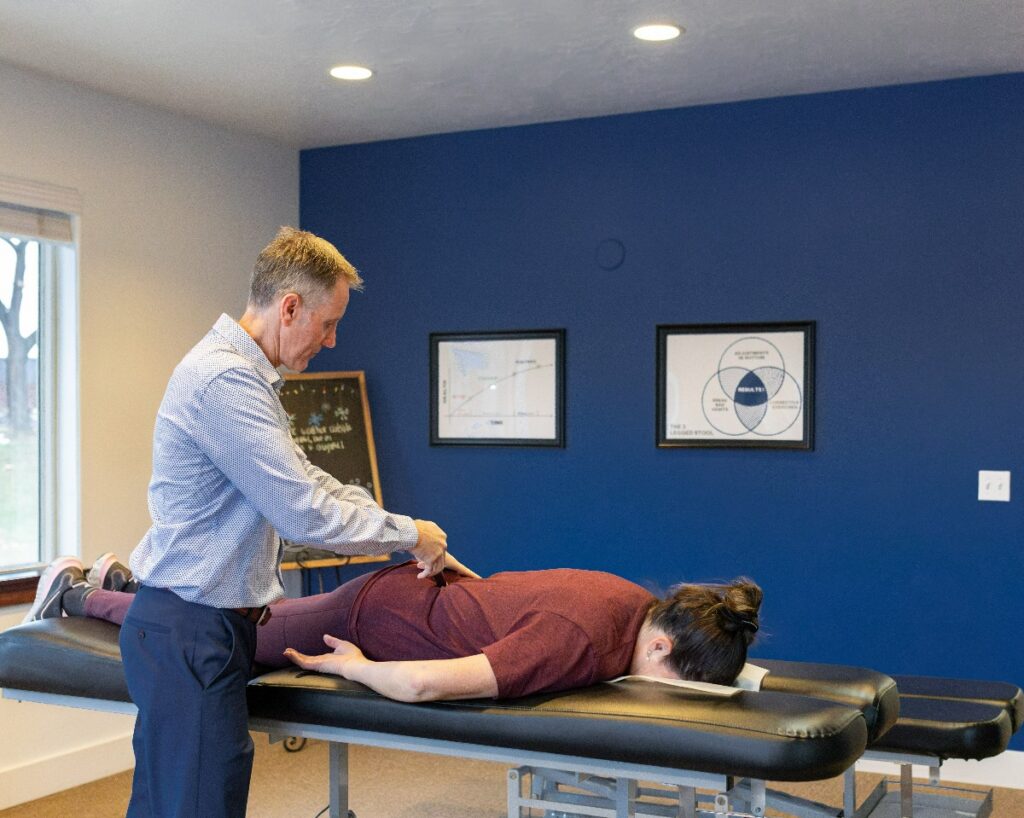
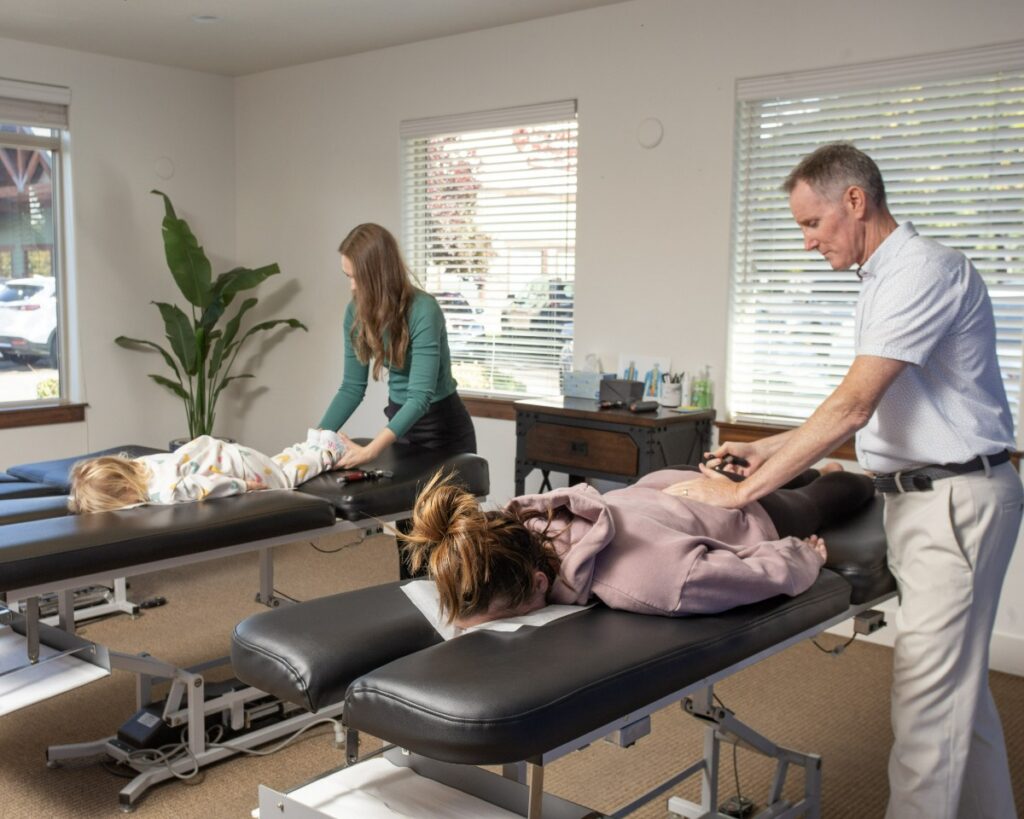
As your local chiropractor, I want to share how manual therapy techniques can be vital in alleviating lower back pain and supporting your recovery journey. These hands-on treatments are designed to relieve tension, enhance mobility, and promote healing in your back muscles and joints.
In our practice, we utilize various techniques, including mobilization and manipulation, tailored to address your unique pain points. Mobilization involves gentle, controlled movements that help increase the range of motion in your spine. This method can effectively reduce stiffness and discomfort, allowing you to move more freely.
On the other hand, manipulation may involve more forceful thrusts aimed at realigning the spine and restoring its proper function. Many patients find that these techniques not only alleviate pain but also significantly enhance their overall physical function, making daily activities easier and more enjoyable.
Additionally, we incorporate soft tissue techniques like massage or myofascial release to target tight muscles and the fascia surrounding your spine. These methods are beneficial for promoting blood flow and reducing adhesions or knots that may contribute to your discomfort.
I encourage you to communicate openly with me about your pain levels and any discomfort you may experience during treatment.
By integrating manual therapy into your recovery plan, we can effectively address lower back pain and work together to improve your quality of life.
Posture and Body Mechanics
As a local chiropractor, I want to emphasize the importance of proper posture and body mechanics in preventing and managing lower back pain. Many of my patients are surprised to learn that simple changes in how they sit, stand, and move can significantly reduce strain on their back.
Here are some essential practices that I encourage you to adopt:
- Sit with support: Choose a chair that provides adequate support for your lower back. Make sure your feet are flat on the ground and that your knees are at a 90-degree angle. This helps maintain the natural curve of your spine.
- Stand tall: When standing, distribute your weight evenly between both feet. Keep your shoulders relaxed and pulled back, ensuring your head is aligned with your spine. This posture not only promotes better alignment but also reduces the risk of discomfort.
- Lift smart: Many people aren't aware of the right way to lift heavy objects. Always bend at your knees instead of your waist. This technique helps protect your back from unnecessary strain. Remember to keep the items close to your body while lifting.
- Take breaks: If your work involves prolonged sitting, it's crucial to take regular breaks. Stand up, stretch, and move around every 30 minutes. This practice keeps your muscles engaged and can help prevent stiffness and discomfort.
By incorporating these practices into your daily routine, you can support your spine's health and enhance your overall well-being.
If you have any questions or would like to learn more about how chiropractic care can assist you, don't hesitate to reach out!
Chiropractic Care Benefits
As a local chiropractor, I'm here to share how chiropractic care can be a valuable tool in managing lower back pain and enhancing your overall well-being. Many people are unaware of the incredible benefits that come with chiropractic adjustments, particularly when it comes to spinal alignment. Proper alignment is crucial for alleviating pressure on your nerves and muscles, which can lead to significant pain relief and improved range of motion. This means you can enjoy a more active and fulfilling daily life.
What sets chiropractic care apart is our commitment to personalized treatment plans designed specifically for your unique needs. During your visit, I'll assess your condition and create a tailored strategy that may include manual adjustments, therapeutic exercises, and practical lifestyle recommendations. This comprehensive approach not only addresses your immediate pain but also fosters long-term health improvements, guiding you towards a healthier future.
One of the most appealing aspects of chiropractic care is that it's non-invasive. Unlike surgical procedures, chiropractic adjustments come with fewer risks and complications, making it a safer choice for those seeking relief from lower back pain. Additionally, many of my patients find that regular chiropractic visits help them manage stress and anxiety, as physical discomfort often intertwines with emotional well-being.
Furthermore, incorporating chiropractic care into your routine can play a crucial role in preventing future episodes of lower back pain. By maintaining proper spinal alignment and promoting healthy movement patterns, you can significantly reduce the chances of recurring issues.
Medications for Pain Relief
As a chiropractor, I understand that finding the right approach to manage lower back pain can significantly impact your overall well-being. Many people are unaware of the various options available for pain relief that don't necessarily involve medications.
It's essential to explore holistic methods that can alleviate discomfort and enhance your quality of life. Here are some common approaches we can consider for managing pain:
- Natural Pain Relievers: While over-the-counter medications like ibuprofen or acetaminophen can offer temporary relief, I recommend exploring natural alternatives as well. Techniques such as hot and cold therapy, acupuncture, and herbal remedies can be effective in reducing inflammation and alleviating pain without the side effects associated with pharmaceuticals.
- Chiropractic Adjustments: One of the most effective ways to address lower back pain is through chiropractic care. Adjustments can help realign the spine, relieve pressure on nerves, and restore proper movement to the joints. This not only alleviates pain but also promotes overall spinal health.
- Rehabilitation Exercises: Incorporating specific exercises tailored to your condition can strengthen the muscles supporting your back. Physical therapy and guided rehabilitation can help improve mobility and prevent future pain episodes.
- Lifestyle Modifications: Sometimes, simple changes in daily habits can make a significant difference. Ergonomic assessments of your workspace, posture training, and stress management techniques can help reduce strain on your back.
- Nutritional Support: A well-balanced diet rich in anti-inflammatory foods can also play a crucial role in managing pain. Foods high in omega-3 fatty acids, antioxidants, and vitamins can support your body's healing processes.
I encourage you to consult with me about your pain management journey. Together, we can create a personalized plan that suits your needs and focuses on natural healing methods.
Effective pain relief is vital for you to return to your daily activities and enjoy life to the fullest!
Lifestyle Modifications
As your local chiropractor, I want to share some effective lifestyle modifications that can help you manage lower back pain and enhance your overall health.
One of the most beneficial steps you can take is to incorporate regular exercise into your routine. This doesn't have to be intense; even gentle activities like walking, stretching, or yoga can significantly improve your mobility and comfort.
Additionally, it's important to consider your workspace setup. Ensuring that your desk, chair, and computer are ergonomically aligned can reduce unnecessary strain on your back.
Simple adjustments, like using a chair with proper lumbar support or positioning your screen at eye level, can make a world of difference.
By embracing these changes, you can't only alleviate your back pain but also foster a healthier lifestyle.
Exercise and Physical Activity
As a local chiropractor, I want to emphasize the importance of regular exercise and physical activity in managing lower back pain effectively. Incorporating movement into your daily routine can significantly strengthen your back muscles, enhance flexibility, and promote better posture—key factors in alleviating pain.
Here are some activities that I recommend to my patients:
- Walking: This is a gentle, low-impact exercise that keeps your body active and improves circulation, which is crucial for healing.
- Stretching: Engaging in gentle stretches helps enhance flexibility and reduce tension in your back, making it an essential part of your routine.
- Strength Training: Focus on core-strengthening exercises that stabilize your spine and provide support for your lower back, which can prevent further discomfort.
- Yoga or Pilates: These practices not only build strength and flexibility but also emphasize proper alignment, which is vital for maintaining good back health.
It's important to start slowly and listen to your body as you incorporate these activities. Finding the right balance between exercise and rest is crucial for your recovery.
If you notice that a particular exercise aggravates your pain, feel free to modify it or reach out to me for guidance. Remember, consistency is key to seeing improvements. Aim for at least 30 minutes of moderate exercise on most days of the week.
Over time, you'll likely notice a boost in your overall strength and a decrease in your lower back discomfort. I'm here to support you on your journey to better health through natural healing and chiropractic care.
Ergonomic Workspace Adjustments
As a local chiropractor, I want to share some important insights on managing lower back pain through ergonomic adjustments in your workspace. While incorporating regular exercise is vital, creating an ergonomic environment can significantly enhance your comfort and overall well-being.
First, let's talk about your chair. It's crucial that your chair provides proper support for your lower back. I recommend choosing an adjustable chair that enables your feet to rest flat on the floor, with your knees aligned with your hips. This position helps to minimize strain on your back, allowing for a more comfortable working experience.
Next, consider the height of your desk. Your computer screen should be positioned at eye level to prevent unnecessary neck strain. If your screen is too low, a monitor riser can help you achieve the right height. Additionally, keep your keyboard and mouse within easy reach to avoid excessive reaching, and ensure your elbows are bent at a 90-degree angle while you work.
Don't underestimate the importance of taking regular breaks. I encourage you to stand up, stretch, or take a short walk every hour. This simple practice can relieve tension and promote better circulation, which is essential for your spine's health.
If you have the option, try using a standing desk or alternate between sitting and standing throughout your day to give your body a break.
Lastly, ensure that your workspace is well-lit to avoid straining your eyes, which can lead to poor posture. By making these ergonomic adjustments, you can create a supportive environment that contributes to alleviating your lower back pain.
Alternative Treatments
As a local chiropractor, I want to introduce you to the many alternative treatments available for lower back pain that may resonate more with your lifestyle and preferences. Many individuals are seeking relief through natural methods, looking for solutions beyond medication or surgery.
Here are some effective alternative treatments that I often recommend:
- Chiropractic Care: One of the primary services I offer is spinal manipulation, which helps to realign the spine and relieve pressure on nerves. This not only alleviates discomfort but can also lead to improved overall health. Many patients experience immediate relief and enhanced mobility after a session.
- Acupuncture: Although I specialize in chiropractic care, I often refer patients to acupuncture. This ancient technique involves placing thin needles at specific points on the body. It can effectively relieve pain and promote healing, and many find it to be a surprisingly relaxing experience.
- Massage Therapy: Complementary to chiropractic adjustments, therapeutic massage can significantly reduce muscle tension and improve blood circulation in your back. Regular massage sessions can enhance your recovery and overall well-being.
- Yoga and Stretching: I encourage my patients to incorporate gentle yoga or stretching into their routines. These practices can increase flexibility, strengthen your core, and alleviate back tension. They also promote mindfulness, which can be beneficial for stress management.
Each of these treatments has unique benefits, and I believe they can be valuable components of your pain management strategy.
It's essential to discuss any new treatment options with me so we can determine what's most appropriate for your specific situation. By exploring these alternative treatments, you can discover a more holistic approach to managing your lower back pain and improving your quality of life.
Interventional Procedures
As a local chiropractor, I want to help you understand the various options available for addressing lower back pain. While many individuals find significant relief through chiropractic care and natural healing methods, there are situations where more advanced interventional procedures may be necessary, especially in cases of severe pain.
If you've been relying on conservative treatments, such as adjustments, exercises, or lifestyle changes, and haven't seen improvement, it may be time to consider additional options. Interventional procedures are designed to provide relief for pain and improve your overall function, enhancing your quality of life.
One common interventional approach is the epidural steroid injection. This procedure involves delivering corticosteroids directly into the epidural space surrounding your spinal cord, helping to reduce inflammation and alleviate pain.
Similarly, facet joint injections target specific joints in your spine that may be the source of your discomfort. These injections can offer temporary relief, making it easier for you to participate in physical therapy or rehabilitation exercises.
If your pain continues, you might also want to explore options like nerve blocks or radiofrequency ablation. Nerve blocks involve injecting anesthetics near particular nerves to interrupt pain signals, while radiofrequency ablation utilizes heat to destroy the nerve fibers responsible for transmitting pain, providing longer-lasting relief.
In more severe situations, options such as spinal cord stimulation or surgery might be considered. Spinal cord stimulation involves implanting a device that sends electrical impulses to the spinal cord, which can help mask pain sensations. Surgery may be necessary if there's significant structural damage or compression impacting your spinal nerves.
It's important to have a thorough discussion with your healthcare provider, who can guide you in determining the best treatment plan tailored to your specific needs and condition.
Home Remedies
As a local chiropractor, I understand that many of my patients are looking for effective ways to manage lower back pain without solely relying on medical interventions.
I want to share some simple, natural remedies that can significantly enhance your comfort and support your healing process. Here are a few approaches that you can easily integrate into your daily routine:
- Heat therapy: One of the simplest methods is applying a heating pad or a warm towel to your lower back. This can help relax tight muscles and improve blood circulation, providing relief from discomfort.
- Cold therapy: Conversely, using a cold pack can be very effective in reducing inflammation and numbing sharp pain. Just remember to wrap the cold pack in a cloth to protect your skin from frostbite.
- Essential oils: Many patients find that essential oils like peppermint, lavender, or eucalyptus can be quite soothing. By mixing a few drops with a carrier oil, you can gently massage this blend into your lower back for relief.
- Turmeric: This powerful spice is renowned for its anti-inflammatory properties. You can enjoy turmeric as a tea or incorporate it into your meals. It may help alleviate pain associated with inflammation.
While these home remedies can offer relief, it's crucial to understand that they aren't substitutes for professional chiropractic care.
If your pain persists or worsens, I encourage you to reach out for a thorough evaluation and personalized treatment plan.
Importance of Exercise
As a local chiropractor, I want to emphasize the significant role that exercise plays in managing lower back pain and preventing future complications. Integrating physical activity into your daily routine isn't just about staying fit; it's crucial for enhancing the strength of the muscles that support your spine. By doing so, you can improve your stability and lower the risk of sustaining injuries.
Focusing on exercises that target your back, core, and legs can yield remarkable benefits. These movements won't only increase your flexibility but also promote better posture, which is vital for maintaining a healthy spine.
You don't need to dive into rigorous workouts to experience these advantages. Simple activities such as walking, swimming, or yoga can significantly enhance your condition. These exercises stimulate blood flow to the affected areas, helping to reduce stiffness and discomfort. Additionally, they trigger the release of endorphins—your body's natural pain relief system—which can elevate your mood and make everyday activities more manageable.
Consistency is essential in this journey towards better health. I recommend aiming for at least 150 minutes of moderate aerobic exercise each week, along with strength training at least twice weekly.
It's important to listen to your body; if something doesn't feel quite right, don't hesitate to adjust your approach. Including stretching exercises in your routine can also be extremely beneficial, as they enhance flexibility and alleviate tension in your back muscles.
When to Seek Professional Help
If you're experiencing lower back pain that persists for more than a few days, I encourage you to consider seeking professional assistance.
As a chiropractor, I often see patients who may not realize that lingering pain can indicate underlying issues that need attention. It's important to be mindful of any additional symptoms, such as numbness or weakness, as these may suggest a more serious condition that requires evaluation.
If your discomfort starts to interfere with your daily activities, don't hesitate to reach out to a healthcare provider.
Chiropractic care focuses on natural healing and can help restore balance and enhance your overall well-being. Your health is worth prioritizing!
Persistent Pain Duration
As a local chiropractor, I want to emphasize the importance of recognizing when it's time to seek professional help for your persistent lower back pain. If your discomfort has been hanging around for more than a few weeks, it's a signal that your body may need some extra care. Ignoring this ongoing pain can lead to more serious issues that could impact your overall well-being.
Here are some key indicators that it might be time for you to reach out to a chiropractor:
- Increased Pain Intensity – If you notice that your pain is becoming sharper or more severe, it's crucial to address it.
- Limited Mobility – When simple daily tasks become challenging due to your back pain, it's a sign that your body is in distress.
- Radiating Pain – If you start feeling pain that extends to your legs or other areas, this could indicate a more complex issue that requires attention.
- Sleep Disruptions – When pain is keeping you from getting restful sleep, it's time to take action.
Don't hesitate to seek help if you experience any of these symptoms. As a chiropractor, I can provide a thorough evaluation, offer a proper diagnosis, and recommend natural treatment options tailored to your specific needs.
Early intervention is key in managing lower back pain, as it can't only prevent further complications but also help you return to your daily activities quicker and with greater ease. Embrace the journey towards healing and let's work together to improve your quality of life!
Associated Symptoms Present
As a local chiropractor, I want to emphasize the importance of paying attention to any unusual symptoms that may accompany your lower back pain. It's crucial to be aware of these signs, as they can provide valuable insights into your condition.
For instance, if you're experiencing numbness, tingling, or weakness in your legs, it may indicate nerve involvement and could require a thorough evaluation. Additionally, symptoms like bowel or bladder dysfunction are serious red flags that warrant immediate attention, as they can be indicative of conditions such as cauda equina syndrome.
If your back pain follows a traumatic event, like a fall or an accident, please don't hesitate to reach out for help. Other concerning symptoms, such as fever, unexplained weight loss, or persistent pain that disrupts your sleep, may point to underlying issues like infections or malignancies.
Even if your pain feels manageable, it's wise to consult with a healthcare professional, such as a chiropractor, to discuss these accompanying symptoms. We can perform a comprehensive assessment and recommend appropriate diagnostic tests or natural treatment options.
Early intervention often leads to better outcomes and can help prevent complications later on. Listening to your body is vital for maintaining your health.
Don't ignore these warning signs—reach out for the support you need. Together, we can work towards a healthier, pain-free life through chiropractic care and natural healing methods.
Conclusion
As a local chiropractor, I want to share with you some effective ways to tackle lower back pain naturally. It's important to understand that a combination of reliable treatments can lead to lasting relief. One of the most beneficial approaches is engaging in chiropractic care. Through gentle adjustments, we can realign your spine, alleviate pressure on nerves, and enhance your overall mobility.
In addition to chiropractic adjustments, physical therapy can also play a significant role in your recovery. Our physical therapists work with you to strengthen the muscles that support your back and improve your posture, which helps prevent future pain.
Medication can provide temporary relief, but it's crucial to focus on long-term solutions. Lifestyle modifications, such as maintaining a healthy weight and practicing good ergonomics, along with regular exercise, are essential in supporting your recovery.
If your pain continues despite these efforts, I encourage you to seek professional help. Remember, you are not alone in this journey. Together, we can find the right approach to help you achieve a healthier, pain-free life through natural healing and chiropractic care.