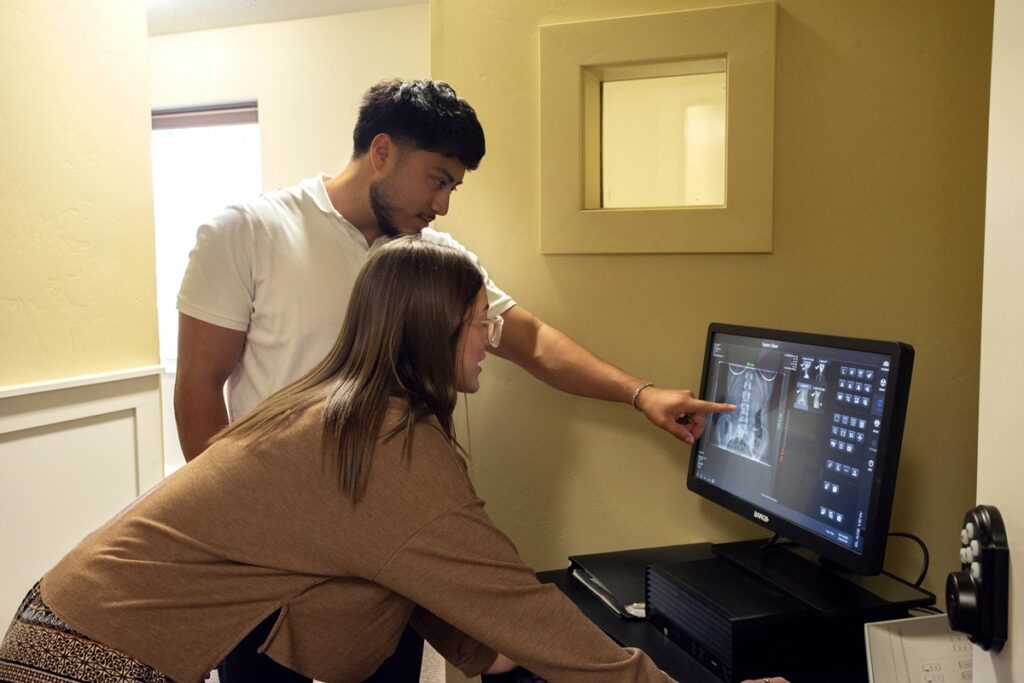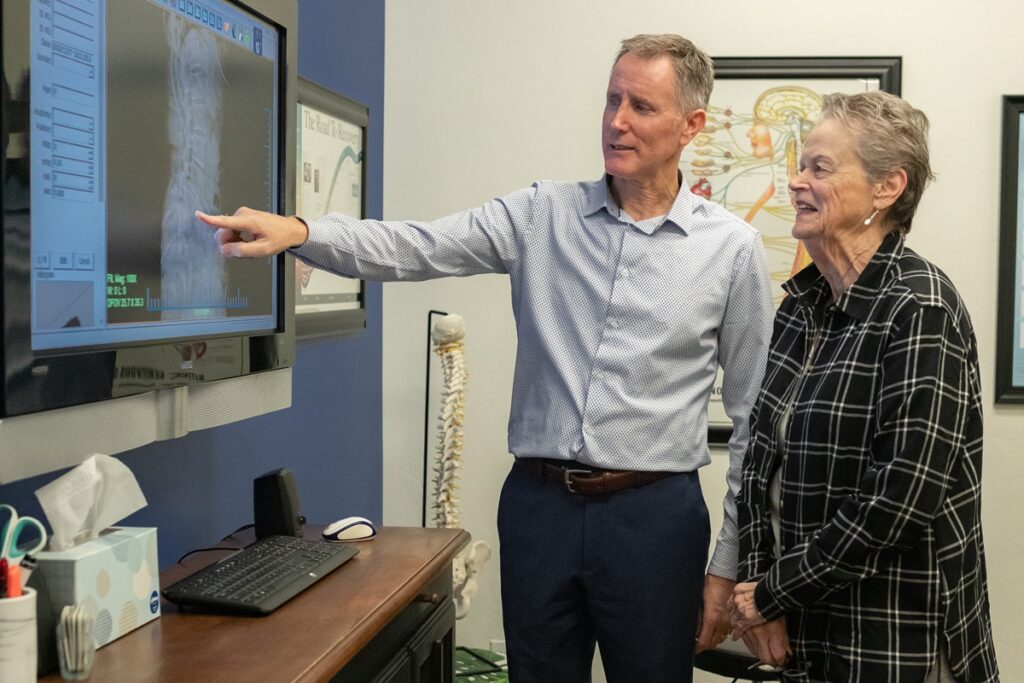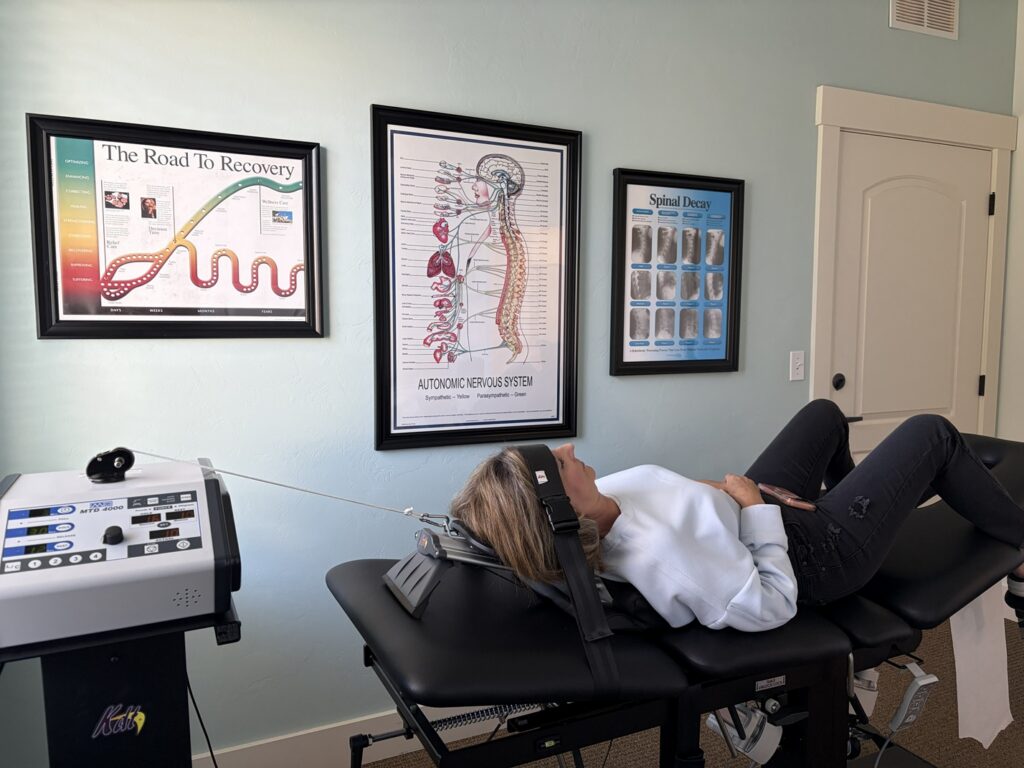

When it comes to addressing neurological disorders, you may not realize that chiropractic care offers a range of natural treatment options tailored to individual needs. As a chiropractor, I focus on holistic approaches that aim to enhance your overall well-being. This includes gentle spinal adjustments that can alleviate symptoms and improve your nervous system function.
In addition to chiropractic adjustments, we often incorporate lifestyle changes that promote brain health, such as nutrition and exercise recommendations. Physical and occupational therapies can also be beneficial, and I work closely with other healthcare professionals to ensure a comprehensive approach to your care.
It's fascinating to see how the field is evolving, with new advancements in natural healing practices that can support the management of these disorders. By exploring these options, you or someone you know can find more effective ways to navigate the challenges associated with neurological conditions. Let's work together to discover the best path for your health and well-being!
Medications for Neurological Conditions
When it comes to managing neurological conditions, I want to highlight the importance of considering a holistic approach that includes chiropractic care and natural healing methods alongside conventional medications. Many patients may not realize that various types of treatments can target specific issues, whether it's epilepsy, multiple sclerosis, or Parkinson's disease. Understanding these options can empower you to make informed choices in collaboration with your healthcare provider.
For instance, while anticonvulsants are commonly prescribed for epilepsy to help control seizures, chiropractic adjustments may complement this treatment by addressing spinal misalignments that could be affecting your nervous system. If you're experiencing chronic pain due to migraines or neuropathy, we can explore natural therapies such as spinal adjustments, nutritional support, and lifestyle modifications that may alleviate your symptoms without relying solely on medications.
In the case of multiple sclerosis, while disease-modifying therapies are intended to reduce the frequency and severity of relapses, chiropractic care can support your overall wellbeing by enhancing mobility and reducing stress, which may positively impact your condition.
For those with Parkinson's disease, dopaminergic medications are often used to address motor symptoms. However, chiropractic techniques can also help improve movement and coordination, allowing you to engage more fully in daily activities. Additionally, we can work together to address non-motor symptoms, such as mood disorders or sleep disturbances, through natural approaches like stress management and relaxation techniques.
It's essential to work closely with your healthcare providers, including your chiropractor, to find the right balance of treatments for you. Remember that while medications can offer relief, they may also come with side effects.
Regular communication about your experiences and openness to exploring natural healing methods can help you manage your neurological condition effectively. Together, we can create a comprehensive plan that supports your health and enhances your quality of life.
Physical and Occupational Therapy
As a local chiropractor, I understand the importance of holistic approaches in the rehabilitation and management of neurological disorders. While many may not be familiar with chiropractic care, it can play a vital role in enhancing your physical abilities, improving daily functioning, and promoting overall independence in your life.
By working closely with a chiropractor, you can experience a renewed sense of strength, coordination, and confidence.
Here are four key benefits of incorporating chiropractic care alongside physical and occupational therapy for neurological disorders:
- Restoration of Movement: Chiropractors utilize specific adjustments and exercises to enhance mobility and strength, which can be compromised by conditions such as stroke or multiple sclerosis. This targeted approach helps to restore proper function to the nervous system.
- Functional Independence: By addressing spinal alignment and overall body mechanics, chiropractic care supports your ability to perform daily activities—such as dressing, cooking, and bathing—allowing you to live as independently as possible.
- Pain Management: Chiropractic techniques can effectively manage pain through spinal adjustments, soft tissue therapy, and personalized exercise programs, providing relief from discomfort often associated with neurological disorders.
- Preventing Complications: Regular chiropractic care can help prevent secondary complications like stiffness, muscle atrophy, or falls, which are common in those with neurological conditions. By maintaining proper alignment and function, you can enhance your overall quality of life.
If you're curious about how chiropractic care can complement your rehabilitation journey, I invite you to learn more about these natural healing methods that can empower you on your path to recovery.
Surgical Interventions
As a local chiropractor, I want to emphasize the importance of understanding how chiropractic care can play a role in managing neurological disorders. While many patients find great relief through our natural, conservative treatments, there are instances when surgical interventions may become necessary to address more serious underlying issues.
If traditional chiropractic methods and other conservative treatments haven't provided adequate relief, your healthcare provider may suggest considering surgery to alleviate symptoms or correct anatomical problems. For example, if a tumor is present and pressing on the brain or spinal cord, removing it can relieve pressure and help restore function.
Likewise, in cases of herniated discs, surgery might be needed to remove the damaged part of the disc that's compressing nerve roots, which can lead to pain or weakness.
Another scenario where surgery may be necessary is in the treatment of epilepsy. If medication isn't effectively controlling your seizures, surgical options like resection of the seizure focus or the implantation of a responsive neurostimulation device can be considered. These surgical approaches aim to reduce seizure activity and improve overall quality of life.
Conditions such as spinal stenosis or carpal tunnel syndrome may also require surgical attention. For instance, spinal decompression surgery can relieve nerve pressure in the spine, while a carpal tunnel release can help alleviate symptoms resulting from compression of the median nerve in the wrist.
It's crucial to remember that the decision to undergo surgery isn't taken lightly. It involves a thorough discussion about the potential risks and benefits with your healthcare team.
At times, surgery may be the best option when other treatments haven't yielded the desired results. As your chiropractor, I encourage open communication about your symptoms and treatment options, so we can work together to determine the most appropriate course of action for your health and well-being.
Lifestyle Modifications
As a local chiropractor dedicated to promoting holistic health, I believe that incorporating healthy lifestyle modifications can significantly enhance your management of neurological disorders. These changes not only improve your overall well-being but also boost your mood and may help alleviate some symptoms related to your condition.
Here are four essential lifestyle modifications that I encourage my patients to consider:
- Regular Exercise: Engaging in regular physical activity is crucial for enhancing blood flow to your brain, which can lead to improved cognitive function. I recommend aiming for at least 30 minutes of moderate exercise most days of the week. Activities such as walking, swimming, or yoga can be particularly beneficial for your neurological health.
- Balanced Diet: Nutrition plays a vital role in supporting brain health. A balanced diet rich in fruits, vegetables, whole grains, lean proteins, and healthy fats is essential. I suggest incorporating omega-3 fatty acids, found in fish, walnuts, and flaxseeds, as they're known to offer protective benefits for the brain.
- Adequate Sleep: Quality sleep is fundamental for cognitive function and emotional regulation. I encourage you to prioritize your sleep by aiming for 7-9 hours each night. Establishing a relaxing bedtime routine can help you unwind and prepare for a restorative night's sleep.
- Stress Management: Chronic stress can worsen neurological symptoms, so it's important to find effective ways to manage it. Techniques such as mindfulness, meditation, and deep-breathing exercises can be incredibly beneficial. Additionally, engaging in hobbies or spending quality time with loved ones can serve as excellent stress relievers.
By making these lifestyle modifications, you can enhance your overall health and support your neurological well-being.
Emerging Treatments and Research
As your local chiropractor, I'm here to guide you on lifestyle modifications that can support your neurological health while also keeping you informed about exciting advancements in treatments and research that complement natural healing.
The field of neurology is evolving, and scientists are exploring innovative therapies that could change how we manage neurological disorders. One promising area of research is gene therapy. This approach aims to target the root causes of conditions like Huntington's disease and specific types of muscular dystrophy by correcting genetic mutations.
Imagine therapies that could potentially halt or even reverse disease progression—this could be a game-changer for many!
Another fascinating development is the use of stem cells to repair damaged neural tissue. This regenerative medicine technique seeks to restore function in conditions such as spinal cord injuries and multiple sclerosis. While clinical trials are still underway, early results have shown that stem cell therapies might enhance recovery and improve quality of life.
We also have advancements in neuromodulation techniques, like transcranial magnetic stimulation (TMS) and deep brain stimulation (DBS). These methods can alter brain activity, providing new avenues for treating disorders such as Parkinson's disease and depression.
As technology progresses, we're seeing the emergence of wearable devices that monitor brain activity and offer real-time feedback, empowering you to take an active role in your neurological health.
Staying informed about these innovations is crucial for your well-being. I encourage you to talk to me about any new options that may be available, including participating in clinical trials.
Embracing the future of neurological care means considering all avenues—especially those that align with a holistic approach to healing. Together, we can explore the exciting possibilities that research continues to unveil in the realm of neurological health.
Conclusion
In conclusion, addressing neurological disorders can greatly benefit from a holistic approach that includes chiropractic care, alongside other treatments. As a chiropractor, I emphasize the importance of understanding how spinal health can impact neurological function. By aligning the spine and optimizing nervous system performance, we can help manage symptoms and enhance your overall well-being.
It's essential to work collaboratively with healthcare professionals to explore various options tailored to your individual needs. Integrating natural healing methods, such as chiropractic adjustments, can play a vital role in your recovery journey. Staying informed about advancements in natural therapies can also open doors to new and effective pathways for improvement. Remember, everyone's experience is unique, so being proactive and engaged in your wellness plan is crucial for achieving the best possible outcomes.