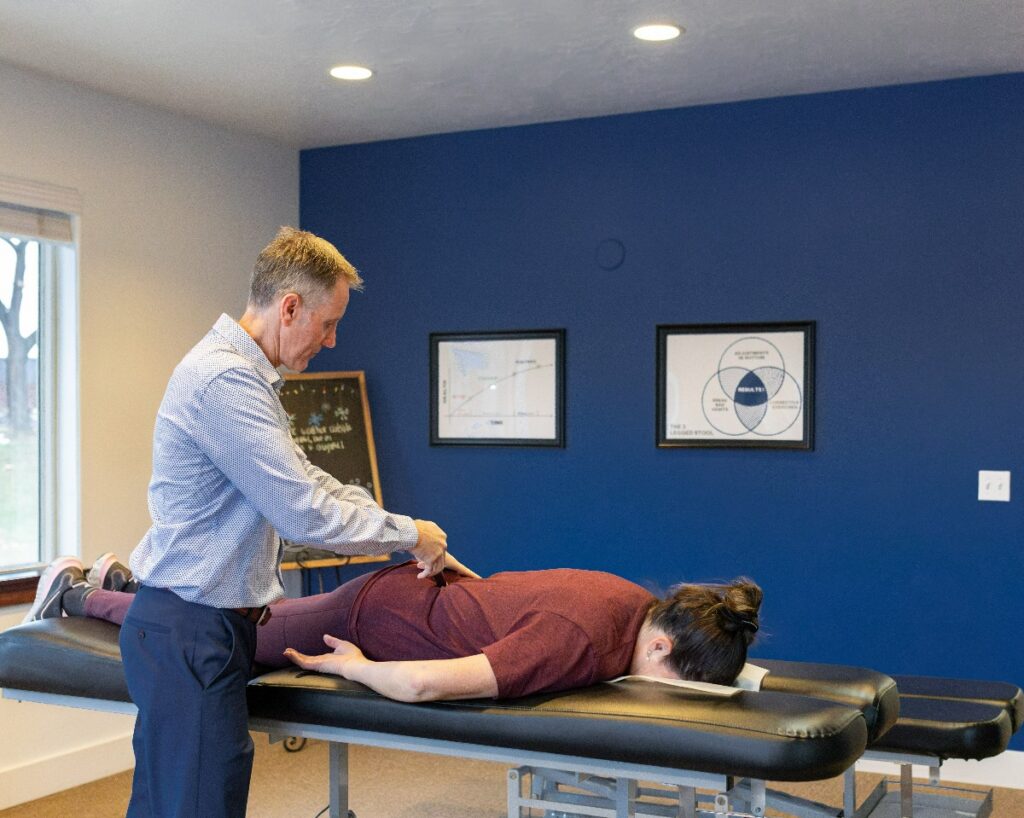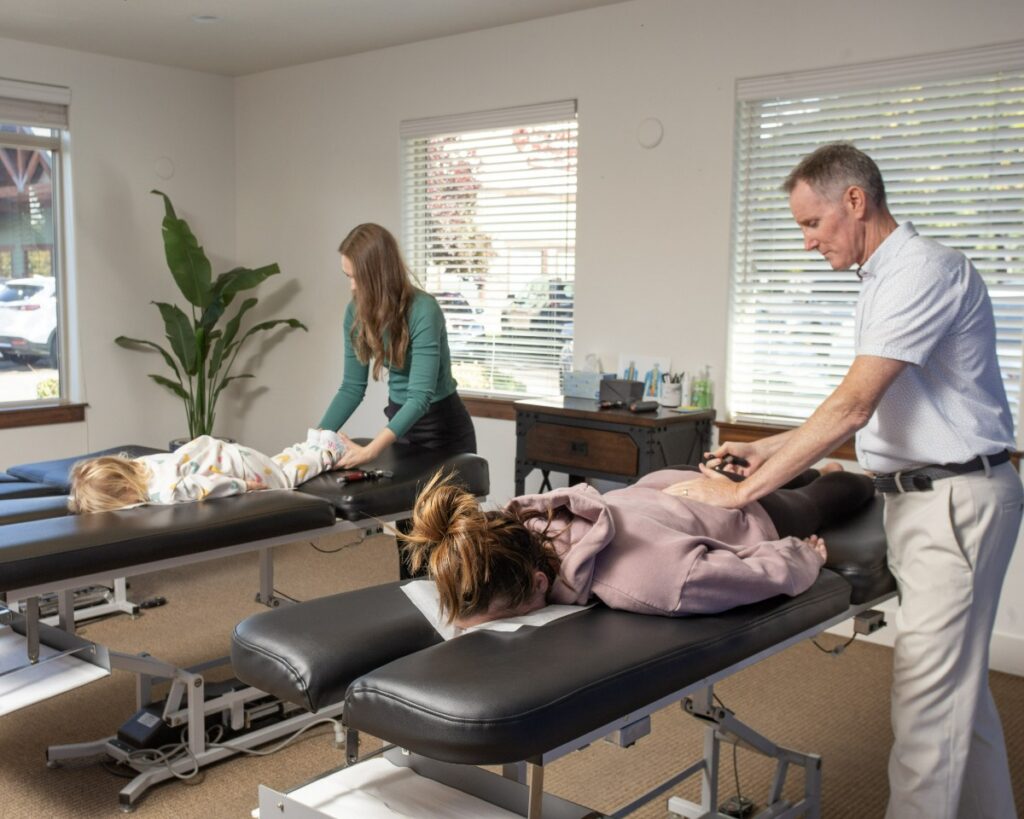

If you're experiencing sports-related back pain, it's important to understand how chiropractic care and natural healing can play a crucial role in your recovery. Many people may not realize that a comprehensive approach—incorporating warm-ups, stretching, and core strengthening exercises—can significantly alleviate discomfort. However, I encourage you to also consider the benefits of chiropractic therapies and lifestyle changes that can support your healing process.
As a chiropractor, I often see patients who are unaware of how adjustments and targeted treatments can relieve tension and improve overall mobility. Understanding the intricate nature of back pain relief is essential for maintaining your athletic performance while minimizing discomfort. Let's dive into some effective strategies that can truly make a difference in your recovery and enhance your well-being.
Understanding Back Pain Causes
As a local chiropractor, I want to help you understand the various causes of back pain and how we can work together to find effective relief through natural healing methods.
One of the most common culprits of discomfort is muscle strains or sprains, often caused by overexertion or improper lifting techniques. Whether you're hitting the gym or engaging in sports, it's easy for your muscles and ligaments to become overstretched, leading to pain that can impact your performance.
Another significant factor to consider is posture. Many of us develop bad habits, such as slouching or failing to align our spines correctly during physical activities. These habits can lead to persistent aches and discomfort. Maintaining proper posture and body mechanics is essential, as it helps prevent unnecessary strain on your back.
Injuries from sudden impacts or falls can also contribute to back pain. If you've experienced a hard hit during a game or a slip while running, it's crucial to recognize that these incidents can result in serious injuries, such as fractures or herniated discs, which may require professional assessment and care.
Repetitive movements, especially in sports like tennis or golf, can create cumulative stress on your back over time. Failing to allow for adequate recovery can lead to chronic pain that limits your mobility and enjoyment of these activities.
Additionally, underlying medical conditions, such as arthritis or scoliosis, may play a role in your back pain. If you're experiencing persistent discomfort, I encourage you to consult with a healthcare professional who can provide a thorough examination and proper diagnosis.
Understanding these causes is the first step toward finding the right treatment. As a chiropractor, I focus on natural healing methods that can enhance your overall well-being and help you get back to the activities you love.
Let's work together to create a personalized plan that addresses your specific needs and promotes a healthier, pain-free lifestyle.
Importance of Proper Warm-Up
As a local chiropractor, I want to emphasize the critical role that a proper warm-up plays in both preventing back pain and enhancing your overall athletic performance. When you engage in a warm-up routine, you're not just preparing your body for exercise; you're actively working to protect your muscles, joints, and cardiovascular system from potential injury.
Warming up increases blood flow to your muscles, boosts flexibility, and significantly lowers the risk of injury, especially in your back. By gradually elevating your heart rate and loosening your muscles, you create the best conditions for any physical activity, whether it's a casual jog, playing basketball, or lifting weights. This gradual increase in intensity allows your body to adapt, reducing the chances of strains or overexertion that can lead to discomfort or pain.
Moreover, warming up does more than just physically prepare you; it also sharpens your mental focus. This time is essential for mentally gearing up for the demands of your sport, allowing you to visualize your movements and anticipate the actions you'll need to take. This mental preparation can set a positive tone for your performance.
I can't stress enough how important it isn't to skip this crucial step. Just a few minutes of dynamic movements or light aerobic exercises can profoundly impact how your body responds during more intense activities. Think of warming up as an investment in your health and performance. When you dedicate time to warm up properly, you're less likely to experience back pain, and you're setting yourself up to achieve your personal best.
So, I encourage you to prioritize warming up and make it an integral part of your training routine. Your body will appreciate the care, and you'll likely see improvements in your performance and overall well-being.
If you have any questions about how to incorporate effective warm-up techniques into your routine, please feel free to reach out. Together, we can work towards a healthier, pain-free lifestyle.
Stretching and Flexibility Exercises
As a local chiropractor, I want to emphasize the importance of stretching in both preventing and alleviating back pain.
Many people, including athletes, may not realize that effective flexibility routines can significantly enhance your range of motion and decrease the likelihood of injuries.
Incorporating proper stretching techniques into your daily routine can't only benefit your back but also improve your overall performance in daily activities and sports.
Let's delve into how these techniques can positively impact your health and well-being.
Importance of Stretching
As a local chiropractor, I want to emphasize the vital role that flexibility and stretching play in preventing and alleviating sports-related back pain. Many individuals may not realize that by incorporating regular stretching into their routine, they can significantly enhance their range of motion.
This increased flexibility not only helps reduce muscle tension and stiffness in the back but also improves overall athletic performance while minimizing the risk of injuries during physical activities.
It's also essential to understand how stretching can promote better posture. Poor posture is a common issue, particularly among athletes who spend extended periods training or competing. By focusing on stretching key muscle groups, you can actively work towards aligning your body and distributing weight more evenly, which helps relieve pressure on your spine and ultimately contributes to a healthier back.
Another significant benefit of stretching is its ability to improve blood circulation to your muscles. Enhanced blood flow aids in recovery after intense workouts, accelerating healing and reducing soreness. This means you can return to your sport more quickly, feeling rejuvenated and ready to perform your best.
I encourage you to make stretching a consistent part of your routine—whether you're warming up before a game or cooling down afterward.
Effective Flexibility Routines
As a local chiropractor, I want to emphasize the importance of incorporating effective flexibility routines into your daily activities.
These routines can play a crucial role in preventing back pain and enhancing your overall physical performance. By engaging in regular stretching and flexibility exercises, you can improve your range of motion, reduce muscle tension, and promote better posture—key elements for maintaining a healthy back.
Here are four essential flexibility routines I recommend for my patients:
- Hamstring Stretch: Sit with one leg extended and the other bent. Gently reach towards the toes of your extended leg, holding the stretch for 20-30 seconds. This helps alleviate tightness in the hamstrings, which can contribute to back discomfort.
- Cat-Cow Stretch: Position yourself on all fours and alternate between arching your back (like a cat) and dipping it down (like a cow). This dynamic stretch enhances spinal flexibility and can help relieve tension in the back.
- Child's Pose: Kneel and sit back on your heels, extending your arms forward on the ground. This gentle stretch helps ease tension in the back and promotes relaxation, making it a great addition to your routine.
- Seated Torso Twist: Sit cross-legged and carefully twist your torso to one side, using your opposite arm to deepen the stretch. This exercise encourages spinal mobility and can help maintain proper alignment.
By integrating these flexibility routines into your daily life, you can't only relieve back pain but also enhance your athletic performance and overall well-being.
Strengthening Core Muscles
As a local chiropractor, I want to emphasize the importance of strengthening your core muscles for your overall health and well-being. A strong core is vital for maintaining stability and can play a significant role in preventing back pain, especially during physical activities.
By supporting your spine, a strong core not only enhances your posture but also improves your performance in various sports and daily tasks.
Let's take a closer look at some effective exercises that can help you build your core strength. By incorporating these exercises into your routine, you'll not only protect your back but also promote natural healing and support your body's alignment.
Importance of Core Stability
As a local chiropractor, I want to emphasize the vital role that core stability plays in preventing sports-related back pain and enhancing your overall physical health. A strong core is essential for supporting your spine, which in turn helps you maintain proper posture and balance. This is crucial not only for athletes but for anyone who engages in physical activities.
Let me share four key reasons why core stability should be a priority for everyone:
- Improved Posture: A stable core allows you to maintain proper alignment during any movement, which significantly reduces strain on your back. Good posture is foundational for preventing discomfort and injuries.
- Enhanced Performance: A strong core enables you to generate more power and efficiency in your physical activities, whether you're running, jumping, or lifting weights. This translates to better performance in your chosen sports or fitness routines.
- Injury Prevention: Developing a robust core helps absorb shock and provides stability to your spine and pelvis, reducing the risk of injuries. This is particularly important if you're active in sports or any vigorous physical activities.
- Better Balance: Core stability greatly enhances your overall balance. This improvement allows for quicker reactions and more controlled movements in sports, helping you perform at your best while minimizing the risk of falls or accidents.
Investing time in strengthening your core can have a profound impact on your athletic performance and overall well-being.
By prioritizing core stability, you're not only safeguarding yourself against back pain, but you're also enriching your entire experience in physical activities.
As your chiropractor, I encourage you to incorporate core-strengthening exercises into your routine to reap these benefits and support your journey towards better health.
Exercises for Core Strength
As a local chiropractor, I want to emphasize the importance of core strength for your overall health and well-being. Your core muscles serve as the foundation for your physical stability and strength, making it crucial to incorporate core exercises into your routine. Strengthening these muscles not only supports your spine but also enhances your athletic performance and helps prevent injuries.
I recommend starting with planks, which are a fantastic way to engage your core. Position yourself face down, resting on your forearms and toes, and keep your body in a straight line from head to heels. It's important to engage your core during this exercise, aiming to hold the position for 30 seconds to one minute.
Next, consider adding bridges to your routine. Lie on your back with your knees bent and feet flat on the floor. As you lift your hips toward the ceiling, remember to squeeze your glutes and engage your core at the top of the movement. Hold this position for a few seconds before gently lowering back down.
Another excellent exercise is the bird-dog. Start on all fours, then extend one arm and the opposite leg simultaneously, ensuring that your hips remain level throughout the movement. Hold for a moment before switching sides. I suggest aiming for three sets of 10-15 repetitions for each exercise.
By consistently incorporating these core-strengthening exercises, you won't only improve your stability but also reduce the risk of experiencing back pain related to sports or daily activities.
Correct Posture Techniques
As your local chiropractor, I want to emphasize the importance of maintaining correct posture, especially for those of you who may be experiencing sports-related back pain. Many people are unaware that poor posture can lead to misalignments and additional strain on the back, which is why it's vital to adopt proper techniques both in your daily life and during athletic activities.
Here are four essential posture techniques that can help you:
- Align Your Spine: It's important to keep your spine in a neutral position, whether you're sitting, standing, or moving. Imagine a straight line extending from your ears to your shoulders and hips. This alignment is key to preventing discomfort and pain.
- Engage Your Core: Activating your core muscles is crucial for providing support to your spine. Strong core muscles not only enhance stability but also play a significant role in reducing the risk of injuries during sports and other physical activities.
- Distribute Your Weight: When standing, ensure that your weight is evenly distributed on both feet. If you're sitting, aim for your feet to be flat on the ground and your knees bent at a 90-degree angle. This balanced stance minimizes strain on your back and promotes overall comfort.
- Use Ergonomic Equipment: Investing in supportive chairs and ergonomic equipment can greatly enhance your posture. For athletes, the right gear is essential in maintaining proper alignment and ensuring that your body is well-supported during activities.
By incorporating these techniques into your daily routine, you can significantly improve your posture and alleviate discomfort.
Use of Heat and Ice
As a local chiropractor, I want to share some insights on how heat and ice can be essential tools in managing sports-related back pain. Understanding how to use these methods can greatly aid in reducing inflammation, relieving muscle tension, and accelerating your healing process, helping you return to your favorite activities more quickly.
When you experience sharp pain or swelling immediately after a physical activity, ice becomes your ally. Applying an ice pack to the affected area for 15-20 minutes can effectively numb the pain and minimize swelling. Just a quick note: always wrap the ice pack in a cloth to protect your skin from potential frostbite. You can repeat this process every few hours as needed, particularly within the first couple of days after an injury.
Conversely, if you're dealing with chronic pain or muscle tightness, heat therapy may be more beneficial. Utilizing a heating pad or a warm towel can increase blood flow, relax your muscles, and ease stiffness. Aim to apply heat for about 15-30 minutes, ensuring it's warm and not too hot to avoid burns.
Using heat before engaging in physical activities can help loosen up your muscles, while applying it afterward can soothe any soreness you may feel.
It's vital to pay attention to what your body is telling you when using heat or ice. If one method isn't providing relief, feel free to switch to the other. In fact, combining both techniques can be particularly effective—start with ice to tackle inflammation, then transition to heat to help your muscles relax.
Over-the-Counter Pain Relief
As a local chiropractor, I often see patients dealing with sports-related back pain, and I want to share some insights on how over-the-counter pain relief medications can support your recovery.
While these medications can provide quick relief, it's important to understand how they work in conjunction with holistic care for optimal results.
Here's a guide to some common options that may help alleviate your discomfort:
- Acetaminophen: This widely-used pain reliever is effective for mild to moderate pain. It's easy on the stomach, making it a suitable choice if you're seeking a gentle option while also addressing your back pain.
- Nonsteroidal Anti-Inflammatory Drugs (NSAIDs): Medications like ibuprofen and naproxen are beneficial for reducing inflammation and relieving pain. If you're experiencing swelling or stiffness with your back pain, these can be particularly helpful.
- Topical Analgesics: Creams and gels that contain ingredients such as menthol or capsaicin can be applied directly to the affected area. They offer localized relief and are a great alternative for those who prefer to avoid taking pills.
- Combination Medications: Some over-the-counter options combine acetaminophen and NSAIDs for enhanced pain relief. These can be especially effective for more intense pain levels.
While these medications can provide temporary relief, I encourage you to consider the root cause of your back pain and explore natural healing methods such as chiropractic adjustments, physical therapy, and exercises tailored to strengthen your back.
Remember to always read labels carefully and discuss any existing health conditions or medications with a healthcare professional before starting new treatments.
By integrating the right over-the-counter options with chiropractic care, you can effectively manage your sports-related back pain and promote long-term healing.
Let's work together to get you back in the game and moving freely again!
Professional Therapy Options
As a local chiropractor, I want to shed light on how our natural healing approach can significantly aid in recovering from sports-related back pain. Many individuals may not be familiar with chiropractic care, but it offers targeted solutions designed to meet your unique needs, helping you regain strength, mobility, and overall well-being.
Chiropractic care revolves around spinal alignment, which is crucial for optimal function. By focusing on the proper alignment of your spine, we can alleviate pain and tension in your back through gentle manual adjustments. These adjustments not only help relieve discomfort but also enhance your body's ability to heal itself, allowing you to return to your favorite sport with renewed confidence.
In addition to spinal adjustments, I often emphasize the importance of personalized rehabilitation plans. Each patient is different, and as your chiropractor, I'll assess your specific condition to create a tailored plan that may include exercises to strengthen your back and core, improve flexibility, and enhance overall stability.
This proactive approach can also teach you proper body mechanics to minimize the risk of future injuries.
Furthermore, I recommend complementary therapies such as massage therapy, which can provide immediate relief from muscle tightness and stress. A skilled massage therapist can work on the affected areas, increasing circulation and promoting relaxation—especially beneficial after intense training or competitions.
Lastly, acupuncture is an ancient practice I incorporate into treatment plans for those interested. By inserting thin needles into specific points on your body, this technique can help relieve pain and stimulate your body's natural healing processes.
If you're experiencing sports-related back pain, consider the benefits of chiropractic care and other natural healing options. Together, we can work towards a pain-free, active lifestyle!
Lifestyle Modifications for Prevention
As a local chiropractor, I want to share some essential lifestyle modifications that can help you prevent sports-related back pain and keep your spine healthy. Here are some practical steps you can incorporate into your daily routine:
1. Focus on Your Posture: Proper posture is crucial for spine health, whether you're sitting at a desk, standing in line, or engaging in sports. Make it a habit to sit up straight with relaxed shoulders.
When lifting anything heavy, always bend your knees and keep the object close to your body to avoid straining your back.
2. Stay Active: Engaging in regular physical activity is vital for strengthening your back muscles and enhancing flexibility.
Consider adding activities like swimming, yoga, or Pilates to your routine, as these not only build core strength but also provide essential support for your spine.
3. Warm-Up and Cool Down: Before you dive into any sports activity, it's important to take the time to warm up and cool down.
Stretching your muscles beforehand prepares them for the upcoming exertion, while cooling down helps your body recover afterward.
This practice reduces the likelihood of injury and promotes overall well-being.
4. Choose the Right Gear: Your footwear plays a significant role in your posture and overall spinal health.
Make sure your shoes provide adequate support and fit well. If your sport requires specific equipment, ensure that it's appropriately sized and suited to your body type to prevent back pain.
By implementing these simple yet effective changes, you can support your spine and reduce your risk of experiencing back pain associated with sports activities.
Conclusion
As a local chiropractor, I want to share some effective strategies for managing sports-related back pain that can easily fit into your daily routine. First and foremost, it's crucial to incorporate proper warm-up exercises and regular stretching to prepare your body for activity. Strengthening your core is also essential, as it provides vital support for your spine and enhances your overall flexibility.
In addition to these proactive measures, utilizing heat and ice therapy can offer significant relief when you're experiencing discomfort. Over-the-counter pain relief can be helpful as well, but it's important to complement it with natural healing approaches.
Maintaining good posture not only supports your spine but also helps prevent future injuries. By making some simple lifestyle changes and being mindful of your body's needs, you can enjoy your favorite sports activities without the burden of pain. If you have any questions about how chiropractic care can assist you in your journey to recovery and prevention, feel free to reach out. Your well-being is our top priority!