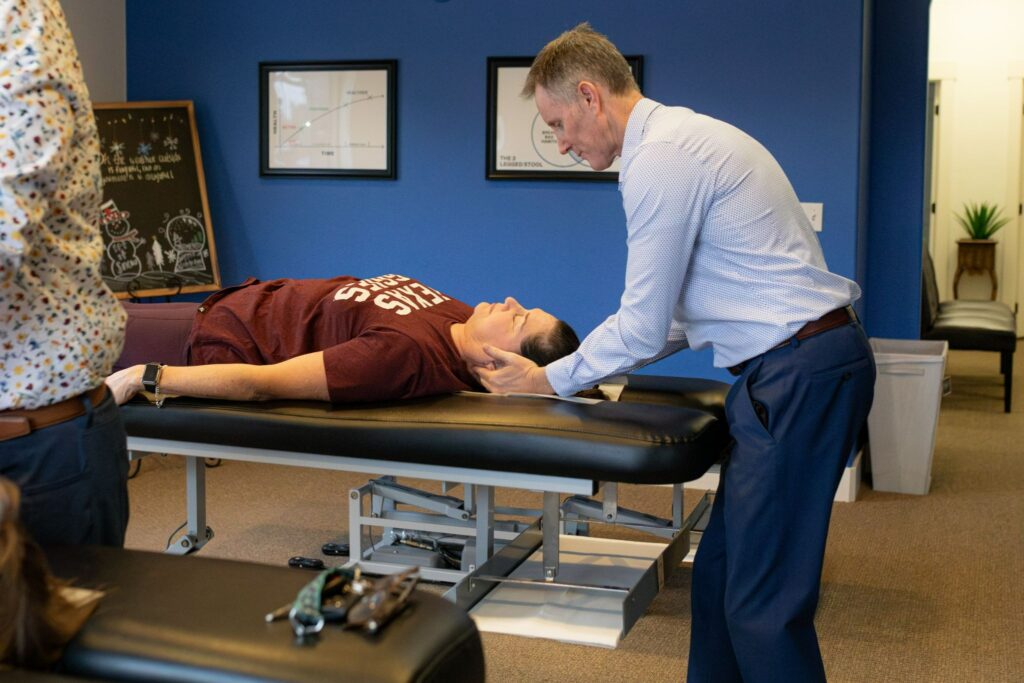

If you’ve ever suffered from whiplash, you understand how challenging the symptoms can be. Thankfully, there are several techniques that can help ease your discomfort, with chiropractic care standing out as one of the best options for achieving optimal health and recovery.
Chiropractic care focuses on aligning your spine and improving overall function, which can significantly reduce pain and promote healing in the neck and surrounding areas. Regular adjustments can help relieve tension, restore mobility, and support your body’s natural ability to heal itself.
In addition to chiropractic adjustments, there are several at-home remedies and lifestyle changes you can incorporate to enhance your recovery. Gentle stretching and strengthening exercises can help improve flexibility and build support for your neck. Applying heat or cold packs can also provide temporary relief from pain and inflammation.
It’s important to listen to your body and avoid activities that may exacerbate your symptoms. Consider practicing good posture and being mindful of your neck position, especially during daily activities.
By choosing chiropractic care and incorporating these simple tips into your routine, you can take proactive steps toward alleviating whiplash symptoms and restoring your health. Remember, your journey to recovery starts with a commitment to natural healing and wellness!
Physical Therapy Techniques
Chiropractic care is a vital component in alleviating the discomfort associated with whiplash. If you’ve experienced whiplash, a chiropractor will first evaluate your neck’s range of motion and any pain you’re experiencing. Based on this assessment, they’ll create a tailored treatment plan that addresses your unique needs.
One of the primary focuses of chiropractic care is to enhance the flexibility and strength of your neck. Gentle stretching techniques can help improve your neck’s mobility, while specific exercises can strengthen the muscles that support your cervical spine. This can lead to better overall stability and reduced pain.
Chiropractors also utilize manual therapy techniques, including spinal adjustments, to relieve muscle tension and promote better blood flow. This hands-on approach can significantly speed up your recovery and help restore your body’s natural alignment.
In addition to these treatments, you might benefit from natural methods like heat or cold therapy to manage pain and reduce inflammation. Your chiropractor can guide you on how to use these modalities effectively. They may also provide tips on maintaining good posture to prevent future injuries, which is crucial for long-term wellness.
Remember, consistency is essential. By regularly attending your chiropractic sessions and incorporating any home exercises into your routine, you’ll be taking significant steps toward regaining your function and minimizing discomfort.
Empower yourself with knowledge and take an active role in your healing journey through chiropractic care for effective pain relief and enhanced wellness.
Chiropractic Care Approaches
Chiropractic care offers a holistic and natural approach to managing whiplash symptoms, helping you heal and regain your health without the need for medications or surgeries.
By focusing on realigning the spine, alleviating pain, and improving mobility, chiropractic care can be your best ally in achieving optimal wellness.
When you visit a chiropractor, they’ll assess your specific condition and create a personalized treatment plan just for you.
Here are some effective chiropractic techniques commonly used to treat whiplash:
- Spinal Manipulation: This gentle technique helps restore proper alignment and function to your spine, which is essential for reducing pain and allowing your body to heal itself.
- Soft Tissue Therapy: By targeting the muscles and ligaments, this approach effectively relieves tension and alleviates pain, allowing for better movement.
- Rehabilitative Exercises: These exercises are designed to strengthen your neck muscles and improve flexibility, which is crucial for recovery and preventing future injuries.
- Cold Laser Therapy: This innovative technique uses light to reduce inflammation and promote healing at the cellular level, speeding up your recovery process.
- Electrical Stimulation: This method alleviates pain and stimulates muscle recovery, helping to restore function and comfort.
In addition to these techniques, here are some general tips to support your healing journey:
- Stay Hydrated: Drinking plenty of water helps keep your muscles and joints lubricated, promoting recovery.
- Practice Good Posture: Maintaining proper posture can alleviate strain on your neck and spine, reducing discomfort.
- Apply Ice or Heat: Using ice can help reduce inflammation, while heat can soothe tight muscles. Just be sure to use them appropriately based on your needs.
- Incorporate Gentle Stretching: Simple stretching exercises can improve flexibility and reduce tension in your neck and shoulders.
By choosing chiropractic care for your whiplash symptoms, you’re opting for a natural, effective path to healing and wellness.
Embrace this journey towards a healthier, pain-free life!
At-Home Remedies for Relief
While chiropractic care is essential for effectively managing whiplash symptoms, there are also some simple at-home remedies that can support your recovery journey.
Start by applying a cold pack to your neck for 15-20 minutes; this can help reduce swelling and numb any discomfort. After a few days, consider using heat therapy with a warm compress, which can help relax tight muscles and improve blood flow.
Gentle stretching exercises are also crucial for easing stiffness. Try slowly tilting your head side to side and forward, always listening to your body and stopping if you feel pain.
Maintaining good posture while sitting or standing is vital, as it supports spinal alignment and aids in your recovery.
While over-the-counter pain relievers can offer temporary relief, remember that chiropractic care addresses the root causes of your pain and promotes natural healing.
Prioritizing rest is also important; quality sleep helps your body heal more effectively.
By incorporating these at-home practices alongside regular chiropractic adjustments, you can take important steps towards alleviating your whiplash symptoms and enhancing your overall wellness.
Lifestyle Changes to Support Recovery
To support your recovery from whiplash, making specific lifestyle changes can significantly enhance your healing process. Embracing healthier habits not only helps alleviate symptoms but also promotes overall well-being.
As a local chiropractor, I want to share some effective changes that can complement your chiropractic care and lead to optimal health:
- Stay Hydrated: Drinking plenty of water is essential for your body to function properly and aids in muscle recovery. Hydration can help keep your spinal discs nourished and support the healing of soft tissues.
- Prioritize Sleep: Getting enough restorative sleep is vital for healing and pain reduction. Quality sleep allows your body to repair itself, so aim for a consistent sleep schedule and create a calming bedtime routine.
- Manage Stress: Stress can exacerbate pain, so it’s important to engage in activities that help you relax. Consider incorporating practices like meditation, deep breathing, or gentle yoga into your daily routine. These can help your body cope with discomfort while enhancing your overall wellness.
- Limit Screen Time: Spending too much time on screens can strain your neck and eyes, particularly if you’re in a poor posture. Try to take regular breaks and practice good ergonomics to protect your spine.
- Maintain Good Posture: Focus on your posture during daily activities, whether sitting at your desk or standing. Good posture minimizes strain on your neck and spine, aiding in your recovery.
Consider consulting with your chiropractor about exercises and stretches that promote better alignment.
Incorporating these lifestyle changes can greatly improve your recovery journey from whiplash while complementing the benefits of chiropractic care.
If you’re experiencing pain or discomfort, remember that chiropractic adjustments can provide you with effective pain relief and support your healing process naturally.
Your path to wellness starts with small, deliberate changes!
Alternative Therapies and Treatments
When seeking relief from whiplash symptoms, chiropractic care stands out as a top choice for achieving optimal health and wellness. By focusing on spinal alignment, chiropractic adjustments help alleviate tension in your neck and restore proper function, which can lead to significant pain relief and improved mobility.
In addition to chiropractic care, incorporating techniques like massage therapy can complement your recovery by easing muscle tightness and promoting relaxation.
Gentle movements such as yoga or tai chi can also be beneficial, as they enhance flexibility and strengthen your neck muscles while fostering mindfulness and reducing stress.
For those interested in natural healing, consider incorporating anti-inflammatory options like turmeric and omega-3 fatty acids into your diet. These can support your body’s healing process without the need for medications or invasive treatments.
Always remember to consult with your chiropractor to ensure that any new therapies or supplements you consider are safe and appropriate for your situation.
By integrating chiropractic care with these supportive practices, you can create a comprehensive recovery plan that promotes your overall health and well-being.
Embrace these natural methods and take proactive steps towards a healthier, pain-free life!
Conclusion
To summarize, effectively alleviating whiplash symptoms relies heavily on the benefits of chiropractic care combined with supportive at-home remedies. As a chiropractor, I recommend starting with gentle exercises tailored to your body’s needs, which can help restore movement and flexibility. Regular chiropractic adjustments are key to realigning your spine and reducing tension in the neck, promoting natural healing.
Maintaining good posture is essential in your daily routine, as it helps prevent further strain on the neck. Additionally, nourishing your body with anti-inflammatory foods can bolster your recovery—think of incorporating more fruits, vegetables, and healthy fats into your diet.
Remember, there are also alternative therapies like massage and acupuncture that can complement your chiropractic treatment. By focusing on these holistic approaches, you’re setting yourself up for a smoother recovery process, regaining comfort and mobility without the need for medications or invasive procedures. Your journey to optimal health begins with these simple yet effective strategies!