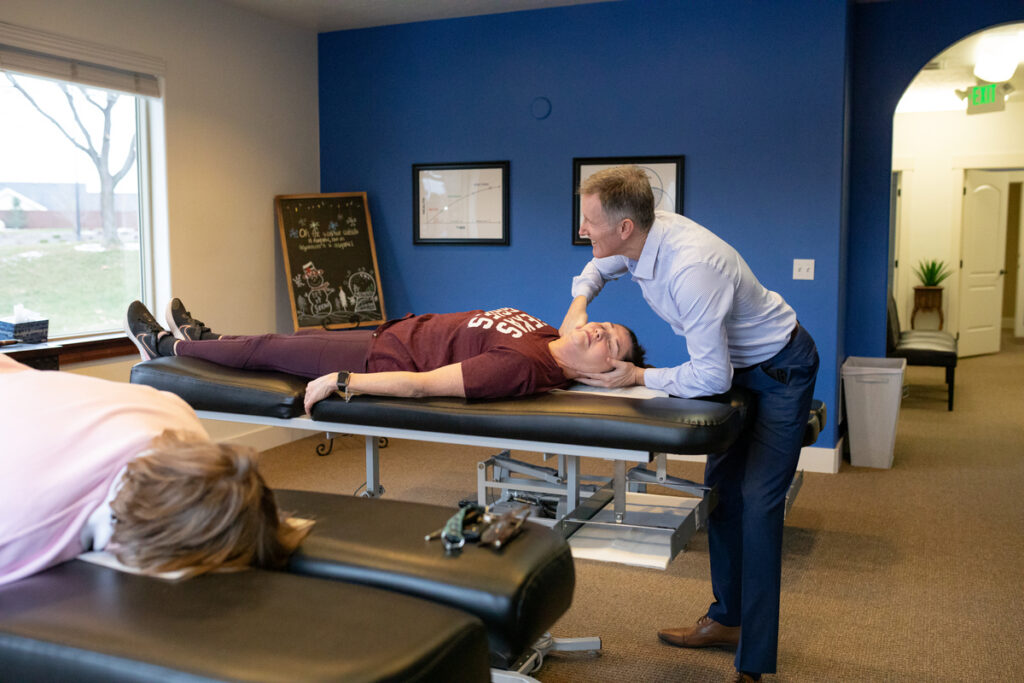

If you’re dealing with chronic low back pain, know that you’re not alone, and there’s hope for relief. At our chiropractic office, we believe in the power of natural healing and the importance of supporting your spine through specific workouts designed to ease tension and improve mobility. By focusing on low-impact activities and targeted exercises, you can take charge of your health and well-being.
So, what types of workouts should you consider? Here are some effective options that can help alleviate discomfort:
- Gentle Stretching: Incorporate stretches that target your lower back, hips, and hamstrings. Simple stretches can help improve flexibility and reduce tightness. Try the knee-to-chest stretch or the cat-cow stretch to relieve tension.
- Strengthening Exercises: Building strength in your core and back muscles is crucial for spinal support. Exercises like bridges, planks, and pelvic tilts can enhance your stability and help prevent future pain.
- Low-Impact Aerobic Activities: Activities such as walking, swimming, or cycling can improve circulation and promote healing without putting too much strain on your back. Aim for at least 30 minutes of low-impact exercise most days of the week.
- Yoga and Pilates: Both of these practices emphasize core strength, flexibility, and body awareness. Many people find that they help alleviate low back pain and improve overall posture.
- Posture Awareness: Pay attention to your posture throughout the day. Whether sitting at a desk or standing, maintaining proper alignment can prevent unnecessary strain on your back.
Remember, incorporating these workouts into your routine can significantly enhance your quality of life. However, it’s essential to listen to your body and consult with a chiropractor for personalized guidance. Chiropractic care not only addresses pain relief but also promotes overall wellness and optimal spinal health. By working together, we can develop a comprehensive plan that suits your unique needs and supports your journey toward a pain-free life. Take the first step toward a healthier, happier you today!
Key Takeaways
- Engage in low-impact activities such as walking, swimming, or cycling. These activities not only promote cardiovascular fitness but also reduce strain on your back, supporting your overall spinal health.
- Incorporate gentle stretching exercises into your routine. Simple stretches like the cat-cow stretch and knee-to-chest stretch can help relieve tension in your lower back, promoting natural healing and flexibility.
- Practice yoga poses that enhance spinal flexibility and relaxation, such as child’s pose and downward dog. These poses can help alleviate discomfort and improve your overall well-being.
- Consider adding Pilates to your exercise regimen. This method focuses on strengthening your deep abdominal and back muscles, which is essential for core stability and maintaining a healthy spine.
- Aim for at least 30 minutes of consistent exercise most days of the week. Gradually increasing the intensity of your workouts is key to preventing injury while supporting your body’s natural healing processes.
Remember, chiropractic care can be an excellent option for managing chronic low back pain. By addressing the root causes of your discomfort and promoting optimal spinal alignment, your chiropractor can guide you on your journey to better health and wellness. Always consult with your chiropractor before starting any new exercise program to ensure it’s right for you.
Understanding Chronic Low Back Pain
Chronic low back pain can be a frustrating and debilitating experience that impacts your daily life. Simple tasks, like bending to pick something up or sitting for long periods, may become increasingly challenging. This pain often arises from various factors, including poor posture, muscle imbalances, or previous injuries. Stress can also play a role, adding tension to your muscles and worsening discomfort.
Understanding the underlying causes of your pain is crucial for effective management. You might notice that certain activities make your discomfort worse, while others provide temporary relief. By identifying these patterns, you can avoid triggers and create a personalized approach to treatment.
Chiropractic care is a natural and effective way to address chronic low back pain. By focusing on spinal health, we can help restore proper alignment and function, which can lead to significant pain relief. Regular chiropractic adjustments can enhance your body’s ability to heal itself, promoting overall wellness.
Here are a few general tips to help manage your low back pain:
- Practice Good Posture: Pay attention to your posture when sitting, standing, or lifting. Keeping your spine aligned can reduce strain on your back.
- Stay Active: Gentle exercises and stretches can help strengthen your back muscles and improve flexibility. Consider activities like walking, swimming, or yoga.
- Mind Your Movement: When picking up objects, bend at the knees instead of the waist to protect your back.
- Manage Stress: Incorporate relaxation techniques such as deep breathing or meditation to reduce muscle tension caused by stress.
- Stay Hydrated: Drinking plenty of water supports overall health and can help keep your muscles and joints functioning properly.
The Importance of Exercise for Back Pain Relief
Regular exercise is vital for relieving back pain and enhancing spinal health. As a chiropractor, I can tell you that when you engage in consistent physical activity, you strengthen the muscles that support your spine. This not only reduces strain but also improves stability, which can lead to better posture and less discomfort. Plus, exercise increases blood flow, helping to heal tissues and decrease inflammation.
It’s important to choose activities that are appropriate for your fitness level and to avoid any movements that might worsen your pain. Low-impact exercises, such as walking or swimming, are great options and can be especially beneficial for those dealing with back pain. By integrating regular movement into your daily routine, you not only manage pain more effectively but also enhance your mood and energy levels.
Here are some helpful tips to consider:
- Start Slow: If you’re new to exercise, begin with short sessions and gradually increase the duration and intensity.
- Stay Consistent: Aim for regular activity throughout the week. Even a daily walk can make a significant difference.
- Listen to Your Body: Pay attention to how your body feels during and after exercise. If something doesn’t feel right, stop and consult a chiropractor for guidance.
- Focus on Core Strength: Strengthening your core muscles can provide better support for your spine. Consider exercises like planks or gentle yoga.
- Incorporate Flexibility: Stretching can alleviate tension in your back and improve your range of motion. Simple stretches can be done daily.
Remember, staying active is crucial for preventing stiffness and achieving long-term relief from back pain. By prioritizing exercise and considering chiropractic care, you’re taking powerful steps toward reclaiming your physical health and embracing a more active lifestyle.
Chiropractic adjustments can further enhance your progress by aligning your spine properly, allowing you to move freely and without pain. Let’s work together to help you achieve optimal health!
Stretching Exercises for Low Back Pain
Experiencing low back pain can make movement feel daunting, but incorporating gentle stretching exercises into your routine can be a game-changer for your flexibility and comfort. By targeting the muscles surrounding your lower back, these stretches help relieve tension and promote healthy blood flow, which is essential for healing.
Start with simple movements like the cat-cow stretch. This exercise not only encourages spinal flexibility but also helps improve your posture. Another effective stretch is the child’s pose, which gently opens up your lower back and hips, providing a soothing release. The knee-to-chest stretch is also great for relaxing your lower back and stretching out your glutes, which can often hold tension.
Aim to hold each stretch for about 20-30 seconds, and remember to focus on your breath—deep breathing can enhance relaxation and further ease discomfort. It’s important to listen to your body; don’t push yourself too hard. Regularly practicing these stretches can significantly alleviate your pain and improve your overall mobility.
In addition to these stretches, consider integrating chiropractic care into your wellness routine. Chiropractors specialize in spinal health and can provide tailored adjustments that can enhance your range of motion and reduce pain more effectively than other methods. Consistency is key; make stretching and chiropractic care a regular part of your daily life for the best results. Together, they can help you achieve a healthier, pain-free lifestyle.
Strengthening Workouts to Support the Back
Strengthening your back and core muscles is an essential part of achieving long-term relief from low back pain. By focusing on these areas, you can enhance your stability and provide better support for your spine. As a chiropractor, I want to share some effective strengthening workouts that can easily be included in your routine:
| Exercise | Sets | Reps |
|---|---|---|
| Plank | 3 | 30s |
| Bird-Dog | 3 | 10 |
| Glute Bridge | 3 | 12 |
These exercises specifically target your core, glutes, and lower back, helping you build a strong foundation. It’s always a good idea to start with lighter sets and gradually increase the intensity as your strength improves. Remember, maintaining proper form is crucial to prevent injury.
Consistency is vital! Aim to incorporate these workouts at least twice a week. As you progress, you’ll likely notice improvements in your back support and overall comfort.
In addition to these exercises, consider the following tips for a healthier back:
- Stay Active: Regular movement can help keep your spine flexible and strong.
- Practice Good Posture: Whether sitting or standing, maintaining good posture can alleviate undue stress on your back.
- Listen to Your Body: If something doesn’t feel right, don’t push through the pain. Consult with a chiropractor for guidance tailored to your needs.
Chiropractic care is a natural and effective way to support your efforts in strengthening your back. By focusing on spinal health and wellness, you can achieve optimal health without the need for surgeries or medications. Remember, your spine is the foundation of your overall well-being—taking care of it will pay off in the long run!
Low-Impact Aerobic Activities for Pain Management
Incorporating low-impact aerobic activities into your routine can significantly aid in managing chronic low back pain while also promoting overall wellness. These types of exercises enhance blood flow, boost flexibility, and strengthen your core, all without placing undue strain on your spine. Great options include swimming, cycling, and walking. These activities keep you active and support your back health.
Strive to engage in these exercises for at least 30 minutes on most days. It’s important to start at a comfortable pace and gradually increase your intensity as your body adjusts. Always listen to your body; if something doesn’t feel right, consider modifying your activity or taking a short break.
Joining a low-impact class or using a stationary bike can be excellent ways to stay motivated and accountable. Remember, the key to success is consistency. By making these low-impact aerobic activities a regular part of your life, you’ll not only manage your pain more effectively but also enhance your overall well-being.
Chiropractic care plays an essential role in supporting your journey towards optimal health. Regular chiropractic adjustments can improve your spinal alignment, reduce pain, and enhance your body’s natural healing processes. This integrated approach, combining low-impact exercise and chiropractic care, can lead to long-lasting relief and a healthier lifestyle.
Here are some general tips to keep in mind:
- Always warm up before exercising and cool down afterward to prevent injury.
- Incorporate stretching into your routine to maintain flexibility.
- Stay hydrated and nourish your body with healthy foods.
- Consider visiting your chiropractor to discuss personalized exercise recommendations and to ensure your spine is in optimal condition.
Yoga Poses to Alleviate Back Discomfort
Practicing yoga can be a wonderful complement to chiropractic care when it comes to alleviating back discomfort and enhancing flexibility. While chiropractic adjustments help align your spine and relieve pressure on nerves, certain yoga poses can further support your spinal health by targeting the muscles that stabilize your back.
For example, the Cat-Cow stretch is a gentle way to warm up your spine and promote flexibility. This movement encourages spinal mobility, making it an excellent addition to your routine. The Child’s Pose is another beneficial posture; it provides a deep stretch for your lower back, helping to ease tension and promote relaxation.
Downward Dog is particularly effective at lengthening your spine and strengthening the back muscles, which can enhance your chiropractic care. Additionally, the Sphinx Pose encourages gentle extension of your back, helping to alleviate stiffness.
As you practice these poses, remember to focus on your breath. This connection not only enhances your relaxation but also allows you to become more attuned to your body’s needs. Incorporating these yoga poses into your routine can lead to noticeable improvements in your back discomfort and overall well-being.
To maximize the benefits of your yoga practice alongside chiropractic care, try to set aside dedicated time each week to engage in these poses. Keeping your spine healthy through both chiropractic adjustments and mindful movement can pave the way for a more vibrant and pain-free life. Always consult with your chiropractor for personalized recommendations that align with your individual health goals.
Pilates for Core Stability and Back Health
When it comes to enhancing core stability and supporting back health, Pilates offers a valuable approach that complements chiropractic care by targeting the deep muscles of your abdomen and back. By focusing on controlled movements and breath, you can engage your core effectively. This not only promotes better alignment but also helps to reduce tension in your lower back, which is crucial for overall spinal health.
Incorporating exercises like the “Hundred,” “Roll-Up,” and “Single-Leg Stretch” can be incredibly beneficial in strengthening these essential muscles. As you practice these movements, you may notice improved balance, flexibility, and posture—all of which play a significant role in alleviating chronic low back pain.
Moreover, Pilates emphasizes the mind-body connection, encouraging you to listen to your body and move with purpose. This heightened awareness can help you identify any imbalances or weaknesses that may be contributing to discomfort.
As a chiropractor, I recommend integrating these exercises with regular chiropractic adjustments to optimize your spinal health and overall wellness. Here are a few general tips:
- Stay Consistent: Regular practice of these exercises, combined with chiropractic care, can lead to lasting improvements.
- Listen to Your Body: Pay attention to how you feel during exercises; if something doesn’t feel right, consult your chiropractor for guidance.
- Focus on Alignment: Ensure your movements are performed with proper alignment to maximize benefits and minimize strain.
- Integrate Breathing: Use your breath to enhance your movements, promoting relaxation and effective engagement of your core muscles.
Resistance Training for Back Support
When it comes to managing chronic low back pain, incorporating resistance training can be a transformative approach for your health and wellness. As a local chiropractor, I want to emphasize the importance of strengthening your core muscles. Not only does this boost your back support, but it also helps improve your posture awareness, which is key for overall spinal health.
By integrating resistance training exercises into your routine, you can experience significant improvements in your stability and comfort. Simple exercises like planks, bridges, and gentle back extensions can make a world of difference. Remember, it’s essential to listen to your body and start slow.
In addition to resistance training, I encourage you to consider regular chiropractic care. Chiropractic adjustments can help ensure your spine is aligned and functioning optimally, which complements your efforts in strengthening your back. This holistic approach fosters natural healing and promotes a healthier lifestyle without the need for surgeries or medications.
For practical tips, try to set aside a few minutes each day for these exercises. Pay attention to your posture while sitting and standing, and consider using ergonomic furniture to support your back. And don’t forget, a consistent chiropractic routine can enhance your progress, setting you on the path to achieving optimal health and pain relief. Your journey to a stronger back starts here!
Strengthening Core Muscles
Strengthening your core muscles is a fantastic way to support your spine and alleviate chronic low back pain. A strong core acts as a natural stabilizer for your spine, reducing strain and enhancing your overall functionality. While chiropractic care is essential for maintaining spinal health, incorporating core-strengthening exercises into your routine can complement your treatment and promote natural healing.
Here are some effective exercises that you can easily integrate into your daily routine to strengthen your core:
| Exercise | Description |
|---|---|
| Plank | Hold a push-up position on your elbows, engaging your core to maintain stability. |
| Bridge | Lie on your back with your knees bent, then lift your hips towards the ceiling, squeezing your glutes. |
| Deadlift | While keeping your back straight, lift weights from the ground, focusing on engaging your core. |
| Side Plank | Lie on your side and support yourself on one elbow, lifting your hips off the ground to engage your obliques. |
| Bird Dog | On all fours, extend your opposite arm and leg while keeping your core tight to maintain balance. |
Remember, it’s crucial to focus on proper form during these exercises to prevent injury. Start with body weight and gradually increase the resistance as you build strength. If you’re unsure about your form or how to start, don’t hesitate to consult your chiropractor for guidance. They can provide personalized recommendations based on your specific needs and help you on your journey to optimal health.
In addition to these exercises, consider incorporating daily habits that support your core and overall wellness. Maintain good posture when sitting or standing, stay hydrated, and ensure you’re getting enough rest. By combining chiropractic care with these core-strengthening exercises, you can pave the way for a healthier, pain-free life.
Improving Posture Awareness
Improving posture awareness is vital for reducing chronic low back pain and enhancing overall stability, and as a chiropractor, I want to emphasize how important it’s to maintain good posture for your health. By focusing on your alignment during daily activities, you can help prevent unnecessary strain on your back.
Start by incorporating simple exercises into your routine that strengthen your back and core muscles. You don’t need to be a gym expert—effective exercises like rows, planks, and bridges can easily be done at home and promote better posture over time.
When you’re sitting, standing, or lifting, pay close attention to your body mechanics. Visualize a string gently pulling you upward from the top of your head, which helps keep your spine elongated and aligned. You might also want to invest in ergonomic furniture that supports a healthy posture while you work or relax.
Throughout your day, remember to check in with yourself regularly. Small adjustments, like sitting up straighter or shifting your weight, can lead to significant improvements in how you feel. With practice, good posture will become second nature, reducing pain and improving your stability.
Chiropractic care is an excellent way to help you achieve and maintain optimal posture. Regular adjustments can correct misalignments in your spine, improving your overall posture and relieving tension. Incorporating chiropractic visits into your wellness routine can be a powerful step toward a healthier, pain-free life. Remember, your body is designed to move freely and comfortably—let’s keep it that way!
Tips for Creating a Back-Friendly Workout Routine
Creating a workout routine that’s friendly to your back is essential for maintaining overall health and wellness. As a chiropractor, I believe that a strong, flexible spine is the foundation of a healthy body.
Here are some straightforward tips to help you design a back-friendly workout that promotes natural healing and pain relief:
- Prioritize Core Strength: Focus on exercises that strengthen your abdominal and back muscles, such as planks and bridges. A strong core supports your spine and helps prevent injuries.
- Choose Low-Impact Activities: Engage in low-impact exercises like swimming, cycling, or walking. These activities minimize strain on your back while keeping you active and healthy.
- Incorporate Gentle Stretching: Regular stretching is vital for enhancing flexibility and relieving tension. Simple stretches like the cat-cow stretch or child’s pose can help keep your spine limber and comfortable.
- Tune into Your Body: Always listen to what your body is telling you. If something doesn’t feel right, don’t push through the pain. Adjust your routine based on your comfort level.
- Warm Up and Cool Down: Start each session with a warm-up to prepare your muscles and finish with a cool-down. This practice can help prevent injuries and promote recovery.
By integrating these tips into your routine, you can create a safe and effective workout that supports your back health. Remember, chiropractic care is an excellent complement to your fitness journey, helping to align your spine and enhance your overall well-being.
If you experience any discomfort or need guidance, consider visiting a chiropractor to ensure you’re on the right track to optimal health.
When to Consult a Professional for Back Pain
Recognizing when to consult a chiropractor for back pain is crucial for your overall health and recovery.
If your back pain lingers for more than a few weeks, it’s a good idea to seek professional help. Don’t overlook symptoms such as numbness, tingling, or weakness in your legs; these could suggest an underlying issue that needs attention. If your pain intensifies with movement or you find yourself in significant discomfort after an injury, reaching out to a chiropractor can be beneficial.
It’s also advisable to consult a chiropractor if your pain is affecting your daily activities, sleep, or work life. Early chiropractic intervention can help prevent further complications and support a quicker return to your normal routine. Remember, you don’t have to endure pain alone. A chiropractor can offer customized advice, natural treatment options, and ongoing support, guiding you on a path to effective recovery.
Additionally, here are some general tips for managing back pain at home:
- Maintain Good Posture: Be mindful of how you sit, stand, and lift objects to minimize strain on your back.
- Stay Active: Engage in gentle exercises, like walking or stretching, to keep your back muscles strong and flexible.
- Use Heat or Ice: Applying a heating pad or an ice pack can provide temporary relief from pain and inflammation.
- Focus on Nutrition: Eating a balanced diet with plenty of vitamins and minerals can support your overall health and healing process.
- Stay Hydrated: Drinking enough water helps maintain the health of your spinal discs.
Prioritize your well-being by considering chiropractic care as a natural and effective solution for pain relief and overall wellness.
Don’t hesitate to reach out for help when you need it!
Conclusion
Incorporating specific workouts into your routine can significantly help in managing chronic low back pain. As a chiropractor, I emphasize the importance of low-impact aerobic activities, core strengthening, and flexibility exercises to support your spine and reduce discomfort.
Start with gentle movements like walking, swimming, or cycling to get your blood flowing without putting too much strain on your back. Strengthening your core muscles is vital; try exercises like pelvic tilts or modified planks to build stability. Additionally, stretching exercises such as hamstring stretches and cat-cow poses can enhance your flexibility and help alleviate tension.
Always remember to start slowly and pay attention to how your body feels during these activities. If you experience any pain beyond normal discomfort, it’s crucial to listen to your body and adjust accordingly.
While these workouts can be beneficial, don’t forget the importance of regular chiropractic care. Chiropractic adjustments can help align your spine, relieve pressure on nerves, and promote overall wellness. If your pain persists or worsens, consulting with a chiropractor can provide you with personalized guidance and treatment options tailored to your needs.
With the right combination of exercise and chiropractic care, you can take control of your back health and improve your quality of life naturally. Empower yourself to live pain-free and embrace a healthier lifestyle!