
As a local chiropractor, I understand that if you're experiencing back pain, it can be challenging to navigate the options available for relief. It's important to grasp why certain techniques, like chiropractic care and core strengthening exercises, are effective in promoting recovery. Chiropractic care does more than just alleviate physical symptoms; it also addresses underlying issues that may contribute to your discomfort, such as poor posture or spinal misalignments.
Moreover, core strengthening exercises play a crucial role in supporting your spine and improving overall stability, which can help prevent future pain. It's also worth noting that stress often exacerbates pain, and incorporating mindfulness practices into your routine can be beneficial for managing this stress.
In essence, the effectiveness of these techniques lies in their holistic approach. By understanding how these methods work together, you can create a comprehensive treatment plan that not only targets your back pain but also enhances your overall well-being. If you have any questions or would like to learn more about how chiropractic care can help you, feel free to reach out!
Understanding Back Pain
As a local chiropractor, I want to help you understand back pain and its underlying causes. It's crucial to recognize that back pain can arise from many different factors, and pinpointing the root cause is the first step toward effective relief.
One common issue is muscle strain, which can occur after lifting heavy objects or twisting your body in an awkward way. This type of pain often presents as a dull ache or sharp discomfort in the lower back.
Another frequent contributor to back pain is poor posture. If you find yourself sitting for long periods at a desk or slouching on the couch, your spine may be suffering. Over time, this misalignment can lead to chronic pain.
It's also important to be aware of conditions like herniated discs or arthritis, which can exacerbate discomfort. These conditions may cause pain that radiates down your legs or results in stiffness.
Moreover, emotional stress can significantly impact back pain. When you're stressed, your muscles tend to tense up, which can lead to pain and discomfort. Understanding the connection between your emotional and physical health is essential in managing your pain effectively.
Lastly, lifestyle choices such as inactivity or obesity can worsen back pain. A sedentary lifestyle can weaken the core muscles that support your spine.
Physical Therapy Benefits
As a local chiropractor, I want to share the incredible benefits of chiropractic care and how it can aid in your recovery.
Our approach involves developing personalized treatment plans that cater to your unique needs, enhancing the effectiveness of your recovery process.
By emphasizing the importance of strengthening your core muscles, we can help improve your stability and significantly lower the chances of experiencing future discomfort.
With our expert guidance, you can take charge of your back health and boost your overall well-being through natural healing methods.
Personalized Treatment Plans
While many treatments for back pain may provide only temporary relief, chiropractic care offers a holistic approach that addresses the root causes of your discomfort. When you visit a chiropractor, we conduct a thorough evaluation of your specific condition and develop a personalized treatment plan tailored to your unique needs. This individualized strategy ensures that we're not just masking the pain, but actively working to correct the underlying issues affecting your health.
In our sessions, you'll engage in a variety of techniques aimed at improving your spinal alignment, flexibility, and overall body function, which are essential for long-term relief. I'll closely monitor your progress and adjust your plan as needed, ensuring that you're appropriately challenged without feeling overwhelmed. This ongoing support fosters a sense of accountability, motivating you to remain committed to your healing journey.
Additionally, personalized chiropractic care often includes education on proper body mechanics and ergonomic practices. This empowers you to make informed choices in your daily activities, helping you understand how to move safely and effectively to reduce the risk of future injuries.
Ultimately, a customized chiropractic treatment plan not only alleviates your immediate pain but also equips you with the knowledge and tools necessary for lasting health and well-being.
Strengthening Core Muscles
As your local chiropractor, I want to emphasize the importance of strengthening your core muscles as part of a holistic approach to alleviating back pain. Many people think core strength is just about having visible abs, but it actually encompasses a network of muscles in your back, hips, and pelvis.
When these muscles are strong, they act as a natural support system for your spine, helping to minimize strain and discomfort. You might be surprised to learn that a weak core can significantly contribute to back pain. When your core lacks strength, other muscles have to step in to do the work, which can create imbalances and lead to injury over time.
By focusing on targeted exercises, you can enhance your stability and improve your posture—both of which are crucial for long-term relief from back pain. I recommend incorporating exercises such as planks, bridges, and pelvic tilts into your routine. These movements engage multiple muscle groups simultaneously, promoting overall core strength.
As you build this strength, you may also notice improvements in your balance and mobility, making everyday activities much easier. Working with me or another qualified chiropractor can help you develop a personalized plan tailored to your specific needs.
We can guide you through safe and effective exercises to strengthen your core and support your overall health journey. Strengthening your core isn't just an exercise choice—it's a powerful step towards effectively managing and preventing back pain naturally.
Chiropractic Adjustments Explained
As a local chiropractor, I want to help you understand how chiropractic adjustments can be a valuable part of managing your back pain. These adjustments involve precise manual manipulation of the spine and joints, aimed at restoring proper alignment and function. When your spine is out of alignment, it can lead to discomfort, stiffness, and decreased mobility. By choosing to visit a chiropractor, you're taking an important step towards finding relief from these issues.
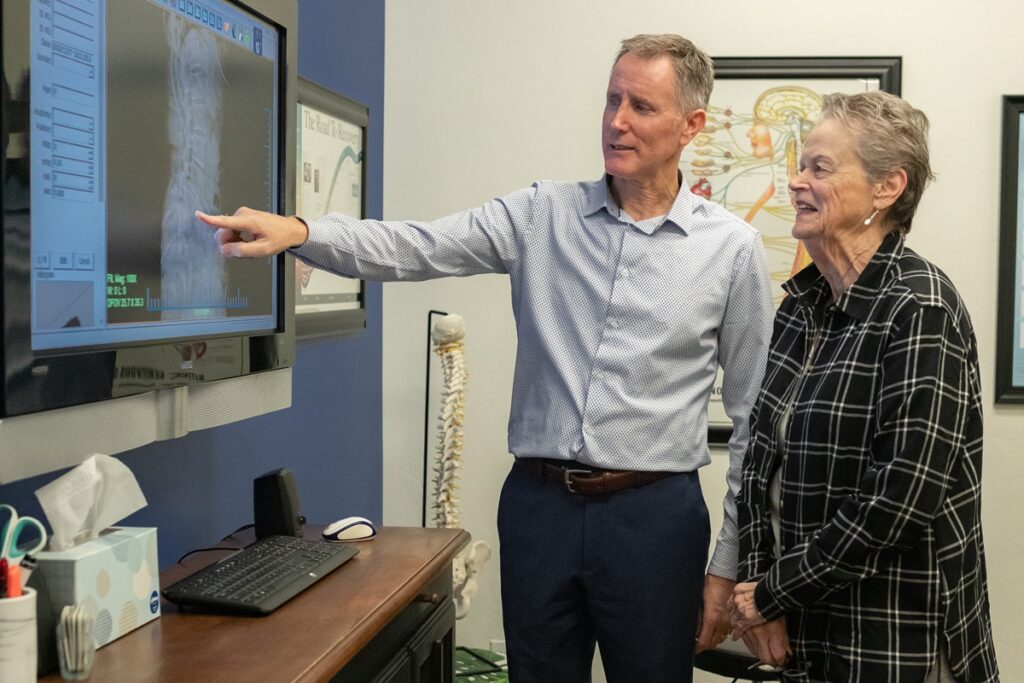
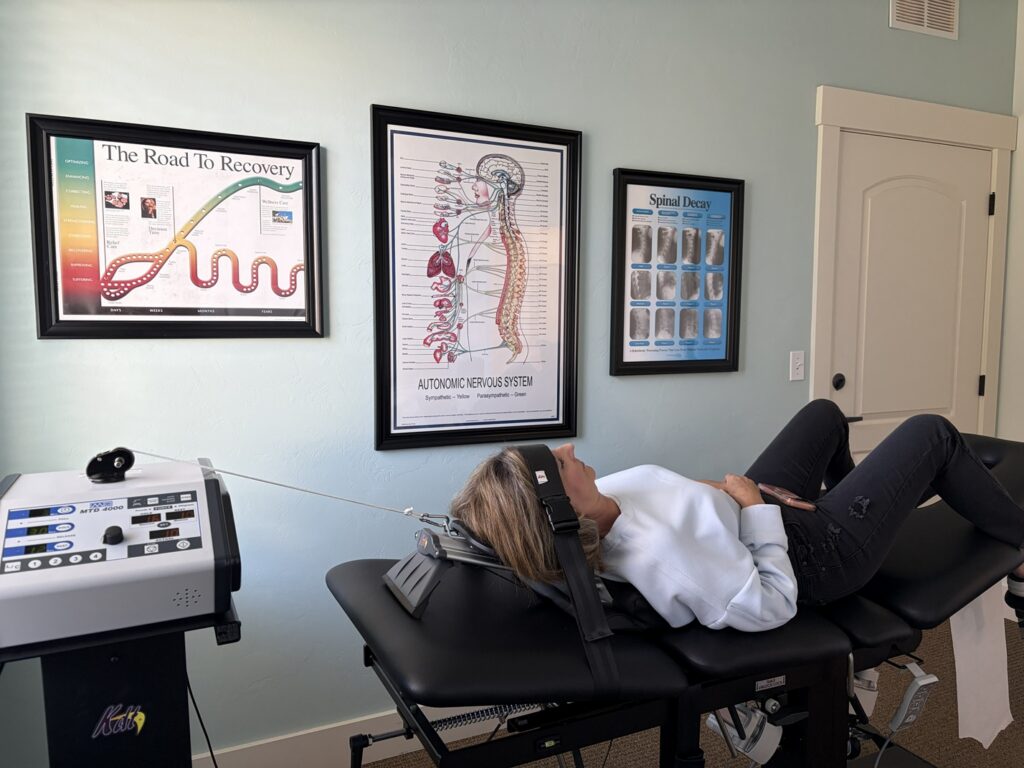
During your first visit, I'll conduct a comprehensive assessment that includes a physical examination and possibly some imaging studies. This process allows me to pinpoint the specific areas of misalignment or dysfunction in your body. Once we identify these problem areas, I'll use my hands or specialized tools to apply controlled force to the affected joints. The goal is to realign your spine, reduce inflammation, and enhance nerve function.
You may experience immediate relief after an adjustment, but it's important to keep in mind that achieving long-term benefits often involves multiple sessions. Regular chiropractic adjustments can help maintain your spinal alignment, prevent future injuries, and improve your overall health. Many of my patients have reported increased mobility, reduced pain, and a better quality of life as they continue with consistent chiropractic care.
Moreover, chiropractic adjustments can work hand-in-hand with other treatment methods, like physical therapy or exercise. By integrating these adjustments into your back pain management plan, you're not just masking symptoms; you're actively addressing the underlying causes of your discomfort.
This holistic approach can lead to lasting improvements in your back health and overall function. I'm here to support you on your journey to better health!
Role of Mindfulness
As your local chiropractor, I want to share how mindfulness can significantly aid in managing back pain. By enhancing your awareness of your physical sensations, mindfulness allows you to tune into your body and recognize how it feels in the present moment.
This heightened awareness can help diminish your body's stress response, leading to a natural state of relaxation.
Incorporating mindfulness techniques into your routine not only assists in coping with pain but also empowers you to take an active role in your own healing process.
By focusing on the present, you can learn to navigate discomfort more effectively and foster a greater sense of well-being.
Embracing mindfulness is a valuable addition to your chiropractic care and overall health journey.
Enhancing Pain Awareness
As a local chiropractor, I want to share how enhancing your pain awareness through mindfulness can significantly impact your experience with back pain. Many people overlook the power of being present in the moment, but by doing so, you can gain a better understanding of your pain and what triggers it. This heightened awareness enables you to observe your body without judgment, allowing you to distinguish between physical sensations and emotional responses.
When you incorporate mindfulness practices into your routine, you learn to acknowledge your pain without letting it dominate your life. You may begin to notice patterns, such as how your pain changes throughout the day or which activities tend to worsen it. This valuable insight empowers you to make informed decisions about your movements and daily habits. Instead of reacting impulsively to discomfort, you can respond thoughtfully and with intention.
Techniques such as body scans and mindful breathing can help you develop a non-reactive awareness. As you shift your perspective in this way, you might find that the intensity of your pain diminishes. By viewing pain as a temporary sensation rather than an enduring condition, you create opportunities for healing and recovery.
Ultimately, enhancing your pain awareness through mindfulness can build resilience, allowing you to manage your back pain more effectively and improve your overall quality of life. As your chiropractor, I encourage you to explore these techniques alongside your treatment plan for a holistic approach to your well-being.
Reducing Stress Response
As a local chiropractor, I often see how stress can significantly worsen back pain for many of my patients. That's why it's crucial to explore effective ways to manage stress as part of your overall treatment plan. One highly beneficial method is mindfulness, which encourages you to become aware of your thoughts and feelings without passing judgment.
Practicing mindfulness allows you to identify stress triggers and understand their effects on your body, especially on your back. When you engage in mindfulness, you learn to concentrate on the present moment, rather than dwelling on past worries or future anxieties. This shift can lead to a reduction in both anxiety and muscle tension, providing relief to your back.
There are various mindfulness techniques that can be easily incorporated into your daily life. For example, deep breathing exercises, body scans, or simply taking a moment to notice your environment can help you cultivate this awareness. You don't need to set aside large blocks of time; even short moments of mindfulness—like a few deep breaths or appreciating the world around you—can be quite impactful.
As you become more mindful, you may find that your stress response decreases, which can also lead to a reduction in your perception of pain. This is a vital aspect of healing that I emphasize in my practice.
Embracing mindfulness not only addresses the physical elements of back pain but also equips you with tools to manage the emotional challenges that often accompany it.
Promoting Relaxation Techniques
As a local chiropractor, I want to share some effective ways to promote relaxation, which can significantly enhance your overall well-being, especially if you're experiencing back pain. One powerful technique I recommend is mindfulness. This practice encourages you to focus on the present moment, helping to reduce stress and tension in your body. By engaging in mindfulness, you can train your mind to observe your thoughts and sensations without judgment, allowing you to acknowledge your pain without letting it dictate your life.
Incorporating mindfulness into your daily routine is quite simple and can be immensely beneficial. Begin with a few minutes of deep breathing, paying attention to each inhale and exhale. This practice can calm your nervous system and help shift your focus away from discomfort. You might also consider trying guided meditation or yoga, both of which not only promote relaxation but also enhance flexibility and strength.
Furthermore, maintaining a positive mindset can further aid your healing journey. Visualization techniques can be particularly helpful; imagine your body free from pain, which can instill a sense of control and empowerment over your condition.
It's important to remember that the mind and body are closely connected. By nurturing your mental health, you can create a significant positive impact on your physical well-being. By embracing mindfulness, you can cultivate a more relaxed state, alleviating your back pain and reducing overall stress levels.
If you have any questions or would like to discuss these techniques further, feel free to reach out during your next visit.
Exercise for Back Health
As a local chiropractor, I want to emphasize the crucial role that regular exercise plays in maintaining back health and preventing pain. Strengthening the muscles that support your spine is vital for improving your posture, flexibility, and overall mobility. By integrating both strength training and stretching into your routine, you can make a significant impact on how your back feels.
I encourage you to focus on core exercises, such as planks and bridges, as these specifically target the abdominal and back muscles. A strong core is essential for stabilizing your spine and reducing the risk of injury. Additionally, don't overlook lower back exercises like bird-dogs or pelvic tilts, which help build strength in that critical area.
Stretching is equally important; it aids in maintaining flexibility and preventing tightness that can lead to discomfort. Simple stretches, such as hamstring or hip flexor stretches, can effectively relieve tension.
Aim for at least 150 minutes of moderate aerobic activity each week. Engaging in activities like walking, swimming, or cycling can enhance blood flow to your back, promoting healing and alleviating stiffness. It's essential to listen to your body; if any movement causes pain, I recommend modifying it or seeking professional guidance to ensure you're exercising safely.
Consistency is key in this journey toward better back health. Establishing a routine that incorporates these exercises can lead to noticeable improvements over time.
Never underestimate the power of movement; it can be your best ally in preventing back pain and enhancing your quality of life. So, let's prioritize your back health together and start moving toward a healthier future today!
Integrative Approaches to Relief
As a local chiropractor, I often see many patients who are unaware of the significant benefits that integrative approaches can provide when it comes to relieving back pain. These methods blend traditional chiropractic care with complementary therapies, offering a more comprehensive way to tackle your discomfort. By exploring a range of options, we can work together to address the underlying causes of your pain, rather than merely masking the symptoms.
One effective strategy I recommend is the combination of chiropractic adjustments with acupuncture. While chiropractic care focuses on aligning your spine and improving your overall function, acupuncture can help alleviate pain by stimulating specific points throughout your body. This combined approach not only supports your physical recovery but also fosters a sense of relaxation, which is vital for your overall health and well-being.
Incorporating mind-body practices like yoga and meditation into your routine is also crucial for managing back pain. Yoga can enhance your flexibility and posture, which in turn reduces strain on your back. Meditation, on the other hand, can equip you with better coping mechanisms to handle pain and stress, allowing you to approach your healing journey with a positive mindset.
Moreover, don't underestimate the role of nutrition in your recovery. A diet rich in anti-inflammatory foods—such as fruits, vegetables, and whole grains—can significantly aid in reducing pain and promoting healing. Staying properly hydrated is equally important, as it supports muscle function and recovery.
As your chiropractor, I encourage you to consider these integrative approaches to back pain relief. Together, we can create a personalized plan that not only addresses your immediate discomfort but also fosters long-term health and wellness.
Conclusion
As a local chiropractor, I want to share how incorporating various techniques into your daily routine can significantly alleviate your back pain. It's essential to understand both the physical and psychological aspects of your discomfort. Chiropractic adjustments help realign your spine and improve your body's function, while core strengthening exercises support your back by building up the muscles that keep you stable.
Additionally, mindfulness practices such as meditation or deep breathing can reduce stress, which often exacerbates pain. Together, these methods not only target your back pain but also enhance your overall well-being.
I encourage you to consider an integrative approach to your health—combining therapies like yoga and acupuncture with chiropractic care can lead to lasting relief. Taking charge of your health is within your reach, and I'm here to help you explore these effective strategies for a pain-free life.