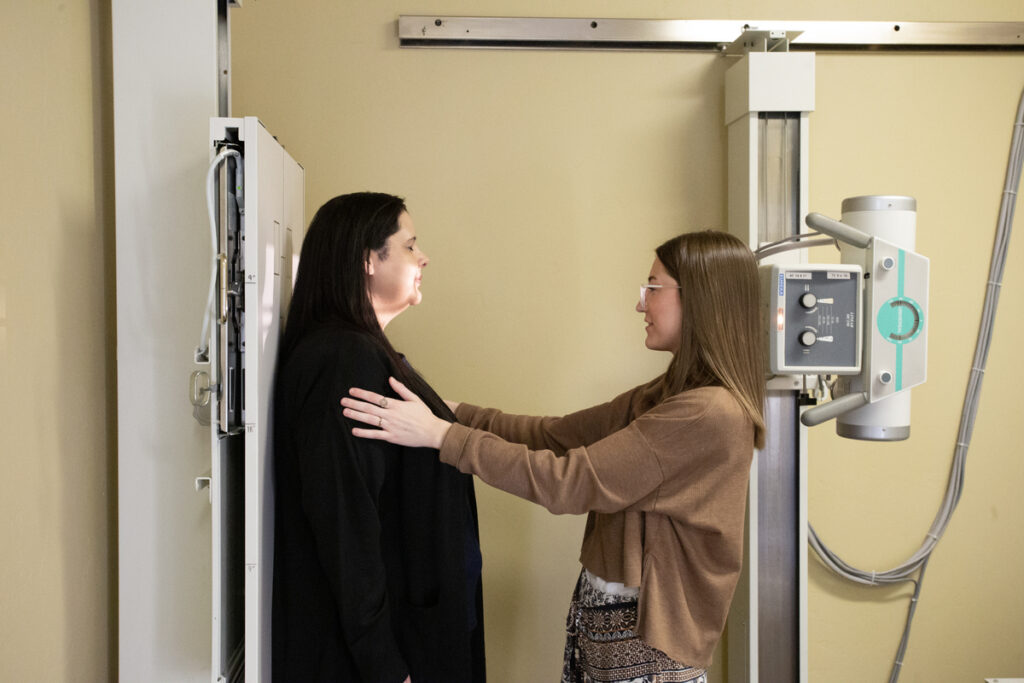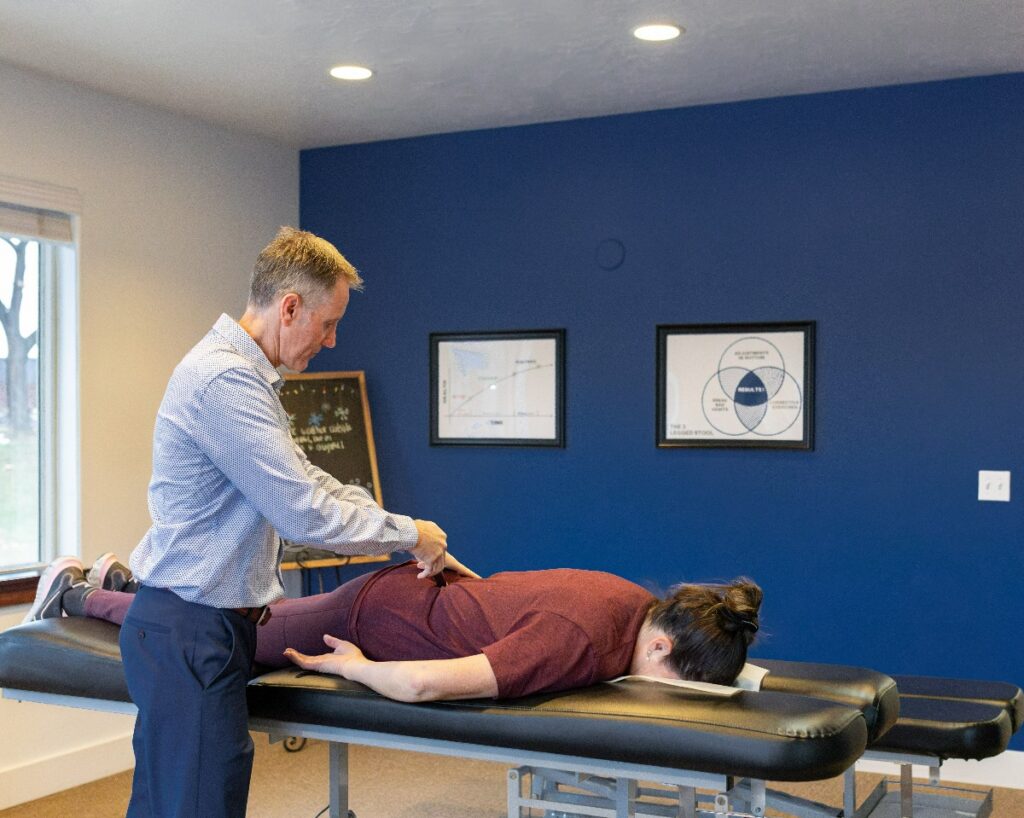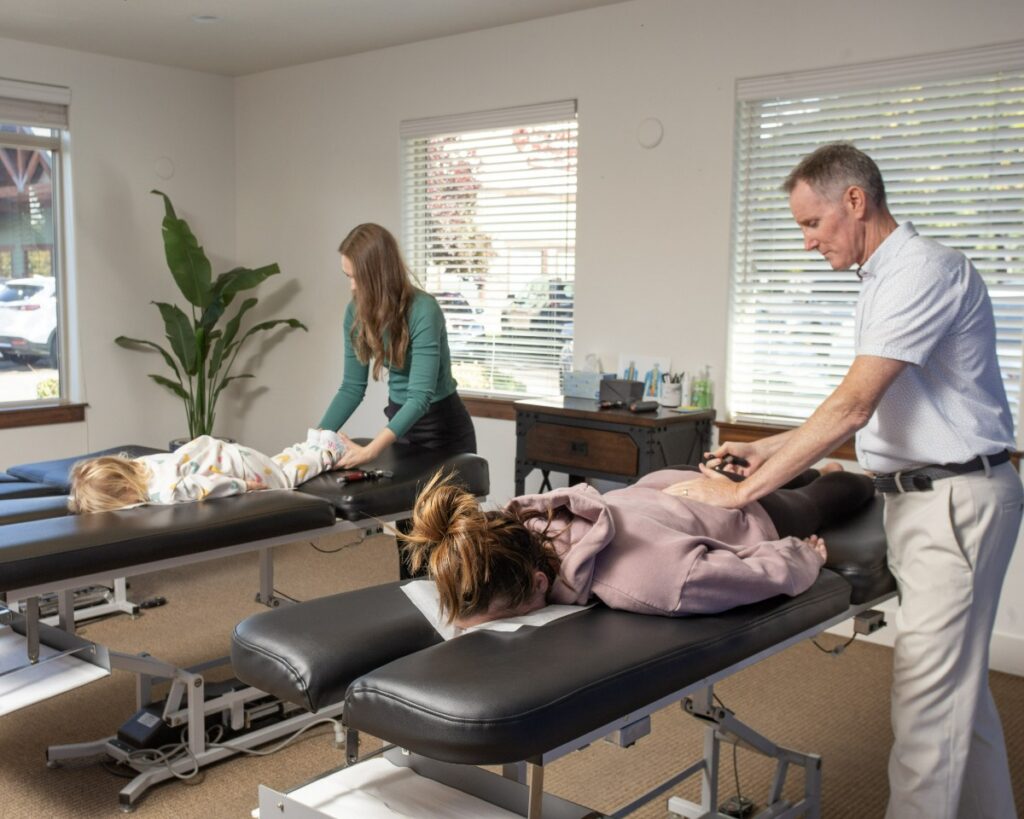

When dealing with a sports injury, considering chiropractic therapy can significantly enhance your recovery journey. Unlike traditional methods that may solely focus on the physical symptoms, chiropractic care also addresses the mental and emotional challenges that can arise during rehabilitation. By employing a variety of natural healing techniques, we can create a personalized treatment plan that aligns with your individual needs and goals. This comprehensive approach not only supports your healing process but also improves your overall athletic performance and mental resilience. So, what specific advantages can chiropractic therapy bring during this pivotal phase? You may be pleasantly surprised by the benefits that await you.
Benefits of Therapy
When it comes to recovering from a sports injury, chiropractic care offers a unique blend of physical and mental benefits that many may not be aware of. As a local chiropractor, I want to emphasize how our approach can significantly enhance your healing journey. Through targeted chiropractic adjustments and therapies, we not only address the injury itself but also work to improve your overall strength, flexibility, and balance.
This proactive strategy not only aids in your current recovery but also helps prevent future injuries, allowing you to return to your sport with renewed confidence.
The mental benefits of chiropractic care are just as impactful. Dealing with an injury can be disheartening, often leading to frustration or anxiety about getting back into your routine. Our chiropractic sessions provide a supportive environment where you can openly discuss these feelings.
I'll work with you to develop coping strategies that help you remain focused and motivated throughout the recovery process. By addressing your challenges together, we can foster resilience and cultivate a positive mindset.
Additionally, regular chiropractic visits allow us to set realistic goals for your recovery. This structured approach keeps you accountable and enables you to track your progress, which can significantly boost your morale.
Types of Therapeutic Approaches
When you're on the road to recovery from a sports injury, it's crucial to understand the various therapeutic approaches available to you. As a local chiropractor, I want to introduce you to the benefits of chiropractic care as part of your healing journey.
Chiropractic therapy focuses on restoring proper alignment and function to your spine and joints, which can significantly aid in your recovery process.
In addition to chiropractic adjustments, we also consider the importance of holistic healing methods, including exercise rehabilitation and nutritional support, which can enhance your overall well-being.
Psychological support is another vital aspect, as mental resilience plays a key role in recovering your strength and confidence.
By integrating chiropractic care with these other therapeutic strategies, we can create a comprehensive recovery plan tailored to your specific needs, helping you bounce back stronger and healthier.
Physical Therapy Techniques
As a local chiropractor, I want to share how chiropractic care and natural healing techniques can significantly aid in your recovery from sports injuries. These approaches focus on restoring your body's natural alignment and function, which is crucial for regaining strength and mobility.
One fundamental technique we utilize is spinal manipulation, where I use precise hands-on adjustments to realign your spine and joints. This not only enhances circulation but also alleviates pain and discomfort, promoting a more efficient healing process.
In conjunction with adjustments, we incorporate therapeutic exercises tailored to your specific needs. These exercises are designed to improve strength, flexibility, and coordination, ensuring that you regain full function and reduce the risk of future injuries.
We also utilize various modalities such as ultrasound and electrical stimulation, which can be beneficial in reducing pain and inflammation. These techniques work synergistically to accelerate your recovery and enhance your overall well-being.
Aquatic therapy is another effective method we may recommend. Performing exercises in water reduces strain on your joints while providing resistance, making it an excellent option for those experiencing severe pain or limited mobility.
Additionally, we emphasize the importance of balance and coordination training. This helps you rebuild stability and confidence in your movements, crucial for a successful return to your favorite sports.
Psychological Support Strategies
As a local chiropractor, I want to emphasize that injury recovery goes beyond just physical healing; it's vital to consider the psychological aspects of your recovery journey as well. Incorporating psychological support strategies can significantly improve your overall healing experience.
One effective method is cognitive-behavioral therapy (CBT), which can help you recognize and challenge any negative thoughts you may have about your injury and the rehabilitation process. By shifting your mindset, you can boost your resilience and stay motivated throughout your recovery.
Mindfulness-based therapy is another beneficial approach. This technique encourages you to stay focused on the present moment, which can help alleviate anxiety and stress related to your injury. Practicing methods like meditation and deep breathing can help ground you and make it easier to manage emotional hurdles you might face during your healing process.
Additionally, support groups can play a crucial role in your recovery. Connecting with others who share similar experiences can offer comfort and validation.
Collaborating with a sports psychologist can also be beneficial, as they can help you develop vital mental skills such as visualization and goal-setting, which are essential for maintaining your competitive spirit.
By integrating these psychological strategies into your recovery plan alongside chiropractic care, you can foster a more holistic healing journey. This comprehensive approach can empower you to emerge stronger, both physically and mentally.
Rehabilitation and Recovery Methods
As a local chiropractor, I want to share how rehabilitation and recovery methods can play a vital role in helping you bounce back from sports injuries. Many individuals may not be familiar with chiropractic care and its natural healing approaches, so let me explain how these can enhance your recovery and overall performance.
One key aspect of chiropractic care is the use of physical therapy techniques. I work closely with my patients to create customized exercise programs aimed at restoring strength, flexibility, and coordination. This personalized approach ensures that we target your specific needs and goals.
Manual therapy is another effective method I utilize, which involves hands-on techniques to relieve pain and improve your range of motion. This can include gentle spinal adjustments, soft tissue manipulation, and myofascial release, all designed to promote healing and mobility.
In addition to these hands-on techniques, we often incorporate therapeutic modalities such as ultrasound and electrical stimulation. These methods can help reduce swelling and encourage tissue healing, making a significant difference in your recovery timeline.
I also emphasize the importance of functional exercises tailored to your sport. This ensures that you not only heal but also regain the skills necessary for competition. Hydrotherapy can be a beneficial addition to your recovery plan, as it allows you to exercise in water, reducing strain on your body while still promoting strength and flexibility.
Finally, I encourage my patients to work on their mental resilience through techniques like visualization and mindfulness. Focusing on your mental game can be just as important as physical recovery, and combining these strategies creates a comprehensive plan for your rehabilitation.
Your dedication to these chiropractic methods can significantly impact your recovery journey, helping you heal effectively and return to the sport you love even stronger than before. Remember, I'm here to guide you every step of the way on your path to recovery.
Role of Physical Therapy
Understanding the importance of recovery from sports injuries is crucial, and as a local chiropractor, I want to shed light on how chiropractic care can play a significant role in your healing process. My goal is to help you regain strength, flexibility, and overall function naturally.
Here's how chiropractic care can benefit you:
- Holistic Assessment and Treatment Plans: As a chiropractor, I conduct a thorough assessment of your injury and develop a personalized treatment plan tailored to your specific needs. This plan takes into account your sport, fitness level, and recovery goals, ensuring a comprehensive approach to your healing.
- Natural Pain Relief Techniques: I utilize a variety of natural methods, including spinal adjustments and soft tissue therapy, to alleviate pain and promote healing. By addressing the root cause of your discomfort, you can focus on recovery without being hindered by persistent pain.
- Rehabilitation and Strengthening Exercises: I'll guide you through specific exercises aimed at rebuilding strength and improving flexibility in the affected area. This not only accelerates your recovery but also equips you with the tools to prevent future injuries.
- Education and Injury Prevention: Beyond just treatment, I strive to educate you on proper biomechanics and movement patterns to avoid re-injury. Together, we can modify your training regimen to support long-term health and performance.
Integrating chiropractic care into your recovery journey is vital for achieving optimal results. By leveraging my expertise in natural healing, you'll be better prepared to return to your sport stronger and more resilient.
Importance of Sports Psychology
As a local chiropractor, I want to emphasize the importance of the mental aspect in your recovery from injuries, especially in the context of sports. When you sustain an injury, it's not just your body that requires healing; your mind plays an equally critical role in the recovery process. Understanding this interplay is essential for a holistic approach to healing.
Injuries can often lead to feelings of frustration, anxiety, or even fear about getting back to your favorite activities. These emotional responses, if not addressed, can impede your recovery. This is where the principles of sports psychology come into play. By incorporating psychological strategies into your recovery plan, you can learn to navigate these emotional challenges more effectively.
Working with a sports psychologist or utilizing mental techniques can empower you to set realistic goals and foster a positive mindset, which are crucial for a successful recovery. It's about creating a balanced approach—addressing both the physical adjustments through chiropractic care and the mental resilience needed for healing.
One effective method used in sports psychology is visualization. This technique allows you to mentally rehearse your movements and skills, which can reinforce the neural pathways in your brain while your body is healing. It's a powerful way to maintain motivation and commitment throughout the rehabilitation process.
Furthermore, you'll develop valuable skills to manage stress and maintain focus, whether during your chiropractic sessions or in your everyday life.
Enhancing Performance Through Therapy
As a local chiropractor, I want to share how chiropractic care can significantly enhance your athletic performance beyond just aiding in injury recovery. By focusing on both the physical alignment of your body and the mental aspects of your game, chiropractic therapy can help you unlock new levels of performance. You may find it enlightening to see how chiropractic care can elevate your abilities.
Here are four key ways chiropractic therapy can boost your performance:
- Enhanced Mobility: Chiropractic care emphasizes spinal alignment and joint function, which improves your flexibility and range of motion. This leads to more fluid movement during competition, resulting in better agility and faster reaction times.
- Strength Development: By addressing misalignments and ensuring your body functions optimally, chiropractic therapy can help you build strength in specific muscle groups. This enables you to generate greater power and stamina in your athletic endeavors.
- Mental Clarity and Resilience: Chiropractic care isn't solely focused on the physical body. It also helps alleviate stress and tension, fostering mental clarity and resilience. This allows you to stay focused and composed under pressure, particularly during crucial moments in your sport.
- Tailored Wellness Plans: As a chiropractor, I can create personalized wellness plans that cater to your individual needs and athletic goals. This ensures that you're not just recovering from injuries but actively enhancing your performance and overall well-being.
Integrating chiropractic care into your training routine can be transformative. It's not merely about recovering from injuries; it's about optimizing your body to perform at its best.
Embrace the benefits of chiropractic therapy, and witness how it can elevate your performance and advance your athletic journey.
Preventing Future Injuries
As a local chiropractor dedicated to your health and well-being, I want to share some important insights on how to keep your body in optimal condition and minimize the risk of future injuries. It's crucial to incorporate preventative measures into your daily routine, and I'm here to help guide you through this process.
First and foremost, let's talk about flexibility and strength. Incorporating dynamic stretching before your workouts and static stretching afterward can greatly enhance your range of motion and reduce the chances of strains.
Strength training is also vital, especially for your core and stabilizing muscles. These exercises support your joints and improve your overall body mechanics, making daily activities easier and safer.
Another effective strategy is cross-training. By varying your physical activities, you can prevent overuse injuries that result from repetitive movements. Activities such as swimming or cycling are excellent low-impact options that allow your joints to recover while still building endurance.
It's also essential to focus on your technique during any physical activity. Whether you're running, playing basketball, or lifting weights, maintaining proper form is key to preventing unnecessary stress on your body. If you're unsure about your technique, I encourage you to seek guidance.
Regular assessments with a chiropractor can be incredibly beneficial as well. We can evaluate your movement patterns and identify any weaknesses or imbalances that you mightn't be aware of.
With personalized exercises tailored to your specific needs, we can work together to build a more resilient body.
Lastly, let's not overlook the importance of rest and recovery. Listening to your body when it signals fatigue or discomfort is vital to preventing injuries.
Make sure to schedule rest days and consider practicing active recovery techniques. By being proactive and consistent with these approaches, you'll be laying the foundation for long-term success in your health and wellness journey.
Building Mental Resilience
When navigating the challenges of recovering from a sports injury, the importance of building mental resilience can't be overstated—it's just as crucial as your physical rehabilitation. Your mindset plays a significant role in your recovery journey, helping you to manage setbacks and keep your motivation high.
By strengthening your mental resilience, you empower yourself to confront obstacles and adjust to the changes that accompany injuries.
As your local chiropractor, I want to share four strategies that can help you cultivate mental resilience during your recovery process:
- Set Realistic Goals: Break your recovery into manageable milestones. This approach keeps you focused and motivated, allowing you to acknowledge and celebrate small victories along the way, which is essential for your overall well-being.
- Practice Mindfulness: Incorporate mindfulness techniques into your routine, such as meditation or deep breathing exercises. These practices are excellent for managing stress, helping you stay present in the moment, and enhancing your emotional health.
- Seek Support: Surround yourself with a caring network of friends, family, or fellow athletes. Sharing your experiences and emotions can significantly reduce stress and provide the encouragement you need during challenging times.
- Maintain a Positive Attitude: Concentrate on the aspects of your recovery that you can control, and strive to maintain an optimistic outlook. A positive mindset can significantly enhance your resilience, making it easier for you to navigate the hurdles and setbacks that may arise.
Finding the Right Therapist
Finding the right chiropractor can significantly influence your recovery from a sports injury, as a good match not only facilitates physical healing but also provides essential emotional support.
To start, think about your specific needs. Are you experiencing physical discomfort, emotional stress, or a combination of both? Identifying your primary concerns will help you find a chiropractor who specializes in those areas.
Next, consider the chiropractor's credentials. It's crucial to choose a licensed professional with experience in treating sports injuries. Take a closer look at their education, certifications, and any specialized training related to athletic recovery. You want someone who understands the unique challenges athletes face and can offer personalized strategies for healing.
Don't hesitate to inquire about their treatment approach. Some chiropractors may utilize adjustment techniques, while others might incorporate modalities such as soft tissue therapy, rehabilitation exercises, or nutritional advice. Understanding their methods will help you determine if their style resonates with your preferences.
Also, think about the chiropractor's location and availability. You'll want someone who's easily accessible, as regular visits can significantly boost your recovery process. If in-person appointments aren't feasible, explore options for virtual consultations.
Finally, trust your instincts. Schedule an initial consultation to see how comfortable you feel during the visit. A good rapport can make a meaningful difference in your healing journey.
If you don't feel a connection, it's perfectly acceptable to seek out another chiropractor. Finding the right practitioner goes beyond just qualifications; it's about feeling supported and understood as you navigate your recovery naturally.
Conclusion
Incorporating chiropractic care into your sports injury recovery can truly transform your healing experience. As a chiropractor, I focus on both the physical and emotional aspects of recovery, ensuring that you not only heal but also enhance your overall performance and resilience. Chiropractic adjustments and therapy tailored to your specific needs can significantly aid in preventing future injuries, allowing you to stay at the top of your game. If you're unfamiliar with how chiropractic care works, I encourage you to explore how it can benefit your recovery process. Seeking out a knowledgeable chiropractor who understands your athletic goals can be a game-changer—your body and mind will thank you for prioritizing this natural healing approach!